
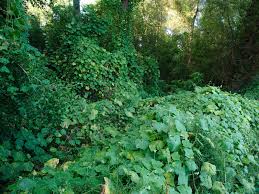
Invasive plants can wreak havoc on your garden, competing with your favorite plants for space, nutrients, and sunlight. These aggressive species grow quickly, often spreading faster than you can manage, leaving little room for the plants you actually want. The good news is that with a little foresight and strategy, you can prevent invasive plants from taking over your garden. Here are some key tips for managing and stopping invasive plants before they start:
1. Stop the Spread Before It Starts
One of the most effective ways to control invasive plants is to prevent them from spreading in the first place. For many invasive species, seeds are the primary method of reproduction. By stopping them from reaching maturity, you can significantly reduce the risk of an infestation.
- Mow or Cut Back Early: Many invasive plants produce seeds that are easily spread by wind, water, or animals. To prevent the production of seeds, mow or cut back these plants before they mature. This simple action can reduce the spread of seeds to other areas of your garden.
- Deadhead Flowers: Regularly remove spent flowers before they have a chance to produce seeds. This not only prevents the spread of seeds but also helps your plants focus energy on growing rather than reproducing.
2. Use Mulch to Suppress Seedlings
Applying mulch to bare areas of your garden is another great method to suppress the growth of invasive seedlings. A thick layer of mulch blocks sunlight from reaching weed seeds, preventing them from germinating and growing into full-fledged plants. This technique also improves soil health by maintaining moisture and regulating temperature, further promoting the growth of your desired plants.
- Choose the Right Mulch: Organic mulches like wood chips or straw work best for weed suppression. Be sure to apply a thick enough layer (at least 2-3 inches) to effectively block light and stop weed growth.
- Renew Mulch Regularly: Mulch naturally breaks down over time, so be sure to replenish it to maintain its weed-blocking effectiveness.
3. Create Boundaries
If you have invasive plants that are already established in your garden, creating physical barriers can help prevent their spread. For example, use edging around your garden beds to stop invasive roots from creeping into nearby areas. Raised garden beds or container gardening can also help keep invasive species contained.
4. Hand-Pull Weeds Early and Often
Sometimes the best way to control an invasive plant is the old-fashioned method—hand-pulling. Keep an eye out for small seedlings and pull them before they have a chance to establish a strong root system. Make sure to remove the entire plant, including the roots, to prevent regrowth.
5. Consider Native Plants
One of the best ways to prevent invasive species from taking over is by planting native plants in your garden. Native plants are adapted to your local environment and are less likely to become invasive. Additionally, native plants help support local wildlife, including pollinators like bees and butterflies.
6. Research Before You Plant
Before adding any new plants to your garden, do some research to ensure they aren’t considered invasive species in your region. Many plant nurseries and local agricultural extension offices provide lists of invasive plants to avoid. By being proactive in your plant selection, you can avoid inadvertently introducing invasive species to your garden.
Stopping invasive plants from taking over your garden is a combination of prevention and proactive management. By preventing seed production, using mulch, creating boundaries, and regularly removing weeds, you can keep your garden in check and ensure that your beloved plants have the space and resources they need to thrive. Gardening is all about nurturing and growing—taking these steps to limit the spread of invasive plants will help you create a more sustainable and healthy garden environment.
