The Oil Spray Bottle: A Small Kitchen Tool That Makes a Big Difference

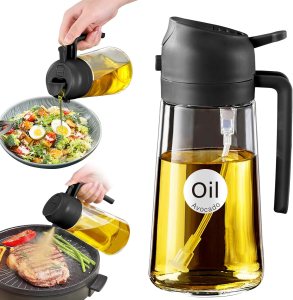
Sometimes the simplest tools in the kitchen end up making the biggest impact. An oil spray bottle is one of those quiet upgrades that can completely change the way you cook and organize your kitchen.

At first glance, it doesn’t seem like much—just a container for oil. But once you start using it, you realize how much control, efficiency, and convenience it adds to everyday cooking.

Spray or Pour: Total Control in One Tool

One of the best features of an oil spray bottle is its flexibility. Instead of being locked into one way of using oil, you can choose what fits the moment.

  • Need a light coat for a pan? Spray it.
  • Making a salad dressing? Pour it.
  • Roasting vegetables? Even misting is perfect.
  • Grilling or air frying? Quick, even coverage.

That kind of control helps you use less oil when you want to and more when you need to—without switching containers or making a mess.

A Healthier Way to Cook

When oil is poured straight from a bottle, it’s easy to use more than intended. A spray bottle helps you distribute oil more evenly, which often leads to:

  • Less waste
  • More balanced cooking
  • Lighter meals without sacrificing flavor

It’s a small shift that can support healthier eating habits without feeling restrictive.

Keeps Your Kitchen Cleaner and More Organized

Traditional oil bottles can be messy—drips on counters, sticky lids, and greasy hands.

An oil spray bottle helps eliminate that by:

  • Reducing spills and drips
  • Keeping countertops cleaner
  • Consolidating multiple oil uses into one container

Instead of juggling different bottles for cooking tasks, you have one simple tool that does it all.

Perfect for Everyday Cooking Tasks

This isn’t just a niche gadget—it fits into almost every type of cooking:

  • Salads: Evenly coat greens without drowning them
  • Griddles & pans: Light, consistent coverage
  • Oven roasting: Helps crisp vegetables evenly
  • Air frying: Prevents sticking without excess oil
  • Grilling: Quick application without flare-ups

Once you start using it, it quickly becomes a go-to kitchen item.

A Small Upgrade With Daily Impact

Kitchen tools don’t have to be complicated to be useful. The oil spray bottle is a great example of how a simple change can improve everyday routines.

It saves time.
It reduces mess.
It gives you control.

And over time, those small improvements add up to a smoother, more enjoyable cooking experience.

Cooking is all about flow—moving efficiently from prep to plate without unnecessary friction.

An oil spray bottle helps remove one of those small friction points.

It’s not flashy. It’s not complicated. But it makes your kitchen more efficient, more organized, and a little easier to enjoy every single day.

https://amzn.to/4tOSUjx

Why a Collapsible Trash Can Is a Smart Tool for Camping and Home Organization

When you spend time outdoors or work to keep your home organized, having the right tools can make everyday tasks much easier. One simple item that many people overlook is a collapsible trash can. While it may seem like a small accessory, it can be surprisingly useful in a variety of situations.

One of the most common uses for a collapsible trash can is during camping trips. When you’re enjoying the outdoors, the last thing you want is trash scattered around your campsite. A portable trash can allows you to place a trash bag inside and collect waste in one convenient location. When the bag is full, you can easily remove it and dispose of the trash properly. It helps keep your campsite clean and makes cleanup quick and simple.

Another benefit is its foldable design. Traditional trash cans can take up a lot of space, especially when packing for a trip. A collapsible version folds down flat, making it easy to store in the trunk of your car, a camper, or an RV. When you arrive at your destination, it pops open and is ready to use.

Beyond camping, this type of container is also helpful at outdoor gatherings or backyard parties. Instead of guests searching for where to throw things away, you can place the trash can in a convenient spot so everyone can easily keep the area tidy.

At home, the versatility of a collapsible container really stands out. It can be used to store children’s toys like balls or outdoor play equipment. It can also work as a temporary laundry basket, helping you move clothes between rooms.

Many people also use these containers in garages or storage areas. Tools, sports equipment, and miscellaneous items can quickly create clutter. A collapsible storage basket provides an easy way to organize these items while still allowing you to fold it away when it’s not needed.

The beauty of a collapsible trash can is its flexibility. One container can serve multiple purposes depending on your needs. Whether you’re camping, hosting a gathering, organizing your garage, or simply trying to keep things tidy, this simple tool helps make life a little more organized.

Sometimes the most useful items are the ones that solve several problems at once, and a collapsible trash can is a perfect example of that.

https://amzn.to/41fAifX

The upgraded large capacity 22 x 28.3 inches (Dia. x H) pop up trash can is taller than normal cans, which is a good helper for yard & lawn cleaning to collect leaves, grass and branches from spring to winter; The garden bag has a flexible yet hard spiral spring spine to automatically pop up

Stay Organized in the Garden with Cleangor’s Plant Labeling Kit

Gardening can be incredibly rewarding, but it can also get messy—literally. Between seeds, seedlings, vegetables, and flowers, it’s easy to forget what you planted where. That’s where a good labeling system makes all the difference.

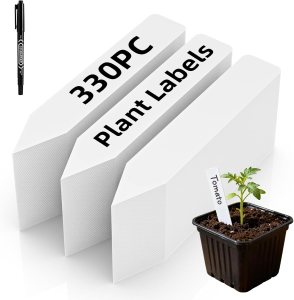
Cleangor’s 330-piece plant labeling kit is designed to help gardeners stay organized and make tracking plants simple and efficient. The kit includes durable, weatherproof PVC labels and a bonus permanent marker, giving you everything you need to clearly mark your plants and track their growth.

The labels are made from flexible, high-quality PVC, which means they won’t rot like wood or rust like metal. They’re waterproof, sun-resistant, and designed to last season after season. The smooth edges make them safe to handle, and the dual-tip marker writes clearly, so your plant names and dates won’t fade in sunlight or wash away in the rain.

Using the labels is quick and easy. Simply write your plant’s name or planting date on the label, insert the pointed end into the soil, and track growth on both sides. These labels are reusable, making them a smart solution for multiple planting cycles and different garden projects.

Versatile in use, these labels are perfect for home gardens, greenhouses, container gardens, and even experimental pots. They help you clearly identify plant varieties and growth stages, making your garden more efficient and enjoyable.

Beyond functionality, the clean white labels add a professional, neat look to any garden, creating an organized oasis you can be proud of. They also make a thoughtful gift for fellow gardeners, combining practicality with a touch of style.

With Cleangor’s plant labeling kit, you’ll no longer have to guess what’s growing where. Your garden becomes a well-organized, easy-to-manage space where every seed, seedling, and flower has its place. Whether you’re a seasoned gardener or just starting out, this kit is a simple tool that brings clarity, order, and efficiency to your gardening routine.

Your plants will thrive, and your garden will stay beautifully organized, season after season.

https://amzn.to/40YtX

Protect Your Home This Winter: Why Outdoor Faucet Covers Are a Must-Have

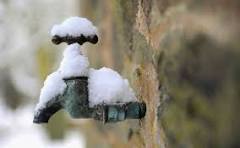
Winter can bring beautiful snow-covered landscapes, cozy nights by the fire, and—unfortunately—costly home repairs if you’re not prepared. One of the most common and preventable winter issues homeowners face is frozen outdoor faucets and pipes. When water freezes inside a spigot, it expands and can crack the faucet or even burst the connected pipe. The result? A messy, expensive repair that could have been avoided.

That’s where outdoor faucet covers come in.

What Are Outdoor Faucet Covers?

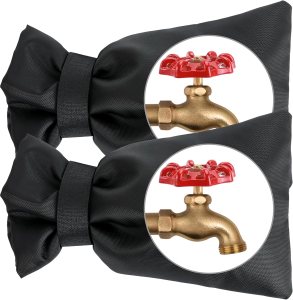
Outdoor faucet covers are simple, affordable protective accessories designed to insulate your outdoor spigots during freezing temperatures. They are typically made from insulated, waterproof materials that help keep cold air away from the faucet and prevent freezing.

The best part? These covers are reusable and designed to fit a variety of spigots, pipes, and hose bibs.

Why You Need Faucet Covers This Winter

1. Prevent Costly Pipe Damage

When a faucet freezes, the expanding ice can crack the faucet or burst the pipe behind it. Repairing a burst pipe can cost hundreds or even thousands of dollars—especially if the damage happens inside your walls or under your home.

A faucet cover is a small investment that can prevent a major expense.

2. Save Time and Stress

Winter plumbing emergencies don’t happen at convenient times. A frozen pipe can mean no water, water damage, and a stressful call to a plumber in the middle of a storm. Faucet covers help you avoid these headaches altogether.

3. Simple Installation

These covers are designed to be easy to install and remove. Most come with a snug fit and secure straps, so you can place them over your outdoor faucets in minutes.

Features to Look For

When choosing outdoor faucet covers, look for these key features:

  • Insulated material: Provides protection against freezing temperatures.
  • Waterproof outer layer: Keeps moisture out and helps prevent ice formation.
  • Reusable design: Durable enough to last multiple winters.
  • Universal fit: Works on a variety of spigots, pipes, and hose bibs.
  • Easy installation: Simple straps or snap closures for quick use.
  • A Small Step for Big Protection

Winter weather is unpredictable, but your home doesn’t have to suffer because of it. Installing outdoor faucet covers is a simple, effective, and affordable way to protect your plumbing and prevent costly damage.

If you’re preparing for winter, make faucet covers part of your seasonal checklist. It’s a small step that offers peace of mind—and helps keep your home safe and secure all season long.

https://amzn.to/4r9AsjS

Simple Tips for Better Sourdough Breadmaking

Sourdough breadmaking can feel intimidating at first, but it doesn’t have to be complicated. At its core, sourdough is about patience, observation, and a few consistent habits. With some simple tips, you can improve your results and enjoy the process along the way.

Start With a Healthy Starter

Your starter is the foundation of good sourdough. A healthy starter should be bubbly, active, and reliably double in size a few hours after feeding. If your bread isn’t rising well or tastes overly sour, the starter is often the culprit.

Feed it regularly, use it when it’s at its peak, and don’t rush it. A strong starter makes everything else easier.

Measure Ingredients Carefully

Sourdough is more forgiving than it seems, but consistency matters. Using a kitchen scale instead of measuring cups helps ensure accurate ratios of flour, water, and salt. Small differences can affect texture, hydration, and fermentation, especially as you learn what works best in your kitchen.

Pay Attention to Dough, Not the Clock

Fermentation times vary based on temperature, humidity, and starter strength. Instead of strictly following the clock, watch the dough. Look for signs like increased volume, bubbles on the surface, and a slightly domed shape.

Learning to read the dough is one of the most valuable skills in sourdough baking.

Keep It Simple

It’s tempting to try complex recipes, fancy scoring patterns, or multiple add-ins right away. In the beginning, focus on mastering a basic loaf. Simple flour, water, salt, and starter will teach you more than any complicated recipe.

Once you’re confident with the basics, experimenting becomes much more enjoyable.

Don’t Skip Proper Shaping

Good shaping creates surface tension, which helps the loaf rise and hold its structure in the oven. Take your time during shaping, even if the dough feels sticky or soft. A well-shaped loaf often bakes up taller with a better crumb.

Preheat Your Oven Thoroughly

A hot oven is essential for oven spring. Whether you’re using a Dutch oven or baking stone, give it plenty of time to preheat. Steam during the early part of baking also helps the loaf expand and develop a crisp crust.

Embrace Imperfection

Not every loaf will be perfect—and that’s okay. Dense crumbs, uneven scoring, or flatter loaves are all part of the learning process. Each bake teaches you something new, and even the “mistakes” are usually still delicious.

Great sourdough doesn’t come from complexity; it comes from consistency. A healthy starter, careful observation, and a willingness to learn will take you further than any advanced technique.

Keep it simple, be patient, and enjoy the process—because sourdough baking is just as much about the journey as the loaf itself.

Breathe Easier: 3 Air-Purifying Plants Perfect for Your Home

Indoor plants do more than brighten your space—they can also help clean the air you breathe. According to the NASA Clean Air Study and air quality experts, some houseplants are particularly effective at removing harmful toxins like formaldehyde, benzene, and carbon monoxide. Here are three of the most effective air-purifying plants for your home:

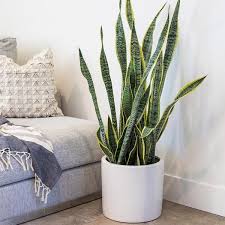
1. Snake Plant (Sansevieria)

  • Removes: Formaldehyde, benzene, nitrogen oxides
  • Best for: Beginners, bedrooms, low-light areas
  • Pet-safe: No (toxic if ingested)
  • Maintenance: Very low—water every 2-3 weeks

The snake plant is nearly indestructible and thrives in low-light conditions. It’s perfect for adding greenery to your bedroom or office while quietly cleaning the air.

2. Spider Plant (Chlorophytum comosum)

  • Removes: Formaldehyde, carbon monoxide
  • Best for: Families with pets, hanging displays
  • Pet-safe: Yes
  • Maintenance: Low—water weekly

Spider plants are not only safe for pets, but their long, arching leaves make them ideal for hanging baskets or shelves. They’re excellent at absorbing indoor pollutants and require minimal care.

3. Peace Lily (Spathiphyllum)

  • Removes: Ammonia, benzene, trichloroethylene
  • Best for: Bathrooms, offices, medium light
  • Pet-safe: No (toxic if ingested)
  • Maintenance: Medium—keep soil consistently moist

Peace lilies are elegant and efficient, purifying the air while adding a touch of style to your space. Just be mindful to keep them out of reach of pets.

Adding air-purifying plants to your home is a simple, natural way to improve indoor air quality and bring life to your space. Whether you’re a beginner looking for low-maintenance options or want a statement plant with high air-cleaning power, snake plants, spider plants, and peace lilies are some of the best choices you can make.

https://amzn.to/482PuA9

https://filterbuy.com/resources/health-and-wellness/air-purifying-plants/

What You Need to Know About Frost and Protecting Your Garden

As the seasons change and temperatures start to dip, gardeners everywhere face the same concern: frost. While frost is a natural part of the yearly cycle, it can have a significant impact on your plants if you’re not prepared. Understanding how frost works and taking steps to protect your garden can make the difference between a thriving garden and damaged plants.

What is Frost?

Frost forms when temperatures drop below freezing, causing water vapor in the air to condense and freeze on surfaces. It usually appears on clear, calm nights when the heat from the ground escapes into the sky. Frost can damage leaves, flowers, and fruit, especially tender or newly planted species.

How Frost Affects Plants

  • Tender Vegetables and Herbs: Tomatoes, peppers, basil, and other warm-season crops are highly susceptible to frost.

  • Perennials: Some hardy perennials can tolerate light frost, but heavy frost can damage leaves and stems.

  • Fruit Trees: Frost during blooming can harm flowers, reducing fruit yield.

  • Tips to Protect Your Garden from Frost

  1. Know Your Frost Dates
    Check your local frost calendar to understand the average first and last frost dates in your area. This helps you plan planting and harvest schedules.

  2. Cover Your Plants
    Use row covers, garden blankets, or even old sheets to protect tender plants overnight. Be sure to remove covers in the morning to prevent overheating.

  3. Water Wisely
    Moist soil holds heat better than dry soil, so watering your garden in the afternoon before a frost can help protect roots.

  4. Move Potted Plants
    Bring container plants indoors or place them in a protected area like a garage or shed during frost nights.

  5. Mulch
    A thick layer of mulch insulates the soil, helping maintain warmer temperatures around plant roots.

  6. Strategic Planting
    Plant tender crops in locations that get maximum sunlight and are protected from cold winds, such as near walls or fences.

When Frost Strikes

If you wake up to frost, act quickly. Remove frost coverings carefully, and if plants are damaged, wait until the temperature warms before pruning frost-bitten leaves. Some plants recover surprisingly well once the sun comes out.

Frost is inevitable in many climates, but with preparation and awareness, you can minimize its impact and keep your garden healthy. By understanding your garden’s vulnerabilities and acting early, you can enjoy the beauty and bounty of your plants, even as the cold sets in.

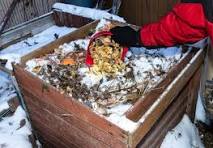
Composting and Soil Health: Why Winter is the Best Time to Start

Winter often gets a bad rap as the “off-season” for gardeners and farmers. The cold weather makes it seem like the growing season is over, but it’s actually the perfect time to work on improving your soil health—particularly through composting. While your garden might be dormant for the season, your soil doesn’t have to be.

The Importance of Soil Health

Healthy soil is the foundation of a thriving garden or farm. It provides essential nutrients to plants, helps retain moisture, and supports beneficial microorganisms. Improving soil health through composting is an investment that will pay off in abundance when spring planting season rolls around. Composting not only recycles organic waste but also creates a nutrient-rich mixture that will transform your soil into a fertile, thriving environment.

Why Composting in Winter Matters

You may be wondering, “Can you compost in the winter?” The answer is a resounding yes! Winter composting can help you build better soil health for the upcoming season, even when it’s cold outside. Here’s why winter is an ideal time for composting:

1. Decomposition Still Happens—Just Slower

Even in colder temperatures, decomposition continues, albeit at a slower rate. Composting microbes work best in temperatures between 110°F and 160°F, which is warmer than the outside winter air, but as long as the compost pile stays insulated, it can still remain active. Over the winter, the compost will slowly break down, giving you a head start for spring.

2. Winter is a Great Time for Collecting Organic Material

Winter often comes with fewer chores in the garden, which means you can focus more on collecting materials for composting. Collect kitchen scraps like vegetable peels, coffee grounds, and eggshells, as well as yard waste like autumn leaves, grass clippings, and woody stems. If you have access to hay or straw, those can be excellent additions too. Layering these materials will create a balanced compost pile that decomposes more effectively.

3. Less Smell and Fewer Pests

In the warmer months, compost piles can sometimes produce a strong odor and attract pests. However, during winter, the cold helps to minimize these concerns. The composting process remains odorless, and pests like flies, rodents, and raccoons are less likely to be active or attracted to your compost pile.

4. Improved Decomposition Process

Adding to your compost pile during winter ensures that you start the next growing season with nutrient-rich compost already on hand. Additionally, keeping the pile active by turning it occasionally and ensuring that it’s properly insulated will speed up the breakdown of organic material, which means your garden or farm will benefit from the compost much earlier in the year.

How to Compost in Winter

Composting during the winter is very similar to composting year-round, but with a few adjustments. Here are some tips to make your winter composting process even more effective:

1. Insulate Your Pile

To maintain the heat in the compost pile, make sure it’s properly insulated. You can use materials like hay bales, straw, or even blankets to wrap the pile. Insulation helps retain the heat and prevents the pile from freezing, which would halt the decomposition process. If you’re using a compost bin, ensure it is tightly sealed to trap warmth inside.

2. Layer Your Materials

Just like in the warmer months, it’s essential to create balanced layers in your compost pile—alternating between green (nitrogen-rich) and brown (carbon-rich) materials. Common green materials include kitchen scraps, coffee grounds, and grass clippings, while brown materials include dried leaves, straw, or shredded newspaper. The right balance helps to maintain a productive compost pile throughout the winter.

3. Turn the Pile Regularly

Regularly turning your compost pile ensures that air is circulating, which helps to speed up decomposition. If the pile is insulated well, you may only need to turn it once every few weeks. A compost thermometer can help you gauge whether your pile is staying warm enough for decomposition to continue.

4. Keep Moisture in Check

While moisture is important for the composting process, during the winter months, you don’t want the pile to become too wet and soggy. If it’s snowy or raining frequently, you may need to cover your pile to prevent it from becoming waterlogged. Aim for a moist, but not soggy, consistency.

Benefits of Winter Composting

By the time spring arrives, you’ll be ready to start planting with nutrient-rich, homemade compost that will boost soil fertility and structure. Composting in winter also reduces waste sent to landfills, providing an environmentally friendly solution for organic waste.

In addition, working on your compost pile during the colder months means you’ll have a healthier, more productive garden once the warmer weather hits. Your garden will appreciate the extra love and care you gave it in the off-season.

Winter might not seem like the obvious time to focus on your soil health, but composting during this time ensures your garden is well-prepared for the coming growing season. The extra attention you give your compost pile now will lead to better soil, healthier plants, and a more fruitful harvest later on. So, grab your gloves, get started, and let your composting efforts shine through the chill of winter—your garden will thank you come spring!

Stay Warm and Safe This Winter with a Space Heater

Winter chills don’t stand a chance when you have the right space heater, and the Dreo Space Heater is designed to deliver powerful warmth safely and efficiently.

Fast, Far-Reaching Heat

Equipped with Dreo’s Hyperamics 1500W advanced PTC system and a new heat funnel design, this heater warms up your space within seconds. Its optimized airflow enhances warm air circulation, reaching up to 200% farther than traditional heaters, so even larger rooms stay cozy and comfortable.

Built for Safety

Safety is a top priority in any home, and the Dreo heater goes above and beyond. Features include:

  • Tilt-detection sensor for tip-over protection
  • Overheat protection to prevent accidents
  • V0 flame-retardant materials and a certified safety plug (ETL-certified)

These features provide peace of mind, making it ideal for families, pets, and busy households.

Compact and Convenient

Despite its powerful performance, the Dreo heater is compact enough to fit anywhere—perfect for bedrooms, offices, or living rooms. It combines sleek design with functional warmth, making it a stylish addition to any space.

The Dreo Space Heater is more than just a winter essential—it’s a reliable and efficient solution for keeping every corner of your home warm. With fast heat, extended reach, and advanced safety features, it’s the perfect companion for cold days and nights.

https://amzn.to/4oIrQj6

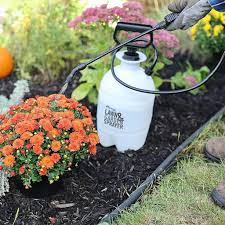
The Perfect Garden Sprayer for Every Project

When it comes to caring for your garden, having the right tools makes all the difference—and a reliable garden sprayer is one of those must-haves. Whether you’re tackling weeds, applying pest control, or simply giving your plants a good soak, this garden sprayer is designed to make the job easy and efficient.

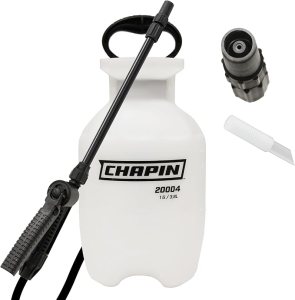
Made from rust-free polyethylene, the tank is translucent, so you can easily check fluid levels without guesswork. That means fewer interruptions and more time doing what you love—nurturing your garden.

This versatile sprayer is perfect for a variety of projects:

  • Treating your lawn and garden with fertilizer or weed control.
  • Spraying pest chemicals to protect your plants naturally.
  • Watering vegetable gardens, hanging plants, or patio greenery.

Whether you’re a seasoned gardener or just starting out, this garden sprayer is durable, easy to use, and built to handle any task around your home. Reliable tools  make gardening easier—

https://amzn.to/4hnlOSt

  • 1-Gallon poly tank
  • In-tank filter helps prevent dirt and debris from interfering with the application
  • Ergonomic pump handle helps prevent hand fatigue
  • Poly wand with comfortable trigger shut-off