
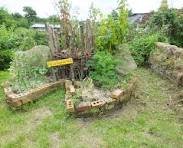
Keyhole gardens are an innovative and sustainable gardening method that combines the benefits of composting and gardening into one efficient design. Originating in Africa, keyhole gardens are designed to thrive in harsh climates and make the most of limited resources. This method involves creating circular garden beds with a central composting area, providing easy access to plants and enriching the soil with nutrient-rich compost. Here’s how keyhole gardens work and why they might be the perfect addition to your garden.
What is a Keyhole Garden?
A keyhole garden is a raised, circular garden bed with a central composting basket. The design includes a notch or “keyhole” shape that allows easy access to the composting area and the plants. The garden bed is typically built up with layers of organic materials such as leaves, grass clippings, and kitchen scraps, which decompose over time and enrich the soil.
Benefits of Keyhole Gardens
1. Nutrient-Rich Soil: The central composting area continuously feeds nutrients into the surrounding soil, creating a fertile environment for your plants. This constant supply of compost helps improve plant growth and yields.
2. Water Efficiency: Keyhole gardens are designed to retain moisture, making them ideal for dry climates. The organic materials used in the bed absorb and hold water, reducing the need for frequent watering.
3. Space Efficiency: The circular design maximizes growing space, allowing you to grow a variety of plants in a compact area. This is particularly beneficial for small gardens or urban settings.
4. **Ease of Access**: The keyhole shape provides easy access to the entire garden bed and the central composting area. This design reduces the need to bend or stretch, making gardening more comfortable and accessible.
5. Sustainability: By using kitchen scraps and garden waste for composting, keyhole gardens promote recycling and reduce the amount of waste sent to landfills. This sustainable approach benefits both your garden and the environment.
How to Build a Keyhole Garden
1. Choose a Location: Select a sunny spot in your garden that receives at least 6-8 hours of sunlight per day.
2. Mark the Layout: Use a rope or hose to outline a circular bed, typically 6 feet in diameter. Mark the keyhole notch, which should be about 1-2 feet wide, allowing easy access to the center.
3. Build the Structure: Construct the garden bed walls using stones, bricks, or wooden planks. The walls should be about 3 feet high to create a raised bed. Leave an opening for the keyhole notch.
4. Create the Central Composting Area: Place a wire mesh or a small basket in the center of the garden bed. This will serve as the composting area where you can add kitchen scraps and other organic materials.
5. Layer the Bed: Start with a layer of cardboard or newspaper at the bottom to suppress weeds. Add alternating layers of brown (carbon-rich) and green (nitrogen-rich) organic materials, such as leaves, straw, grass clippings, and kitchen scraps. Top the bed with a layer of soil or compost.
6. Plant Your Garden: Choose a variety of plants that thrive in rich, well-drained soil. Consider planting vegetables, herbs, and flowers for a diverse and productive garden.
7. Maintain the Garden: Regularly add kitchen scraps and garden waste to the central composting area. Water the bed as needed, particularly during dry spells. Over time, the organic materials will decompose and enrich the soil, promoting healthy plant growth.
Best Plants for Keyhole Gardens
Keyhole gardens can support a wide variety of plants, including:
– Vegetables: Tomatoes, peppers, lettuce, carrots, and beans thrive in the nutrient-rich soil of a keyhole garden.
– Herbs: Basil, parsley, mint, and thyme are excellent choices for adding flavor to your dishes and repelling pests.
– Flowers: Marigolds, nasturtiums, and zinnias add color to your garden and attract beneficial insects.
Keyhole gardens offer a sustainable and efficient way to grow healthy plants while minimizing waste and conserving resources. Their unique design combines composting and gardening, creating a nutrient-rich environment that supports a diverse range of plants. Whether you’re dealing with limited space, poor soil, or dry conditions, a keyhole garden can transform your gardening experience.
