
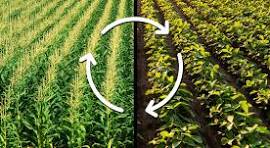
Crop rotation is a time-honored agricultural practice with significant benefits for vegetable gardens. It involves changing the location of specific crops each growing season to enhance soil health, reduce pests, and improve yields. Understanding the principles of crop rotation can transform your garden into a more productive and sustainable ecosystem.
Why Crop Rotation Matters
1. Enhances Soil Health: Different crops have varying nutrient requirements. By rotating crops, you can prevent the depletion of specific nutrients. For example, legumes like beans and peas fix nitrogen in the soil, which benefits subsequent crops that require high nitrogen levels, such as leafy greens.
2. Reduces Pest and Disease Pressure: Many garden pests and diseases are crop-specific. By rotating crops, you can disrupt the life cycles of pests and reduce the likelihood of diseases that thrive on specific plants. For instance, if you had tomatoes last season, rotating to a different family, such as brassicas, can help minimize tomato-specific diseases.
3. Improves Soil Structure: Different plants have different root structures. Rotating crops can help improve soil structure and aeration. Deep-rooted plants, such as carrots, can break up compacted soil, while shallow-rooted plants, like lettuce, can improve surface soil quality.
4. Increases Biodiversity: By planting a variety of crops, you support a diverse ecosystem in your garden. This diversity can attract beneficial insects and pollinators, creating a balanced and resilient garden environment.
How to Implement Crop Rotation Effectively
1. Understand Crop Families: To rotate crops effectively, it’s essential to know which plant families are related. For example, tomatoes, peppers, and potatoes are all nightshades and should not be planted in the same location consecutively. Keep a list of plant families and their specific requirements to plan rotations accordingly.
2. Plan Your Rotation Schedule: Develop a rotation plan that spans at least three to four years. Ideally, you should rotate crops so that the same plant family is not planted in the same location for several years. A typical rotation might involve a cycle of root vegetables, legumes, leafy greens, and fruiting plants.
3. Keep Records: Maintain a garden journal or map to track where you plant each crop each year. This record will help you remember past planting locations and make informed decisions for future seasons.
4. Incorporate Cover Crops: During the off-season or in between rotations, consider planting cover crops like clover or rye. These plants can improve soil fertility, prevent erosion, and suppress weeds.
5. Monitor and Adjust: Observe your garden’s performance and adjust your rotation plan as needed. If you notice persistent pest issues or nutrient deficiencies, you may need to tweak your rotation schedule or add soil amendments.
Sample Rotation Plan
Here’s a simple example of a four-year rotation plan:
– Year 1: Plant root vegetables (carrots, beets, radishes)
– Year 2: Plant legumes (beans, peas, lentils)
-Year 3: Plant leafy greens (lettuce, spinach, broccoli, cabbage)
– Year 4: Plant fruiting vegetables (tomatoes, peppers, cucumbers)
By following these principles, you’ll build a more resilient and productive vegetable garden. Crop rotation not only benefits the soil and plants but also contributes to a healthier and more sustainable gardening practice.
