A Simple Tool to Help You Water Your Plants the Right Way

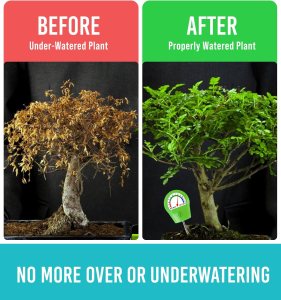
One of the most common challenges for gardeners and plant lovers is knowing when to water their plants. Too much water can damage roots, while too little can cause plants to dry out and struggle to grow. Finding the right balance can sometimes feel like guesswork.

That’s where a soil moisture meter can make a big difference.

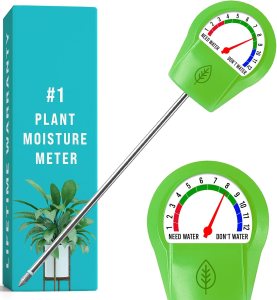
A soil moisture meter is a simple tool designed to help you understand exactly how much moisture is in your soil. Instead of sticking your finger in the dirt and trying to guess if your plant needs water, you can insert the probe of the meter directly into the soil and get an instant reading.

Using it is incredibly easy. The meter typically has a long probe that you gently insert into the soil near your plant’s roots. Within seconds, the gauge will show the moisture level of the soil. This quick reading helps you determine whether the plant needs watering or if the soil still has enough moisture.

One of the best things about many soil moisture meters is their simplicity. Many models are analog, meaning they do not require batteries. This makes them convenient and reliable, since you don’t have to worry about charging or replacing batteries.

The probe length also helps you get readings below the surface of the soil, where the roots are actually drawing water. This provides a more accurate understanding of the plant’s environment and helps prevent the two most common plant care mistakes: overwatering and underwatering.

Proper soil moisture plays a key role in healthy plant growth. When plants receive the right amount of water, they develop stronger roots, healthier leaves, and better overall growth. A moisture meter helps remove the guesswork so you can confidently care for your plants.

Whether you’re growing houseplants, container gardens, or outdoor plants, this small tool can become a helpful part of your gardening routine.

Sometimes the simplest tools are the ones that make the biggest difference, and a soil moisture meter is a great example of how a small device can help your plants thrive.
https://amzn.to/4cTOXok

Plant Moisture Meter – Accurately Tells You When to Water Your Plants – 26cm, No Battery Needed
Breathe Easier: 3 Air-Purifying Plants Perfect for Your Home

Indoor plants do more than brighten your space—they can also help clean the air you breathe. According to the NASA Clean Air Study and air quality experts, some houseplants are particularly effective at removing harmful toxins like formaldehyde, benzene, and carbon monoxide. Here are three of the most effective air-purifying plants for your home:

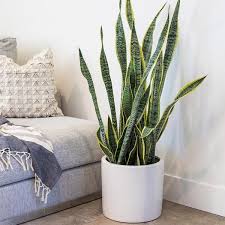
1. Snake Plant (Sansevieria)

  • Removes: Formaldehyde, benzene, nitrogen oxides
  • Best for: Beginners, bedrooms, low-light areas
  • Pet-safe: No (toxic if ingested)
  • Maintenance: Very low—water every 2-3 weeks

The snake plant is nearly indestructible and thrives in low-light conditions. It’s perfect for adding greenery to your bedroom or office while quietly cleaning the air.

2. Spider Plant (Chlorophytum comosum)

  • Removes: Formaldehyde, carbon monoxide
  • Best for: Families with pets, hanging displays
  • Pet-safe: Yes
  • Maintenance: Low—water weekly

Spider plants are not only safe for pets, but their long, arching leaves make them ideal for hanging baskets or shelves. They’re excellent at absorbing indoor pollutants and require minimal care.

3. Peace Lily (Spathiphyllum)

  • Removes: Ammonia, benzene, trichloroethylene
  • Best for: Bathrooms, offices, medium light
  • Pet-safe: No (toxic if ingested)
  • Maintenance: Medium—keep soil consistently moist

Peace lilies are elegant and efficient, purifying the air while adding a touch of style to your space. Just be mindful to keep them out of reach of pets.

Adding air-purifying plants to your home is a simple, natural way to improve indoor air quality and bring life to your space. Whether you’re a beginner looking for low-maintenance options or want a statement plant with high air-cleaning power, snake plants, spider plants, and peace lilies are some of the best choices you can make.

https://amzn.to/482PuA9

https://filterbuy.com/resources/health-and-wellness/air-purifying-plants/

Farewell to a Classic: The Farmer’s Almanac Publishes Its Final Edition

After more than two centuries of weather forecasts, gardening tips, and time-honored advice, the Farmer’s Almanac is closing a chapter in its long history. The 2026 edition will be the publication’s last, ending a remarkable 208-year run that has touched generations of readers.

Since its first issue in 1818, the Almanac has been more than just a guide—it’s been a companion for households across the country. Families have consulted it for planting schedules, fishing trips, and even life milestones, following its guidance based on sunspots, lunar cycles, and planetary positions. Its pages offered a mix of practical tips, trivia, jokes, and even natural remedies, creating a charming blend of wisdom and entertainment.

The final 2026 edition promises a “wild ride” for winter 2025-2026, predicting dramatic swings in weather, including cold spells, snow, and repeated chill cycles, especially across the Northern Plains to New England. The cover reflects the Almanac’s broad readership, featuring both a classic farmhouse and a cityscape to appeal to urban and rural readers alike.

While the Farmer’s Almanac closes its doors, its legacy will live on in the memories of those who grew up reading it and in the countless ways it guided people through seasons and life events. Fortunately, fans of time-tested wisdom and practical guidance still have the Old Farmer’s Almanac, which continues to publish annually, offering gardening advice, seasonal forecasts, and folklore with modern tools and digital resources.

The end of the Farmer’s Almanac reminds us of the enduring value of trusted, time-tested guidance. Even in a rapidly changing world, its spirit of curiosity, practical knowledge, and connection to nature will continue to inspire those who cherish its legacy.

https://amzn.to/3JNuTHM

A Fond Farewell

Fresh from Our Garden: Stuffed Eggplant Parmesan Is on the Menu Tonight!

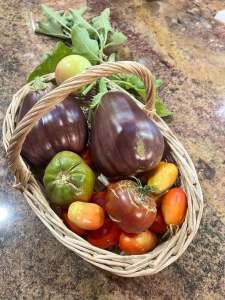
There’s something deeply satisfying about cooking with ingredients grown right in your own garden. Tonight’s dinner is a perfect example—Stuffed Eggplant Parmesan, made fresh with homegrown eggplants, herbs, and tomatoes.

The eggplants were picked this morning—firm, glossy, and full of flavor. After a quick rinse, they’re halved, roasted until tender, and filled with a delicious mixture of sautéed onions, garlic, garden-fresh tomatoes, and a sprinkle of basil and oregano straight from the herb bed. A layer of mozzarella and Parmesan cheese brings everything together in bubbly, golden perfection.

Cooking from the garden isn’t just about flavor—it’s about connection. You know where your food came from, how it was grown, and the care that went into it. Every bite carries the reward of patience and love.

So tonight, the kitchen smells like summer. The garden has given us another reason to be thankful

https://amzn.to/474dyU2

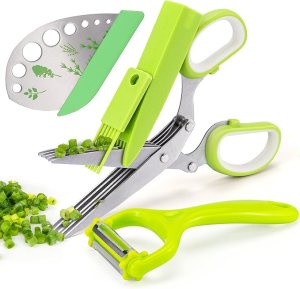
Herb scissors set provides a pair of herb shears, a herb stripper, and a peeler with three different blades. They can help you easily handle a large number of kitchen tasks, such as cutting meat, turkey, and poultry bones. You can not only use it to cut various vegetables, herbs, fruits, cut noodles and even pizza, but also peel potatoes, carrots, zucchini, cucumbers, apples, and avocados. No chopping boards and choppers are needed, bringing more convenience to your kitchen work.

The Perfect Garden Sprayer for Every Project

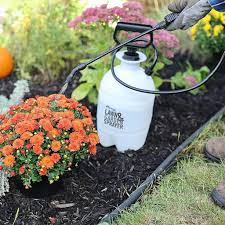
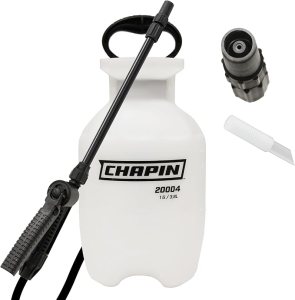
When it comes to caring for your garden, having the right tools makes all the difference—and a reliable garden sprayer is one of those must-haves. Whether you’re tackling weeds, applying pest control, or simply giving your plants a good soak, this garden sprayer is designed to make the job easy and efficient.

Made from rust-free polyethylene, the tank is translucent, so you can easily check fluid levels without guesswork. That means fewer interruptions and more time doing what you love—nurturing your garden.

This versatile sprayer is perfect for a variety of projects:

  • Treating your lawn and garden with fertilizer or weed control.
  • Spraying pest chemicals to protect your plants naturally.
  • Watering vegetable gardens, hanging plants, or patio greenery.

Whether you’re a seasoned gardener or just starting out, this garden sprayer is durable, easy to use, and built to handle any task around your home. Reliable tools  make gardening easier—

https://amzn.to/4hnlOSt

  • 1-Gallon poly tank
  • In-tank filter helps prevent dirt and debris from interfering with the application
  • Ergonomic pump handle helps prevent hand fatigue
  • Poly wand with comfortable trigger shut-off

Garden Fresh Salsa: A Taste of Summer, Preserved

There’s something undeniably satisfying about growing your vegetables, plucking them straight from your garden, and turning them into a delicious salsa. But what happens when your garden’s bounty becomes too much to enjoy at once? Enter the world of homemade garden fresh salsa, a vibrant taste of summer, lovingly preserved to enjoy year-round.

The Garden’s Bounty:
When your garden is in full swing, it can feel like a race to savor each tomato, pepper, and onion at its peak. However, there comes a point when you have more than you can consume in one sitting. That’s where homemade salsa comes to the rescue.

The Raw, Fresh Advantage:
Unlike cooked salsa, which can alter the flavor and texture of your garden’s treasures, raw salsa retains the essence of each ingredient. The crispness of freshly harvested vegetables shines through, offering a burst of flavor in every bite.

The Preservation Process:
To ensure you can enjoy your garden’s salsa long after the harvest season has ended, consider vacuum-sealing it and storing it in the freezer. This method locks in the salsa’s freshness, preserving its vibrant colors and flavors.

Versatility at Its Best:
Homemade salsa is incredibly versatile. It’s not just a dip for tortilla chips; it can be a topping for grilled chicken, a filling for tacos, or a zesty addition to scrambled eggs. With your garden fresh salsa at the ready, your culinary options are endless.

A Taste of Summer Year-Round:
In the depths of winter, when your garden lies dormant under a blanket of snow, you can open your freezer and find a taste of summer waiting for you. Each spoonful of your homemade garden fresh salsa will transport you back to those sunny days in the garden, a reminder of the joy of growing and savoring your own produce.

So, the next time your garden overflows with ripe tomatoes, peppers, and onions, consider whipping up a batch of homemade garden fresh salsa. With a little effort in the preservation process, you can enjoy the flavors of your garden throughout the year, bringing a taste of summer to even the coldest of days.  #GardenFreshSalsa #PreservationJoy #TasteOfSummer

https://www.kimscravings.com/best-damn-salsa-ever/

https://amzn.to/46usjxG

https://amzn.to/46CWkM1

Copycat Recipes: Bringing Your Favorite Baked Goods Home

There’s something magical about walking into your favorite bakery—the smell of fresh bread, the sight of golden cookies, the taste of a perfectly flaky pastry. But what if you could bring that magic into your own kitchen? That’s where copycat recipes come in.

Copycat recipes are all about recreating the flavors you love from restaurants and bakeries right at home. Not only is it fun, but it can also save money, let you control the ingredients, and give you the satisfaction of baking something delicious from scratch.

Maybe it’s that famous chocolate chip cookie you can never resist, a cinnamon roll that’s perfectly gooey, or a loaf of bread that tastes like it came straight from a bakery case. With a little trial and error (and maybe a few taste tests along the way), you can get surprisingly close to the original.

Here are a few reasons to try copycat baking:

  • Creativity in the kitchen – Test your skills and experiment with flavors.

  • Healthier tweaks – Adjust sugar, flour, or fats to fit your lifestyle.

  • A fun family project – Bake together and see whose version tastes the best.

  • That “nailed it” moment – Nothing beats pulling out a tray and realizing you’ve recreated your favorite treat.

Next time a craving hits, don’t just drive to the bakery—challenge yourself to recreate it. Who knows? You might just discover your homemade version tastes even better.

Copycat Starbucks Pumpkin Cream Cheese Muffins

Ingredients:

  • 1 3/4 cups all-purpose flour

  • 1 cup sugar

  • 1/2 cup vegetable oil

  • 2 eggs

  • 1 cup canned pumpkin puree

  • 1 tsp baking soda

  • 1/2 tsp baking powder

  • 1/2 tsp salt

  • 1 tsp cinnamon

  • 1/2 tsp nutmeg

  • 1/4 tsp cloves

  • 1/4 tsp ginger

Cream Cheese Filling:

  • 4 oz cream cheese, softened

  • 1/4 cup sugar

  • 1/2 tsp vanilla extract

Topping:

  • Pumpkin seeds (pepitas)

Instructions:

  1. Preheat oven to 350°F (175°C). Line a muffin tin with paper liners.

  2. In a bowl, whisk together flour, baking soda, baking powder, salt, and spices.

  3. In another bowl, mix sugar, oil, eggs, and pumpkin puree until smooth. Combine wet and dry ingredients.

  4. Fill muffin cups about 3/4 full.

  5. Mix cream cheese, sugar, and vanilla until smooth. Drop a spoonful into the center of each muffin.

  6. Sprinkle with pumpkin seeds.

  7. Bake for 18–20 minutes, until a toothpick (avoiding the cream cheese center) comes out clean.

  8. Cool slightly and enjoy warm—or store in the fridge for a chilled trea

https://amzn.to/428r9H5

Capture Nature in Clay: The Art of Botanical Bas-Relief

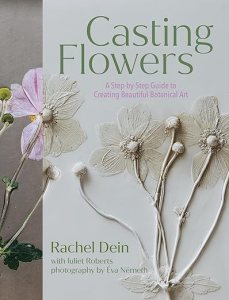
There’s something magical about freezing a moment in nature—capturing the delicate curve of a petal, the intricate veins of a leaf, or the subtle texture of a stem. Casting Flowers offers a creative way to do just that, introducing botanical bas-relief as a rewarding art form for beginners and seasoned artists alike.

What is Botanical Bas-Relief?

Botanical bas-relief is a technique where artists create low-relief impressions of flowers and plants in clay and plaster. Unlike flat drawings or pressed flowers, this method preserves the texture, pattern, and delicate details of each plant, turning them into lasting, three-dimensional works of art.

Simple Materials, Stunning Results

All you need is a few basic materials: clay, flowers or plants, and plaster. Even a single stem can be transformed into a beautiful piece, or you can create elaborate compositions reminiscent of a wildflower meadow. The process is forgiving enough for beginners, yet versatile enough to challenge more experienced creators.

Bring Your Pieces to Life

Once your plaster cast is dry, you can leave it bare for an elegant, minimalist look—or add color with paints to breathe life back into the flowers. Each piece becomes a unique celebration of nature, a personal snapshot of its beauty preserved in time.

Why Try It?

  • Creative satisfaction: Even beginners can achieve professional-looking results.

  • Mindful practice: The process encourages observation, patience, and appreciation for natural details.

  • Decorative art: Finished pieces make beautiful, personalized home décor or gifts.

Botanical bas-relief lets you hold a piece of nature in your hands, capturing the essence of flowers and plants in a tangible, artistic way. Whether you leave your casts natural or painted, each creation tells a story of beauty, texture, and delicate artistry.

https://amzn.to/41HbEph

A Timeless Garden Hack: Keep Your Tools Sharp, Clean & Rust-Free

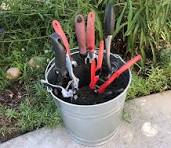
Every gardener knows that having the right tools makes a world of difference—but keeping those tools in top shape? That’s a game-changer. There’s an old-school garden trick that’s simple, affordable, and incredibly effective for maintaining your hand tools: the sand-and-oil bucket method.

Here’s how it works and why you’ll want to add it to your gardening routine.

What You’ll Need:

  • A 5-gallon bucket
  • About 5 gallons of coarse sand
  • ¾ quart of motor oil (used or new works)

How to Use the Sand and Oil Bucket:

  1. Fill the Bucket: Pour the sand into the bucket, then drizzle the motor oil over the top.
  2. Mix It Up: Use a trowel or small hand tool to mix the sand and oil until it’s evenly distributed.
  3. Clean Your Tools: Plunge your dirty tools into the sand several times. The gritty texture scrapes off dirt and debris.
  4. Tap and Wipe: Tap the tool against the edge of the bucket and wipe with a cloth to remove leftover sand.

Why It Works:

  • Cleans Dirt: The abrasive sand naturally scrapes away stuck-on soil without damaging your tools.
  • Sharpens Edges: The friction created as you dip the tool in and out of the sand helps sharpen blades and edges.
  • Prevents Rust: The oil coats the metal, creating a barrier that protects against moisture and rust.

It’s Reusable

This isn’t a one-and-done solution. Your sand-and-oil bucket will last all season (and longer), ready to clean and protect your tools after every use. Just keep it in your shed or garage, and dip your tools in regularly for quick maintenance.

Sometimes, the best solutions are the simplest. This old garden trick proves you don’t need fancy gadgets to care for your tools—just a little sand, oil, and a few minutes of upkeep. Your tools will thank you with years of dependable use in return.