
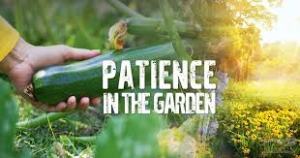
Gardening is a rewarding endeavor that offers a unique blend of creativity, care, and patience. One of the most valuable lessons in gardening is learning to appreciate and embrace the time it takes for plants to grow and mature. While the anticipation of a blooming garden or a bountiful harvest is exciting, understanding and accepting the time required for plants to thrive is crucial for both your gardening success and enjoyment.
The Virtue of Patience in Gardening
Gardening often requires patience, as plants do not grow overnight. Each plant has its own growth cycle, influenced by factors such as species, climate, soil quality, and care practices. Embracing patience allows you to appreciate the gradual process of growth and understand that gardening is as much about nurturing and waiting as it is about planting and harvesting.
Why Patience is Essential
1. Understanding Growth Cycles: Different plants have different growth cycles, from germination to full maturity. For instance, leafy greens like lettuce may grow quickly and be ready for harvest in just a few weeks, while fruit-bearing plants like tomatoes or peppers take several months to produce. Knowing the expected time frames for your plants helps manage expectations and plan your gardening activities accordingly.
2. Nurturing Healthy Plants: Patience allows you to give your plants the time they need to develop strong roots, stems, and leaves. Rushing the process can lead to premature harvesting or improper care, which can hinder plant health and reduce yields. By allowing plants to mature at their own pace, you ensure they have the best chance to grow robustly and produce high-quality results.
3. Avoiding Over-Tending: In the excitement of seeing progress, it’s easy to over-tend plants by excessive watering, fertilizing, or pruning. Patience teaches you to resist the urge to intervene too frequently. Instead, focus on providing consistent care and allowing plants to adapt and thrive on their own.
Managing Expectations
1. Set Realistic Goals: When starting a garden, set realistic goals based on the plants you choose and the time required for their growth. Understand that not all plants will grow at the same rate or produce results simultaneously. By setting achievable goals, you can enjoy the gardening process and celebrate each milestone along the way.
2. Celebrate Small Victories: While waiting for the final harvest, celebrate smaller successes like sprouting seeds, healthy new growth, or the first blooms. These small victories provide motivation and remind you of the progress being made, even if the final results are not yet visible.
3. Document Progress: Keep a gardening journal or take photos to document your plants’ progress over time. This practice not only helps you track growth but also provides a visual reminder of how your efforts are paying off. Reflecting on past successes can reinforce your patience and enthusiasm for the garden.
…the Journey
Gardening is as much about the journey as it is about the destination. Embracing the time required for plants to grow allows you to fully experience and appreciate the entire process. By nurturing your plants with patience, you build a deeper connection with nature and develop a greater understanding of the intricate cycles of growth and development.
…Patience is a vital component of successful gardening. Understanding the time required for plants to mature helps manage expectations, promotes healthy growth, and enhances the overall gardening experience. So, take a deep breath, enjoy the journey, and trust that your garden will reward your patience with beautiful blooms and bountiful harvests.
