Protect Your Home This Winter: Why Outdoor Faucet Covers Are a Must-Have

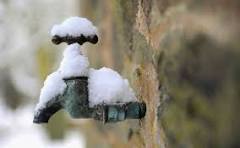
Winter can bring beautiful snow-covered landscapes, cozy nights by the fire, and—unfortunately—costly home repairs if you’re not prepared. One of the most common and preventable winter issues homeowners face is frozen outdoor faucets and pipes. When water freezes inside a spigot, it expands and can crack the faucet or even burst the connected pipe. The result? A messy, expensive repair that could have been avoided.

That’s where outdoor faucet covers come in.

What Are Outdoor Faucet Covers?

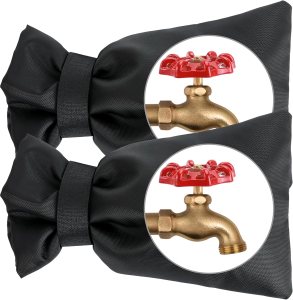
Outdoor faucet covers are simple, affordable protective accessories designed to insulate your outdoor spigots during freezing temperatures. They are typically made from insulated, waterproof materials that help keep cold air away from the faucet and prevent freezing.

The best part? These covers are reusable and designed to fit a variety of spigots, pipes, and hose bibs.

Why You Need Faucet Covers This Winter

1. Prevent Costly Pipe Damage

When a faucet freezes, the expanding ice can crack the faucet or burst the pipe behind it. Repairing a burst pipe can cost hundreds or even thousands of dollars—especially if the damage happens inside your walls or under your home.

A faucet cover is a small investment that can prevent a major expense.

2. Save Time and Stress

Winter plumbing emergencies don’t happen at convenient times. A frozen pipe can mean no water, water damage, and a stressful call to a plumber in the middle of a storm. Faucet covers help you avoid these headaches altogether.

3. Simple Installation

These covers are designed to be easy to install and remove. Most come with a snug fit and secure straps, so you can place them over your outdoor faucets in minutes.

Features to Look For

When choosing outdoor faucet covers, look for these key features:

  • Insulated material: Provides protection against freezing temperatures.
  • Waterproof outer layer: Keeps moisture out and helps prevent ice formation.
  • Reusable design: Durable enough to last multiple winters.
  • Universal fit: Works on a variety of spigots, pipes, and hose bibs.
  • Easy installation: Simple straps or snap closures for quick use.
  • A Small Step for Big Protection

Winter weather is unpredictable, but your home doesn’t have to suffer because of it. Installing outdoor faucet covers is a simple, effective, and affordable way to protect your plumbing and prevent costly damage.

If you’re preparing for winter, make faucet covers part of your seasonal checklist. It’s a small step that offers peace of mind—and helps keep your home safe and secure all season long.

https://amzn.to/4r9AsjS

What You Need to Know About Frost and Protecting Your Garden

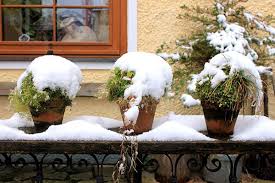
As the seasons change and temperatures start to dip, gardeners everywhere face the same concern: frost. While frost is a natural part of the yearly cycle, it can have a significant impact on your plants if you’re not prepared. Understanding how frost works and taking steps to protect your garden can make the difference between a thriving garden and damaged plants.

What is Frost?

Frost forms when temperatures drop below freezing, causing water vapor in the air to condense and freeze on surfaces. It usually appears on clear, calm nights when the heat from the ground escapes into the sky. Frost can damage leaves, flowers, and fruit, especially tender or newly planted species.

How Frost Affects Plants

  • Tender Vegetables and Herbs: Tomatoes, peppers, basil, and other warm-season crops are highly susceptible to frost.

  • Perennials: Some hardy perennials can tolerate light frost, but heavy frost can damage leaves and stems.

  • Fruit Trees: Frost during blooming can harm flowers, reducing fruit yield.

  • Tips to Protect Your Garden from Frost

  1. Know Your Frost Dates
    Check your local frost calendar to understand the average first and last frost dates in your area. This helps you plan planting and harvest schedules.

  2. Cover Your Plants
    Use row covers, garden blankets, or even old sheets to protect tender plants overnight. Be sure to remove covers in the morning to prevent overheating.

  3. Water Wisely
    Moist soil holds heat better than dry soil, so watering your garden in the afternoon before a frost can help protect roots.

  4. Move Potted Plants
    Bring container plants indoors or place them in a protected area like a garage or shed during frost nights.

  5. Mulch
    A thick layer of mulch insulates the soil, helping maintain warmer temperatures around plant roots.

  6. Strategic Planting
    Plant tender crops in locations that get maximum sunlight and are protected from cold winds, such as near walls or fences.

When Frost Strikes

If you wake up to frost, act quickly. Remove frost coverings carefully, and if plants are damaged, wait until the temperature warms before pruning frost-bitten leaves. Some plants recover surprisingly well once the sun comes out.

Frost is inevitable in many climates, but with preparation and awareness, you can minimize its impact and keep your garden healthy. By understanding your garden’s vulnerabilities and acting early, you can enjoy the beauty and bounty of your plants, even as the cold sets in.

Composting and Soil Health: Why Winter is the Best Time to Start

Winter often gets a bad rap as the “off-season” for gardeners and farmers. The cold weather makes it seem like the growing season is over, but it’s actually the perfect time to work on improving your soil health—particularly through composting. While your garden might be dormant for the season, your soil doesn’t have to be.

The Importance of Soil Health

Healthy soil is the foundation of a thriving garden or farm. It provides essential nutrients to plants, helps retain moisture, and supports beneficial microorganisms. Improving soil health through composting is an investment that will pay off in abundance when spring planting season rolls around. Composting not only recycles organic waste but also creates a nutrient-rich mixture that will transform your soil into a fertile, thriving environment.

Why Composting in Winter Matters

You may be wondering, “Can you compost in the winter?” The answer is a resounding yes! Winter composting can help you build better soil health for the upcoming season, even when it’s cold outside. Here’s why winter is an ideal time for composting:

1. Decomposition Still Happens—Just Slower

Even in colder temperatures, decomposition continues, albeit at a slower rate. Composting microbes work best in temperatures between 110°F and 160°F, which is warmer than the outside winter air, but as long as the compost pile stays insulated, it can still remain active. Over the winter, the compost will slowly break down, giving you a head start for spring.

2. Winter is a Great Time for Collecting Organic Material

Winter often comes with fewer chores in the garden, which means you can focus more on collecting materials for composting. Collect kitchen scraps like vegetable peels, coffee grounds, and eggshells, as well as yard waste like autumn leaves, grass clippings, and woody stems. If you have access to hay or straw, those can be excellent additions too. Layering these materials will create a balanced compost pile that decomposes more effectively.

3. Less Smell and Fewer Pests

In the warmer months, compost piles can sometimes produce a strong odor and attract pests. However, during winter, the cold helps to minimize these concerns. The composting process remains odorless, and pests like flies, rodents, and raccoons are less likely to be active or attracted to your compost pile.

4. Improved Decomposition Process

Adding to your compost pile during winter ensures that you start the next growing season with nutrient-rich compost already on hand. Additionally, keeping the pile active by turning it occasionally and ensuring that it’s properly insulated will speed up the breakdown of organic material, which means your garden or farm will benefit from the compost much earlier in the year.

How to Compost in Winter

Composting during the winter is very similar to composting year-round, but with a few adjustments. Here are some tips to make your winter composting process even more effective:

1. Insulate Your Pile

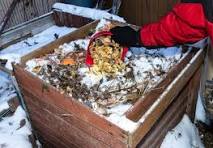
To maintain the heat in the compost pile, make sure it’s properly insulated. You can use materials like hay bales, straw, or even blankets to wrap the pile. Insulation helps retain the heat and prevents the pile from freezing, which would halt the decomposition process. If you’re using a compost bin, ensure it is tightly sealed to trap warmth inside.

2. Layer Your Materials

Just like in the warmer months, it’s essential to create balanced layers in your compost pile—alternating between green (nitrogen-rich) and brown (carbon-rich) materials. Common green materials include kitchen scraps, coffee grounds, and grass clippings, while brown materials include dried leaves, straw, or shredded newspaper. The right balance helps to maintain a productive compost pile throughout the winter.

3. Turn the Pile Regularly

Regularly turning your compost pile ensures that air is circulating, which helps to speed up decomposition. If the pile is insulated well, you may only need to turn it once every few weeks. A compost thermometer can help you gauge whether your pile is staying warm enough for decomposition to continue.

4. Keep Moisture in Check

While moisture is important for the composting process, during the winter months, you don’t want the pile to become too wet and soggy. If it’s snowy or raining frequently, you may need to cover your pile to prevent it from becoming waterlogged. Aim for a moist, but not soggy, consistency.

Benefits of Winter Composting

By the time spring arrives, you’ll be ready to start planting with nutrient-rich, homemade compost that will boost soil fertility and structure. Composting in winter also reduces waste sent to landfills, providing an environmentally friendly solution for organic waste.

In addition, working on your compost pile during the colder months means you’ll have a healthier, more productive garden once the warmer weather hits. Your garden will appreciate the extra love and care you gave it in the off-season.

Winter might not seem like the obvious time to focus on your soil health, but composting during this time ensures your garden is well-prepared for the coming growing season. The extra attention you give your compost pile now will lead to better soil, healthier plants, and a more fruitful harvest later on. So, grab your gloves, get started, and let your composting efforts shine through the chill of winter—your garden will thank you come spring!

Stay Warm and Safe This Winter with a Space Heater

Winter chills don’t stand a chance when you have the right space heater, and the Dreo Space Heater is designed to deliver powerful warmth safely and efficiently.

Fast, Far-Reaching Heat

Equipped with Dreo’s Hyperamics 1500W advanced PTC system and a new heat funnel design, this heater warms up your space within seconds. Its optimized airflow enhances warm air circulation, reaching up to 200% farther than traditional heaters, so even larger rooms stay cozy and comfortable.

Built for Safety

Safety is a top priority in any home, and the Dreo heater goes above and beyond. Features include:

  • Tilt-detection sensor for tip-over protection
  • Overheat protection to prevent accidents
  • V0 flame-retardant materials and a certified safety plug (ETL-certified)

These features provide peace of mind, making it ideal for families, pets, and busy households.

Compact and Convenient

Despite its powerful performance, the Dreo heater is compact enough to fit anywhere—perfect for bedrooms, offices, or living rooms. It combines sleek design with functional warmth, making it a stylish addition to any space.

The Dreo Space Heater is more than just a winter essential—it’s a reliable and efficient solution for keeping every corner of your home warm. With fast heat, extended reach, and advanced safety features, it’s the perfect companion for cold days and nights.

https://amzn.to/4oIrQj6

Protecting Your Plants from Winter’s Chill: Essential Tips for Cold Weather Care

As temperatures drop, your garden needs extra protection to survive the harsh winter weather. Cold temperatures, frost, and snow can be damaging to plants, especially those that are not frost-tolerant. Fortunately, there are several steps you can take to help your plants weather the cold. Here are some essential tips for protecting your plants during the colder months:

1. Water Before a Freeze

Watering your plants ahead of a freeze is an important step in protecting them from winter damage. When the soil is moist, it holds more heat than dry soil, which can help moderate temperature fluctuations around the roots. Make sure to thoroughly water your garden beds before a freeze, but avoid overwatering. The moisture helps prevent the plant cells from freezing, giving them a better chance to survive extreme cold.

Be mindful of the time of day when watering. It’s best to water in the morning to allow the moisture to soak in and have time to be absorbed before temperatures drop significantly in the evening.

2. Add Mulch for Insulation

Mulching is a simple yet effective way to protect your plants’ roots during the winter. A thick layer of mulch, such as straw, wood chips, or leaves, helps insulate the soil and keep the root system at a more stable temperature. Mulch helps prevent the soil from freezing and thawing rapidly, which can stress plants and lead to frost heaving (when the roots are lifted out of the ground due to expansion from freezing and thawing).

Add mulch around the base of your plants, particularly perennials, shrubs, and trees, to provide them with an extra layer of protection. For best results, aim for 2 to 4 inches of mulch, but be careful not to pile it directly against the stems or trunks of plants to avoid moisture build-up, which could lead to rot.

3. Cover Garden Beds for Extra Protection

Covering garden beds is one of the best ways to shield your plants from the cold. Use materials such as plastic sheeting, frost blankets, or old sheets to cover the plants in your garden. These coverings trap heat and moisture, creating a mini-greenhouse effect that helps protect plants from freezing temperatures.

When covering garden beds, make sure the material is secure to avoid blowing away in the wind. If using plastic, create a tent-like structure over your plants to ensure adequate airflow. Avoid allowing the plastic to come into direct contact with the plants, as this can cause frost burn.

If you’re using a fabric covering, ensure it is designed for frost protection and allows light and moisture to penetrate while still shielding your plants from cold air.

4. Protect Container Plants

Potted plants are especially vulnerable to the cold, as their roots are more exposed than those planted in the ground. To help them survive freezing temperatures, bring potted plants closer to the foundation of your house or place them under eaves where the temperature tends to be warmer. The heat retained by the house will provide a more stable environment for your plants.

If bringing plants indoors is not an option, cover your container plants with frost cloth or heat-retentive blankets. These materials help shield the plants from the cold while maintaining warmth around the roots. You can also wrap the pots themselves in burlap or bubble wrap to help insulate them from the cold.

Winter can be a tough time for plants, but with the right precautions, you can ensure that your garden remains healthy and vibrant despite the cold. By watering properly, mulching, covering garden beds, and protecting container plants, you’re giving your garden the best chance to survive the winter months and thrive in the spring.

Composting and Soil Health: Why Winter is the Best Time to Start

Winter often gets a bad rap as the “off-season” for gardeners and farmers. The cold weather makes it seem like the growing season is over, but it’s actually the perfect time to work on improving your soil health—particularly through composting. While your garden might be dormant for the season, your soil doesn’t have to be.

The Importance of Soil Health

Healthy soil is the foundation of a thriving garden or farm. It provides essential nutrients to plants, helps retain moisture, and supports beneficial microorganisms. Improving soil health through composting is an investment that will pay off in abundance when spring planting season rolls around. Composting not only recycles organic waste but also creates a nutrient-rich mixture that will transform your soil into a fertile, thriving environment.

Why Composting in Winter Matters

You may be wondering, “Can you compost in the winter?” The answer is a resounding yes! Winter composting can help you build better soil health for the upcoming season, even when it’s cold outside. Here’s why winter is an ideal time for composting:

1. Decomposition Still Happens—Just Slower

Even in colder temperatures, decomposition continues, albeit at a slower rate. Composting microbes work best in temperatures between 110°F and 160°F, which is warmer than the outside winter air, but as long as the compost pile stays insulated, it can still remain active. Over the winter, the compost will slowly break down, giving you a head start for spring.

2. Winter is a Great Time for Collecting Organic Material

Winter often comes with fewer chores in the garden, which means you can focus more on collecting materials for composting. Collect kitchen scraps like vegetable peels, coffee grounds, and eggshells, as well as yard waste like autumn leaves, grass clippings, and woody stems. If you have access to hay or straw, those can be excellent additions too. Layering these materials will create a balanced compost pile that decomposes more effectively.

3. Less Smell and Fewer Pests

In the warmer months, compost piles can sometimes produce a strong odor and attract pests. However, during winter, the cold helps to minimize these concerns. The composting process remains odorless, and pests like flies, rodents, and raccoons are less likely to be active or attracted to your compost pile.

4. Improved Decomposition Process

Adding to your compost pile during winter ensures that you start the next growing season with nutrient-rich compost already on hand. Additionally, keeping the pile active by turning it occasionally and ensuring that it’s properly insulated will speed up the breakdown of organic material, which means your garden or farm will benefit from the compost much earlier in the year.

How to Compost in Winter

Composting during the winter is very similar to composting year-round, but with a few adjustments. Here are some tips to make your winter composting process even more effective:

1. Insulate Your Pile

To maintain the heat in the compost pile, make sure it’s properly insulated. You can use materials like hay bales, straw, or even blankets to wrap the pile. Insulation helps retain the heat and prevents the pile from freezing, which would halt the decomposition process. If you’re using a compost bin, ensure it is tightly sealed to trap warmth inside.

2. Layer Your Materials

Just like in the warmer months, it’s essential to create balanced layers in your compost pile—alternating between green (nitrogen-rich) and brown (carbon-rich) materials. Common green materials include kitchen scraps, coffee grounds, and grass clippings, while brown materials include dried leaves, straw, or shredded newspaper. The right balance helps to maintain a productive compost pile throughout the winter.

3. Turn the Pile Regularly

Regularly turning your compost pile ensures that air is circulating, which helps to speed up decomposition. If the pile is insulated well, you may only need to turn it once every few weeks. A compost thermometer can help you gauge whether your pile is staying warm enough for decomposition to continue.

4. Keep Moisture in Check

While moisture is important for the composting process, during the winter months, you don’t want the pile to become too wet and soggy. If it’s snowy or raining frequently, you may need to cover your pile to prevent it from becoming waterlogged. Aim for a moist, but not soggy, consistency.

Benefits of Winter Composting

By the time spring arrives, you’ll be ready to start planting with nutrient-rich, homemade compost that will boost soil fertility and structure. Composting in winter also reduces waste sent to landfills, providing an environmentally friendly solution for organic waste.

In addition, working on your compost pile during the colder months means you’ll have a healthier, more productive garden once the warmer weather hits. Your garden will appreciate the extra love and care you gave it in the off-season.

Winter might not seem like the obvious time to focus on your soil health, but composting during this time ensures your garden is well-prepared for the coming growing season. The extra attention you give your compost pile now will lead to better soil, healthier plants, and a more fruitful harvest later on. So, grab your gloves, get started, and let your composting efforts shine through the chill of winter—your garden will thank you come spring!