The Oil Spray Bottle: A Small Kitchen Tool That Makes a Big Difference

Sometimes the simplest tools in the kitchen end up making the biggest impact. An oil spray bottle is one of those quiet upgrades that can completely change the way you cook and organize your kitchen.

At first glance, it doesn’t seem like much—just a container for oil. But once you start using it, you realize how much control, efficiency, and convenience it adds to everyday cooking.

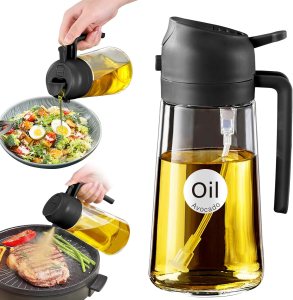
Spray or Pour: Total Control in One Tool

One of the best features of an oil spray bottle is its flexibility. Instead of being locked into one way of using oil, you can choose what fits the moment.

  • Need a light coat for a pan? Spray it.
  • Making a salad dressing? Pour it.
  • Roasting vegetables? Even misting is perfect.
  • Grilling or air frying? Quick, even coverage.

That kind of control helps you use less oil when you want to and more when you need to—without switching containers or making a mess.

A Healthier Way to Cook

When oil is poured straight from a bottle, it’s easy to use more than intended. A spray bottle helps you distribute oil more evenly, which often leads to:

  • Less waste
  • More balanced cooking
  • Lighter meals without sacrificing flavor

It’s a small shift that can support healthier eating habits without feeling restrictive.

Keeps Your Kitchen Cleaner and More Organized

Traditional oil bottles can be messy—drips on counters, sticky lids, and greasy hands.

An oil spray bottle helps eliminate that by:

  • Reducing spills and drips
  • Keeping countertops cleaner
  • Consolidating multiple oil uses into one container

Instead of juggling different bottles for cooking tasks, you have one simple tool that does it all.

Perfect for Everyday Cooking Tasks

This isn’t just a niche gadget—it fits into almost every type of cooking:

  • Salads: Evenly coat greens without drowning them
  • Griddles & pans: Light, consistent coverage
  • Oven roasting: Helps crisp vegetables evenly
  • Air frying: Prevents sticking without excess oil
  • Grilling: Quick application without flare-ups

Once you start using it, it quickly becomes a go-to kitchen item.

A Small Upgrade With Daily Impact

Kitchen tools don’t have to be complicated to be useful. The oil spray bottle is a great example of how a simple change can improve everyday routines.

It saves time.
It reduces mess.
It gives you control.

And over time, those small improvements add up to a smoother, more enjoyable cooking experience.

Cooking is all about flow—moving efficiently from prep to plate without unnecessary friction.

An oil spray bottle helps remove one of those small friction points.

It’s not flashy. It’s not complicated. But it makes your kitchen more efficient, more organized, and a little easier to enjoy every single day.


https://amzn.to/4tOSUjx

Why a Collapsible Trash Can Is a Smart Tool for Camping and Home Organization

When you spend time outdoors or work to keep your home organized, having the right tools can make everyday tasks much easier. One simple item that many people overlook is a collapsible trash can. While it may seem like a small accessory, it can be surprisingly useful in a variety of situations.

One of the most common uses for a collapsible trash can is during camping trips. When you’re enjoying the outdoors, the last thing you want is trash scattered around your campsite. A portable trash can allows you to place a trash bag inside and collect waste in one convenient location. When the bag is full, you can easily remove it and dispose of the trash properly. It helps keep your campsite clean and makes cleanup quick and simple.

Another benefit is its foldable design. Traditional trash cans can take up a lot of space, especially when packing for a trip. A collapsible version folds down flat, making it easy to store in the trunk of your car, a camper, or an RV. When you arrive at your destination, it pops open and is ready to use.

Beyond camping, this type of container is also helpful at outdoor gatherings or backyard parties. Instead of guests searching for where to throw things away, you can place the trash can in a convenient spot so everyone can easily keep the area tidy.

At home, the versatility of a collapsible container really stands out. It can be used to store children’s toys like balls or outdoor play equipment. It can also work as a temporary laundry basket, helping you move clothes between rooms.

Many people also use these containers in garages or storage areas. Tools, sports equipment, and miscellaneous items can quickly create clutter. A collapsible storage basket provides an easy way to organize these items while still allowing you to fold it away when it’s not needed.

The beauty of a collapsible trash can is its flexibility. One container can serve multiple purposes depending on your needs. Whether you’re camping, hosting a gathering, organizing your garage, or simply trying to keep things tidy, this simple tool helps make life a little more organized.

Sometimes the most useful items are the ones that solve several problems at once, and a collapsible trash can is a perfect example of that.

https://amzn.to/41fAifX

The upgraded large capacity 22 x 28.3 inches (Dia. x H) pop up trash can is taller than normal cans, which is a good helper for yard & lawn cleaning to collect leaves, grass and branches from spring to winter; The garden bag has a flexible yet hard spiral spring spine to automatically pop up

A Simple Tool to Help You Water Your Plants the Right Way

One of the most common challenges for gardeners and plant lovers is knowing when to water their plants. Too much water can damage roots, while too little can cause plants to dry out and struggle to grow. Finding the right balance can sometimes feel like guesswork.

That’s where a soil moisture meter can make a big difference.

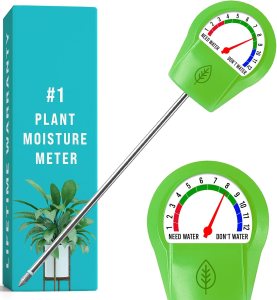
A soil moisture meter is a simple tool designed to help you understand exactly how much moisture is in your soil. Instead of sticking your finger in the dirt and trying to guess if your plant needs water, you can insert the probe of the meter directly into the soil and get an instant reading.

Using it is incredibly easy. The meter typically has a long probe that you gently insert into the soil near your plant’s roots. Within seconds, the gauge will show the moisture level of the soil. This quick reading helps you determine whether the plant needs watering or if the soil still has enough moisture.

One of the best things about many soil moisture meters is their simplicity. Many models are analog, meaning they do not require batteries. This makes them convenient and reliable, since you don’t have to worry about charging or replacing batteries.

The probe length also helps you get readings below the surface of the soil, where the roots are actually drawing water. This provides a more accurate understanding of the plant’s environment and helps prevent the two most common plant care mistakes: overwatering and underwatering.

Proper soil moisture plays a key role in healthy plant growth. When plants receive the right amount of water, they develop stronger roots, healthier leaves, and better overall growth. A moisture meter helps remove the guesswork so you can confidently care for your plants.

Whether you’re growing houseplants, container gardens, or outdoor plants, this small tool can become a helpful part of your gardening routine.

Sometimes the simplest tools are the ones that make the biggest difference, and a soil moisture meter is a great example of how a small device can help your plants thrive.

https://amzn.to/4cTOXok

Plant Moisture Meter – Accurately Tells You When to Water Your Plants – 26cm, No Battery Needed

Stay Organized in the Garden with Cleangor’s Plant Labeling Kit

Gardening can be incredibly rewarding, but it can also get messy—literally. Between seeds, seedlings, vegetables, and flowers, it’s easy to forget what you planted where. That’s where a good labeling system makes all the difference.

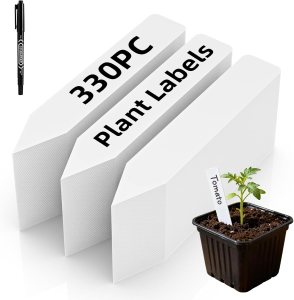
Cleangor’s 330-piece plant labeling kit is designed to help gardeners stay organized and make tracking plants simple and efficient. The kit includes durable, weatherproof PVC labels and a bonus permanent marker, giving you everything you need to clearly mark your plants and track their growth.

The labels are made from flexible, high-quality PVC, which means they won’t rot like wood or rust like metal. They’re waterproof, sun-resistant, and designed to last season after season. The smooth edges make them safe to handle, and the dual-tip marker writes clearly, so your plant names and dates won’t fade in sunlight or wash away in the rain.

Using the labels is quick and easy. Simply write your plant’s name or planting date on the label, insert the pointed end into the soil, and track growth on both sides. These labels are reusable, making them a smart solution for multiple planting cycles and different garden projects.

Versatile in use, these labels are perfect for home gardens, greenhouses, container gardens, and even experimental pots. They help you clearly identify plant varieties and growth stages, making your garden more efficient and enjoyable.

Beyond functionality, the clean white labels add a professional, neat look to any garden, creating an organized oasis you can be proud of. They also make a thoughtful gift for fellow gardeners, combining practicality with a touch of style.

With Cleangor’s plant labeling kit, you’ll no longer have to guess what’s growing where. Your garden becomes a well-organized, easy-to-manage space where every seed, seedling, and flower has its place. Whether you’re a seasoned gardener or just starting out, this kit is a simple tool that brings clarity, order, and efficiency to your gardening routine.

Your plants will thrive, and your garden will stay beautifully organized, season after season.

https://amzn.to/40YtX

Simple Tips for Better Sourdough Breadmaking

Sourdough breadmaking can feel intimidating at first, but it doesn’t have to be complicated. At its core, sourdough is about patience, observation, and a few consistent habits. With some simple tips, you can improve your results and enjoy the process along the way.

Start With a Healthy Starter

Your starter is the foundation of good sourdough. A healthy starter should be bubbly, active, and reliably double in size a few hours after feeding. If your bread isn’t rising well or tastes overly sour, the starter is often the culprit.

Feed it regularly, use it when it’s at its peak, and don’t rush it. A strong starter makes everything else easier.

Measure Ingredients Carefully

Sourdough is more forgiving than it seems, but consistency matters. Using a kitchen scale instead of measuring cups helps ensure accurate ratios of flour, water, and salt. Small differences can affect texture, hydration, and fermentation, especially as you learn what works best in your kitchen.

Pay Attention to Dough, Not the Clock

Fermentation times vary based on temperature, humidity, and starter strength. Instead of strictly following the clock, watch the dough. Look for signs like increased volume, bubbles on the surface, and a slightly domed shape.

Learning to read the dough is one of the most valuable skills in sourdough baking.

Keep It Simple

It’s tempting to try complex recipes, fancy scoring patterns, or multiple add-ins right away. In the beginning, focus on mastering a basic loaf. Simple flour, water, salt, and starter will teach you more than any complicated recipe.

Once you’re confident with the basics, experimenting becomes much more enjoyable.

Don’t Skip Proper Shaping

Good shaping creates surface tension, which helps the loaf rise and hold its structure in the oven. Take your time during shaping, even if the dough feels sticky or soft. A well-shaped loaf often bakes up taller with a better crumb.

Preheat Your Oven Thoroughly

A hot oven is essential for oven spring. Whether you’re using a Dutch oven or baking stone, give it plenty of time to preheat. Steam during the early part of baking also helps the loaf expand and develop a crisp crust.

Embrace Imperfection

Not every loaf will be perfect—and that’s okay. Dense crumbs, uneven scoring, or flatter loaves are all part of the learning process. Each bake teaches you something new, and even the “mistakes” are usually still delicious.

Great sourdough doesn’t come from complexity; it comes from consistency. A healthy starter, careful observation, and a willingness to learn will take you further than any advanced technique.

Keep it simple, be patient, and enjoy the process—because sourdough baking is just as much about the journey as the loaf itself.

Spritz Cookies: A Timeless Holiday Tradition

The holiday season is a time of joy, laughter, and of course, delicious treats. Among the myriad of festive confections, one particular delight stands out – the spritz cookie. With its delicate buttery flavor and distinctive shapes, spritz cookies have been gracing holiday tables for generations.

The History of Spritz Cookies:
The origins of spritz cookies can be traced back to Germany, where they are known as “Spritzgebäck.” The word “spritz” comes from the German verb “spritzen,” which means “to squirt” or “to spray.” The name aptly describes the technique of using a cookie press to create intricate shapes by extruding the dough onto the baking sheet. This German culinary gem gradually made its way into Scandinavian and American kitchens, becoming a cherished part of holiday celebrations.

Ingredients and Preparation:
The magic of spritz cookies lies in their simple yet high-quality ingredients. Flour, sugar, butter, and vanilla extract form the base of the dough, creating a rich and buttery flavor that melts in your mouth. Almond extract is often added to enhance the taste, providing a subtle nuttiness that elevates the cookie’s profile.

The dough is mixed to a smooth consistency, and the key to achieving the perfect spritz cookie lies in its texture. It should be pliable enough to pass through the cookie press easily, yet firm enough to hold its intricate shape during baking.

The Cookie Press: A Spritz Cookie Essential:
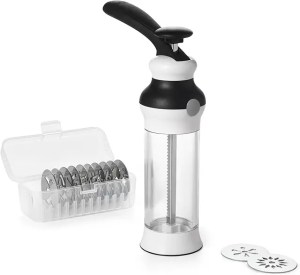
No discussion about spritz cookies is complete without mentioning the indispensable tool – the cookie press. This handheld device allows bakers to create an array of shapes, from classic swirls to festive holiday symbols. The press enables precise control over the dough, ensuring that each cookie is a work of art.

Baking and Decorating:
Once the dough is prepared and loaded into the cookie press, the fun part begins – shaping the cookies. The pressed dough is carefully arranged on a baking sheet, and after a short time in the oven, the kitchen is filled with the irresistible aroma of butter and vanilla. After baking, the cookies can be left as is or adorned with a sprinkle of colored sugar, chopped nuts, or a drizzle of chocolate.

Sharing the Tradition:
Spritz cookies are not just a delightful treat; they are also a symbol of togetherness and tradition. Baking and decorating spritz cookies with family and friends create lasting memories that are as sweet as the cookies themselves. Whether passed down through generations or started as a new family tradition, the act of making spritz cookies is a joyful celebration of the holiday spirit.

As the holiday season approaches, consider adding the time-honored tradition of baking spritz cookies to your festivities. With their rich history, delightful flavors, and endless possibilities for creativity, spritz cookies are sure to bring warmth and cheer to your home. Embrace the joy of baking and sharing these classic treats, and create your own delicious memories to cherish for years to come.

https://preppykitchen.com/spritz-cookies/

https://amzn.to/4ae3vO8


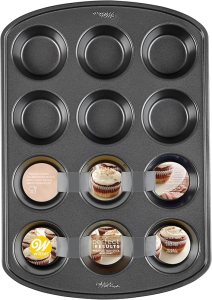
How to Make Perfect Brownies Using Muffin Tins: Crispy Edges, Chewy Centers

If you love brownies (who doesn’t?), but you’re tired of waiting for that large baking pan to cool before slicing, here’s a fun and easy solution: muffin tins! Yes, you can make individual brownie portions in muffin tins, and the results? Well, they’re nothing short of perfect.

Why Muffin Tins?

Muffin tins give you individual brownies that are perfectly portioned, and they bake faster than a full pan. But the best part is the texture. The batter’s exposure to the muffin tin’s edges creates that sought-after contrast between crispy, crunchy edges and a chewy, fudgy center. It’s a win-win!

What You’ll Need:

– Your favorite brownie recipe (or a box mix if you’re in a hurry)
– Muffin tin (standard size)
– Non-stick spray or cupcake liners
– An oven preheated to 350°F

The Magic Numbers: 350°F for 20 Minutes

Here’s where the magic happens. Preheat your oven to 350°F, then scoop your brownie batter into the muffin tins, filling each cup about 2/3 full. The key to getting that perfect crispy edge with a chewy center is baking for about **20 minutes**. This will give you the right balance of texture. You’ll know they’re done when a toothpick inserted into the center comes out with just a few moist crumbs.

The Best of Both Worlds: Crispy Edges, Chewy Centers

One of the main reasons muffin tin brownies are so popular is because they offer two types of brownie textures in every bite. The edges crisp up thanks to their exposure to the hot muffin tin, while the centers stay perfectly soft and chewy. It’s like getting the best of both worlds—what could be better?

Tips for Extra Fudgy Brownies:

1. Use a high-quality cocoa powder or melt some chocolate into your batter for a richer flavor.
2. Don’t overmix the batter, as that can make your brownies cakier.
3. Let them cool in the tin for a few minutes before transferring them to a cooling rack—this helps them hold their shape.

The beauty of this method is that you don’t need to be a professional baker to get a perfect batch of brownies. Whether you’re craving a quick treat for yourself or impressing guests with a fun, individual serving, muffin tins make brownie baking a breeze. Crispy edges, chewy centers, and all the chocolatey goodness in between. What’s not to love?

Happy baking!

https://amzn.to/3LGnkmT

https://amzn.to/3WV2zX2

What You Need to Know About Frost and Protecting Your Garden

As the seasons change and temperatures start to dip, gardeners everywhere face the same concern: frost. While frost is a natural part of the yearly cycle, it can have a significant impact on your plants if you’re not prepared. Understanding how frost works and taking steps to protect your garden can make the difference between a thriving garden and damaged plants.

What is Frost?

Frost forms when temperatures drop below freezing, causing water vapor in the air to condense and freeze on surfaces. It usually appears on clear, calm nights when the heat from the ground escapes into the sky. Frost can damage leaves, flowers, and fruit, especially tender or newly planted species.

How Frost Affects Plants

  • Tender Vegetables and Herbs: Tomatoes, peppers, basil, and other warm-season crops are highly susceptible to frost.

  • Perennials: Some hardy perennials can tolerate light frost, but heavy frost can damage leaves and stems.

  • Fruit Trees: Frost during blooming can harm flowers, reducing fruit yield.

  • Tips to Protect Your Garden from Frost

  1. Know Your Frost Dates
    Check your local frost calendar to understand the average first and last frost dates in your area. This helps you plan planting and harvest schedules.

  2. Cover Your Plants
    Use row covers, garden blankets, or even old sheets to protect tender plants overnight. Be sure to remove covers in the morning to prevent overheating.

  3. Water Wisely
    Moist soil holds heat better than dry soil, so watering your garden in the afternoon before a frost can help protect roots.

  4. Move Potted Plants
    Bring container plants indoors or place them in a protected area like a garage or shed during frost nights.

  5. Mulch
    A thick layer of mulch insulates the soil, helping maintain warmer temperatures around plant roots.

  6. Strategic Planting
    Plant tender crops in locations that get maximum sunlight and are protected from cold winds, such as near walls or fences.

When Frost Strikes

If you wake up to frost, act quickly. Remove frost coverings carefully, and if plants are damaged, wait until the temperature warms before pruning frost-bitten leaves. Some plants recover surprisingly well once the sun comes out.

Frost is inevitable in many climates, but with preparation and awareness, you can minimize its impact and keep your garden healthy. By understanding your garden’s vulnerabilities and acting early, you can enjoy the beauty and bounty of your plants, even as the cold sets in.

Farewell to a Classic: The Farmer’s Almanac Publishes Its Final Edition

After more than two centuries of weather forecasts, gardening tips, and time-honored advice, the Farmer’s Almanac is closing a chapter in its long history. The 2026 edition will be the publication’s last, ending a remarkable 208-year run that has touched generations of readers.

Since its first issue in 1818, the Almanac has been more than just a guide—it’s been a companion for households across the country. Families have consulted it for planting schedules, fishing trips, and even life milestones, following its guidance based on sunspots, lunar cycles, and planetary positions. Its pages offered a mix of practical tips, trivia, jokes, and even natural remedies, creating a charming blend of wisdom and entertainment.

The final 2026 edition promises a “wild ride” for winter 2025-2026, predicting dramatic swings in weather, including cold spells, snow, and repeated chill cycles, especially across the Northern Plains to New England. The cover reflects the Almanac’s broad readership, featuring both a classic farmhouse and a cityscape to appeal to urban and rural readers alike.

While the Farmer’s Almanac closes its doors, its legacy will live on in the memories of those who grew up reading it and in the countless ways it guided people through seasons and life events. Fortunately, fans of time-tested wisdom and practical guidance still have the Old Farmer’s Almanac, which continues to publish annually, offering gardening advice, seasonal forecasts, and folklore with modern tools and digital resources.

The end of the Farmer’s Almanac reminds us of the enduring value of trusted, time-tested guidance. Even in a rapidly changing world, its spirit of curiosity, practical knowledge, and connection to nature will continue to inspire those who cherish its legacy.

https://amzn.to/3JNuTHM

A Fond Farewell