The Oil Spray Bottle: A Small Kitchen Tool That Makes a Big Difference

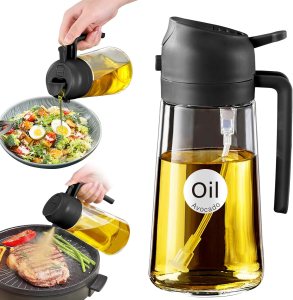
Sometimes the simplest tools in the kitchen end up making the biggest impact. An oil spray bottle is one of those quiet upgrades that can completely change the way you cook and organize your kitchen.

At first glance, it doesn’t seem like much—just a container for oil. But once you start using it, you realize how much control, efficiency, and convenience it adds to everyday cooking.

Spray or Pour: Total Control in One Tool

One of the best features of an oil spray bottle is its flexibility. Instead of being locked into one way of using oil, you can choose what fits the moment.

  • Need a light coat for a pan? Spray it.
  • Making a salad dressing? Pour it.
  • Roasting vegetables? Even misting is perfect.
  • Grilling or air frying? Quick, even coverage.

That kind of control helps you use less oil when you want to and more when you need to—without switching containers or making a mess.

A Healthier Way to Cook

When oil is poured straight from a bottle, it’s easy to use more than intended. A spray bottle helps you distribute oil more evenly, which often leads to:

  • Less waste
  • More balanced cooking
  • Lighter meals without sacrificing flavor

It’s a small shift that can support healthier eating habits without feeling restrictive.

Keeps Your Kitchen Cleaner and More Organized

Traditional oil bottles can be messy—drips on counters, sticky lids, and greasy hands.

An oil spray bottle helps eliminate that by:

  • Reducing spills and drips
  • Keeping countertops cleaner
  • Consolidating multiple oil uses into one container

Instead of juggling different bottles for cooking tasks, you have one simple tool that does it all.

Perfect for Everyday Cooking Tasks

This isn’t just a niche gadget—it fits into almost every type of cooking:

  • Salads: Evenly coat greens without drowning them
  • Griddles & pans: Light, consistent coverage
  • Oven roasting: Helps crisp vegetables evenly
  • Air frying: Prevents sticking without excess oil
  • Grilling: Quick application without flare-ups

Once you start using it, it quickly becomes a go-to kitchen item.

A Small Upgrade With Daily Impact

Kitchen tools don’t have to be complicated to be useful. The oil spray bottle is a great example of how a simple change can improve everyday routines.

It saves time.
It reduces mess.
It gives you control.

And over time, those small improvements add up to a smoother, more enjoyable cooking experience.

Cooking is all about flow—moving efficiently from prep to plate without unnecessary friction.

An oil spray bottle helps remove one of those small friction points.

It’s not flashy. It’s not complicated. But it makes your kitchen more efficient, more organized, and a little easier to enjoy every single day.

https://amzn.to/4tOSUjx

Protect Your Home This Winter: Why Outdoor Faucet Covers Are a Must-Have

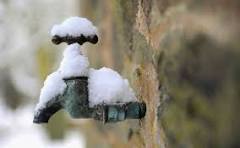
Winter can bring beautiful snow-covered landscapes, cozy nights by the fire, and—unfortunately—costly home repairs if you’re not prepared. One of the most common and preventable winter issues homeowners face is frozen outdoor faucets and pipes. When water freezes inside a spigot, it expands and can crack the faucet or even burst the connected pipe. The result? A messy, expensive repair that could have been avoided.

That’s where outdoor faucet covers come in.

What Are Outdoor Faucet Covers?

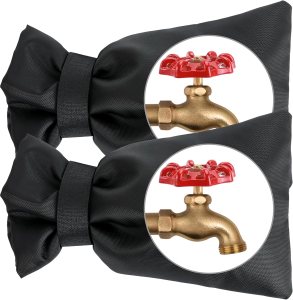
Outdoor faucet covers are simple, affordable protective accessories designed to insulate your outdoor spigots during freezing temperatures. They are typically made from insulated, waterproof materials that help keep cold air away from the faucet and prevent freezing.

The best part? These covers are reusable and designed to fit a variety of spigots, pipes, and hose bibs.

Why You Need Faucet Covers This Winter

1. Prevent Costly Pipe Damage

When a faucet freezes, the expanding ice can crack the faucet or burst the pipe behind it. Repairing a burst pipe can cost hundreds or even thousands of dollars—especially if the damage happens inside your walls or under your home.

A faucet cover is a small investment that can prevent a major expense.

2. Save Time and Stress

Winter plumbing emergencies don’t happen at convenient times. A frozen pipe can mean no water, water damage, and a stressful call to a plumber in the middle of a storm. Faucet covers help you avoid these headaches altogether.

3. Simple Installation

These covers are designed to be easy to install and remove. Most come with a snug fit and secure straps, so you can place them over your outdoor faucets in minutes.

Features to Look For

When choosing outdoor faucet covers, look for these key features:

  • Insulated material: Provides protection against freezing temperatures.
  • Waterproof outer layer: Keeps moisture out and helps prevent ice formation.
  • Reusable design: Durable enough to last multiple winters.
  • Universal fit: Works on a variety of spigots, pipes, and hose bibs.
  • Easy installation: Simple straps or snap closures for quick use.
  • A Small Step for Big Protection

Winter weather is unpredictable, but your home doesn’t have to suffer because of it. Installing outdoor faucet covers is a simple, effective, and affordable way to protect your plumbing and prevent costly damage.

If you’re preparing for winter, make faucet covers part of your seasonal checklist. It’s a small step that offers peace of mind—and helps keep your home safe and secure all season long.

https://amzn.to/4r9AsjS

Breathe Easier: 3 Air-Purifying Plants Perfect for Your Home

Indoor plants do more than brighten your space—they can also help clean the air you breathe. According to the NASA Clean Air Study and air quality experts, some houseplants are particularly effective at removing harmful toxins like formaldehyde, benzene, and carbon monoxide. Here are three of the most effective air-purifying plants for your home:

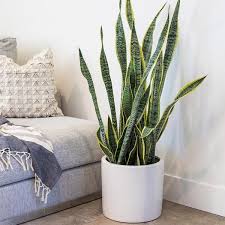
1. Snake Plant (Sansevieria)

  • Removes: Formaldehyde, benzene, nitrogen oxides
  • Best for: Beginners, bedrooms, low-light areas
  • Pet-safe: No (toxic if ingested)
  • Maintenance: Very low—water every 2-3 weeks

The snake plant is nearly indestructible and thrives in low-light conditions. It’s perfect for adding greenery to your bedroom or office while quietly cleaning the air.

2. Spider Plant (Chlorophytum comosum)

  • Removes: Formaldehyde, carbon monoxide
  • Best for: Families with pets, hanging displays
  • Pet-safe: Yes
  • Maintenance: Low—water weekly

Spider plants are not only safe for pets, but their long, arching leaves make them ideal for hanging baskets or shelves. They’re excellent at absorbing indoor pollutants and require minimal care.

3. Peace Lily (Spathiphyllum)

  • Removes: Ammonia, benzene, trichloroethylene
  • Best for: Bathrooms, offices, medium light
  • Pet-safe: No (toxic if ingested)
  • Maintenance: Medium—keep soil consistently moist

Peace lilies are elegant and efficient, purifying the air while adding a touch of style to your space. Just be mindful to keep them out of reach of pets.

Adding air-purifying plants to your home is a simple, natural way to improve indoor air quality and bring life to your space. Whether you’re a beginner looking for low-maintenance options or want a statement plant with high air-cleaning power, snake plants, spider plants, and peace lilies are some of the best choices you can make.

https://amzn.to/482PuA9

https://filterbuy.com/resources/health-and-wellness/air-purifying-plants/

Composting and Soil Health: Why Winter is the Best Time to Start

Winter often gets a bad rap as the “off-season” for gardeners and farmers. The cold weather makes it seem like the growing season is over, but it’s actually the perfect time to work on improving your soil health—particularly through composting. While your garden might be dormant for the season, your soil doesn’t have to be.

The Importance of Soil Health

Healthy soil is the foundation of a thriving garden or farm. It provides essential nutrients to plants, helps retain moisture, and supports beneficial microorganisms. Improving soil health through composting is an investment that will pay off in abundance when spring planting season rolls around. Composting not only recycles organic waste but also creates a nutrient-rich mixture that will transform your soil into a fertile, thriving environment.

Why Composting in Winter Matters

You may be wondering, “Can you compost in the winter?” The answer is a resounding yes! Winter composting can help you build better soil health for the upcoming season, even when it’s cold outside. Here’s why winter is an ideal time for composting:

1. Decomposition Still Happens—Just Slower

Even in colder temperatures, decomposition continues, albeit at a slower rate. Composting microbes work best in temperatures between 110°F and 160°F, which is warmer than the outside winter air, but as long as the compost pile stays insulated, it can still remain active. Over the winter, the compost will slowly break down, giving you a head start for spring.

2. Winter is a Great Time for Collecting Organic Material

Winter often comes with fewer chores in the garden, which means you can focus more on collecting materials for composting. Collect kitchen scraps like vegetable peels, coffee grounds, and eggshells, as well as yard waste like autumn leaves, grass clippings, and woody stems. If you have access to hay or straw, those can be excellent additions too. Layering these materials will create a balanced compost pile that decomposes more effectively.

3. Less Smell and Fewer Pests

In the warmer months, compost piles can sometimes produce a strong odor and attract pests. However, during winter, the cold helps to minimize these concerns. The composting process remains odorless, and pests like flies, rodents, and raccoons are less likely to be active or attracted to your compost pile.

4. Improved Decomposition Process

Adding to your compost pile during winter ensures that you start the next growing season with nutrient-rich compost already on hand. Additionally, keeping the pile active by turning it occasionally and ensuring that it’s properly insulated will speed up the breakdown of organic material, which means your garden or farm will benefit from the compost much earlier in the year.

How to Compost in Winter

Composting during the winter is very similar to composting year-round, but with a few adjustments. Here are some tips to make your winter composting process even more effective:

1. Insulate Your Pile

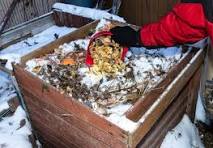
To maintain the heat in the compost pile, make sure it’s properly insulated. You can use materials like hay bales, straw, or even blankets to wrap the pile. Insulation helps retain the heat and prevents the pile from freezing, which would halt the decomposition process. If you’re using a compost bin, ensure it is tightly sealed to trap warmth inside.

2. Layer Your Materials

Just like in the warmer months, it’s essential to create balanced layers in your compost pile—alternating between green (nitrogen-rich) and brown (carbon-rich) materials. Common green materials include kitchen scraps, coffee grounds, and grass clippings, while brown materials include dried leaves, straw, or shredded newspaper. The right balance helps to maintain a productive compost pile throughout the winter.

3. Turn the Pile Regularly

Regularly turning your compost pile ensures that air is circulating, which helps to speed up decomposition. If the pile is insulated well, you may only need to turn it once every few weeks. A compost thermometer can help you gauge whether your pile is staying warm enough for decomposition to continue.

4. Keep Moisture in Check

While moisture is important for the composting process, during the winter months, you don’t want the pile to become too wet and soggy. If it’s snowy or raining frequently, you may need to cover your pile to prevent it from becoming waterlogged. Aim for a moist, but not soggy, consistency.

Benefits of Winter Composting

By the time spring arrives, you’ll be ready to start planting with nutrient-rich, homemade compost that will boost soil fertility and structure. Composting in winter also reduces waste sent to landfills, providing an environmentally friendly solution for organic waste.

In addition, working on your compost pile during the colder months means you’ll have a healthier, more productive garden once the warmer weather hits. Your garden will appreciate the extra love and care you gave it in the off-season.

Winter might not seem like the obvious time to focus on your soil health, but composting during this time ensures your garden is well-prepared for the coming growing season. The extra attention you give your compost pile now will lead to better soil, healthier plants, and a more fruitful harvest later on. So, grab your gloves, get started, and let your composting efforts shine through the chill of winter—your garden will thank you come spring!

Keep Your Yard Clean the Easy Way

Raking leaves every fall can feel like a never-ending chore. Between the dust, allergens, and hours of bending over, it’s no wonder many homeowners dread it. That’s where a leaf sweeper comes in—a simple, efficient, and surprisingly satisfying tool to help you keep your yard clean.

One of the best things about a leaf sweeper is that it’s not powered by gas or batteries. No fumes, no cords, no noise—just a smooth, easy way to gather leaves, pine needles, and grass clippings. You push it across your lawn or driveway, and the rotating brushes collect debris directly into a collection bag.

Leaf sweepers are also low maintenance. Without engines or batteries, there’s nothing to charge, refuel, or repair, and you don’t have to worry about starting problems in the middle of your chore. Simply push, sweep, and empty—done.

Beyond convenience, a leaf sweeper is surprisingly effective. It can cover large areas quickly, reach tight spots along walkways and fences, and save your back from hours of repetitive raking. Plus, it’s perfect for anyone who wants a clean yard without relying on noisy or polluting equipment.

If you’re ready to make leaf cleanup faster, easier, and even enjoyable, a leaf sweeper is a tool worth considering. It’s a small investment that delivers big results—and all without the hassle of gas or battery power.

https://amzn.to/4oEGFmz

Capture Nature in Clay: The Art of Botanical Bas-Relief

There’s something magical about freezing a moment in nature—capturing the delicate curve of a petal, the intricate veins of a leaf, or the subtle texture of a stem. Casting Flowers offers a creative way to do just that, introducing botanical bas-relief as a rewarding art form for beginners and seasoned artists alike.

What is Botanical Bas-Relief?

Botanical bas-relief is a technique where artists create low-relief impressions of flowers and plants in clay and plaster. Unlike flat drawings or pressed flowers, this method preserves the texture, pattern, and delicate details of each plant, turning them into lasting, three-dimensional works of art.

Simple Materials, Stunning Results

All you need is a few basic materials: clay, flowers or plants, and plaster. Even a single stem can be transformed into a beautiful piece, or you can create elaborate compositions reminiscent of a wildflower meadow. The process is forgiving enough for beginners, yet versatile enough to challenge more experienced creators.

Bring Your Pieces to Life

Once your plaster cast is dry, you can leave it bare for an elegant, minimalist look—or add color with paints to breathe life back into the flowers. Each piece becomes a unique celebration of nature, a personal snapshot of its beauty preserved in time.

Why Try It?

  • Creative satisfaction: Even beginners can achieve professional-looking results.

  • Mindful practice: The process encourages observation, patience, and appreciation for natural details.

  • Decorative art: Finished pieces make beautiful, personalized home décor or gifts.

Botanical bas-relief lets you hold a piece of nature in your hands, capturing the essence of flowers and plants in a tangible, artistic way. Whether you leave your casts natural or painted, each creation tells a story of beauty, texture, and delicate artistry.

https://amzn.to/41HbEph

Fall Garden Check-In: Evaluating Your Garden for Next Year

As the growing season winds down, fall is the perfect time to pause and take a good look at your garden. What thrived this year? What didn’t quite make the cut? Doing an honest evaluation now can save you headaches—and help you make better choices—when spring arrives.

1. Reflect on What Worked and What Didn’t

Take note of plants that flourished and those that struggled. Maybe certain flowers bloomed beautifully, while others never took off. Jotting this down now gives you a clear roadmap for next year’s shopping and planting decisions.

2. Plan for Better Placement

Fall is an ideal time to consider moving plants to more suitable spots. Some areas of your garden may receive more sun or shade than you realized, or certain plants might perform better elsewhere. Take notes for next year’s layout adjustments.

3. Enhance Privacy and Views

Are there spots in your garden where you’d like more privacy or screening from less-than-ideal views? Consider adding shrubs, hedges, or trellises to improve your garden’s comfort and aesthetics.

4. Think About Fall Interest

Fall isn’t just about clean-up—it’s also a chance to plan for beauty in the cooler months. Think about adding plants with striking fall colors or interesting textures to keep your garden lively and engaging even as temperatures drop.

5. Start a Master List

Create a running list of lessons learned, plant successes, and ideas for next year. This list will be invaluable when you start shopping in spring, helping you make smarter decisions and avoid repeating mistakes.

Evaluating your garden in the fall is more than a seasonal chore—it’s a strategic step toward a healthier, more beautiful, and well-planned garden next year. Take notes, reflect honestly, and use this time to set yourself up for success.

Get Trimming: Why Low-Hanging Branches Need to Go

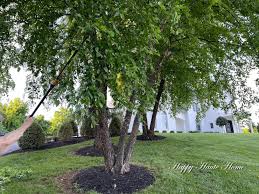
If your lawn feels like an obstacle course—complete with ducking, weaving, and the occasional accidental hair-snatch from a rogue branch—it might be time to grab those pruning shears. Low-hanging branches from trees and shrubs might seem harmless, even charming, but they can make mowing your lawn a real headache.

When branches creep across your lawn space, you end up doing a weird dance every time you mow—leaning, twisting, or stopping completely to avoid getting whacked in the face. And let’s be honest, mowing is already a chore. Why make it harder?

By trimming those branches back, you’ll do two things:

  1. Make mowing easier – Ideally, your mower should be able to reach right up to the trunk of each tree or shrub without you needing to double back with clippers.

  2. Give your garden a cleaner look – Trimmed branches open up the space, making everything look neater and more intentional.

Here’s a quick tip: Trim branches when the weather is dry to avoid spreading disease, and make clean cuts so the tree or shrub heals well.

So, next time you’re out in the yard, take a look around. If you see branches hanging low enough to high-five you on your mowing route, it’s time to show them the door… or, well, the compost pile.

End-of-Season Surprise: The Joy of a Mystery Bloom

Sometimes the best things in life come from a little mystery—and maybe a clearance table at your local nursery.

It was the end of the season, the nursery was clearing out the last of their plants, and I spotted a little green pot with no tag, sitting half off to the side like it had already accepted its fate. It didn’t have a name, no picture, not even a price sticker that made sense. But for a couple bucks, I thought, “Why not?”

I planted it not really knowing what to expect. Would it even survive? Would it bloom?

Weeks went by. It grew taller. Still no sign of color, still no clue what it was.

And then—it bloomed.

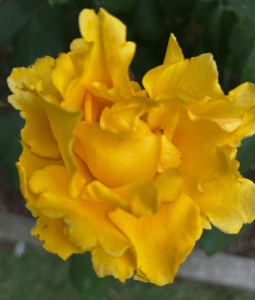
Bright, bold, sunshine yellow. Not soft or pale, not subtle, but the kind of yellow that makes you smile the second you see it.

It was a simple moment, but it reminded me of what gardening is really about: the wonder, the waiting, the little surprises that pop up when you least expect them. Not everything needs to be perfectly planned. Sometimes it’s the “what is this thing?” that ends up stealing the show.

So, here’s a fun idea if you’re closing out your gardening season: head to your local nursery’s clearance section. Pick out a mystery plant or two. Something unlabeled, forgotten, or a little scruffy. Give it a spot in your garden and see what happens.

Worst case? You got your hands dirty and added some green. Best case? You’ll be grinning like I was

Celebrating Earth Day: Small Changes, Big Impact


Earth Day is upon us, and it’s always a good reminder to reflect on our relationship with the planet. While we can’t all be superheroes saving the Earth with big flashy moves, we can each do our part in small but meaningful ways.

Over the years, I’ve started making a few changes that help me feel more connected to nature, even if I’m not out planting trees in a forest. I’m not perfect, but every little bit counts, right?

One thing I’ve embraced is reducing single-use plastics. It was a struggle at first – those plastic bags at the grocery store are just so convenient! But after switching to reusable bags, I realized it wasn’t as hard as I thought. Plus, my “eco-friendly” bags are kind of cute, and I’ve saved a few pennies along the way!

I’ve also started composting. Yes, composting! It seemed like an intimidating task at first, but once I got the hang of it, it was surprisingly easy. Now, instead of throwing away fruit peels and coffee grounds, I’m giving them a second life by helping them turn into rich, nutrient-filled soil for my garden. My plants thank me!

And then there’s gardening, of course. Whether you have a small apartment balcony or a sprawling backyard, growing your own herbs or flowers can be incredibly rewarding. Not only does it add beauty to your space, but it also helps the environment. Every little green thumb helps!

This Earth Day, I’m taking a moment to appreciate the planet – the trees, the oceans, the air we breathe. But I’m also reminded that making small, positive changes can add up over time. So, whether you choose to reduce waste, plant a tree, or just take a walk and enjoy nature, it all matters.

Happy Earth Day, everyone! Let’s continue making our world a little greener, one small step at a time. 🌍💚

https://amzn.to/42M5GDn