If you’ve ever had a puppy that eats like they haven’t seen food in days, you know the struggle. My pup was inhaling his meals so quickly that I worried about digestion issues, choking, or even bloat. So, I decided to try a slow feeder to help him pace himself.
The First Attempt: A Plastic Slow Feeder
At first, I picked up a plastic slow feeder bowl, designed with raised ridges to make it harder for him to gulp down his food. It worked—kind of. He did slow down, but soon I noticed a new problem. My puppy wasn’t just eating his food—he was also chewing the bowl!
The Switch to Stainless Steel
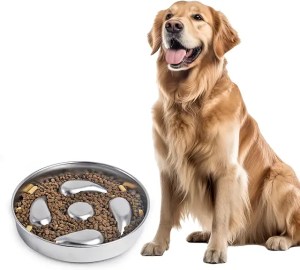
Clearly, a plastic slow feeder wasn’t going to last. So, I made the switch to a stainless steel slow feeder. This solved two problems at once:
✔️ No more chewing on the bowl – Stainless steel is durable and safe.
✔️ Still slowed down eating – The design still encouraged slower, healthier eating habits.
Lessons Learned
- Every dog is different – Some do fine with plastic, but others (like mine) see it as an extra snack.
- Safety first – If your pup is chewing their bowl, it’s time to rethink the material.
- Healthy habits take time – Slow feeders are a great tool, but it takes consistency to teach better eating habits.
Now, mealtime is much calmer, and I don’t have to worry about my pup eating his bowl along with his dinner! 🐶🥣
If you’ve ever had a puppy that eats like they haven’t seen food in days, you know the struggle. My pup was inhaling his meals so quickly that I worried about digestion issues, choking, or even bloat. So, I decided to try a slow feeder to help him pace himself.
The First Attempt: A Plastic Slow Feeder
At first, I picked up a plastic slow feeder bowl, designed with raised ridges to make it harder for him to gulp down his food. It worked—kind of. He did slow down, but soon I noticed a new problem. My puppy wasn’t just eating his food—he was also chewing the bowl!
The Switch to Stainless Steel
Clearly, a plastic slow feeder wasn’t going to last. So, I made the switch to a stainless steel slow feeder. This solved two problems at once:
✔️ No more chewing on the bowl – Stainless steel is durable and safe.
✔️ Still slowed down eating – The design still encouraged slower, healthier eating habits.
Lessons Learned
- Every dog is different – Some do fine with plastic, but others (like mine) see it as an extra snack.
- Safety first – If your pup is chewing their bowl, it’s time to rethink the material.
- Healthy habits take time – Slow feeders are a great tool, but it takes consistency to teach better eating habits.
Now, mealtime is much calmer, and I don’t have to worry about my pup eating his bowl along with his dinner! 🐶🥣