Trash Cans for Dog Waste: A Cleaner, Smarter Solution

Let’s face it—being a responsible dog owner means dealing with poop. And if you’ve ever held your breath while tossing a full bag into your kitchen trash, you know that dog waste deserves its own space.

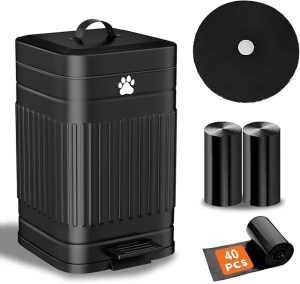
That’s where an outside trash can just for your dog’s potty waste comes in. It’s a simple upgrade that can make a huge difference in your yard, your nose, and your overall routine.

Why You Need a Dedicated Dog Waste Can

🐾 Keeps the stink outside:
Dog waste smells bad. Keeping it out of your kitchen or garage trash makes life better—plain and simple.

🐾 Helps build a clean-up habit:
Having a can close to where your dog goes potty makes it easier to clean up immediately. No excuses.

🐾 Avoids cross-contamination:
You don’t want dog waste mixing with recyclables or household trash. Separate cans keep things sanitary.

🐾 Saves you time on trash day:
Toss all dog bags in one place and empty it with the rest of your outside bins. No more running around the yard at the last minute.

What to Look for in a Good Outdoor Dog Waste Can

  • Tight-sealing lid to keep out smells and pests

  • Durable material (plastic or metal) that holds up in the weather

  • Foot pedal or flip-top for hands-free use

  • Liner-compatible if you prefer using bags inside

Also..

  • Add a bit of baking soda or use odor-control liners to reduce smell.

  • Store it in a shaded spot to help prevent odors from baking in the sun.

  • Clean it out every few weeks with a hose and some pet-safe disinfectant.

Your dog does their part. You do yours. And now your trash can can help too.

A dedicated outdoor dog waste can is a small change with big results—for your yard, your nose, and your peace of mind.
https://amzn.to/44gDVU0

Tips for Fixing Dog Pee Spots in Your Yard

We love our dogs—but the yellow patches they leave behind on the lawn? Not so much.

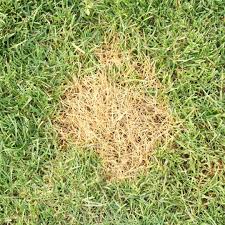
Dog urine spots are a common frustration for pet owners. The nitrogen and salts in urine can burn grass, especially when it’s concentrated in one area. The good news? You can repair the damage and even prevent future spots with a little care and consistency.

Here’s how to fix (and prevent) dog pee spots in your yard:

1. Flush the Area Immediately

If you catch your pup in the act, head outside with a watering can or hose and thoroughly rinse the spot. Diluting the urine quickly can minimize grass burn. Tip: Keep a watering can filled and ready near your back door for quick action!

2. Rake and Reseed the Spot

For already-burned patches:

  • Rake away any dead grass and loosen the soil.
  • Sprinkle a grass seed blend that matches your lawn.
  • Lightly cover with soil or straw, then water daily until it sprouts
  • 3 Try Lawn Repair Products

There are specialized lawn repair kits and dog spot treatments available at garden centers. These usually include seed, mulch, and fertilizer in one easy mix—perfect for quick repairs.

4. Encourage Variety

Dogs tend to go in the same spots. Train them to use different areas of the yard to spread out the damage. You can even create a designated potty area using gravel or mulch for easier maintenance.

5. Keep Your Dog Hydrated

More water = diluted urine. Make sure your dog always has access to fresh water, especially in warm weather. A hydrated dog is less likely to cause harsh burns on your lawn.

6. Consider Dog Supplements

Some products claim to help neutralize the impact of dog urine on grass. Talk to your vet first, and never give your dog supplements without professional guidance.

Finding the Right Slow Feeder for My Speedy Puppy

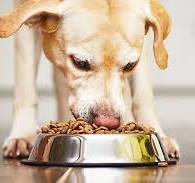
If you’ve ever had a puppy that eats like they haven’t seen food in days, you know the struggle. My pup was inhaling his meals so quickly that I worried about digestion issues, choking, or even bloat. So, I decided to try a slow feeder to help him pace himself.

The First Attempt: A Plastic Slow Feeder

At first, I picked up a plastic slow feeder bowl, designed with raised ridges to make it harder for him to gulp down his food. It worked—kind of. He did slow down, but soon I noticed a new problem. My puppy wasn’t just eating his food—he was also chewing the bowl!

The Switch to Stainless Steel

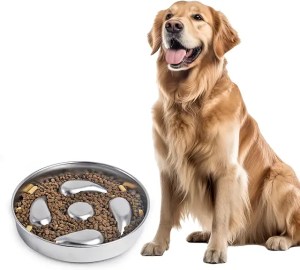
Clearly, a plastic slow feeder wasn’t going to last. So, I made the switch to a stainless steel slow feeder. This solved two problems at once:
✔️ No more chewing on the bowl – Stainless steel is durable and safe.
✔️ Still slowed down eating – The design still encouraged slower, healthier eating habits.

Lessons Learned

  1. Every dog is different – Some do fine with plastic, but others (like mine) see it as an extra snack.
  2. Safety first – If your pup is chewing their bowl, it’s time to rethink the material.
  3. Healthy habits take time – Slow feeders are a great tool, but it takes consistency to teach better eating habits.

Now, mealtime is much calmer, and I don’t have to worry about my pup eating his bowl along with his dinner! 🐶🥣

If you’ve ever had a puppy that eats like they haven’t seen food in days, you know the struggle. My pup was inhaling his meals so quickly that I worried about digestion issues, choking, or even bloat. So, I decided to try a slow feeder to help him pace himself.

The First Attempt: A Plastic Slow Feeder

At first, I picked up a plastic slow feeder bowl, designed with raised ridges to make it harder for him to gulp down his food. It worked—kind of. He did slow down, but soon I noticed a new problem. My puppy wasn’t just eating his food—he was also chewing the bowl!

The Switch to Stainless Steel

Clearly, a plastic slow feeder wasn’t going to last. So, I made the switch to a stainless steel slow feeder. This solved two problems at once:
✔️ No more chewing on the bowl – Stainless steel is durable and safe.
✔️ Still slowed down eating – The design still encouraged slower, healthier eating habits.

Lessons Learned

  1. Every dog is different – Some do fine with plastic, but others (like mine) see it as an extra snack.
  2. Safety first – If your pup is chewing their bowl, it’s time to rethink the material.
  3. Healthy habits take time – Slow feeders are a great tool, but it takes consistency to teach better eating habits.

Now, mealtime is much calmer, and I don’t have to worry about my pup eating his bowl along with his dinner! 🐶🥣

https://amzn.to/4iGCgwE

Still Working on Puppy Training? Here Are 3 Essential Tips for Success

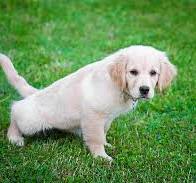
Puppy training can feel like a never-ending journey, especially when you’re navigating those early, challenging stages. From housebreaking to teaching basic commands, it often feels like there’s always something new to learn. But don’t worry—training your puppy doesn’t have to be overwhelming. With the right approach and a little patience, you can set your puppy up for success. Here are three of the best tips to help with overall puppy training.

1. Consistency is Key

One of the most important aspects of training your puppy is consistency. Whether you’re teaching them to sit, stay, or stop chewing on furniture, using the same commands and rewards every time will help your puppy learn faster. Puppies thrive on routine and repetition, so be sure to practice commands regularly, even when it feels like they’re not quite getting it.

Make training a daily habit, and remember to keep training sessions short (5-10 minutes). Puppies have short attention spans, so small, consistent training sessions are more effective than long, drawn-out ones.

2. Positive Reinforcement

Puppies respond best to positive reinforcement. Instead of punishing unwanted behavior, reward good behavior. This creates a clear connection between the action and the reward, making your puppy more likely to repeat the behavior in the future.

Use treats, praise, or playtime as rewards. For example, when your puppy sits on command, offer a treat and a lot of praise. Over time, your puppy will start associating the good behavior with positive outcomes. This helps build their confidence and strengthens their bond with you.

3. Patience and Persistence

Training takes time, and puppies are still learning how to navigate the world around them. Patience is essential in helping them understand what you want. It’s easy to get frustrated when they don’t catch on right away, but remember: They’re babies! Puppies have a lot to learn, and every step, no matter how small, is progress.

If your puppy has an accident or doesn’t quite get a command, remain calm and give them the time they need. Over time, with persistence and consistency, they will understand. Stay patient and keep up with the positive reinforcement to encourage growth.

Bonus Tip: Socialization

Along with basic training, socializing your puppy is essential. Expose them to different environments, people, and other dogs. Proper socialization helps prevent behavioral problems later on and makes your puppy more adaptable in various situations.

Puppy training is a process, and it’s okay if things don’t happen overnight. By staying consistent, using positive reinforcement, and being patient, you’re helping your puppy grow into a well-behaved, happy companion. 🐾

4 Potty Training Tips for Puppies Who Won’t Go Outside but Have Accidents Inside

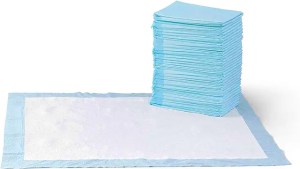
Potty training a puppy can be challenging—especially when they refuse to do their business outside but have accidents as soon as they come back in. This common frustration can be caused by distractions, anxiety, or a lack of routine. The good news? With patience and the right approach, you can teach your pup to go potty where they should. Here are four potty training strategies to help.

1. Extend Outdoor Time and Minimize Distractions

Some puppies get easily distracted outside—sniffing, exploring, and playing rather than focusing on going potty. Instead of bringing your puppy inside right away, try extending their time outside.

  • Stay outside for an extra 5–10 minutes after they first hesitate.
  • Keep them on a leash to prevent wandering.
  • Take them to a consistent potty spot each time.

If they don’t go after a reasonable time, bring them inside but keep them on the leash and try again in 5–10 minutes. This prevents immediate accidents and reinforces the idea that potty time happens outside.

2. Use a Trigger Word or Cue

Puppies can learn verbal cues for potty time just like they learn sit or stay. Each time you take your puppy outside, use a consistent phrase like:

  • “Go potty!”

Say the cue in a calm, encouraging voice. When they finally go, praise them immediately and offer a small treat. Over time, they’ll associate the cue with the action, making potty training smoother.

3. Reward Immediately After They Go

Timing is everything with rewards! If your puppy goes outside, immediately praise and give them a treat. Doing this right after they finish (not after they come back inside) reinforces the correct behavior.

Pro tip: Keep a small treat pouch near the door so you’re always ready to reward success.

4. Limit Indoor Freedom Until They’re Reliable

If your puppy consistently has accidents right after coming inside, try limiting their freedom indoors until they learn to potty outside. Here’s how:

  • After coming inside, keep them on a leash or in a playpen for 5–10 minutes.
  • If they show signs of needing to go (sniffing, circling), take them right back outside.
  • Over time, as they get better, gradually give them more freedom indoors.

Potty training takes time, but with patience, consistency, and positive reinforcement, your puppy will learn where to go. Extending outdoor time, using a potty cue, rewarding immediately, and limiting indoor freedom can make a big difference in teaching good habits. Stick with it, and soon your puppy will reliably do their business where they should!

https://amzn.to/4aKodmU

3 Tips for Bringing a Puppy Home: Setting Up for Success

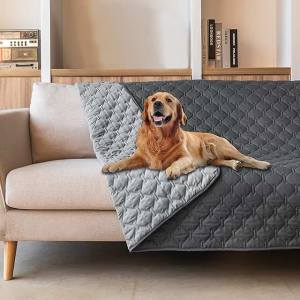
Bringing a new puppy into your home is an exciting and rewarding experience, but it also requires preparation. From setting up their space to creating a safe environment, the right steps can help ensure a smooth transition for both you and your new furry friend. Here are three tips to make the process easier—one of which includes a simple yet effective item: a waterproof blanket.

1. Set Up a Comfortable Space

Puppies need their own space where they feel safe, secure, and comfortable. Before bringing your new pup home, designate an area for their bed, food, water, and toys. If possible, create a quiet spot away from high-traffic areas to help them settle in without feeling overwhelmed.

Don’t forget to make this space cozy and inviting with soft bedding and a few familiar items like a blanket or a stuffed toy. A comfortable, consistent space is essential for your puppy to adjust to their new environment.

2. Use a Waterproof Blanket for Easy Cleanup

Accidents are inevitable when bringing a puppy home, whether it’s during potty training or just their playful explorations. One of the best ways to prepare for these situations is by using a waterproof blanket.

Place it on their bed or in their play area to protect furniture and carpets from spills, drool, and accidents. Waterproof blankets are easy to clean and can help minimize stress when your puppy has an “oops” moment. Plus, they’re versatile enough to use during travel or as an extra layer of protection during nap time.

3. Be Patient and Establish a Routine

Puppies thrive on routine. From feeding times to potty breaks, having a consistent schedule helps your puppy understand what to expect. Be patient during the first few days as they adjust to their new home.

Remember, patience is key during this learning period. Praise and reward good behavior, and gently guide them when mistakes happen. Keep their training consistent, and they will begin to feel at ease in their new home.

Bringing a puppy into your home is a joyful occasion, and a little preparation can go a long way in helping them adjust. By setting up a comfortable space, using a waterproof blanket for easy cleanup, and establishing a routine, you’re setting your puppy up for success in their new home. With patience, love, and a few helpful tools, your puppy will quickly become a beloved member of your family.

https://amzn.to/42FeOez

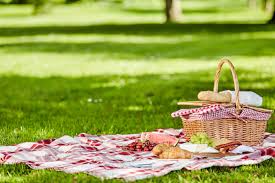
Embrace Summer: Feel the Grass and Enjoy a Picnic Lunch Outdoors

As summer unfolds, take time to reconnect with nature. Step outside, feel the grass underfoot, and savor a delightful picnic lunch. Here’s how to make the most of these simple pleasures.

Embracing Nature’s Bounty

Summer invites us to escape the indoors and immerse ourselves in the beauty of nature. Feeling the cool grass between your toes can be invigorating, grounding you in the present moment and revitalizing your spirit.

Planning Your Perfect Picnic

1. Choose a Scenic Spot
Find a tranquil park, beach, or even your backyard. Look for a spot with shade to escape the sun’s intensity.

2. Pack Delicious Treats
Prepare a variety of easy-to-eat finger foods like sandwiches, fresh fruits, salads, and snacks. Don’t forget refreshing drinks and a sweet treat for dessert.

3. Bring Comfortable Seating
Pack a comfortable blanket or picnic chairs for lounging. Extra cushions or pillows can enhance relaxation.

4. Entertainment Options
Bring along activities such as a frisbee, ball games, or a book to read. Enjoying these activities amidst nature adds to the experience.

Benefits of Outdoor Living

Spending time outdoors offers numerous health benefits. It reduces stress, improves mood, and boosts creativity. The sunshine provides essential vitamin D, enhancing overall well-being.

Creating Lasting Memories

Picnicking and connecting with nature create memorable experiences. Whether alone, with family, or friends, cherish these moments of relaxation and rejuvenation.

This summer, prioritize time outdoors. Feel the grass under your feet, indulge in a picnic feast, and bask in the sun’s warmth. Embracing these simple joys enriches life and fosters a deeper connection with the natural world.


Dog Rocks: Saving Your Lawn from Yellow Marks with a Splash of Magic

We adore our furry companions, but the unsightly yellow burn spots left behind by dog urine can put a damper on our perfectly manicured lawns. Fear not, dear readers, for we have an enchanting solution that will keep your lawn lush and green. Enter the magical world of Dog Rocks!

The Wonders of Dog Rocks:
Dog Rocks, the secret weapon against grass burn spots caused by urine, are a natural mineral supplement that works its mystical powers in your dog’s water bowl. These rocks, derived from an Australian quarry, contain a unique blend of minerals that neutralize the nitrogen found in urine, thus preventing those dreaded yellow patches on your lawn. It’s like having a wizard’s spell cast over your yard!

A Splash of Magic:
Using Dog Rocks is as easy as waving a wand. Simply place the rocks in your dog’s water bowl and let the enchantment begin. As your pup hydrates, the rocks work their magic, filtering out the harmful elements from their urine, and saving your lawn from grass burn spots. It’s like having a tiny team of lawn-saving fairies working tirelessly to keep your yard looking its best.

Dog Rocks are nature’s little secret to preventing grass burn spots caused by dog urine. With their magical properties, these mystical minerals keep your lawn looking lush and green, allowing you to enjoy the beauty of your outdoor space while cherishing the bond with your four-legged friends. Wave goodbye to yellow marks and welcome the wonders of Dog Rocks into your world.

As an Amazon Associate, I earn on qualifying purchases.