How My Garden Gives Me Something to Relate to With Others

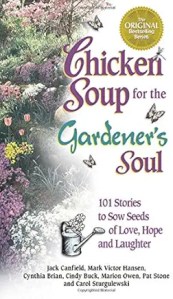
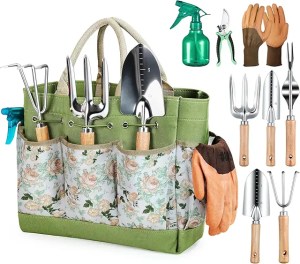
One of the unexpected joys of having a garden is how it connects me to other people. Whether it’s talking about what I’m planting, sharing the excitement of the first tomato ripening, or swapping tips on how to keep pests away, the garden gives me common ground to relate to others.

It’s funny how quickly conversations start when gardening comes up. Everyone has a story—maybe it’s about their grandmother’s garden, the basil plant they tried to grow on their windowsill, or their neighbor’s zucchini that seemed to multiply overnight. Even people who don’t garden themselves often light up at the thought of fresh herbs or vegetables.

For me, the garden becomes more than just soil, seeds, and sunshine—it’s a bridge. It allows me to connect, listen, and share experiences with people from all walks of life. And it reminds me that even in a fast-paced, digital world, something as simple as growing a cucumber or tending to flowers can spark real conversation and genuine connection.

Sometimes the best relationships grow just like gardens—slowly, naturally, and with a little bit of care.

https://amzn.to/4oZLecu

Invite Nature In: Why Adding a Bird Feeder to Your Garden Is a Great Idea

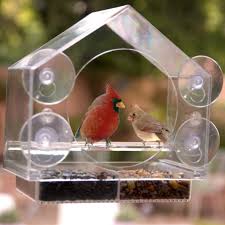
There’s something special about sipping your morning coffee and watching colorful birds flit and flutter outside your window. Adding a bird feeder to your garden isn’t just about feeding birds—it’s about creating a peaceful, lively outdoor space that connects you with nature.

1. A Simple Way to Add Life to Your Garden

A bird feeder brings immediate motion and sound to your space. The chirps, songs, and movement of visiting birds add natural energy that changes with the seasons. Whether it’s bright cardinals in winter or playful finches in summer, birds keep your garden alive all year long.

2. Support Local Wildlife

Backyards are becoming more important as habitats shrink. By hanging a feeder and keeping it clean and filled, you’re providing food for birds during tough times—like winter, drought, or migration. It’s a small act that helps sustain local ecosystems.

3. Great for Garden Health

Some birds feed on bugs and pests that can damage your plants. Others help with pollination. By attracting birds, you may see a healthier garden and fewer unwanted insects.

4. An Educational Joy for All Ages

Bird feeders invite curiosity. Whether you’re watching solo or with kids or grandkids, it’s fun to learn the names and songs of different species. Keep a bird book nearby and turn your garden into a living classroom.

5. Easy and Affordable

Bird feeders come in all shapes and sizes—from budget-friendly to decorative showpieces. Place one near a window or patio and watch how quickly your garden becomes a favorite spot—for you and the birds.

Place your feeder away from heavy foot traffic and near some shelter like trees or shrubs. And be consistent—birds will come to rely on your feeder, especially in the colder months.

https://amzn.to/40I0q3o

Trash Cans for Dog Waste: A Cleaner, Smarter Solution

Let’s face it—being a responsible dog owner means dealing with poop. And if you’ve ever held your breath while tossing a full bag into your kitchen trash, you know that dog waste deserves its own space.

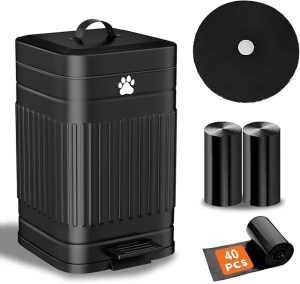
That’s where an outside trash can just for your dog’s potty waste comes in. It’s a simple upgrade that can make a huge difference in your yard, your nose, and your overall routine.

Why You Need a Dedicated Dog Waste Can

🐾 Keeps the stink outside:
Dog waste smells bad. Keeping it out of your kitchen or garage trash makes life better—plain and simple.

🐾 Helps build a clean-up habit:
Having a can close to where your dog goes potty makes it easier to clean up immediately. No excuses.

🐾 Avoids cross-contamination:
You don’t want dog waste mixing with recyclables or household trash. Separate cans keep things sanitary.

🐾 Saves you time on trash day:
Toss all dog bags in one place and empty it with the rest of your outside bins. No more running around the yard at the last minute.

What to Look for in a Good Outdoor Dog Waste Can

  • Tight-sealing lid to keep out smells and pests

  • Durable material (plastic or metal) that holds up in the weather

  • Foot pedal or flip-top for hands-free use

  • Liner-compatible if you prefer using bags inside

Also..

  • Add a bit of baking soda or use odor-control liners to reduce smell.

  • Store it in a shaded spot to help prevent odors from baking in the sun.

  • Clean it out every few weeks with a hose and some pet-safe disinfectant.

Your dog does their part. You do yours. And now your trash can can help too.

A dedicated outdoor dog waste can is a small change with big results—for your yard, your nose, and your peace of mind.

https://amzn.to/44gDVU0

Tips for Fixing Dog Pee Spots in Your Yard

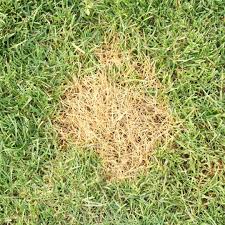
We love our dogs—but the yellow patches they leave behind on the lawn? Not so much.

Dog urine spots are a common frustration for pet owners. The nitrogen and salts in urine can burn grass, especially when it’s concentrated in one area. The good news? You can repair the damage and even prevent future spots with a little care and consistency.

Here’s how to fix (and prevent) dog pee spots in your yard:

1. Flush the Area Immediately

If you catch your pup in the act, head outside with a watering can or hose and thoroughly rinse the spot. Diluting the urine quickly can minimize grass burn. Tip: Keep a watering can filled and ready near your back door for quick action!

2. Rake and Reseed the Spot

For already-burned patches:

  • Rake away any dead grass and loosen the soil.
  • Sprinkle a grass seed blend that matches your lawn.
  • Lightly cover with soil or straw, then water daily until it sprouts
  • 3 Try Lawn Repair Products

There are specialized lawn repair kits and dog spot treatments available at garden centers. These usually include seed, mulch, and fertilizer in one easy mix—perfect for quick repairs.

4. Encourage Variety

Dogs tend to go in the same spots. Train them to use different areas of the yard to spread out the damage. You can even create a designated potty area using gravel or mulch for easier maintenance.

5. Keep Your Dog Hydrated

More water = diluted urine. Make sure your dog always has access to fresh water, especially in warm weather. A hydrated dog is less likely to cause harsh burns on your lawn.

6. Consider Dog Supplements

Some products claim to help neutralize the impact of dog urine on grass. Talk to your vet first, and never give your dog supplements without professional guidance.

To Plant a Garden Is to Believe in Tomorrow” — Why This Quote Still Matters

Audrey Hepburn once said, “To plant a garden is to believe in tomorrow.”
And isn’t that exactly what gardening is—a quiet, hopeful act of faith?

When you press a seed into the soil, you can’t see the roots it will grow or the fruit it may bear. You simply trust. You trust the sun will rise, the rain will fall, and time will do its work. You believe that what you sow today will one day bloom, nourish, or delight.

Planting a garden invites us to slow down. It reminds us that good things take time—that growth doesn’t happen overnight. Whether it’s a tomato plant, a sunflower, or a small herb on a windowsill, each planting is a promise to the future. It’s a statement: I still believe in beauty, in growth, and in the seasons to come.

Gardening as a Metaphor for Life

This quote doesn’t just apply to soil and seeds. It’s a way of living. Every kind word, every act of generosity, every time we choose hope over fear—we’re planting something for tomorrow. We may not see the results right away, but the impact is real.

And just like a garden, life requires patience, care, and resilience. There will be weeds. There will be dry spells. But there will also be blooms. Surprises. Fresh starts. And joy.

A Garden is a Form of Optimism

Whether you’re a seasoned gardener or just starting out, every seed you plant is a small act of optimism. So dig your hands into the earth. Dream about the harvest. Believe in tomorrow.

https://amzn.to/4jRXsAE

Sometimes Growth Requires New Locations, People, and Perspective

There’s a reason repotting a plant can make all the difference—it’s not that the plant was broken, it just outgrew the container it was in.

The same thing can happen in our lives.

Sometimes growth requires new soil. A new environment. A new circle. A fresh perspective.

It’s not always easy to recognize when we’ve outgrown a season, a space, or even some relationships. But the discomfort you feel? The sense that something just isn’t right anymore? That might be your sign that it’s time to stretch. Time to expand.

Growth doesn’t always happen in familiar places. Sometimes, you need to step into something unknown to see what you’re really capable of.

That might mean changing your scenery—physically or mentally. It might mean seeking out people who push you to be better, who believe in you, who think big. It might mean looking at the same life through a new lens.

And while change can be unsettling, it also holds incredible power. You’re not abandoning where you’ve been—you’re honoring it by using it as the foundation for what’s next.

Let it. 🌱

Eat more from Earth

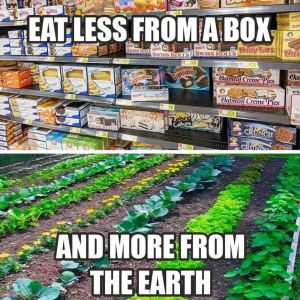
In a world full of processed foods and artificial ingredients, returning to the basics—eating more from the earth—can be one of the best decisions for your health and the planet. Whether you’re growing your own food, shopping at a local farmers’ market, or simply making mindful choices at the grocery store, embracing whole, earth-grown foods can transform the way you nourish your body and live your life.

Why Eat More from the Earth?

The benefits of eating more plant-based, whole foods are endless. Here are just a few reasons to make the shift:

  • Better Health: Fruits, vegetables, nuts, seeds, and whole grains provide essential vitamins, minerals, and antioxidants. These foods support your immune system, reduce inflammation, and help prevent chronic diseases.
  • Sustainability: Eating locally and seasonally reduces the environmental impact of food transportation and supports sustainable farming practices.
  • Connection to Nature: When you eat fresh, whole foods, you develop a deeper appreciation for the earth and where your food comes from.

Simple Ways to Eat More from the Earth

1. Choose Whole Foods Over Processed

When possible, opt for foods that are as close to their natural state as possible. Think fresh vegetables, fruits, legumes, whole grains, and nuts rather than packaged, refined, and artificially flavored products.

💡 Tip: If a food comes in a box with a long list of ingredients you can’t pronounce, it’s probably not from the earth.

2. Grow Your Own Food

Even if you don’t have a large garden, growing herbs, tomatoes, or leafy greens in pots or a small backyard space can be a great way to connect with your food and ensure freshness.

💡 Tip: Start with easy-to-grow plants like basil, lettuce, or peppers—they thrive in small spaces!

3. Shop at Farmers’ Markets

Supporting local farmers means fresher produce, fewer pesticides, and a stronger local food system. Plus, seasonal foods are often more flavorful and nutritious.

💡 Tip: Bring reusable bags and ask farmers about their growing practices to make the best choices.

Eating more from the earth isn’t about following strict rules—it’s about making mindful choices that prioritize health, sustainability, and a deeper connection to nature. Whether you grow your own food, shop locally, or simply add more whole foods to your plate, every small step brings big benefits.

What’s one way you can eat more from the earth today? 🌍🍎🥦

Pruning Is Necessary: Letting Go to Grow

In gardening, pruning is essential. We cut back dead branches, remove overgrown areas, and shape plants to encourage stronger, healthier growth. But pruning isn’t just for gardens—it’s a vital life lesson. Sometimes, we must cut back what no longer serves us to allow room for new opportunities, personal growth, and success.

1. Letting Go of Bad Habits

Just like dead branches drain energy from a plant, bad habits drain energy from our lives. Whether it’s procrastination, unhealthy routines, or negative self-talk, these habits stunt our growth. By recognizing and cutting them away, we make space for better choices that move us forward.

How to Start Pruning Bad Habits:

  • Identify one habit holding you back.
  • Replace it with a positive action (e.g., swap late-night scrolling for reading or journaling).
  • Stay consistent—small changes lead to big results over time.

2. Removing Negative Influences

In a garden, some plants block sunlight or steal nutrients from others. In life, certain people or environments do the same. If someone constantly discourages you or drains your energy, it might be time to step back.

Ask Yourself:

  • Do the people around me uplift or bring me down?
  • Do I leave certain situations feeling inspired or exhausted?
  • Am I holding onto relationships out of obligation rather than growth?

It doesn’t mean cutting people off harshly, but rather setting boundaries and choosing to surround yourself with positivity and encouragement.

3. Trimming Away Old Ways of Thinking

Our mindset shapes our reality. Holding onto limiting beliefs—such as “I’m not good enough” or “Success is for other people”—keeps us stuck. Just as a tree grows stronger after careful pruning, we grow when we release outdated, self-defeating thoughts.

Ways to Shift Your Mindset:

  • Replace negative thoughts with empowering ones (e.g., “I can’t” → “I’m learning”).
  • Challenge fears by taking small risks outside your comfort zone.
  • Seek out mentors, books, or experiences that expand your perspective.

4. Making Room for Fresh Growth

When you prune a plant, it might look bare for a while—but soon, new, vibrant growth appears. The same happens in life. Letting go may feel uncomfortable at first, but it creates space for better opportunities, stronger relationships, and personal transformation.

Take Action Today:

  • Identify one thing—habit, relationship, or mindset—that no longer serves you.
  • Make a small change to release it.
  • Stay committed to growth and trust the process.

By pruning wisely, we create space for new possibilities, healthier habits, and a brighter future. What’s one thing you need to let go of to grow stronger? 🌱

Plants Hummingbirds Love and Why You Should Plant Them


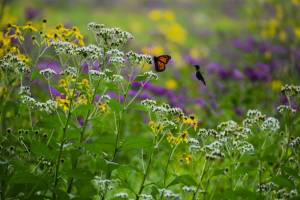
Hummingbirds are tiny, energetic creatures that bring beauty and life to any garden. If you want to attract these fascinating birds, the best way is by planting flowers rich in nectar. Not only do these plants provide essential food for hummingbirds, but they also enhance your garden’s beauty and support pollinators.

Why Plant for Hummingbirds?

  1. Natural Pollination – Hummingbirds help pollinate flowers as they feed, contributing to a healthier ecosystem.
  2. Pest Control – While nectar is their primary food source, hummingbirds also eat small insects, helping to keep your garden balanced.
  3. Year-Round Beauty – Many hummingbird-friendly plants bloom in bright, eye-catching colors, making your garden a vibrant sanctuary.
  4. Encourage Wildlife – Creating a hummingbird-friendly environment supports biodiversity and brings more life to your outdoor space.

Best Plants to Attract Hummingbirds

1. Bee Balm (Monarda)

A favorite among hummingbirds, bee balm produces bright red, pink, and purple blooms that are rich in nectar. Plus, it’s easy to grow and resistant to deer and rabbits.

2. Salvia (Sage)

Salvia plants, particularly red and purple varieties, produce tubular flowers perfect for hummingbird feeding. They thrive in full sun and well-drained soil.

3. Trumpet Vine (Campsis radicans)

As the name suggests, trumpet vines produce trumpet-shaped flowers that hummingbirds adore. Just be mindful—it can grow aggressively and may need regular pruning.

4. Columbine (Aquilegia)

A spring-blooming plant with delicate, bell-like flowers, columbine provides an early nectar source for hummingbirds just as they begin their migration.

5. Fuchsia

Ideal for hanging baskets, fuchsia plants boast stunning, drooping flowers in bright pink, purple, and red hues—irresistible to hummingbirds.

6. Lupine (Lupinus)

With tall spikes of nectar-rich flowers, lupines not only attract hummingbirds but also add dramatic height to your garden.

7. Cardinal Flower (Lobelia cardinalis)

Named for its striking red color, this native perennial is a top hummingbird magnet and thrives in moist soil conditions.

Tips for Creating a Hummingbird Haven

  • Plant a Variety – Choose flowers that bloom at different times of the year to provide a continuous nectar source.
  • Go Native – Native plants are best adapted to local wildlife and require less maintenance.
  • Avoid Pesticides – Chemicals can be harmful to hummingbirds and other pollinators.
  • Add a Water Source – A shallow birdbath or misting fountain can provide drinking and bathing water.

https://amzn.to/4hGfWSW

Finding the Right Slow Feeder for My Speedy Puppy

If you’ve ever had a puppy that eats like they haven’t seen food in days, you know the struggle. My pup was inhaling his meals so quickly that I worried about digestion issues, choking, or even bloat. So, I decided to try a slow feeder to help him pace himself.

The First Attempt: A Plastic Slow Feeder

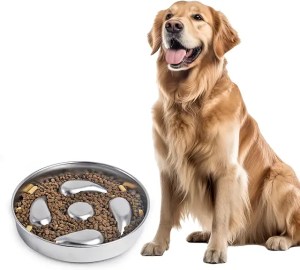
At first, I picked up a plastic slow feeder bowl, designed with raised ridges to make it harder for him to gulp down his food. It worked—kind of. He did slow down, but soon I noticed a new problem. My puppy wasn’t just eating his food—he was also chewing the bowl!

The Switch to Stainless Steel

Clearly, a plastic slow feeder wasn’t going to last. So, I made the switch to a stainless steel slow feeder. This solved two problems at once:
✔️ No more chewing on the bowl – Stainless steel is durable and safe.
✔️ Still slowed down eating – The design still encouraged slower, healthier eating habits.

Lessons Learned

  1. Every dog is different – Some do fine with plastic, but others (like mine) see it as an extra snack.
  2. Safety first – If your pup is chewing their bowl, it’s time to rethink the material.
  3. Healthy habits take time – Slow feeders are a great tool, but it takes consistency to teach better eating habits.

Now, mealtime is much calmer, and I don’t have to worry about my pup eating his bowl along with his dinner! 🐶🥣

If you’ve ever had a puppy that eats like they haven’t seen food in days, you know the struggle. My pup was inhaling his meals so quickly that I worried about digestion issues, choking, or even bloat. So, I decided to try a slow feeder to help him pace himself.

The First Attempt: A Plastic Slow Feeder

At first, I picked up a plastic slow feeder bowl, designed with raised ridges to make it harder for him to gulp down his food. It worked—kind of. He did slow down, but soon I noticed a new problem. My puppy wasn’t just eating his food—he was also chewing the bowl!

The Switch to Stainless Steel

Clearly, a plastic slow feeder wasn’t going to last. So, I made the switch to a stainless steel slow feeder. This solved two problems at once:
✔️ No more chewing on the bowl – Stainless steel is durable and safe.
✔️ Still slowed down eating – The design still encouraged slower, healthier eating habits.

Lessons Learned

  1. Every dog is different – Some do fine with plastic, but others (like mine) see it as an extra snack.
  2. Safety first – If your pup is chewing their bowl, it’s time to rethink the material.
  3. Healthy habits take time – Slow feeders are a great tool, but it takes consistency to teach better eating habits.

Now, mealtime is much calmer, and I don’t have to worry about my pup eating his bowl along with his dinner! 🐶🥣

https://amzn.to/4iGCgwE