Simple Tips for Better Sourdough Breadmaking

Sourdough breadmaking can feel intimidating at first, but it doesn’t have to be complicated. At its core, sourdough is about patience, observation, and a few consistent habits. With some simple tips, you can improve your results and enjoy the process along the way.

Start With a Healthy Starter

Your starter is the foundation of good sourdough. A healthy starter should be bubbly, active, and reliably double in size a few hours after feeding. If your bread isn’t rising well or tastes overly sour, the starter is often the culprit.

Feed it regularly, use it when it’s at its peak, and don’t rush it. A strong starter makes everything else easier.

Measure Ingredients Carefully

Sourdough is more forgiving than it seems, but consistency matters. Using a kitchen scale instead of measuring cups helps ensure accurate ratios of flour, water, and salt. Small differences can affect texture, hydration, and fermentation, especially as you learn what works best in your kitchen.

Pay Attention to Dough, Not the Clock

Fermentation times vary based on temperature, humidity, and starter strength. Instead of strictly following the clock, watch the dough. Look for signs like increased volume, bubbles on the surface, and a slightly domed shape.

Learning to read the dough is one of the most valuable skills in sourdough baking.

Keep It Simple

It’s tempting to try complex recipes, fancy scoring patterns, or multiple add-ins right away. In the beginning, focus on mastering a basic loaf. Simple flour, water, salt, and starter will teach you more than any complicated recipe.

Once you’re confident with the basics, experimenting becomes much more enjoyable.

Don’t Skip Proper Shaping

Good shaping creates surface tension, which helps the loaf rise and hold its structure in the oven. Take your time during shaping, even if the dough feels sticky or soft. A well-shaped loaf often bakes up taller with a better crumb.

Preheat Your Oven Thoroughly

A hot oven is essential for oven spring. Whether you’re using a Dutch oven or baking stone, give it plenty of time to preheat. Steam during the early part of baking also helps the loaf expand and develop a crisp crust.

Embrace Imperfection

Not every loaf will be perfect—and that’s okay. Dense crumbs, uneven scoring, or flatter loaves are all part of the learning process. Each bake teaches you something new, and even the “mistakes” are usually still delicious.

Great sourdough doesn’t come from complexity; it comes from consistency. A healthy starter, careful observation, and a willingness to learn will take you further than any advanced technique.

Keep it simple, be patient, and enjoy the process—because sourdough baking is just as much about the journey as the loaf itself.
Fresh from Our Garden: Stuffed Eggplant Parmesan Is on the Menu Tonight!

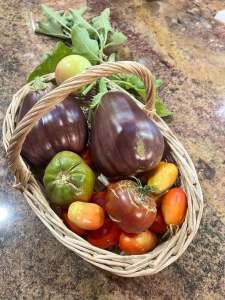
There’s something deeply satisfying about cooking with ingredients grown right in your own garden. Tonight’s dinner is a perfect example—Stuffed Eggplant Parmesan, made fresh with homegrown eggplants, herbs, and tomatoes.

The eggplants were picked this morning—firm, glossy, and full of flavor. After a quick rinse, they’re halved, roasted until tender, and filled with a delicious mixture of sautéed onions, garlic, garden-fresh tomatoes, and a sprinkle of basil and oregano straight from the herb bed. A layer of mozzarella and Parmesan cheese brings everything together in bubbly, golden perfection.

Cooking from the garden isn’t just about flavor—it’s about connection. You know where your food came from, how it was grown, and the care that went into it. Every bite carries the reward of patience and love.

So tonight, the kitchen smells like summer. The garden has given us another reason to be thankful

https://amzn.to/474dyU2

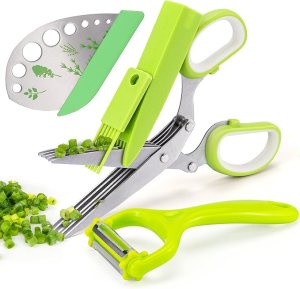
Herb scissors set provides a pair of herb shears, a herb stripper, and a peeler with three different blades. They can help you easily handle a large number of kitchen tasks, such as cutting meat, turkey, and poultry bones. You can not only use it to cut various vegetables, herbs, fruits, cut noodles and even pizza, but also peel potatoes, carrots, zucchini, cucumbers, apples, and avocados. No chopping boards and choppers are needed, bringing more convenience to your kitchen work.

The Simple Citrus Hack That’ll Squeeze Out More Juice

You know the saying, “When life gives you lemons…”—but what if you’ve been squeezing them the wrong way this whole time?

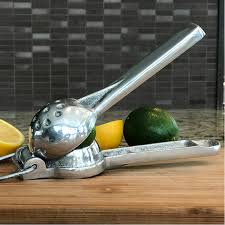
If you’re using a handheld citrus juicer, here’s a little kitchen hack that might surprise you: turn your lemon the opposite direction. Instead of placing it cut-side down, try placing it cut-side up, curved-side down—and watch the juice flow.

Why It Works

Most of us instinctively place lemons cut-side down into citrus presses. But by flipping the lemon so the cut side faces up, the press’s dome pushes into the rounded exterior of the lemon. This squeezes the fruit from the outside in, maximizing pressure and surface contact inside the lemon.

Result? You get a lot more juice—especially from firmer lemons or limes.

How to Do It:

  1. Cut your lemon in half as usual.
  2. Place one half in your citrus press cut-side up (so the curved rind faces down into the bowl of the juicer).
  3. Squeeze like normal.
  4. Be amazed at how much more juice comes out—with less strain on your hands!

Roll Before You Slice

Want to make it even easier? Roll the lemon on your counter with firm pressure before slicing. This breaks down some of the internal membranes, making juicing even more effective.

Sometimes, the best kitchen tips are the simplest. So next time you’re making salad dressing, cocktails, or fresh lemonade—flip that lemon. Your juicer (and your recipes) will thank you.

https://amzn.to/4kM46bA

Finding the Right Slow Feeder for My Speedy Puppy

If you’ve ever had a puppy that eats like they haven’t seen food in days, you know the struggle. My pup was inhaling his meals so quickly that I worried about digestion issues, choking, or even bloat. So, I decided to try a slow feeder to help him pace himself.

The First Attempt: A Plastic Slow Feeder

At first, I picked up a plastic slow feeder bowl, designed with raised ridges to make it harder for him to gulp down his food. It worked—kind of. He did slow down, but soon I noticed a new problem. My puppy wasn’t just eating his food—he was also chewing the bowl!

The Switch to Stainless Steel

Clearly, a plastic slow feeder wasn’t going to last. So, I made the switch to a stainless steel slow feeder. This solved two problems at once:
✔️ No more chewing on the bowl – Stainless steel is durable and safe.
✔️ Still slowed down eating – The design still encouraged slower, healthier eating habits.

Lessons Learned

  1. Every dog is different – Some do fine with plastic, but others (like mine) see it as an extra snack.
  2. Safety first – If your pup is chewing their bowl, it’s time to rethink the material.
  3. Healthy habits take time – Slow feeders are a great tool, but it takes consistency to teach better eating habits.

Now, mealtime is much calmer, and I don’t have to worry about my pup eating his bowl along with his dinner! 🐶🥣

If you’ve ever had a puppy that eats like they haven’t seen food in days, you know the struggle. My pup was inhaling his meals so quickly that I worried about digestion issues, choking, or even bloat. So, I decided to try a slow feeder to help him pace himself.

The First Attempt: A Plastic Slow Feeder

At first, I picked up a plastic slow feeder bowl, designed with raised ridges to make it harder for him to gulp down his food. It worked—kind of. He did slow down, but soon I noticed a new problem. My puppy wasn’t just eating his food—he was also chewing the bowl!

The Switch to Stainless Steel

Clearly, a plastic slow feeder wasn’t going to last. So, I made the switch to a stainless steel slow feeder. This solved two problems at once:
✔️ No more chewing on the bowl – Stainless steel is durable and safe.
✔️ Still slowed down eating – The design still encouraged slower, healthier eating habits.

Lessons Learned

  1. Every dog is different – Some do fine with plastic, but others (like mine) see it as an extra snack.
  2. Safety first – If your pup is chewing their bowl, it’s time to rethink the material.
  3. Healthy habits take time – Slow feeders are a great tool, but it takes consistency to teach better eating habits.

Now, mealtime is much calmer, and I don’t have to worry about my pup eating his bowl along with his dinner! 🐶🥣

https://amzn.to/4iGCgwE

The Warm Comfort of Winter Vegetable Soup

As winter settles in, there’s nothing quite like a warm bowl of vegetable soup to nourish your body and soul. Packed with seasonal ingredients, hearty flavors, and vibrant nutrients, vegetable soup is more than just a meal—it’s a comforting ritual to embrace during the colder months.

Why Vegetable Soup?

  1. Seasonal Nutrition: Winter vegetables like carrots, parsnips, squash, kale, and sweet potatoes are at their peak, offering a boost of vitamins and minerals.
  2. Easy on Digestion: Warm soups are gentle on the stomach, making them ideal for cold days when your body craves soothing foods.
  3. Budget-Friendly: Root vegetables and legumes, often the stars of winter soups, are affordable and widely available.

Crafting the Perfect Bowl

  • Start with a Flavorful Base: Sauté onions, garlic, and celery for a fragrant beginning.
  • Add Seasonal Veggies: Think earthy carrots, creamy potatoes, or sweet squash.
  • Incorporate Protein: Beans, lentils, or tofu add a satisfying heft.
  • Spice It Up: Use warming spices like cumin, turmeric, or paprika for depth.

Beyond the Bowl

Pair your soup with crusty bread or a simple side salad for a complete meal. The act of simmering soup can also be meditative—a moment of mindfulness in a busy season.

This winter, embrace the simplicity and warmth of vegetable soup.

https://www.yellowblissroad.com/tortellini-soup-with-italian-sausage-spinach/

The Importance of Local Produce

In a world where convenience often trumps quality, it’s essential to recognize the significant benefits of choosing local produce. Supporting local farmers, enjoying health benefits, and fostering community connections are just a few reasons why local produce matters.

Supporting Local Farmers

Economic Impact:
-Keeping Money Local: When you purchase local produce, you directly support farmers in your community, contributing to the local economy. This ensures that the money you spend stays within the community, creating a positive economic cycle.
– Boosting Local Employment: By supporting local farms, you’re helping sustain jobs and create new ones, boosting the overall economic health of your area.

Sustainable Practices:
– Environmentally Friendly: Local farms often adopt sustainable farming practices that are less harmful to the environment. These methods can include crop rotation, organic farming, and reduced use of pesticides and herbicides.
– Healthier Planet: Supporting local, sustainable farms means you’re contributing to a healthier planet. Sustainable practices reduce soil degradation, preserve water resources, and promote biodiversity.

Health Benefits

Freshness and Nutrition:
– Maximized Nutrients: Local produce is typically fresher because it doesn’t have to travel long distances to reach you. Fresher produce retains more nutrients, providing better health benefits.
– Seasonal Eating:Consuming fresh, seasonal produce can enhance overall health and well-being. Seasonal fruits and vegetables are often at their nutritional peak, offering the best flavor and quality.

Reduced Carbon Footprint:
– Lower Emissions: Buying locally reduces the carbon footprint associated with the transportation of food. This means fewer greenhouse gases are emitted, helping to combat climate change.
– Sustainable Choice: By choosing local produce, you’re making an environmentally sustainable choice that supports long-term ecological health.

Community Connection

Building Relationships:
– Strengthening Bonds:vPurchasing from local farmers and attending events like the Summer Harvest Festival fosters a sense of community. These interactions build relationships and strengthen the bond between farmers and consumers.
Supporting Each Other: When you know where your food comes from and who grows it, you develop a deeper appreciation for the hard work and dedication involved in farming.

Choosing local produce is a simple yet powerful way to support your community, improve your health, and promote environmental sustainability. By supporting local farmers, enjoying fresher and more nutritious food, and fostering community connections, you’re making a positive impact that extends far beyond your kitchen. Embrace the benefits of local produce and become a part of a healthier, more sustainable future.

Fuel Your Day: Easy and Energizing Foods for a Productive Boost

In the hustle and bustle of daily life, maintaining energy levels is crucial for optimal performance. Luckily, there’s a delicious solution – easy and energizing foods that provide the vitality you need. Let’s explore a range of tasty options that not only satisfy your taste buds but also fuel your body for a productive day ahead.

1. Bananas: Nature’s Energy Bar
Bananas are a portable powerhouse of natural sugars, fiber, and essential vitamins. Grab one on the go for a quick energy lift without the crash, thanks to their perfect blend of carbohydrates.

2. Greek Yogurt with Berries: Protein-Packed Delight
Combine Greek yogurt with a handful of berries for a protein-rich snack. The combination of protein and natural sugars provides a sustained energy release, keeping you energized throughout the day.

3. Oatmeal with Nut Butter: Sustaining Fiber and Healthy Fats
Start your day with a bowl of oatmeal topped with a dollop of nut butter. The complex carbs in oats combined with the healthy fats and protein in nut butter create a satiating and energy-boosting breakfast.

4. Trail Mix: Nutrient-Packed Nibbles
Create your own trail mix with a mix of nuts, seeds, and dried fruits. This convenient snack is loaded with healthy fats, protein, and a natural sweetness that provides a quick pick-me-up.

5. Avocado Toast: The Good Fat Boost
Spread ripe avocado on whole-grain toast for a delightful combination of complex carbs and healthy fats. The fiber content ensures a steady release of energy, keeping you fueled and focused.

6. Dark Chocolate: Sweet Indulgence with a Kick
Dark chocolate, in moderation, is a delightful treat that contains caffeine and antioxidants. It provides a quick energy boost and may enhance mood, making it a perfect afternoon pick-me-up.

7. Quinoa Salad: Nutrient-Dense Power Bowl
A quinoa salad with colorful veggies and a light dressing is a nutrient-packed meal. Quinoa is a complete protein, and the veggies provide essential vitamins and minerals for sustained energy.

8. Green Tea: The Calm Caffeine Fix
Swap your regular coffee for green tea. It contains a moderate amount of caffeine and provides an amino acid called L-theanine, promoting alertness and a sense of calm energy.

9. Hummus and Veggie Sticks: Protein-Packed Crunch
Pair hummus with your favorite vegetable sticks for a crunchy and satisfying snack. Hummus is rich in protein and fiber, offering a nutritious energy boost.

10. Watermelon Slices: Hydrating Refreshment
Stay hydrated with water-rich foods like slices of watermelon. The natural sugars provide a quick energy boost, while the high water content keeps you hydrated and refreshed.

Elevate your energy levels with these easy and delicious food choices. From bananas to quinoa salads, incorporating these energizing options into your daily routine can make a significant difference in your overall vitality. Fuel your body with the right nutrients, and conquer each day with a renewed sense of energy and productivity.

energy ball recipe:

Green Delights on Your Plate: How to Use Microgreens

Microgreens, those tiny powerhouses of nutrition and flavor. These small but mighty greens can transform your meals from ordinary to extraordinary. In this blog post, we’ll explore creative and delicious ways to incorporate microgreens into your diet, enhancing both the taste and nutritional value of your dishes.

1. Garnish with Style

One of the simplest ways to use microgreens is as a garnish. Sprinkle them atop soups, omelets, or even a grilled steak for an instant burst of color, flavor, and nutrition. Not only do they add visual appeal, but they also provide a delightful contrast to the dish’s texture and taste.

2. Elevate Your Salads

Salads are an obvious choice for microgreens, and for a good reason. They offer a delicate crunch and an explosion of flavors that can take your salad from ordinary to gourmet. Toss microgreens into your leafy greens or use them as the base for your salad. Arugula, radish, and pea shoots are excellent choices to consider.

3. Sandwich and Wrap Sensation

Transform your sandwiches and wraps into healthy masterpieces by layering microgreens within. Whether you’re making a classic BLT or a vegetarian wrap, microgreens add a peppery or nutty punch that complements the other ingredients. Their tender, small leaves make them a perfect addition without overwhelming the sandwich.

4. Blend into Smoothies

Don’t limit microgreens to savory dishes. They can also play a role in your morning routine. Add a handful of microgreens to your morning smoothie for a nutrient boost. The mild taste of microgreens pairs well with fruits, giving your smoothie a refreshing and healthy twist.

5. Experiment in Cooking

Microgreens aren’t just for garnishes; they can be incorporated into cooked dishes too. Stir-fry them with other vegetables, mix them into pasta sauces, or use them as a topping for pizzas. Their versatility knows no bounds, allowing you to experiment with various recipes.

With a range of flavors and a world of culinary possibilities, incorporating microgreens into your diet is both easy and enjoyable. They add a touch of elegance and a burst of health to your everyday meals, making your culinary experiences extraordinary. So, don’t hesitate to get creative and explore the wonderful world of microgreens. Your taste buds and your health will thank you.

Thinking Like a Farmer: Navigating Life’s Seasons with Resilience

It’s often beneficial to adopt the mindset of a farmer. Farming is a timeless profession that imparts valuable lessons, one of the most significant being the understanding that there will always be good seasons and bad seasons, and the weather is beyond one’s control. The key is not controlling the weather, but being prepared for it.

1. Embracing Cycles:
Farmers recognize that life, like the seasons, is a continuous cycle. Just as a harsh winter yields to a bountiful spring, life has its ups and downs. Accepting this ebb and flow can ease the emotional strain when challenges arise.

2. Preparedness and Resilience:
Farmers prepare for adversity. They store surplus crops for lean times and repair equipment before it breaks. Similarly, in life, being prepared and building resilience are crucial. This means having financial savings, a support network, and the emotional fortitude to weather life’s storms.

3. Patience and Adaptability:
Farmers know the value of patience. They understand that some things take time. They also adapt to changing circumstances. In life, patience and adaptability are essential. Waiting for better times and adapting to new challenges with grace are virtues worth cultivating.

4. Gratitude and Perspective:
Farmers are grateful for good seasons and don’t take them for granted. In life, recognizing and appreciating the good times can provide solace during difficult ones. Keeping perspective is invaluable.

5. Community and Sharing:
Farmers often form tight-knit communities, helping one another in times of need. In life, leaning on your community and offering support to others can provide strength during personal “bad seasons.”

Thinking like a farmer means understanding that good and bad seasons are part of life’s natural rhythm. We can’t control the weather, but we can control our preparedness, resilience, patience, and perspective. Embracing these principles can help us navigate life’s challenges with greater fortitude and grace. Just as the farmer’s fields bloom again after a harsh winter, so too can we find renewal and growth after life’s difficult seasons.

Fall for Flavor: Exploring Chili Recipes

As the days grow shorter and the air turns crisper, there’s one thing that never fails to warm my heart – the arrival of fall! 🍂 And what gets me most excited? The return of hearty soups and chilis to my kitchen.

There’s something magical about simmering a big pot of chili on the stove, the aroma filling the house with comfort and coziness. And let’s not forget the convenience – these dishes are even better as leftovers, making for quick and delicious lunches throughout the week.

But what’s a bowl of chili without a slice of homemade cornbread? The perfect side, with its golden crust and moist, buttery interior, completes the fall meal experience.

So, here’s to the cozy season ahead, where we can embrace the chill in the air and indulge in soul-warming soups, hearty chilis, and delightful cornbread. Fall, we’re ready for you! 🍁🥣🌽 #FallFlavors #ComfortFood

https://www.halfbakedharvest.com/crockpot-beef-chili/

beef chili + sour cream and cheddar biscuits

The Best Homemade Cornbread Recipe

https://thecozycook.com/easy-chili-recipe/