Trash Cans for Dog Waste: A Cleaner, Smarter Solution

Let’s face it—being a responsible dog owner means dealing with poop. And if you’ve ever held your breath while tossing a full bag into your kitchen trash, you know that dog waste deserves its own space.

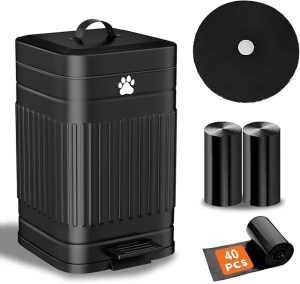
That’s where an outside trash can just for your dog’s potty waste comes in. It’s a simple upgrade that can make a huge difference in your yard, your nose, and your overall routine.

Why You Need a Dedicated Dog Waste Can

🐾 Keeps the stink outside:
Dog waste smells bad. Keeping it out of your kitchen or garage trash makes life better—plain and simple.

🐾 Helps build a clean-up habit:
Having a can close to where your dog goes potty makes it easier to clean up immediately. No excuses.

🐾 Avoids cross-contamination:
You don’t want dog waste mixing with recyclables or household trash. Separate cans keep things sanitary.

🐾 Saves you time on trash day:
Toss all dog bags in one place and empty it with the rest of your outside bins. No more running around the yard at the last minute.

What to Look for in a Good Outdoor Dog Waste Can

  • Tight-sealing lid to keep out smells and pests

  • Durable material (plastic or metal) that holds up in the weather

  • Foot pedal or flip-top for hands-free use

  • Liner-compatible if you prefer using bags inside

Also..

  • Add a bit of baking soda or use odor-control liners to reduce smell.

  • Store it in a shaded spot to help prevent odors from baking in the sun.

  • Clean it out every few weeks with a hose and some pet-safe disinfectant.

Your dog does their part. You do yours. And now your trash can can help too.

A dedicated outdoor dog waste can is a small change with big results—for your yard, your nose, and your peace of mind.
https://amzn.to/44gDVU0

Tips for Fixing Dog Pee Spots in Your Yard

We love our dogs—but the yellow patches they leave behind on the lawn? Not so much.

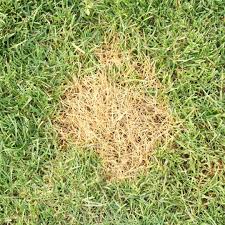
Dog urine spots are a common frustration for pet owners. The nitrogen and salts in urine can burn grass, especially when it’s concentrated in one area. The good news? You can repair the damage and even prevent future spots with a little care and consistency.

Here’s how to fix (and prevent) dog pee spots in your yard:

1. Flush the Area Immediately

If you catch your pup in the act, head outside with a watering can or hose and thoroughly rinse the spot. Diluting the urine quickly can minimize grass burn. Tip: Keep a watering can filled and ready near your back door for quick action!

2. Rake and Reseed the Spot

For already-burned patches:

  • Rake away any dead grass and loosen the soil.
  • Sprinkle a grass seed blend that matches your lawn.
  • Lightly cover with soil or straw, then water daily until it sprouts
  • 3 Try Lawn Repair Products

There are specialized lawn repair kits and dog spot treatments available at garden centers. These usually include seed, mulch, and fertilizer in one easy mix—perfect for quick repairs.

4. Encourage Variety

Dogs tend to go in the same spots. Train them to use different areas of the yard to spread out the damage. You can even create a designated potty area using gravel or mulch for easier maintenance.

5. Keep Your Dog Hydrated

More water = diluted urine. Make sure your dog always has access to fresh water, especially in warm weather. A hydrated dog is less likely to cause harsh burns on your lawn.

6. Consider Dog Supplements

Some products claim to help neutralize the impact of dog urine on grass. Talk to your vet first, and never give your dog supplements without professional guidance.

Still Working on Puppy Training? Here Are 3 Essential Tips for Success

Puppy training can feel like a never-ending journey, especially when you’re navigating those early, challenging stages. From housebreaking to teaching basic commands, it often feels like there’s always something new to learn. But don’t worry—training your puppy doesn’t have to be overwhelming. With the right approach and a little patience, you can set your puppy up for success. Here are three of the best tips to help with overall puppy training.

1. Consistency is Key

One of the most important aspects of training your puppy is consistency. Whether you’re teaching them to sit, stay, or stop chewing on furniture, using the same commands and rewards every time will help your puppy learn faster. Puppies thrive on routine and repetition, so be sure to practice commands regularly, even when it feels like they’re not quite getting it.

Make training a daily habit, and remember to keep training sessions short (5-10 minutes). Puppies have short attention spans, so small, consistent training sessions are more effective than long, drawn-out ones.

2. Positive Reinforcement

Puppies respond best to positive reinforcement. Instead of punishing unwanted behavior, reward good behavior. This creates a clear connection between the action and the reward, making your puppy more likely to repeat the behavior in the future.

Use treats, praise, or playtime as rewards. For example, when your puppy sits on command, offer a treat and a lot of praise. Over time, your puppy will start associating the good behavior with positive outcomes. This helps build their confidence and strengthens their bond with you.

3. Patience and Persistence

Training takes time, and puppies are still learning how to navigate the world around them. Patience is essential in helping them understand what you want. It’s easy to get frustrated when they don’t catch on right away, but remember: They’re babies! Puppies have a lot to learn, and every step, no matter how small, is progress.

If your puppy has an accident or doesn’t quite get a command, remain calm and give them the time they need. Over time, with persistence and consistency, they will understand. Stay patient and keep up with the positive reinforcement to encourage growth.

Bonus Tip: Socialization

Along with basic training, socializing your puppy is essential. Expose them to different environments, people, and other dogs. Proper socialization helps prevent behavioral problems later on and makes your puppy more adaptable in various situations.

Puppy training is a process, and it’s okay if things don’t happen overnight. By staying consistent, using positive reinforcement, and being patient, you’re helping your puppy grow into a well-behaved, happy companion. 🐾

Patience is Key: Don’t Get Frustrated When Your Puppy Isn’t Potty Trained Yet

Bringing a new puppy into your home is an exciting and rewarding experience, but it comes with its share of challenges. One of the most common hurdles many new puppy parents face is potty training. It can be easy to get frustrated when your puppy isn’t quite getting the hang of going potty outside just yet, but remember—patience is essential.

The Puppy Potty Training Journey

Potty training is a process that takes time, and every puppy is different. Some may catch on quickly, while others need a little extra help and repetition. It’s important to keep in mind that your puppy is still learning and adjusting to their new environment. It may take a few weeks—or even months—before they fully understand where it’s appropriate to go.

Why Your Puppy Isn’t Going Outside (Just Yet)

There are a few reasons why your puppy might not be potty trained immediately:

  1. Age and Development: Puppies, like babies, don’t have full control over their bladders and bowels until they’re a little older. Typically, puppies aren’t fully potty trained until they’re between 4-6 months old, though it can vary.
  2. Routine and Consistency: Puppies thrive on routine. If you’re not taking them outside regularly or on a consistent schedule, they may not associate the outdoors with potty time yet. Try to take them out at least every two hours, after meals, and right after naps.
  3. Distractions: Puppies are curious and easily distracted, especially when they’re outside. They might get so caught up in exploring their surroundings that they forget why they’re out there. Stay patient and persistent, and keep the focus on potty time until they get the hang of it.
  4. Not Enough Praise: Puppies respond well to positive reinforcement. If they do their business outside, shower them with praise and treats to reinforce the behavior. It will help them understand that going potty outside is a good thing!

Tips to Stay Calm and Patient During Potty Training

  1. Set Realistic Expectations: Potty training takes time. It’s normal for accidents to happen, and getting frustrated will only add stress to the situation. Keep your expectations in check and give your puppy the time they need to learn.
  2. Create a Positive Environment: Make potty time an enjoyable experience for your puppy. Take them to the same spot every time, so they recognize the area, and be sure to reward them for doing the right thing.
  3. Be Consistent: Stick to a routine. Puppies learn best when their schedule is predictable, so make sure you take them outside at the same times each day. Consistency is key to success.
  4. Clean Up Accidents Properly: If your puppy has an accident indoors, clean the area thoroughly with an enzymatic cleaner to remove any scent. This will prevent them from thinking it’s okay to go in that spot again.
  5. Remember, It’s a Phase: Potty training can be frustrating, but it’s important to remember that it’s just a phase. With patience, persistence, and consistency, your puppy will eventually get the hang of it and learn where they should go.

When to Seek Help

If your puppy is still having trouble after several weeks of training, it might be a good idea to consult with a vet or a professional dog trainer. There could be underlying medical issues or behavioral concerns that need to be addressed.

Above all, remember that your puppy is still a little one and learning everything for the first time. With patience, love, and consistency, your puppy will be potty trained before you know it. Until then, take a deep breath and embrace the journey—it’s a big part of their growth and your bond!