The Best Times to Water Your Crops: Early Morning and Late Evening

Ensuring that your crops receive the right amount of water is crucial for maximizing yield and maintaining plant health. One of the simplest yet most effective practices you can adopt is watering your crops during the cooler parts of the day—early in the morning or late in the evening. Here’s why this timing matters and how it can benefit your farm.

Why Timing Matters

Reduced Water Loss:
Watering during the cooler parts of the day helps minimize water loss due to evaporation. When you water during the heat of the day, a significant amount of water can evaporate before it even reaches the roots of your plants. Early morning and late evening watering ensures that more water is available for your crops to absorb.

Better Absorption:
Plants can better absorb water when the temperatures are lower. Early morning watering allows the soil to stay moist for a longer period, providing your plants with the hydration they need to withstand the heat of the day. In the evening, watering can help cool down the plants and soil, reducing stress from the day’s heat.

Reduced Risk of Disease:
Watering late in the evening can lead to prolonged periods of wet foliage, which can promote the growth of fungal diseases. Therefore, morning watering is often preferred as it allows the foliage to dry quickly, reducing the risk of disease.

Benefits of Early Morning Watering

Optimal Moisture Levels:
By watering early in the morning, you provide your plants with adequate moisture to start the day. This helps them stay hydrated and healthy throughout the hotter hours.

Efficient Use of Water:
Watering in the early morning reduces evaporation, ensuring that more water reaches the plant roots. This makes your irrigation efforts more efficient and conserves water.

Promotes Healthy Growth:
Consistent morning watering helps establish strong root systems. Healthy roots are essential for nutrient uptake and overall plant growth.

Benefits of Late Evening Watering

Cooling Effect:
Watering in the late evening can help cool down the plants and soil after a hot day. This can reduce plant stress and prevent wilting.

Extended Absorption Time:
Evening watering allows the water to soak into the soil overnight, providing ample time for the roots to absorb moisture before the next day’s heat.

Flexible Schedule:
For some farmers, evening watering may be more convenient due to other daily tasks. As long as you avoid watering too late to prevent prolonged wet foliage, evening watering can be a viable option.

Best Practices for Watering

Check Soil Moisture:
Before watering, check the soil moisture to ensure you’re not over watering. Overwatering can lead to root rot and other issues.

Use the Right Amount of Water:
Ensure that you’re providing enough water to reach the root zone but not so much that it leads to runoff or waterlogging.

Water at the Base:
Focus on watering at the base of the plants rather than overhead. This reduces water waste and prevents wet foliage, which can lead to disease.

Mulch Your Plants:
Mulching helps retain soil moisture and keeps the soil temperature stable. This can enhance the benefits of your watering schedule.

Watering your crops early in the morning or late in the evening is a simple yet effective practice that can significantly benefit your farm. By reducing water loss due to evaporation, ensuring better water absorption, and minimizing the risk of disease, you can promote healthier and more productive plants.
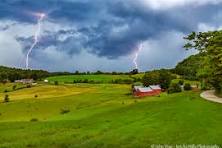
Tragedy in Colorado: Lightning Strike Claims the Life of Rancher and His Cattl

BE CAREFUL IN THE ELECTRICAL STORM

This past weekend, a devastating lightning strike near the town of Rand, Colorado, resulted in the tragic deaths of 51-year-old cattle rancher Mike Morgan and 34 of his cattle. The incident, reported by the Jackson County Sheriff’s Office, serves as a somber reminder of the powerful and unpredictable nature of lightning storms.

A Heartbreaking Incident

On Sunday, Mike Morgan was performing a routine task, feeding his herd with hay from a trailer. The peaceful moment was shattered when lightning struck, claiming his life despite immediate life-saving efforts. Morgan’s father-in-law and wife were nearby and fortunately survived the incident, but the strike also bowled over dozens more cattle that were gathered around the trailer.

The Dangers of Lightning

Lightning strikes are most common during the summer months, peaking in June. According to the National Weather Service, five of the top ten lightning days in 2023 occurred between June 14 and June 21. These intense storms typically hit areas from the edge of the Rockies, through the Middle Plains, and to the Southeast, with large thunderstorms in the Northern Plains and eastern states also contributing.

This tragic event is a stark reminder of the risks associated with lightning and the importance of taking appropriate precautions during storms.

Lightning Safety Tips

When you hear thunder rolling in, it’s crucial to seek shelter and follow these safety guidelines to minimize the risk of injury:

  1. Seek Shelter Indoors: The safest place during a lightning storm is indoors. Avoid staying outside or under trees.
  2. Avoid Using Corded Phones: Using a corded phone during a thunderstorm is one of the leading causes of indoor lightning injuries.
  3. Stay Away from Windows, Doors, and Porches: Being in an interior room is safest during a thunderstorm.
  4. Avoid Electrical Equipment and Cords: Unplug devices before the storm arrives if possible. Do not touch any electrical devices during the storm.
  5. Avoid Plumbing: Do not wash your hands, do dishes, take a shower or bath, or do laundry during a thunderstorm, as metal plumbing conducts electricity.
  6. Steer Clear of Concrete Surfaces: Lightning can travel through metal wires or bars in concrete walls and flooring, such as in basements or garages.
  7. Vehicle Safety: If you are in a vehicle, roll up the windows and avoid contact with metal surfaces and portable electronic devices plugged in for charging.

Reflecting on the Loss

The tragic death of Mike Morgan and his cattle has undoubtedly left a void in the community. Ranching is not just a profession but a way of life that deeply connects individuals to their land and livestock. The loss resonates beyond the immediate family, impacting friends, neighbors, and the larger agricultural community.

As we mourn this loss, it’s essential to raise awareness about the dangers of lightning and ensure that we all take necessary precautions to protect ourselves and our loved ones. The power of nature is awe-inspiring, but it also demands our respect and caution.

Our thoughts and prayers go out to the Morgan family and all those affected by this heartbreaking event.

https://www.usatoday.com/story/news/nation/2024/05/28/colorado-cattle-rancher-dies-lightning-strike/73881915007/