Find the Right Watering Wand for Your Garden’s Needs

When it comes to caring for your garden, one of the simplest yet most important tools you can have is a watering wand. Whether you’re tending to delicate flowers, sturdy vegetables, or a lush green lawn, the right watering wand can make all the difference in how well your plants thrive. But with so many options out there, how do you choose the best one for your garden?

Here are some key factors to consider when selecting the perfect watering wand for your needs.

1. Length

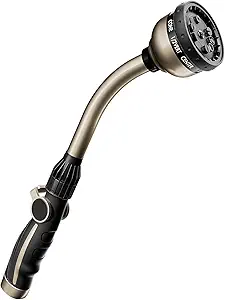
The length of your watering wand is one of the first factors to consider. A longer wand helps you reach plants that are further away or in hard-to-reach places, like hanging baskets or plants at the back of a bed. If you’re watering a large garden, a longer wand (30-36 inches) can save you time and effort. However, for smaller gardens or more compact spaces, a shorter wand might be easier to handle and store.

2. Adjustable Water Flow

Different plants require different amounts of water. An adjustable watering wand lets you control the flow of water, which is especially helpful when you have a mix of plants that need varying amounts of hydration. You can go from a gentle mist for delicate seedlings to a heavy stream for larger, more established plants. This flexibility can be crucial for giving your garden the care it deserves.

3. Spray Patterns

Look for a watering wand that offers multiple spray patterns, such as a fine mist, gentle shower, and strong stream. A gentle mist is great for watering seedlings or delicate flowers, while a strong stream can be used for heavy-duty watering, like on vegetable plants or established shrubs. Having several options ensures you’re prepared for any situation your garden throws at you.

4. Comfortable Grip

Gardening is often a long, labor-intensive activity, so having a comfortable, ergonomic grip on your watering wand is important. Look for a wand with a soft, non-slip handle that will keep your hand from cramping up during extended watering sessions. Some wands also feature trigger grips or valve controls that reduce the amount of force you need to apply, making watering more comfortable.

5. Material Durability

Watering wands are typically made from plastic, metal, or a combination of both. Plastic wands are lightweight and affordable, but they may not be as durable as metal wands. If you’re looking for something more heavy-duty, metal wands are great because they can withstand wear and tear. Just be mindful of the weight, as they can be a bit heavier, especially when full of water.

6. Ease of Use

If you have a larger garden or need to do a lot of watering, it’s important to choose a wand that’s easy to maneuver. Look for a wand with a flexible hose attachment or a swivel feature that lets you easily adjust the angle. This can help you avoid having to move your entire body or hose to get the right angle for watering your plants.

7. Price vs. Quality

Lastly, think about your budget. While it’s tempting to buy the cheapest option available, investing in a quality watering wand can save you time and money in the long run. A higher-quality wand might come with a higher upfront cost, but it will likely last longer and provide a better watering experience.

Choosing the right watering wand can transform your gardening experience. By considering factors like length, adjustable flow, spray patterns, grip comfort, and material durability, you can find a tool that suits your needs and helps your garden thrive. Whether you’re a seasoned gardener or just getting started, having the right watering wand is a simple way to make your gardening routine more efficient and enjoyable.

https://amzn.to/4k7ruA2

Celebrating Earth Day: Small Changes, Big Impact


Earth Day is upon us, and it’s always a good reminder to reflect on our relationship with the planet. While we can’t all be superheroes saving the Earth with big flashy moves, we can each do our part in small but meaningful ways.

Over the years, I’ve started making a few changes that help me feel more connected to nature, even if I’m not out planting trees in a forest. I’m not perfect, but every little bit counts, right?

One thing I’ve embraced is reducing single-use plastics. It was a struggle at first – those plastic bags at the grocery store are just so convenient! But after switching to reusable bags, I realized it wasn’t as hard as I thought. Plus, my “eco-friendly” bags are kind of cute, and I’ve saved a few pennies along the way!

I’ve also started composting. Yes, composting! It seemed like an intimidating task at first, but once I got the hang of it, it was surprisingly easy. Now, instead of throwing away fruit peels and coffee grounds, I’m giving them a second life by helping them turn into rich, nutrient-filled soil for my garden. My plants thank me!

And then there’s gardening, of course. Whether you have a small apartment balcony or a sprawling backyard, growing your own herbs or flowers can be incredibly rewarding. Not only does it add beauty to your space, but it also helps the environment. Every little green thumb helps!

This Earth Day, I’m taking a moment to appreciate the planet – the trees, the oceans, the air we breathe. But I’m also reminded that making small, positive changes can add up over time. So, whether you choose to reduce waste, plant a tree, or just take a walk and enjoy nature, it all matters.

Happy Earth Day, everyone! Let’s continue making our world a little greener, one small step at a time. 🌍💚

https://amzn.to/42M5GDn

Managing Farm Livestock in Hot Weather: Tips for Keeping Animals Cool and Hydrated

Hot weather can pose significant challenges for farm livestock. Just as humans struggle with high temperatures, animals also need special care to stay cool and hydrated. Here are some essential tips for managing your farm livestock during hot weather to ensure their health and well-being.

1. Provide Ample Shade

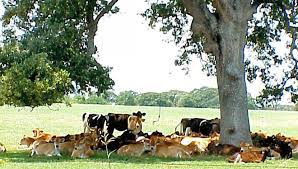
Shade is crucial for protecting livestock from the scorching sun. Ensure that there are plenty of shaded areas available, whether through natural means like trees or constructed shelters. Portable shade structures can also be used to move with the herd or flock as needed.

2. Ensure Access to Clean, Fresh Water

Hydration is vital in hot weather. Ensure that your animals always have access to clean, fresh water. Check water sources regularly and refill them as needed. For larger herds, consider using automatic waterers to maintain a constant supply.

3. Use Fans and Misters

For indoor animals or those kept in barns, fans and misters can significantly reduce heat stress. Fans help to circulate air, while misters spray a fine mist of water to cool the environment. These tools can make a big difference in keeping animals comfortable.

4. Adjust Feeding Times

Feed your livestock during the cooler parts of the day, such as early morning or late evening. Digestion generates heat, so avoiding feeding during the hottest part of the day can help keep animals cooler. Provide high-quality forage and avoid overfeeding.

5. Monitor for Signs of Heat Stress

Be vigilant in watching for signs of heat stress in your animals. Symptoms can include heavy panting, excessive drooling, lethargy, and decreased appetite. If you notice any of these signs, take immediate action to cool the animal down, such as moving it to a shaded area and offering water.

6. Shearing and Grooming

For animals with thick coats, regular shearing or grooming can help them stay cooler. Removing excess wool or hair reduces insulation and allows for better heat dissipation.

7. Use Electrolytes

Consider adding electrolytes to the water supply to help animals maintain proper hydration and balance during extreme heat. Electrolytes can be especially beneficial for young or lactating animals.

Managing farm livestock in hot weather requires proactive measures to keep animals cool and hydrated. By providing ample shade, ensuring access to clean water, using fans and misters, adjusting feeding times, monitoring for heat stress, grooming, and using electrolytes, you can protect your livestock from the dangers of heat stress. With these tips, you can ensure your animals remain healthy and productive, even in the hottest weather.

Planning a Summer Festival: Celebrating Community and Local Produce

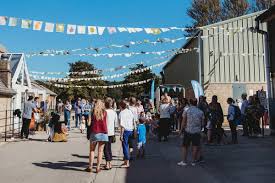
As summer reaches its peak, there’s no better way to celebrate the season than by planning a Summer  Festival. This event not only brings the community together but also highlights the importance of local produce and sustainable farming practices. Here are some ideas for community engagement and farm events that will make your Summer Harvest Festival a memorable occasion for all.

Ideas for Community Engagement

Farmers’ Market:
– Local Vendors: Invite local farmers, artisans, and food producers to set up stalls. This creates an opportunity for community members to purchase fresh produce and handmade goods directly from the source.
– Cooking Demonstrations: Arrange for local chefs to demonstrate how to cook with seasonal ingredients. This can inspire attendees to incorporate more local produce into their meals.

Educational Workshops:
-Gardening Tips: Offer workshops on home gardening, composting, and sustainable farming practices. These sessions can empower attendees to grow their own food and make eco-friendly choices.
-Nutrition and Wellness: Host talks on the nutritional benefits of eating fresh, local produce. Provide tips on how to create balanced meals using ingredients from the festival.

Family Activities:
– Petting Zoo: Set up a petting zoo with farm animals. This is a great way to educate children about animals and farming.
– Crafts and Games:Organize craft stations where kids can create farm-themed artwork. Include games like sack races, corn hole, and scavenger hunts to keep everyone entertained.

Community Contests:
– Best Pie Contest: Encourage bakers to showcase their best pie recipes, with a focus on using local ingredients. Offer prizes for the tastiest and most creative pies.

Farm Event Highlights

Farm Tours:
– Guided Tours:Offer guided tours of the farm, showcasing different crops, livestock, and farming techniques. This gives attendees a deeper understanding of where their food comes from.
– Interactive Stations:Set up interactive stations where visitors can learn about planting, harvesting, and animal care. This hands-on experience can be both educational and engaging.

Pick-Your-Own:
– U-Pick Areas:Designate areas where attendees can pick their own fruits and vegetables. This not only provides a fun activity but also helps people appreciate the effort involved in harvesting crops.
– Harvest Baskets:Provide baskets or bags for visitors to collect their picks. Consider offering a variety of seasonal produce to choose from.

Farm-to-Table Dining:
-Farm Dinners: Host a farm-to-table dinner featuring dishes made from fresh, local ingredients. This can be a ticketed event with limited seating to create an intimate, exclusive experience.
– Food Trucks:Invite food trucks that specialize in using local produce. This adds variety to the dining options and supports local businesses.

A Summer Festival is a wonderful way to celebrate the season, bring the community together, and highlight the importance of local produce. By incorporating a variety of engaging activities, educational workshops, and farm events, you can create an unforgettable experience that benefits everyone involved.


The Best Times to Water Your Crops: Early Morning and Late Evening

Ensuring that your crops receive the right amount of water is crucial for maximizing yield and maintaining plant health. One of the simplest yet most effective practices you can adopt is watering your crops during the cooler parts of the day—early in the morning or late in the evening. Here’s why this timing matters and how it can benefit your farm.

Why Timing Matters

Reduced Water Loss:
Watering during the cooler parts of the day helps minimize water loss due to evaporation. When you water during the heat of the day, a significant amount of water can evaporate before it even reaches the roots of your plants. Early morning and late evening watering ensures that more water is available for your crops to absorb.

Better Absorption:
Plants can better absorb water when the temperatures are lower. Early morning watering allows the soil to stay moist for a longer period, providing your plants with the hydration they need to withstand the heat of the day. In the evening, watering can help cool down the plants and soil, reducing stress from the day’s heat.

Reduced Risk of Disease:
Watering late in the evening can lead to prolonged periods of wet foliage, which can promote the growth of fungal diseases. Therefore, morning watering is often preferred as it allows the foliage to dry quickly, reducing the risk of disease.

Benefits of Early Morning Watering

Optimal Moisture Levels:
By watering early in the morning, you provide your plants with adequate moisture to start the day. This helps them stay hydrated and healthy throughout the hotter hours.

Efficient Use of Water:
Watering in the early morning reduces evaporation, ensuring that more water reaches the plant roots. This makes your irrigation efforts more efficient and conserves water.

Promotes Healthy Growth:
Consistent morning watering helps establish strong root systems. Healthy roots are essential for nutrient uptake and overall plant growth.

Benefits of Late Evening Watering

Cooling Effect:
Watering in the late evening can help cool down the plants and soil after a hot day. This can reduce plant stress and prevent wilting.

Extended Absorption Time:
Evening watering allows the water to soak into the soil overnight, providing ample time for the roots to absorb moisture before the next day’s heat.

Flexible Schedule:
For some farmers, evening watering may be more convenient due to other daily tasks. As long as you avoid watering too late to prevent prolonged wet foliage, evening watering can be a viable option.

Best Practices for Watering

Check Soil Moisture:
Before watering, check the soil moisture to ensure you’re not over watering. Overwatering can lead to root rot and other issues.

Use the Right Amount of Water:
Ensure that you’re providing enough water to reach the root zone but not so much that it leads to runoff or waterlogging.

Water at the Base:
Focus on watering at the base of the plants rather than overhead. This reduces water waste and prevents wet foliage, which can lead to disease.

Mulch Your Plants:
Mulching helps retain soil moisture and keeps the soil temperature stable. This can enhance the benefits of your watering schedule.

Watering your crops early in the morning or late in the evening is a simple yet effective practice that can significantly benefit your farm. By reducing water loss due to evaporation, ensuring better water absorption, and minimizing the risk of disease, you can promote healthier and more productive plants.

Maximizing Crop Yield During the Summer Heat

Summer can be a challenging time for farmers, with high temperatures and intense sunlight putting stress on crops. However, with careful planning and effective techniques, you can ensure your crops stay healthy and productive throughout the hottest months of the year. Here are some tips for keeping crops hydrated and best practices for soil management to help maximize your crop yield during the summer heat.

Tips for Keeping Crops Hydrated

1. Implement Efficient Irrigation Systems
–  Drip irrigation delivers water directly to the root zone, minimizing evaporation and ensuring that plants receive a steady supply of moisture. It’s one of the most efficient ways to water crops, especially during hot weather.
– Soaker Hoses: These hoses allow water to seep out slowly along their length, providing consistent moisture to plants. They’re particularly useful for row crops and raised beds.

2. Water Early in the Morning or Late in the Evening
– Watering during the cooler parts of the day reduces water loss due to evaporation and ensures that plants can absorb moisture before the heat sets in. Early morning watering is often preferred as it gives plants the hydration they need to withstand the day’s heat.

3. Mulch Your Soil
– Applying a layer of mulch around your plants helps retain soil moisture by reducing evaporation. Organic mulches, such as straw, grass clippings, or wood chips, also improve soil structure and provide nutrients as they decompose.

4. Use Shade Cloths or Row Covers
– Shade cloths can help protect crops from the intense afternoon sun, reducing water stress and preventing leaf burn. Row covers can also help retain moisture and provide a barrier against pests.

5. Group Plants with Similar Water Needs
– Grouping plants with similar water requirements together makes it easier to manage irrigation efficiently and ensures that all plants receive the appropriate amount of water.

Best Practices for Soil Management

1. Regularly Test Your Soil
– Conduct soil tests to determine nutrient levels and pH balance. Understanding your soil’s composition allows you to make informed decisions about fertilization and amendments to optimize plant growth.

2. Enhance Soil Structure with Organic Matter
– Adding compost, well-rotted manure, or other organic matter improves soil structure, increases its water-holding capacity, and promotes healthy root development. Organic matter also encourages beneficial microbial activity in the soil.

3. Practice Crop Rotation
– Rotating crops helps prevent soil depletion and reduces the risk of pest and disease buildup. Different crops have varying nutrient needs and rooting structures, which can help maintain soil health and fertility.

4. Implement No-Till or Low-Till Farming
– Minimizing soil disturbance preserves soil structure, retains moisture, and reduces erosion. No-till or low-till practices also help maintain the habitat for beneficial soil organisms.

5. Use Cover Crops
– Planting cover crops during the off-season protects the soil from erosion, improves soil structure, and enhances nutrient content. Leguminous cover crops, such as clover or beans, can also fix nitrogen in the soil, reducing the need for chemical fertilizers.

6. Monitor Soil Moisture Levels
– Regularly check soil moisture to ensure your crops are getting the right amount of water. Using soil moisture sensors or simply digging a small hole to check moisture levels can help you make informed irrigation decisions.

Maximizing crop yield during the summer heat requires a combination of effective irrigation practices and diligent soil management. By keeping your crops hydrated through efficient watering methods and enhancing your soil’s health and structure, you can ensure your plants thrive even in the hottest conditions. Embrace these strategies to boost your farm’s productivity and enjoy a bountiful harvest despite the summer heat.

Thinking Like a Farmer: Navigating Life’s Seasons with Resilience

It’s often beneficial to adopt the mindset of a farmer. Farming is a timeless profession that imparts valuable lessons, one of the most significant being the understanding that there will always be good seasons and bad seasons, and the weather is beyond one’s control. The key is not controlling the weather, but being prepared for it.

1. Embracing Cycles:
Farmers recognize that life, like the seasons, is a continuous cycle. Just as a harsh winter yields to a bountiful spring, life has its ups and downs. Accepting this ebb and flow can ease the emotional strain when challenges arise.

2. Preparedness and Resilience:
Farmers prepare for adversity. They store surplus crops for lean times and repair equipment before it breaks. Similarly, in life, being prepared and building resilience are crucial. This means having financial savings, a support network, and the emotional fortitude to weather life’s storms.

3. Patience and Adaptability:
Farmers know the value of patience. They understand that some things take time. They also adapt to changing circumstances. In life, patience and adaptability are essential. Waiting for better times and adapting to new challenges with grace are virtues worth cultivating.

4. Gratitude and Perspective:
Farmers are grateful for good seasons and don’t take them for granted. In life, recognizing and appreciating the good times can provide solace during difficult ones. Keeping perspective is invaluable.

5. Community and Sharing:
Farmers often form tight-knit communities, helping one another in times of need. In life, leaning on your community and offering support to others can provide strength during personal “bad seasons.”

Thinking like a farmer means understanding that good and bad seasons are part of life’s natural rhythm. We can’t control the weather, but we can control our preparedness, resilience, patience, and perspective. Embracing these principles can help us navigate life’s challenges with greater fortitude and grace. Just as the farmer’s fields bloom again after a harsh winter, so too can we find renewal and growth after life’s difficult seasons.

5 Ways Farmers Can Celebrate Earth Day

Happy Earth Day! Farmers have a special relationship with the Earth. We rely on its soil, water, and sun to grow the crops that feed the world. That’s why it’s so important for us to take care of the planet we call home. Here are a few ways that farmers can celebrate Earth Day.

Practice Sustainable Agriculture: Sustainable agriculture is all about balancing the needs of the environment with the needs of the farmer. By using techniques like crop rotation, cover cropping, and integrated pest management, farmers can reduce their impact on the environment while still producing high-quality crops.

Reduce Energy Use: Farming can be a very energy-intensive industry, but there are ways to reduce your energy use and lower your carbon footprint. For example, you can switch to energy-efficient equipment, and install solar panels.

Conserve Water: Water is one of our most precious resources, and farmers need it to grow their crops. That’s why it’s important to conserve water wherever possible. This can be done through techniques like drip irrigation, using drought-resistant crops, and capturing rainwater.

Protect Wildlife: As farmers, we share our land with a variety of wildlife. By creating habitats and protecting endangered species, we can help preserve the natural balance of our ecosystems.

Support Local Food Systems: When you buy locally grown food, you’re supporting farmers in your community and reducing the environmental impact of long-distance food transportation. By supporting local food systems, we can create a more sustainable and resilient food system for everyone.

On this Earth Day, let’s all take a moment to appreciate the beauty and importance of our planet.

As an Amazon Assoicate, I earn from qualifying purchases.