Dirt Hands

Are the Hands Dirty Enough?

Take a good look at those hands. Are they dirty enough? Look under the fingernails—sure, there’s a little dirt there. That’s a start. But something’s missing.

No cuts. No bruises. No calluses that tell a story. These look like greenhouse hands—clean dirt, safe dirt. Not the kind that comes from seasons spent under the sun, breaking ground, and wrestling with the earth.

Maybe what we need are more e-farmers—the kind of folks who aren’t afraid to get their hands truly dirty. The kind of dirt that no soap can wash away. The kind that seeps in over years of hard work, early mornings, and late evenings tending to something that matters.

Because dirty hands are more than a sign of labor—they’re a badge of commitment. Of patience. Of pride.

So yes, years of dirt under the nails, but hands still clean enough to walk his daughter down the aisle.

That’s the kind of dirt we need more of.

Capture Nature in Clay: The Art of Botanical Bas-Relief

There’s something magical about freezing a moment in nature—capturing the delicate curve of a petal, the intricate veins of a leaf, or the subtle texture of a stem. Casting Flowers offers a creative way to do just that, introducing botanical bas-relief as a rewarding art form for beginners and seasoned artists alike.

What is Botanical Bas-Relief?

Botanical bas-relief is a technique where artists create low-relief impressions of flowers and plants in clay and plaster. Unlike flat drawings or pressed flowers, this method preserves the texture, pattern, and delicate details of each plant, turning them into lasting, three-dimensional works of art.

Simple Materials, Stunning Results

All you need is a few basic materials: clay, flowers or plants, and plaster. Even a single stem can be transformed into a beautiful piece, or you can create elaborate compositions reminiscent of a wildflower meadow. The process is forgiving enough for beginners, yet versatile enough to challenge more experienced creators.

Bring Your Pieces to Life

Once your plaster cast is dry, you can leave it bare for an elegant, minimalist look—or add color with paints to breathe life back into the flowers. Each piece becomes a unique celebration of nature, a personal snapshot of its beauty preserved in time.

Why Try It?

  • Creative satisfaction: Even beginners can achieve professional-looking results.

  • Mindful practice: The process encourages observation, patience, and appreciation for natural details.

  • Decorative art: Finished pieces make beautiful, personalized home décor or gifts.

Botanical bas-relief lets you hold a piece of nature in your hands, capturing the essence of flowers and plants in a tangible, artistic way. Whether you leave your casts natural or painted, each creation tells a story of beauty, texture, and delicate artistry.

https://amzn.to/41HbEph

Celebrating Earth Day: Small Changes, Big Impact


Earth Day is upon us, and it’s always a good reminder to reflect on our relationship with the planet. While we can’t all be superheroes saving the Earth with big flashy moves, we can each do our part in small but meaningful ways.

Over the years, I’ve started making a few changes that help me feel more connected to nature, even if I’m not out planting trees in a forest. I’m not perfect, but every little bit counts, right?

One thing I’ve embraced is reducing single-use plastics. It was a struggle at first – those plastic bags at the grocery store are just so convenient! But after switching to reusable bags, I realized it wasn’t as hard as I thought. Plus, my “eco-friendly” bags are kind of cute, and I’ve saved a few pennies along the way!

I’ve also started composting. Yes, composting! It seemed like an intimidating task at first, but once I got the hang of it, it was surprisingly easy. Now, instead of throwing away fruit peels and coffee grounds, I’m giving them a second life by helping them turn into rich, nutrient-filled soil for my garden. My plants thank me!

And then there’s gardening, of course. Whether you have a small apartment balcony or a sprawling backyard, growing your own herbs or flowers can be incredibly rewarding. Not only does it add beauty to your space, but it also helps the environment. Every little green thumb helps!

This Earth Day, I’m taking a moment to appreciate the planet – the trees, the oceans, the air we breathe. But I’m also reminded that making small, positive changes can add up over time. So, whether you choose to reduce waste, plant a tree, or just take a walk and enjoy nature, it all matters.

Happy Earth Day, everyone! Let’s continue making our world a little greener, one small step at a time. 🌍💚

https://amzn.to/42M5GDn

Sometimes Growth Requires New Locations, People, and Perspective

There’s a reason repotting a plant can make all the difference—it’s not that the plant was broken, it just outgrew the container it was in.

The same thing can happen in our lives.

Sometimes growth requires new soil. A new environment. A new circle. A fresh perspective.

It’s not always easy to recognize when we’ve outgrown a season, a space, or even some relationships. But the discomfort you feel? The sense that something just isn’t right anymore? That might be your sign that it’s time to stretch. Time to expand.

Growth doesn’t always happen in familiar places. Sometimes, you need to step into something unknown to see what you’re really capable of.

That might mean changing your scenery—physically or mentally. It might mean seeking out people who push you to be better, who believe in you, who think big. It might mean looking at the same life through a new lens.

And while change can be unsettling, it also holds incredible power. You’re not abandoning where you’ve been—you’re honoring it by using it as the foundation for what’s next.

Let it. 🌱

You Can’t Rush the Harvest: Why Patience Is Power

In the garden, you don’t plant a seed and dig it up the next day to see if it’s growing.

You plant, you water, you tend—and you wait. It takes time. The sun, the rain, the soil, and the quiet days when nothing seems to be happening all play a part. And then—almost like magic—growth begins to show.

But it’s not magic. It’s patience.

Rushing Doesn’t Help the Crop Grow Faster

We live in a world of quick answers and instant results. We want transformation by next week. Success overnight. Change in a flash. But real things—the things that matter—don’t work like that.

Whether it’s your career, your relationships, your health, or your dreams, rushing the process won’t bring the results any sooner. It often leads to frustration, burnout, or giving up too soon.

The Lost Art of Patience

Patience is becoming a lost art, but it’s one of the most powerful tools we have. When you learn to wait well—to keep showing up, keep nurturing, keep believing even when nothing seems to be happening—that’s when the real transformation takes root.

There’s a quiet strength in patience. It doesn’t mean sitting still and doing nothing. It means continuing with faith and trust that your effort is not wasted.

In the Right Season, With the Right Conditions, Growth Happens

You can’t control everything. You can only control what you plant, how you care for it, and whether you stick with it. The rest? That’s timing, environment, and a bit of grace.

So plant the seeds. Tend your soil. Water your dreams. And then… trust.

In the right season, when the conditions align, the results will show up—and they’ll be worth the wait.

Don’t give up because you don’t see instant growth. Stay patient. Stay steady. The harvest is coming.

Pruning Is Necessary: Letting Go to Grow

In gardening, pruning is essential. We cut back dead branches, remove overgrown areas, and shape plants to encourage stronger, healthier growth. But pruning isn’t just for gardens—it’s a vital life lesson. Sometimes, we must cut back what no longer serves us to allow room for new opportunities, personal growth, and success.

1. Letting Go of Bad Habits

Just like dead branches drain energy from a plant, bad habits drain energy from our lives. Whether it’s procrastination, unhealthy routines, or negative self-talk, these habits stunt our growth. By recognizing and cutting them away, we make space for better choices that move us forward.

How to Start Pruning Bad Habits:

  • Identify one habit holding you back.
  • Replace it with a positive action (e.g., swap late-night scrolling for reading or journaling).
  • Stay consistent—small changes lead to big results over time.

2. Removing Negative Influences

In a garden, some plants block sunlight or steal nutrients from others. In life, certain people or environments do the same. If someone constantly discourages you or drains your energy, it might be time to step back.

Ask Yourself:

  • Do the people around me uplift or bring me down?
  • Do I leave certain situations feeling inspired or exhausted?
  • Am I holding onto relationships out of obligation rather than growth?

It doesn’t mean cutting people off harshly, but rather setting boundaries and choosing to surround yourself with positivity and encouragement.

3. Trimming Away Old Ways of Thinking

Our mindset shapes our reality. Holding onto limiting beliefs—such as “I’m not good enough” or “Success is for other people”—keeps us stuck. Just as a tree grows stronger after careful pruning, we grow when we release outdated, self-defeating thoughts.

Ways to Shift Your Mindset:

  • Replace negative thoughts with empowering ones (e.g., “I can’t” → “I’m learning”).
  • Challenge fears by taking small risks outside your comfort zone.
  • Seek out mentors, books, or experiences that expand your perspective.

4. Making Room for Fresh Growth

When you prune a plant, it might look bare for a while—but soon, new, vibrant growth appears. The same happens in life. Letting go may feel uncomfortable at first, but it creates space for better opportunities, stronger relationships, and personal transformation.

Take Action Today:

  • Identify one thing—habit, relationship, or mindset—that no longer serves you.
  • Make a small change to release it.
  • Stay committed to growth and trust the process.

By pruning wisely, we create space for new possibilities, healthier habits, and a brighter future. What’s one thing you need to let go of to grow stronger? 🌱

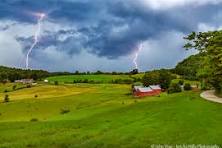
Tragedy in Colorado: Lightning Strike Claims the Life of Rancher and His Cattl

BE CAREFUL IN THE ELECTRICAL STORM

This past weekend, a devastating lightning strike near the town of Rand, Colorado, resulted in the tragic deaths of 51-year-old cattle rancher Mike Morgan and 34 of his cattle. The incident, reported by the Jackson County Sheriff’s Office, serves as a somber reminder of the powerful and unpredictable nature of lightning storms.

A Heartbreaking Incident

On Sunday, Mike Morgan was performing a routine task, feeding his herd with hay from a trailer. The peaceful moment was shattered when lightning struck, claiming his life despite immediate life-saving efforts. Morgan’s father-in-law and wife were nearby and fortunately survived the incident, but the strike also bowled over dozens more cattle that were gathered around the trailer.

The Dangers of Lightning

Lightning strikes are most common during the summer months, peaking in June. According to the National Weather Service, five of the top ten lightning days in 2023 occurred between June 14 and June 21. These intense storms typically hit areas from the edge of the Rockies, through the Middle Plains, and to the Southeast, with large thunderstorms in the Northern Plains and eastern states also contributing.

This tragic event is a stark reminder of the risks associated with lightning and the importance of taking appropriate precautions during storms.

Lightning Safety Tips

When you hear thunder rolling in, it’s crucial to seek shelter and follow these safety guidelines to minimize the risk of injury:

  1. Seek Shelter Indoors: The safest place during a lightning storm is indoors. Avoid staying outside or under trees.
  2. Avoid Using Corded Phones: Using a corded phone during a thunderstorm is one of the leading causes of indoor lightning injuries.
  3. Stay Away from Windows, Doors, and Porches: Being in an interior room is safest during a thunderstorm.
  4. Avoid Electrical Equipment and Cords: Unplug devices before the storm arrives if possible. Do not touch any electrical devices during the storm.
  5. Avoid Plumbing: Do not wash your hands, do dishes, take a shower or bath, or do laundry during a thunderstorm, as metal plumbing conducts electricity.
  6. Steer Clear of Concrete Surfaces: Lightning can travel through metal wires or bars in concrete walls and flooring, such as in basements or garages.
  7. Vehicle Safety: If you are in a vehicle, roll up the windows and avoid contact with metal surfaces and portable electronic devices plugged in for charging.

Reflecting on the Loss

The tragic death of Mike Morgan and his cattle has undoubtedly left a void in the community. Ranching is not just a profession but a way of life that deeply connects individuals to their land and livestock. The loss resonates beyond the immediate family, impacting friends, neighbors, and the larger agricultural community.

As we mourn this loss, it’s essential to raise awareness about the dangers of lightning and ensure that we all take necessary precautions to protect ourselves and our loved ones. The power of nature is awe-inspiring, but it also demands our respect and caution.

Our thoughts and prayers go out to the Morgan family and all those affected by this heartbreaking event.

https://www.usatoday.com/story/news/nation/2024/05/28/colorado-cattle-rancher-dies-lightning-strike/73881915007/