You Can’t Rush the Harvest: Why Patience Is Power

In the garden, you don’t plant a seed and dig it up the next day to see if it’s growing.

You plant, you water, you tend—and you wait. It takes time. The sun, the rain, the soil, and the quiet days when nothing seems to be happening all play a part. And then—almost like magic—growth begins to show.

But it’s not magic. It’s patience.

Rushing Doesn’t Help the Crop Grow Faster

We live in a world of quick answers and instant results. We want transformation by next week. Success overnight. Change in a flash. But real things—the things that matter—don’t work like that.

Whether it’s your career, your relationships, your health, or your dreams, rushing the process won’t bring the results any sooner. It often leads to frustration, burnout, or giving up too soon.

The Lost Art of Patience

Patience is becoming a lost art, but it’s one of the most powerful tools we have. When you learn to wait well—to keep showing up, keep nurturing, keep believing even when nothing seems to be happening—that’s when the real transformation takes root.

There’s a quiet strength in patience. It doesn’t mean sitting still and doing nothing. It means continuing with faith and trust that your effort is not wasted.

In the Right Season, With the Right Conditions, Growth Happens

You can’t control everything. You can only control what you plant, how you care for it, and whether you stick with it. The rest? That’s timing, environment, and a bit of grace.

So plant the seeds. Tend your soil. Water your dreams. And then… trust.

In the right season, when the conditions align, the results will show up—and they’ll be worth the wait.

Don’t give up because you don’t see instant growth. Stay patient. Stay steady. The harvest is coming.

Pruning Is Necessary: Letting Go to Grow

In gardening, pruning is essential. We cut back dead branches, remove overgrown areas, and shape plants to encourage stronger, healthier growth. But pruning isn’t just for gardens—it’s a vital life lesson. Sometimes, we must cut back what no longer serves us to allow room for new opportunities, personal growth, and success.

1. Letting Go of Bad Habits

Just like dead branches drain energy from a plant, bad habits drain energy from our lives. Whether it’s procrastination, unhealthy routines, or negative self-talk, these habits stunt our growth. By recognizing and cutting them away, we make space for better choices that move us forward.

How to Start Pruning Bad Habits:

  • Identify one habit holding you back.
  • Replace it with a positive action (e.g., swap late-night scrolling for reading or journaling).
  • Stay consistent—small changes lead to big results over time.

2. Removing Negative Influences

In a garden, some plants block sunlight or steal nutrients from others. In life, certain people or environments do the same. If someone constantly discourages you or drains your energy, it might be time to step back.

Ask Yourself:

  • Do the people around me uplift or bring me down?
  • Do I leave certain situations feeling inspired or exhausted?
  • Am I holding onto relationships out of obligation rather than growth?

It doesn’t mean cutting people off harshly, but rather setting boundaries and choosing to surround yourself with positivity and encouragement.

3. Trimming Away Old Ways of Thinking

Our mindset shapes our reality. Holding onto limiting beliefs—such as “I’m not good enough” or “Success is for other people”—keeps us stuck. Just as a tree grows stronger after careful pruning, we grow when we release outdated, self-defeating thoughts.

Ways to Shift Your Mindset:

  • Replace negative thoughts with empowering ones (e.g., “I can’t” → “I’m learning”).
  • Challenge fears by taking small risks outside your comfort zone.
  • Seek out mentors, books, or experiences that expand your perspective.

4. Making Room for Fresh Growth

When you prune a plant, it might look bare for a while—but soon, new, vibrant growth appears. The same happens in life. Letting go may feel uncomfortable at first, but it creates space for better opportunities, stronger relationships, and personal transformation.

Take Action Today:

  • Identify one thing—habit, relationship, or mindset—that no longer serves you.
  • Make a small change to release it.
  • Stay committed to growth and trust the process.

By pruning wisely, we create space for new possibilities, healthier habits, and a brighter future. What’s one thing you need to let go of to grow stronger? 🌱

The Farmer’s Almanac: A Timeless Guide for Gardeners and Farmers

For centuries, the Farmer’s Almanac has been a trusted resource for farmers, gardeners, and anyone seeking wisdom about nature, weather, and the changing seasons. Packed with practical advice, planting schedules, long-range weather forecasts, and folklore, this annual publication continues to serve as a guide to living in harmony with the land.

A Brief History

The Farmer’s Almanac was first published in 1818, though similar almanacs have existed for much longer. It was designed to provide weather predictions, agricultural tips, and helpful hints for rural communities. Over time, it has evolved, incorporating modern science while still holding onto its traditional roots.

What’s Inside?

Each edition of the Farmer’s Almanac contains:

  • Long-Range Weather Forecasts – Based on a secret formula, these forecasts help farmers and gardeners plan for the seasons ahead.
  • Planting Calendars – Ideal for those who follow moon cycles and traditional wisdom when planting their crops.
  • Gardening Tips – From pest control to soil care, the almanac offers practical advice for growing a successful garden.
  • Folklore and Natural Remedies – Old-fashioned wisdom about everything from predicting rain to home remedies for common ailments.
  • Astronomical Events – Guides to eclipses, meteor showers, and the best times to observe the night sky.

Why People Still Use It Today

Despite modern technology and advanced weather forecasting, the Farmer’s Almanac remains popular because of its blend of science, tradition, and practical advice. Many gardeners still swear by its planting guides, and weather enthusiasts enjoy comparing its predictions with actual conditions.

How to Use It for Gardening

If you’re a gardener, here are a few ways to make the most of the Farmer’s Almanac:

  1. Check the Frost Dates – Knowing the average first and last frost dates helps you plan your planting schedule.
  2. Follow the Moon Phases – Some believe that planting by the moon leads to better harvests. The almanac provides a detailed lunar planting guide.
  3. Take Note of Weather Patterns – While not always 100% accurate, long-range weather predictions can help you prepare for potential droughts or heavy rains.

The Farmer’s Almanac is more than just a book; it’s a tradition passed down through generations. Whether you’re a serious farmer, a backyard gardener, or simply enjoy seasonal wisdom, it remains a valuable and entertaining resource.

https://amzn.to/4hUAGqF

Finding Balance: Lessons from the Garden

In the garden, plants thrive when they receive the right balance of water, sunlight, and nutrients. Too much of one, and they may wilt; too little, and they won’t grow. It’s a delicate dance, a harmonious relationship between nature’s elements. In many ways, our lives mirror this cycle. Just as plants require balance to flourish, we need balance in our own lives for growth and well-being. Work, rest, and relationships must be nurtured in the right proportions for us to thrive.

The Importance of Balance in Life

Life is often a juggling act—work demands our attention, relationships pull us in different directions, and our own need for rest is sometimes overlooked. Much like a garden that requires a thoughtful combination of water, sunlight, and soil, we need to pay attention to different areas of our lives to maintain our overall health and happiness.

  1. Work: The Sunlight of Productivity

    In the garden, sunlight is crucial for growth. Without it, plants cannot thrive. Similarly, work and productivity are essential for our own growth—whether it’s personal development, career success, or pursuing our passions. However, just as too much sunlight can scorch a plant, overworking ourselves can lead to burnout. We need enough light to help us grow but also shade to prevent damage.

    Striking a balance between productivity and rest allows us to give our best at work without compromising our health or personal life. Set boundaries, prioritize tasks, and make space for rest.

  2. Rest: The Water for Recovery

    Plants rely on water to stay hydrated and healthy. Without it, they can’t absorb the nutrients they need, and they begin to wither. Likewise, rest is the water we need to recharge and stay balanced. When we don’t prioritize rest, we can’t function at our highest level, and our overall well-being suffers.

    Rest doesn’t just mean sleep—it’s about taking time to unplug, disconnect, and recharge. Whether it’s enjoying a hobby, meditating, or simply doing nothing, taking time to relax helps restore our mental, emotional, and physical health.

  3. Relationships: The Soil That Nurtures Us

    Just as soil provides a foundation for a plant’s roots, relationships ground and nourish us. We need a solid support system—family, friends, colleagues, or community—who help us weather life’s challenges and celebrate our successes. Without healthy, meaningful relationships, we can feel disconnected, like a plant deprived of nutrients.

    Cultivating strong relationships requires time, effort, and understanding. Just as plants need regular care, so do our connections with others. By giving and receiving love, support, and encouragement, we ensure that our personal garden of relationships flourishes.

How to Find Balance in Your Life

Just as in the garden, achieving balance in life is an ongoing process. Here are a few tips to help you find your equilibrium:

  • Prioritize Your Health: Just like plants need water and sunlight to grow, your body needs rest, nutrition, and exercise. Take care of yourself so you can take care of everything else.
  • Set Boundaries: Learn to say no when you need to. Just as too much sunlight can be harmful to plants, overcommitting yourself can lead to stress and burnout.
  • Focus on What Matters: In the garden, we must tend to the most important plants. Similarly, focus on the relationships and tasks that matter most to your happiness and fulfillment.
  • Be Flexible: Sometimes the weather changes unexpectedly, and we must adjust. Life doesn’t always go as planned, so being adaptable is key to finding balance.
  • Make Time for Yourself: Ensure that you have regular breaks and time away from work or social obligations to rest and recharge.

In the same way that a garden thrives when it receives the right amount of water, sunlight, and care, our lives require balance to grow and flourish. By tending to the different areas of our lives—work, rest, and relationships—we can nurture ourselves, avoid burnout, and achieve a sense of well-being. Just as every plant needs a unique balance of elements, each of us must discover our own ideal mix to thrive. Remember, life isn’t about perfection, it’s about finding harmony in the rhythms of your own journey.

What are some ways you maintain balance in your life?


What Farmers Can Do About the Current Egg Shortage: Strategies for Resilience

In recent months, grocery store shelves across the U.S. have been left with empty or nearly empty egg sections. From pasture-raised to organic, consumers are struggling to find their preferred eggs, and the problem isn’t showing signs of disappearing anytime soon. While many factors contribute to the shortage—including supply chain issues, avian flu, and rising feed costs—farmers can take proactive steps to weather the storm and keep their businesses running smoothly.

If you’re a farmer in the egg industry, here are a few strategies to consider in response to the current crisis:

1. Diversify Your Egg Production

One of the first things farmers can do is diversify the types of eggs they produce to appeal to a wider market.

  • Offer a variety of egg types: If you’re focusing on one specific type of egg, like organic or pasture-raised, now may be the time to explore other options like free-range or omega-3 enriched eggs.
  • Consider niche markets: Think about special offerings like brown eggs, colored eggs, or eggs from heritage breeds. These unique products can help differentiate your farm and attract customers.

2. Build Strong Direct-to-Consumer Sales Channels

While supermarket shelves may be empty, there’s a growing opportunity for farmers to directly connect with consumers.

  • Farmers’ markets: If you aren’t already, consider setting up a booth at local farmers’ markets where consumers can buy directly from you.
  • Subscription services: Offer egg delivery subscriptions to your local community. People love the convenience, and it ensures that they always have fresh eggs while you build a loyal customer base.
  • Online presence: Create or enhance your online presence through social media and e-commerce platforms where people can place orders directly from your farm.

3. Focus on Animal Health and Sustainability

The egg shortage has brought attention to the importance of raising healthy, well-cared-for chickens. Sustainable and humane farming practices are in high demand.

  • Pasture management: Invest in sustainable and regenerative farming practices to maintain the health of your hens and their environment. Healthy hens will produce higher-quality eggs, which will make your product stand out.
  • Feed and nutrition: Proper nutrition is essential for high egg production. Evaluate your feed and consider sourcing local grains to mitigate rising feed costs. Consider growing your own feed or forming co-ops with other local farmers to reduce costs.
  • Health protocols: Ensure biosecurity measures are in place to prevent diseases like avian flu from impacting your flock. A healthy flock means less disruption to egg production.

4. Collaborate with Other Farmers and Industry Leaders

Farmers don’t have to face the challenges of the egg shortage alone. By working together, we can build stronger, more resilient communities.

  • Join co-ops: Pooling resources with other local farmers can help with purchasing feed, equipment, and even marketing efforts to reach more customers.
  • Advocate for the industry: Work with industry leaders to advocate for policies that support egg farmers, such as subsidies or grants that help alleviate financial burdens caused by rising costs.
  • Collaborate on research: Partner with agricultural organizations to stay on top of the latest research and best practices for egg production during challenging times.

5. Improve Marketing and Transparency

In times of shortage, consumers are more likely to support local farmers they trust. To gain consumer confidence, be transparent about your practices and share your story.

  • Transparency: Be open about how your eggs are produced, your farming practices, and what makes your eggs different. This will build trust with consumers.
  • Storytelling: People want to know where their food comes from. Share your journey and the care you take in raising your hens. Show the behind-the-scenes of your farm through social media or farm tours.
  • Packaging and labeling: Make sure your eggs are clearly labeled with important information such as “pasture-raised,” “organic,” or “local.” This will help consumers make informed decisions.

6. Educate Consumers About the Value of Local Eggs

The egg shortage can be a great opportunity to educate your community on the value of local, sustainably raised eggs.

  • Promote the benefits: Highlight the nutritional advantages of locally produced eggs, like higher omega-3 content and better flavor.
  • Offer farm tours: Provide educational tours where consumers can see your farm in action, learn about how your eggs are produced, and understand the care you take with your hens.
  • Work with schools and local businesses: Partner with local schools or restaurants to introduce your eggs to a larger audience.

While the egg shortage has certainly created challenges, it also presents opportunities for farmers to become more resilient, creative, and connected with their local communities. By diversifying egg production, building strong relationships with consumers, and embracing sustainable farming practices, farmers can thrive in these challenging times.

The egg shortage may not be over soon, but your ability to adapt and innovate can help your farm stand strong. Farmers are essential to the food supply chain, and with determination and resilience, we can continue to meet the needs of consumers while building a more sustainable future for egg production.

Urban Farming in Detroit: A Story of Resilience and Renewal

Detroit, once known as the heart of the American automotive industry, experienced a steep economic downturn and population decline in the late 20th and early 21st centuries. Many neighborhoods fell into disrepair, and vast areas of the city were left abandoned. But in the face of adversity, Detroit found an unlikely path to renewal: urban farming.

One shining example of this resurgence is the work of Malik Yakini, a passionate advocate for food security, sustainability, and community empowerment. Yakini founded the Detroit Black Community Food Security Network (DBCFSN), a non-profit organization that aims to empower Detroit’s Black community through access to healthy, locally grown food.

Through the efforts of DBCFSN and other community-driven initiatives, vacant lots across Detroit were transformed into vibrant gardens and farms. These urban farming projects not only addressed food insecurity but also nurtured a deeper sense of community resilience, education, and cultural reconnection.

The Power of Urban Farming

Urban farming in Detroit goes beyond growing food; it’s about growing hope and creating a sense of belonging. In a city where vacant lots once stood as symbols of decay, these new green spaces are now symbols of revival. They represent a shift in how residents view their city and their future.

As neighborhoods come together to tend the land, they also tend to one another. Urban farming fosters a sense of community as people collaborate on shared projects. Whether it’s planting vegetables in community gardens or organizing food markets, these efforts help combat the isolation that can come with economic hardship.

Food Security: A Key to Resilience

One of the main goals of Detroit’s urban farming movement is to address food insecurity. Detroit has long struggled with limited access to fresh, healthy food. According to a 2020 report, approximately 1 in 4 Detroit residents live in food deserts, areas where grocery stores are scarce, and access to fresh produce is limited.

Urban farming provides a solution by growing food locally, making it more accessible and affordable. Farms like the DBCFSN’s Oakland Avenue Urban Farm are providing residents with fresh produce, educational programs on nutrition, and the opportunity to learn about sustainable farming practices.

Education and Cultural Reconnection

Urban farming also plays a significant role in reconnecting communities with their cultural roots and history. For many residents, especially those in marginalized neighborhoods, farming provides an opportunity to reconnect with ancestral traditions. Learning to grow food in the same way their ancestors did is an empowering act that helps rebuild a sense of pride and heritage.

Additionally, urban farming creates space for education. Local schools and community centers partner with urban farms to offer educational programs for children and adults alike. From learning how to plant seeds to understanding the science of soil, these hands-on lessons provide invaluable knowledge while encouraging the younger generation to take an active role in the future of their community.

Looking Toward the Future

While the transformation of Detroit’s urban landscape through farming is already impressive, the potential for growth is even greater. As the city continues to rebuild, urban agriculture can play a central role in shaping a healthier, more sustainable future. The community-building aspect of these initiatives is essential for long-term success, as it empowers residents to take ownership of their neighborhoods and their futures.

In the coming years, Detroit could become a national leader in urban farming, offering valuable lessons on how to transform vacant spaces into productive, thriving hubs. With the continued efforts of passionate individuals like Malik Yakini, the city’s future is one where resilience, education, and food security are cultivated—one garden at a time.

Detroit’s story is a powerful testament to the resilience of communities and the transformative power of urban farming. Through initiatives like the Detroit Black Community Food Security Network, the city is not only growing food but also growing its future. The urban farming movement is more than just a solution to food insecurity—it’s a way to build stronger, more connected communities that are ready to face whatever challenges the future holds.

Urban farming is more than an agricultural revolution. It’s a cultural, educational, and social one, proving that even in the most challenging times, there is room for growth—both in the soil and in the spirit of a community.

The Cracked Pot: Embracing Imperfections and Finding Beauty in Flaws

There’s a story that’s been passed down through generations, known as “The Cracked Pot,” and it’s a powerful reminder that imperfections often bring the most unexpected beauty into our lives.

The Story of the Cracked Pot

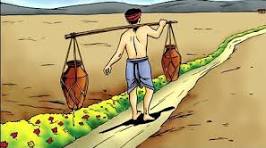
Imagine a farmer with two water-carrying pots. Each day, the farmer uses these pots to fetch water from the stream to nourish his crops. However, one of the pots has a crack, and by the time the farmer returns home, a good portion of the water it carries leaks out. The second pot, on the other hand, is perfect and always delivers its full load of water.

Over time, the cracked pot begins to feel ashamed of its imperfection. It wonders why it cannot be as efficient as the unbroken pot and often feels that it is failing in its task. Every day, it looks at the other pot and wonders why it is “flawed.”

One day, after years of service, the cracked pot finally speaks up to the farmer, apologizing for its imperfection. It says, “I am so sorry. I can’t carry as much water as the other pot. I am not as good as it.”

The farmer listens quietly and then replies, “Have you noticed something beautiful about your imperfection? While you leak water on the side, you’ve allowed flowers to grow along the path. Without your crack, the flowers would not be there. Every day, you’ve nourished the earth with water, and in turn, these beautiful flowers have blossomed.”

Embracing Imperfection

The cracked pot’s story is a reflection of how we often view our own flaws. We are conditioned to strive for perfection, especially in a world where success, wealth, and beauty are often defined by flawless appearances and outcomes. The cracked pot’s insecurity about its imperfection mirrors how many of us feel about our own perceived shortcomings.

But just like the cracked pot, it’s essential to recognize that our imperfections can sometimes be the very things that lead to growth and beauty, both in our lives and in the world around us. While we might strive to improve ourselves and our situations, we also need to accept that there is beauty in vulnerability, mistakes, and flaws.

The Beauty of Flaws

The beauty that bloomed along the cracked pot’s path wasn’t something that could have been planned or predicted. It was a natural result of the pot’s imperfections. This story teaches us that imperfection doesn’t mean failure; it can be a source of unexpected blessings.

We all have cracks—whether they be in our careers, relationships, or our self-image—but it’s these very cracks that can lead to the most profound experiences, growth, and discoveries. Sometimes, what we perceive as weaknesses are actually our greatest strengths, offering opportunities for connection, growth, and innovation that wouldn’t exist without them.

Finding the Beauty in Our Imperfections

Rather than hiding or being ashamed of our flaws, we can learn to embrace them. Here are a few ways to cultivate appreciation for our imperfections:

  1. Shift Your Perspective: Try to see your flaws not as failures, but as opportunities to grow, learn, and improve. What can you discover from them that you might otherwise miss?
  2. Celebrate Your Journey: Every mistake, every imperfection, is part of your story. Celebrate your progress and how far you’ve come, even if you haven’t reached “perfection.”
  3. Use Your Imperfections to Connect: Share your struggles with others, and you’ll likely find that people are drawn to your authenticity. Your imperfections can foster deeper connections and understanding.
  4. Recognize the Beauty of the Unexpected: Just as the flowers grew because of the cracked pot, you may find that your flaws lead to unexpected joys and blessings. Be open to discovering the beauty that can emerge from what you once saw as a limitation.

The cracked pot story is a beautiful reminder that imperfections are not something to be ashamed of but rather to embrace. It’s in our flaws that we often find our most unique qualities and where we discover the hidden potential for growth, beauty, and connection.

So, next time you find yourself feeling like the cracked pot, remember that your imperfections might just be the very thing that makes your journey—and the world around you—more beautiful. Just like the flowers that bloomed along the pot’s path, your flaws may give rise to something more beautiful than you could ever have imagined.

Protecting Your Plants from Winter’s Chill: Essential Tips for Cold Weather Care

As temperatures drop, your garden needs extra protection to survive the harsh winter weather. Cold temperatures, frost, and snow can be damaging to plants, especially those that are not frost-tolerant. Fortunately, there are several steps you can take to help your plants weather the cold. Here are some essential tips for protecting your plants during the colder months:

1. Water Before a Freeze

Watering your plants ahead of a freeze is an important step in protecting them from winter damage. When the soil is moist, it holds more heat than dry soil, which can help moderate temperature fluctuations around the roots. Make sure to thoroughly water your garden beds before a freeze, but avoid overwatering. The moisture helps prevent the plant cells from freezing, giving them a better chance to survive extreme cold.

Be mindful of the time of day when watering. It’s best to water in the morning to allow the moisture to soak in and have time to be absorbed before temperatures drop significantly in the evening.

2. Add Mulch for Insulation

Mulching is a simple yet effective way to protect your plants’ roots during the winter. A thick layer of mulch, such as straw, wood chips, or leaves, helps insulate the soil and keep the root system at a more stable temperature. Mulch helps prevent the soil from freezing and thawing rapidly, which can stress plants and lead to frost heaving (when the roots are lifted out of the ground due to expansion from freezing and thawing).

Add mulch around the base of your plants, particularly perennials, shrubs, and trees, to provide them with an extra layer of protection. For best results, aim for 2 to 4 inches of mulch, but be careful not to pile it directly against the stems or trunks of plants to avoid moisture build-up, which could lead to rot.

3. Cover Garden Beds for Extra Protection

Covering garden beds is one of the best ways to shield your plants from the cold. Use materials such as plastic sheeting, frost blankets, or old sheets to cover the plants in your garden. These coverings trap heat and moisture, creating a mini-greenhouse effect that helps protect plants from freezing temperatures.

When covering garden beds, make sure the material is secure to avoid blowing away in the wind. If using plastic, create a tent-like structure over your plants to ensure adequate airflow. Avoid allowing the plastic to come into direct contact with the plants, as this can cause frost burn.

If you’re using a fabric covering, ensure it is designed for frost protection and allows light and moisture to penetrate while still shielding your plants from cold air.

4. Protect Container Plants

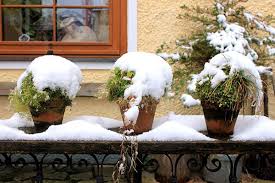
Potted plants are especially vulnerable to the cold, as their roots are more exposed than those planted in the ground. To help them survive freezing temperatures, bring potted plants closer to the foundation of your house or place them under eaves where the temperature tends to be warmer. The heat retained by the house will provide a more stable environment for your plants.

If bringing plants indoors is not an option, cover your container plants with frost cloth or heat-retentive blankets. These materials help shield the plants from the cold while maintaining warmth around the roots. You can also wrap the pots themselves in burlap or bubble wrap to help insulate them from the cold.

Winter can be a tough time for plants, but with the right precautions, you can ensure that your garden remains healthy and vibrant despite the cold. By watering properly, mulching, covering garden beds, and protecting container plants, you’re giving your garden the best chance to survive the winter months and thrive in the spring.

Summer Farm Safety Tips: Staying Safe in the Sun and Heat

Summer is a busy time on the farm, with long days dedicated to planting, harvesting, and caring for livestock. While the season brings plenty of sunshine and warmth, it also poses significant risks such as heat stress, dehydration, and sunburn. Staying safe in the sun and heat is crucial for farm workers and farmers alike. Here are some essential summer farm safety tips to ensure you stay healthy and productive during the hottest months.

Hydration is Key

Drink Plenty of Water
– Stay Hydrated: Aim to drink at least 8-10 glasses of water a day, more if you’re working hard or sweating a lot.
– Avoid Dehydrating Beverages: Limit consumption of caffeinated drinks, alcohol, and sugary beverages as they can contribute to dehydration.

Carry a Water Bottle
– Keep Water Accessible: Always have a water bottle with you and take regular breaks to drink, even if you don’t feel thirsty.
– Electrolyte Drinks: Consider drinks with electrolytes to replace lost minerals, especially if you’re sweating heavily.

Wear Appropriate Clothing

Lightweight and Breathable Fabric
– Choose the Right Materials: Wear light-colored, loose-fitting clothing made of breathable fabrics like cotton to help keep you cool.
– **Protective Clothing:** Long sleeves and pants can protect your skin from the sun, as well as from insects and plants that may cause irritation.

Hats and Sunglasses
– **Wide-Brimmed Hats:** Wear a hat with a wide brim to shade your face, neck, and ears from the sun.
– **UV Protection Sunglasses:** Protect your eyes from harmful UV rays with sunglasses that block 100% of UVA and UVB rays.

Use Sunscreen

Apply Generously
– SPF 30 or Higher: Use a broad-spectrum sunscreen with an SPF of at least 30.
– Reapply Often: Reapply sunscreen every two hours, or more often if you’re sweating or working in water.

Take Regular Breaks

Rest in the Shade
– Schedule Breaks:Take regular breaks in a shaded or air-conditioned area to cool down.
– Listen to Your Body: If you feel dizzy, lightheaded, or overly fatigued, stop working and rest immediately.

Work During Cooler Hours
– Avoid Peak Sun:Try to schedule the heaviest or most labor-intensive tasks for early morning or late afternoon when the sun is less intense.

Stay Informed

Weather Updates
– Check the Forecast: Keep an eye on the weather forecast to plan your work accordingly and avoid extreme heat conditions.
– Heat Advisories: Be aware of heat advisories and warnings issued for your area.

Working on a farm during the summer can be rewarding but also poses serious risks if proper precautions are not taken. By staying hydrated, wearing appropriate clothing, using sunscreen, taking regular breaks, and being aware of heat-related illnesses, you can protect yourself and your fellow workers from the dangers of sun and heat exposure. Stay safe, stay cool, and enjoy the productivity and beauty that summer brings to the farm.

The Benefits of Cover Crops in Summer

Cover crops are often associated with the off-season when fields are not producing cash crops. However, planting cover crops in the summer can yield significant benefits for soil health and overall farm productivity. Let’s explore how cover crops can improve soil health and identify the best cover crops to plant during the summer months.

How Cover Crops Improve Soil Health

1. Enhancing Soil Structure- Root Systems: The root systems of cover crops penetrate and break up compacted soil, improving soil structure and aeration. This helps create a more porous soil that can better absorb water and nutrients.
– Organic Matter: As cover crops grow and decompose, they add organic matter to the soil. This organic matter enhances soil structure, increases water retention, and promotes the activity of beneficial soil organisms.

2. Suppressing Weeds- Natural Competition: Cover crops compete with weeds for light, water, and nutrients, effectively suppressing weed growth. This reduces the need for chemical herbicides and manual weeding.
-Ground Cover:By covering the soil, these crops prevent weed seeds from getting the light they need to germinate and grow.

3. Improving Nutrient Availability

Nitrogen Fixation:Certain cover crops, such as legumes, have the ability to fix atmospheric nitrogen and convert it into a form that plants can use. This natural fertilization process reduces the need for synthetic nitrogen fertilizers.
– Nutrient Recycling: Cover crops can absorb excess nutrients from the soil, preventing them from leaching away. When the cover crops decompose, these nutrients are released back into the soil, making them available for the next planting season.

4. Erosion Control

Why It Matters:
– Soil Protection: Cover crops protect the soil from erosion caused by wind and water. Their roots help bind the soil together, while their foliage shields the soil surface from direct impact.
– Sediment Reduction: By preventing erosion, cover crops reduce sediment runoff into waterways, helping to protect water quality.

Best Cover Crops to Plant in the Summer

1. Buckwheat

Why It’s Great:
– Quick Growth: Buckwheat grows rapidly, making it an excellent choice for summer planting. It can quickly cover the ground and outcompete weeds.
– Soil Loosening: Its extensive root system helps to break up compacted soil, improving soil structure.

2. Cowpeas

Why It’s Great:
– Nitrogen Fixation: As a legume, cowpeas fix nitrogen in the soil, enriching it for subsequent crops.
– Heat Tolerance: Cowpeas thrive in hot summer conditions and can withstand drought, making them ideal for summer cover cropping.

3. Sorghum-Sudangrass

Why It’s Great
– Biomass Production: Sorghum-Sudangrass produces a large amount of biomass, which can be tilled back into the soil to add organic matter.
– Weed Suppression: Its dense growth habit effectively suppresses weeds.

4. Sunn Hemp

Why It’s Great:
– Soil Improvement: Sunn hemp is excellent for improving soil health through nitrogen fixation and organic matter addition.
– Pest Management: It can also help manage nematodes and other soil pests.

Planting cover crops in the summer offers numerous benefits, from enhancing soil structure and suppressing weeds to improving nutrient availability and controlling erosion. By choosing the right cover crops, such as buckwheat, cowpeas, sorghum-sudangrass, and sunn hemp, farmers can promote soil health and boost overall farm productivity. Embrace the benefits of summer cover cropping to sustain and improve your agricultural practices.