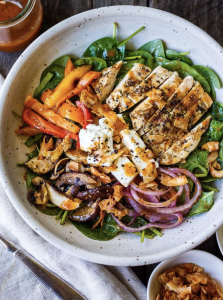
Sizzling Summer Dinners: 3 Oven-Free Ideas to Beat the Heat

When the summer sun is blazing, the last thing you want is to turn on the oven and heat up your kitchen. Fear not! We’ve got you covered with three delicious and oven-free dinner ideas that will keep you cool and satisfied all summer long.

Grilled Delights:
Fire up the grill and embrace the smoky flavors of summer. Grill marinated chicken, juicy burgers, or succulent seafood like shrimp or fish fillets. Pair your protein with a refreshing side salad, grilled vegetables, or corn on the cob for a complete and satisfying meal. Grilling not only adds incredible flavor but also keeps the heat outside where it belongs.

Ultra Juicy Smash Burgers On The Blackstone Griddle Recipe

Fresh and Vibrant Salads:
Create vibrant salads bursting with seasonal produce. Opt for a refreshing watermelon and feta salad with a drizzle of balsamic glaze or a zesty citrus salad with mixed greens, avocado, and grilled shrimp. Get creative with unique combinations, adding fruits, vegetables, nuts, and a variety of proteins to keep your salads exciting and satisfying.

https://www.delish.com/cooking/g1341/pasta-salad/

Chilled Pasta or Grain Bowls:
Beat the heat with chilled pasta or grain bowls loaded with colorful vegetables, herbs, and proteins. Cook your pasta or grains ahead of time and toss them with a light dressing, such as lemon vinaigrette or a tangy yogurt-based sauce. Add your favorite mix-ins like cherry tomatoes, cucumbers, olives, grilled chicken, or chickpeas for a refreshing and filling meal.

Spicy Chipotle Honey Salmon Bowls.

With these three oven-free dinner ideas, you can enjoy delicious meals without the added heat in your kitchen. From sizzling grilled delights to refreshing salads and chilled pasta or grain bowls, there’s a summer dinner option to suit every taste and keep you cool. Embrace the flavors of the season, stay out of the kitchen, and savor the joys of summer dining without the oven’s help. Bon appétit!

Soak Up the Sunshine: How to Make Sun Tea

There’s a simple and delightful way to infuse the flavors of nature into your favorite beverage—making sun tea. This effortless brewing method harnesses the power of the sun to create a refreshing and naturally flavored tea. Join us as we explore the art of making sun tea and enjoy a sip of sunshine.

Making sun tea is a breeze. Start by selecting your preferred tea leaves—whether it’s black, green, herbal, or a blend. Fill a clean glass container with filtered water, and add the desired amount of tea leaves. Cover the container and place it in a sunny spot outdoors, where it can bask in the sun’s warmth.

Allow the tea to steep in the sunlight for a few hours, allowing the flavors to gently infuse into the water. The length of steeping time can vary depending on your taste preference and the intensity of the sun. Once the tea has reached your desired strength, remove it from the sun and strain out the tea leaves.

Add ice, sweetener if desired, and garnish with fresh herbs or citrus slices. Sit back, relax, and sip on the sun-infused tea that’s as vibrant and invigorating as a sunny summer day.

Making sun tea is a simple and enjoyable process that allows you to embrace the flavors of nature. As the sun works its magic, it infuses your chosen tea leaves with warmth and sunlight, resulting in a unique and refreshing beverage. So, seize the opportunity to soak up the sunshine and experience the joy of making sun tea—a delightful way to savor the essence of nature in every sip.

A fun place to start with some ideas!

https://www.simplyrecipes.com/recipes/sun_tea/

https://www.thepioneerwoman.com/food-cooking/recipes/a87137/how-to-make-sun-tea/

https://www.eatingonadime.com/easy-sun-tea-recipe/

Boosting Farmers’ Market Sales: Innovative Strategies to Double Your Revenue

Participating in farmers’ markets provides a unique opportunity for vendors to connect directly with customers and showcase their high-quality products. If you’re looking to maximize your sales and take your farmers’ market experience to the next level, here are innovative strategies that can help you double your revenue.

Secure Pre-Orders for Pick-up at the Market (Rain or Shine!):
Take advantage of technology to streamline your sales process and provide convenience to your customers. Implement an online pre-ordering system where customers can browse your products, select their desired items, and place an order ahead of time. By allowing pre-orders for pick-up at the market, you ensure that customers won’t miss out on their favorite products, even if they can’t attend in person due to inclement weather or other commitments. This approach not only increases sales but also enhances customer satisfaction and loyalty.

Convert In-Person Sales to Recurring Subscriptions:
Capitalizing on the popularity of subscription services, offer customers the option to subscribe to regular deliveries of your products. During the farmers’ market, emphasize the benefits of signing up for a subscription, such as convenience, guaranteed availability, and exclusive offers. Provide incentives like discounted prices or special rewards for subscription customers. By converting one-time customers into recurring subscribers, you create a reliable revenue stream that can significantly boost your overall sales.

To double your sales at farmers’ markets, it’s essential to think outside the box and implement innovative strategies. Secure pre-orders and convert in-person sales to subscription. These strategies not only increase your revenue but also enhance customer convenience and satisfaction. By embracing these approaches, you’ll position your business for long-term success and establish a loyal customer base that will continue to support you in your farmers’ market endeavors

G2G Bar: Writing Our Their Story of Freshness and Flavor

I met the owner and founder of G2G Protein Bars at Costco yesterday evening! Great guy and it was fun to meet him- plus the bars taste great!

In a market saturated with protein bars loaded with preservatives, G2G Bar emerged in 2010 as a trailblazer, introducing the concept of refrigerated protein bars. Back then, the idea of a fresh, refrigerated protein bar was a novelty, challenging the norms of the industry. G2G Bar’s mission was clear from the beginning: to provide customers with a truly fresh and nutritious protein bar experience. With their motto, “When you eat one, you’ll know,” G2G Bar aimed to entice curious consumers to try something new.

A Decade of Dedication:
Over the past decade, G2G Bar has remained committed to its founding principles. One thing that sets them apart is their unwavering promise to exclude preservatives and artificial ingredients from their bars. Each bar is meticulously crafted with clean, simple, and fresh ingredients. By producing their bars in their own facility, G2G Bar ensures full control over the quality, maintaining their high standards and delivering a superior product to their customers.

The Taste That Speaks for Itself:
At G2G Bar, taste is paramount. After all, what good is a nutritious bar if it doesn’t taste great? Understanding this, G2G Bar puts an emphasis on creating bars that are not only healthy but also delicious. With a variety of flavors to choose from, G2G Bar is determined to make every bite a delightful experience. From the first chew to the last, their bars deliver a burst of flavor that leaves a lasting impression.

“When you eat one, you’ll know,” rings true. Embark on a delicious and nutritious journey with G2G Bar and experience the difference firsthand.

5 Ways Farmers Can Celebrate Earth Day

Happy Earth Day! Farmers have a special relationship with the Earth. We rely on its soil, water, and sun to grow the crops that feed the world. That’s why it’s so important for us to take care of the planet we call home. Here are a few ways that farmers can celebrate Earth Day.

Practice Sustainable Agriculture: Sustainable agriculture is all about balancing the needs of the environment with the needs of the farmer. By using techniques like crop rotation, cover cropping, and integrated pest management, farmers can reduce their impact on the environment while still producing high-quality crops.

Reduce Energy Use: Farming can be a very energy-intensive industry, but there are ways to reduce your energy use and lower your carbon footprint. For example, you can switch to energy-efficient equipment, and install solar panels.

Conserve Water: Water is one of our most precious resources, and farmers need it to grow their crops. That’s why it’s important to conserve water wherever possible. This can be done through techniques like drip irrigation, using drought-resistant crops, and capturing rainwater.

Protect Wildlife: As farmers, we share our land with a variety of wildlife. By creating habitats and protecting endangered species, we can help preserve the natural balance of our ecosystems.

Support Local Food Systems: When you buy locally grown food, you’re supporting farmers in your community and reducing the environmental impact of long-distance food transportation. By supporting local food systems, we can create a more sustainable and resilient food system for everyone.

On this Earth Day, let’s all take a moment to appreciate the beauty and importance of our planet.

As an Amazon Assoicate, I earn from qualifying purchases.

The Nutritious and Versatile World of Root Vegetables

Why did the potato cross the road? To get to the root cellar on the other side!

Root vegetables are a versatile and nutritious staple crop that has been cultivated for centuries. They are an essential ingredient in many dishes and can be used in a variety of ways, from roasted, steamed, or mashed, to soups and stews.

Root vegetables are an excellent source of nutrients, including vitamins, minerals, and fiber. They are particularly rich in potassium, vitamin C, and folate, all of which are essential for maintaining good health. Additionally, root vegetables are low in calories, making them an excellent food for weight management.

One of the most popular root vegetables is the potato, which is a staple crop in many countries worldwide. Potatoes are easy to grow, store well, and can be used in a variety of dishes, making them an essential crop for farmers. They are also rich in vitamin C, potassium, and fiber, making them an excellent addition to any diet.

Carrots are another popular root vegetable that is rich in beta-carotene, which is converted into vitamin A in the body. Vitamin A is essential for healthy skin and eyesight, making carrots a healthy addition to any diet. Additionally, carrots are easy to grow and can be stored for long periods, making them an essential crop for any farmer.

Turnips, beets, and radishes are other examples of root vegetables that are rich in nutrients and easy to grow. Turnips are a good source of vitamin C and fiber, while beets are rich in folate, iron, and potassium. Radishes are high in vitamin C and antioxidants, making them an excellent addition to any diet.

In addition to being nutritious, root vegetables are also an excellent crop for farmers because they are easy to grow and store well. They can be grown in a variety of soils, and many varieties are resistant to pests and diseases. Additionally, root vegetables can be stored for long periods, making them an excellent crop for farmers who want to sell their produce throughout the year.

A yummy and fun root vegetable recipe:

The Big Holiday Hummus Board with Roasted Root Veggie Chips.

As an Amazon Assoicate, I earn on qualifying purchases.

Grilled Romaine: A Delicious and Unique Twist on Your Salad Game

Grilled romaine is a simple and delicious way to elevate your salad game. It’s a perfect dish for a summer barbecue or a weeknight dinner. Grilling romaine gives it a smoky flavor and a crispy texture that pairs well with a variety of dressings and toppings.

To make grilled romaine, start by preheating your grill to medium-high heat. Rinse and dry a head of romaine lettuce, and then cut it in half lengthwise. Brush the cut side of each half with olive oil, and season with salt and pepper.

Place the romaine halves cut side down on the grill, and cook for about 2-3 minutes until you see grill marks. Flip the romaine over and cook for another minute on the other side.

Once the romaine is grilled to your liking, remove it from the grill and let it cool for a minute. You can serve the grilled romaine halves as they are, or chop them into smaller pieces and add your favorite toppings and dressings.

Grilled romaine pairs well with a variety of dressings, such as balsamic vinaigrette, Caesar dressing, or even a simple olive oil and lemon juice dressing. You can also add toppings like croutons, bacon bits, shaved parmesan cheese, or even grilled chicken or shrimp.

Not only is grilled romaine a delicious and unique way to enjoy your salad, it’s also a healthy option. Romaine lettuce is low in calories and high in fiber, vitamins, and minerals. Grilling the romaine adds a smoky flavor without adding any additional fat or calories.

Grilled romaine is a tasty and healthy way to switch up your salad routine. It’s easy to make and customizable to your liking, making it a versatile dish for any occasion. So, next time you’re firing up the grill, give grilled romaine a try!

https://cooking.nytimes.com/recipes/1017536-grilled-romaine

As an Amazon Associate, I earn from qualifying purchases.

Cultivate this flavorful herb indoors

Growing garlic in water is a fun and easy way to bring the flavors of this beloved herb indoors. With just a few simple steps, you can enjoy fresh, homegrown garlic all year round.

Choose your garlic: Begin by selecting a healthy, plump garlic bulb with several cloves. Avoid any bulbs that are soft or have moldy spots.

Prepare the cloves: Gently separate the cloves from the bulb, being careful not to damage them. Leave the papery skin on each clove intact.

Soak the cloves: Place the garlic cloves in a glass or jar and add enough water to cover the bottom inch of the cloves. Be sure not to submerge the entire clove in water.

Place the jar in a sunny location: Put the jar in a sunny location, such as a windowsill, and make sure the cloves receive plenty of natural light. Be sure to change the water every 2-3 days.

Wait for roots to grow: In about a week, you should see roots begin to grow from the bottom of each clove. These roots will eventually become the foundation of your garlic plant.

Transplant to soil: Once the roots are several inches long, it’s time to transplant your garlic cloves to soil. Fill a small pot with well-draining soil and create a small hole in the center. Carefully place each clove into the hole, making sure the roots are pointing downwards. Cover the clove with soil and water thoroughly.

Care for your garlic plant: Place the pot in a sunny location and water it regularly, being careful not to overwater. In a few weeks, you should see green shoots emerging from the soil. Continue to care for your garlic plant by watering it regularly and providing it with plenty of sunlight.

Harvest your garlic: After several months, your garlic plant should be ready for harvest. Look for brown, withered leaves on the plant as a sign that it’s time to harvest. Carefully dig up the garlic bulb, brush off any excess soil, and store it in a cool, dry place.

As an Amazon Assoicate, I earn on qualifying purchases.