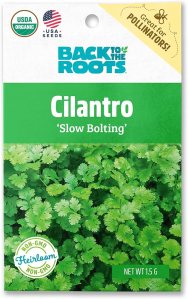
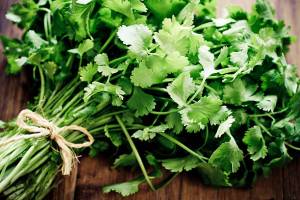
Growing Cilantro? Harvest It Before the Heat Hits!

If you’re growing cilantro in your garden, here’s a quick tip you don’t want to miss: cut it before it gets too hot!

Cilantro is a cool-weather herb that grows fast, but it also bolts fast—especially when temperatures start to climb. And once it bolts (sends up a flower stalk), it gets bitter and loses that fresh, zesty flavor we love in salsa, salads, and tacos.

Why Cilantro Bolts

Cilantro is sensitive to rising temperatures and longer daylight hours. When it starts to feel the heat, it thinks it’s time to reproduce and sends out flowers—ending its tasty leaf production.

How to Stay Ahead of the Heat

Here’s how you can keep your cilantro fresh and flavorful longer:

  • Harvest early and often. Don’t wait for tall, leggy growth. Cut it when it’s about 4–6 inches tall.

  • Cut low, but not too low. Leave about an inch or two of stem so it can regrow.

  • Provide some shade. If it’s already warming up in your area, give your cilantro a little afternoon shade.

  • Succession planting. If you love cilantro, plant a new batch every few weeks in spring and fall.

If your cilantro does bolt—don’t toss it just yet. Let it flower and go to seed. You’ll get coriander seeds and possibly some self-seeded cilantro in the fall!

https://amzn.to/44l3h4Z

10 Plants and Herbs You Can Propagate From Cuttings

Propagating plants from cuttings is an excellent way to grow your garden, increase your plant collection, and save money. It’s a simple process that anyone can do, even with limited space or experience. By taking a cutting from an established plant, you can create a new one without having to buy a full-grown plant. Here are 10 plants and herbs that you can easily propagate from cuttings:

1. Mint

Mint is one of the easiest herbs to propagate. Simply take a cutting with a few leaves, remove the lower leaves, and place the stem in water. After a couple of weeks, you’ll see roots developing. Once established, you can plant it in soil, and you’ll have a new mint plant ready for your garden or kitchen.

2. Basil

Basil is another herb that takes well to propagation from cuttings. Snip a 4- to 6-inch cutting from a healthy plant and remove the leaves from the bottom 2 inches. Place the cutting in water and wait for the roots to form, usually within 1-2 weeks. Once rooted, you can transfer it to soil.

3. Rosemary

Rosemary is a hardy herb that can be propagated through cuttings. Take a 4- to 6-inch cutting from a mature plant, strip the lower leaves, and dip the cut end in rooting hormone if you like. Place it in a small pot with well-draining soil, and keep the soil moist until roots develop.

4. Lavender

Lavender is not only a lovely plant but also easy to propagate. Cut a 4- to 6-inch stem from a healthy plant, remove the leaves from the bottom half, and place it in a well-draining potting mix. Lavender will root in 3-4 weeks, and once it’s established, you can transplant it into your garden.

5. Coleus

Coleus plants are known for their vibrant colors and can be easily propagated through cuttings. Take a 4-inch cutting from the top of a healthy plant, remove any lower leaves, and place it in water. After about a week, you’ll see roots form, and the cutting will be ready to be potted up.

6. Pothos (Devil’s Ivy)

Pothos is one of the most popular houseplants and a great option for beginners to propagate. Cut a 4- to 6-inch section of stem that includes a node (the small bumps where leaves and roots grow). Place the cutting in water, and it will develop roots in 1-2 weeks. Pothos thrives in both soil and water, so you can transfer it into either.

7. Spider Plant (Chlorophytum comosum)

Spider plants are easy to propagate from the “babies” or plantlets that grow off the main plant. Simply cut a baby spider plant off the main plant, place it in water or a small pot with soil, and wait for it to take root. You’ll soon have a fresh new plant to share or add to your collection.

8. Geranium

Geraniums are excellent for propagation by cuttings. Take a 3- to 4-inch cutting from a healthy plant, remove the lower leaves, and place the cutting in a pot with a well-draining mix. Keep the cutting in a bright spot with indirect sunlight, and it will root in a few weeks.

9. African Violet

African violets can be propagated by cutting off a healthy leaf with about an inch of stem attached. Place the stem in water or a small pot with soil, and keep the soil moist. Within a few weeks, you’ll start seeing tiny new plants grow from the base of the leaf.

10. Sweet Potato Vine

Sweet potato vines are not only beautiful but also easy to propagate through cuttings. Snip off a section of vine, and place it in water. Within a few days, you’ll notice roots forming, and after a few weeks, you can plant it in soil. Sweet potato vines make a beautiful addition to hanging baskets or ground cover.

Tips for Successful Propagation:

  • Use clean tools: Ensure that your scissors or pruning shears are clean to prevent spreading disease to your plants.
  • Water regularly: Make sure your cuttings are kept hydrated as they root, but avoid waterlogging.
  • Provide the right environment: Most cuttings benefit from a humid environment, so you can cover them with a clear plastic bag or place them in a propagator to help them thrive.
  • Be patient: Some plants take longer to root than others, so give your cuttings the time they need to develop strong roots before transplanting them.

By propagating plants and herbs from cuttings, you can quickly grow a thriving, diverse garden. Whether you want to create a new herb garden, increase your collection of houseplants, or share plants with friends and family, these 10 plants are the perfect candidates for propagation! Happy gardening!

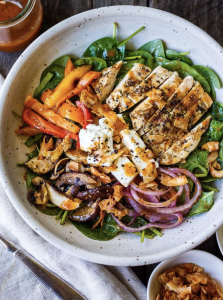
Sizzling Summer Dinners: 3 Oven-Free Ideas to Beat the Heat

When the summer sun is blazing, the last thing you want is to turn on the oven and heat up your kitchen. Fear not! We’ve got you covered with three delicious and oven-free dinner ideas that will keep you cool and satisfied all summer long.

Grilled Delights:
Fire up the grill and embrace the smoky flavors of summer. Grill marinated chicken, juicy burgers, or succulent seafood like shrimp or fish fillets. Pair your protein with a refreshing side salad, grilled vegetables, or corn on the cob for a complete and satisfying meal. Grilling not only adds incredible flavor but also keeps the heat outside where it belongs.

Ultra Juicy Smash Burgers On The Blackstone Griddle Recipe

Fresh and Vibrant Salads:
Create vibrant salads bursting with seasonal produce. Opt for a refreshing watermelon and feta salad with a drizzle of balsamic glaze or a zesty citrus salad with mixed greens, avocado, and grilled shrimp. Get creative with unique combinations, adding fruits, vegetables, nuts, and a variety of proteins to keep your salads exciting and satisfying.

https://www.delish.com/cooking/g1341/pasta-salad/

Chilled Pasta or Grain Bowls:
Beat the heat with chilled pasta or grain bowls loaded with colorful vegetables, herbs, and proteins. Cook your pasta or grains ahead of time and toss them with a light dressing, such as lemon vinaigrette or a tangy yogurt-based sauce. Add your favorite mix-ins like cherry tomatoes, cucumbers, olives, grilled chicken, or chickpeas for a refreshing and filling meal.

Spicy Chipotle Honey Salmon Bowls.

With these three oven-free dinner ideas, you can enjoy delicious meals without the added heat in your kitchen. From sizzling grilled delights to refreshing salads and chilled pasta or grain bowls, there’s a summer dinner option to suit every taste and keep you cool. Embrace the flavors of the season, stay out of the kitchen, and savor the joys of summer dining without the oven’s help. Bon appétit!

Grilled Romaine: A Delicious and Unique Twist on Your Salad Game

Grilled romaine is a simple and delicious way to elevate your salad game. It’s a perfect dish for a summer barbecue or a weeknight dinner. Grilling romaine gives it a smoky flavor and a crispy texture that pairs well with a variety of dressings and toppings.

To make grilled romaine, start by preheating your grill to medium-high heat. Rinse and dry a head of romaine lettuce, and then cut it in half lengthwise. Brush the cut side of each half with olive oil, and season with salt and pepper.

Place the romaine halves cut side down on the grill, and cook for about 2-3 minutes until you see grill marks. Flip the romaine over and cook for another minute on the other side.

Once the romaine is grilled to your liking, remove it from the grill and let it cool for a minute. You can serve the grilled romaine halves as they are, or chop them into smaller pieces and add your favorite toppings and dressings.

Grilled romaine pairs well with a variety of dressings, such as balsamic vinaigrette, Caesar dressing, or even a simple olive oil and lemon juice dressing. You can also add toppings like croutons, bacon bits, shaved parmesan cheese, or even grilled chicken or shrimp.

Not only is grilled romaine a delicious and unique way to enjoy your salad, it’s also a healthy option. Romaine lettuce is low in calories and high in fiber, vitamins, and minerals. Grilling the romaine adds a smoky flavor without adding any additional fat or calories.

Grilled romaine is a tasty and healthy way to switch up your salad routine. It’s easy to make and customizable to your liking, making it a versatile dish for any occasion. So, next time you’re firing up the grill, give grilled romaine a try!

https://cooking.nytimes.com/recipes/1017536-grilled-romaine

As an Amazon Associate, I earn from qualifying purchases.