
Whats in it:
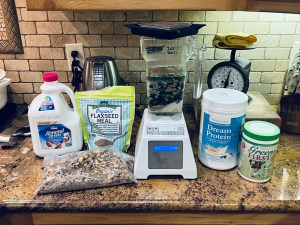
Give it a try and let me know what you think


Whats in it:
Give it a try and let me know what you think
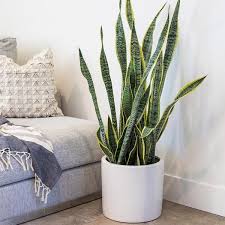
Indoor plants do more than brighten your space—they can also help clean the air you breathe. According to the NASA Clean Air Study and air quality experts, some houseplants are particularly effective at removing harmful toxins like formaldehyde, benzene, and carbon monoxide. Here are three of the most effective air-purifying plants for your home:
The snake plant is nearly indestructible and thrives in low-light conditions. It’s perfect for adding greenery to your bedroom or office while quietly cleaning the air.
Spider plants are not only safe for pets, but their long, arching leaves make them ideal for hanging baskets or shelves. They’re excellent at absorbing indoor pollutants and require minimal care.
Peace lilies are elegant and efficient, purifying the air while adding a touch of style to your space. Just be mindful to keep them out of reach of pets.
Adding air-purifying plants to your home is a simple, natural way to improve indoor air quality and bring life to your space. Whether you’re a beginner looking for low-maintenance options or want a statement plant with high air-cleaning power, snake plants, spider plants, and peace lilies are some of the best choices you can make.

https://filterbuy.com/resources/health-and-wellness/air-purifying-plants/

As the seasons change and temperatures start to dip, gardeners everywhere face the same concern: frost. While frost is a natural part of the yearly cycle, it can have a significant impact on your plants if you’re not prepared. Understanding how frost works and taking steps to protect your garden can make the difference between a thriving garden and damaged plants.
Frost forms when temperatures drop below freezing, causing water vapor in the air to condense and freeze on surfaces. It usually appears on clear, calm nights when the heat from the ground escapes into the sky. Frost can damage leaves, flowers, and fruit, especially tender or newly planted species.
Tender Vegetables and Herbs: Tomatoes, peppers, basil, and other warm-season crops are highly susceptible to frost.
Perennials: Some hardy perennials can tolerate light frost, but heavy frost can damage leaves and stems.
Fruit Trees: Frost during blooming can harm flowers, reducing fruit yield.
Tips to Protect Your Garden from Frost
Know Your Frost Dates
Check your local frost calendar to understand the average first and last frost dates in your area. This helps you plan planting and harvest schedules.
Cover Your Plants
Use row covers, garden blankets, or even old sheets to protect tender plants overnight. Be sure to remove covers in the morning to prevent overheating.
Water Wisely
Moist soil holds heat better than dry soil, so watering your garden in the afternoon before a frost can help protect roots.
Move Potted Plants
Bring container plants indoors or place them in a protected area like a garage or shed during frost nights.
Mulch
A thick layer of mulch insulates the soil, helping maintain warmer temperatures around plant roots.
Strategic Planting
Plant tender crops in locations that get maximum sunlight and are protected from cold winds, such as near walls or fences.
If you wake up to frost, act quickly. Remove frost coverings carefully, and if plants are damaged, wait until the temperature warms before pruning frost-bitten leaves. Some plants recover surprisingly well once the sun comes out.
Frost is inevitable in many climates, but with preparation and awareness, you can minimize its impact and keep your garden healthy. By understanding your garden’s vulnerabilities and acting early, you can enjoy the beauty and bounty of your plants, even as the cold sets in.

After more than two centuries of weather forecasts, gardening tips, and time-honored advice, the Farmer’s Almanac is closing a chapter in its long history. The 2026 edition will be the publication’s last, ending a remarkable 208-year run that has touched generations of readers.
Since its first issue in 1818, the Almanac has been more than just a guide—it’s been a companion for households across the country. Families have consulted it for planting schedules, fishing trips, and even life milestones, following its guidance based on sunspots, lunar cycles, and planetary positions. Its pages offered a mix of practical tips, trivia, jokes, and even natural remedies, creating a charming blend of wisdom and entertainment.
The final 2026 edition promises a “wild ride” for winter 2025-2026, predicting dramatic swings in weather, including cold spells, snow, and repeated chill cycles, especially across the Northern Plains to New England. The cover reflects the Almanac’s broad readership, featuring both a classic farmhouse and a cityscape to appeal to urban and rural readers alike.
While the Farmer’s Almanac closes its doors, its legacy will live on in the memories of those who grew up reading it and in the countless ways it guided people through seasons and life events. Fortunately, fans of time-tested wisdom and practical guidance still have the Old Farmer’s Almanac, which continues to publish annually, offering gardening advice, seasonal forecasts, and folklore with modern tools and digital resources.
The end of the Farmer’s Almanac reminds us of the enduring value of trusted, time-tested guidance. Even in a rapidly changing world, its spirit of curiosity, practical knowledge, and connection to nature will continue to inspire those who cherish its legacy.

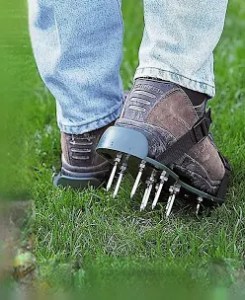
Fall is the perfect time to prep your lawn for a healthier, greener spring. While raking leaves and trimming edges are standard chores, there’s a simple tool that can turn your yardwork into a quick win: heavy-duty aerator shoes.
Over time, soil becomes compacted from foot traffic, lawn equipment, and natural settling. Compacted soil prevents air, water, and nutrients from reaching grass roots, leading to weak, patchy lawns. Aeration creates small channels that allow oxygen, water, and fertilizer to penetrate deeply, promoting stronger root systems and healthier growth.
How Aerator Shoes Work
Aerator shoes feature sturdy spikes on the soles. Simply strap them onto your shoes and walk across your lawn. With each step, the spikes punch holes into the soil, naturally loosening it and improving its structure. It’s an effortless way to aerate without renting heavy equipment or scheduling extra yardwork.
The Benefits of Using Aerator Shoes
Fall yardwork doesn’t have to be a chore—it can be an opportunity to give your lawn a head start for the spring. Heavy-duty aerator shoes are a simple, efficient way to improve soil health, enhance root growth, and make the most of your outdoor time this season.

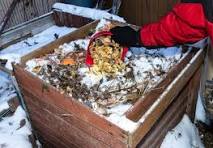
Winter often gets a bad rap as the “off-season” for gardeners and farmers. The cold weather makes it seem like the growing season is over, but it’s actually the perfect time to work on improving your soil health—particularly through composting. While your garden might be dormant for the season, your soil doesn’t have to be.
Healthy soil is the foundation of a thriving garden or farm. It provides essential nutrients to plants, helps retain moisture, and supports beneficial microorganisms. Improving soil health through composting is an investment that will pay off in abundance when spring planting season rolls around. Composting not only recycles organic waste but also creates a nutrient-rich mixture that will transform your soil into a fertile, thriving environment.
You may be wondering, “Can you compost in the winter?” The answer is a resounding yes! Winter composting can help you build better soil health for the upcoming season, even when it’s cold outside. Here’s why winter is an ideal time for composting:
Even in colder temperatures, decomposition continues, albeit at a slower rate. Composting microbes work best in temperatures between 110°F and 160°F, which is warmer than the outside winter air, but as long as the compost pile stays insulated, it can still remain active. Over the winter, the compost will slowly break down, giving you a head start for spring.
Winter often comes with fewer chores in the garden, which means you can focus more on collecting materials for composting. Collect kitchen scraps like vegetable peels, coffee grounds, and eggshells, as well as yard waste like autumn leaves, grass clippings, and woody stems. If you have access to hay or straw, those can be excellent additions too. Layering these materials will create a balanced compost pile that decomposes more effectively.
In the warmer months, compost piles can sometimes produce a strong odor and attract pests. However, during winter, the cold helps to minimize these concerns. The composting process remains odorless, and pests like flies, rodents, and raccoons are less likely to be active or attracted to your compost pile.
Adding to your compost pile during winter ensures that you start the next growing season with nutrient-rich compost already on hand. Additionally, keeping the pile active by turning it occasionally and ensuring that it’s properly insulated will speed up the breakdown of organic material, which means your garden or farm will benefit from the compost much earlier in the year.
Composting during the winter is very similar to composting year-round, but with a few adjustments. Here are some tips to make your winter composting process even more effective:
To maintain the heat in the compost pile, make sure it’s properly insulated. You can use materials like hay bales, straw, or even blankets to wrap the pile. Insulation helps retain the heat and prevents the pile from freezing, which would halt the decomposition process. If you’re using a compost bin, ensure it is tightly sealed to trap warmth inside.
Just like in the warmer months, it’s essential to create balanced layers in your compost pile—alternating between green (nitrogen-rich) and brown (carbon-rich) materials. Common green materials include kitchen scraps, coffee grounds, and grass clippings, while brown materials include dried leaves, straw, or shredded newspaper. The right balance helps to maintain a productive compost pile throughout the winter.
Regularly turning your compost pile ensures that air is circulating, which helps to speed up decomposition. If the pile is insulated well, you may only need to turn it once every few weeks. A compost thermometer can help you gauge whether your pile is staying warm enough for decomposition to continue.
While moisture is important for the composting process, during the winter months, you don’t want the pile to become too wet and soggy. If it’s snowy or raining frequently, you may need to cover your pile to prevent it from becoming waterlogged. Aim for a moist, but not soggy, consistency.
By the time spring arrives, you’ll be ready to start planting with nutrient-rich, homemade compost that will boost soil fertility and structure. Composting in winter also reduces waste sent to landfills, providing an environmentally friendly solution for organic waste.
In addition, working on your compost pile during the colder months means you’ll have a healthier, more productive garden once the warmer weather hits. Your garden will appreciate the extra love and care you gave it in the off-season.
Winter might not seem like the obvious time to focus on your soil health, but composting during this time ensures your garden is well-prepared for the coming growing season. The extra attention you give your compost pile now will lead to better soil, healthier plants, and a more fruitful harvest later on. So, grab your gloves, get started, and let your composting efforts shine through the chill of winter—your garden will thank you come spring!
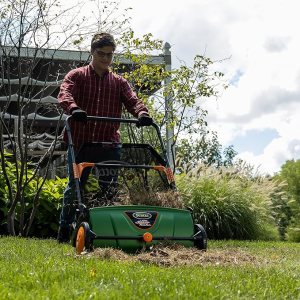
Raking leaves every fall can feel like a never-ending chore. Between the dust, allergens, and hours of bending over, it’s no wonder many homeowners dread it. That’s where a leaf sweeper comes in—a simple, efficient, and surprisingly satisfying tool to help you keep your yard clean.
One of the best things about a leaf sweeper is that it’s not powered by gas or batteries. No fumes, no cords, no noise—just a smooth, easy way to gather leaves, pine needles, and grass clippings. You push it across your lawn or driveway, and the rotating brushes collect debris directly into a collection bag.
Leaf sweepers are also low maintenance. Without engines or batteries, there’s nothing to charge, refuel, or repair, and you don’t have to worry about starting problems in the middle of your chore. Simply push, sweep, and empty—done.
Beyond convenience, a leaf sweeper is surprisingly effective. It can cover large areas quickly, reach tight spots along walkways and fences, and save your back from hours of repetitive raking. Plus, it’s perfect for anyone who wants a clean yard without relying on noisy or polluting equipment.
If you’re ready to make leaf cleanup faster, easier, and even enjoyable, a leaf sweeper is a tool worth considering. It’s a small investment that delivers big results—and all without the hassle of gas or battery power.

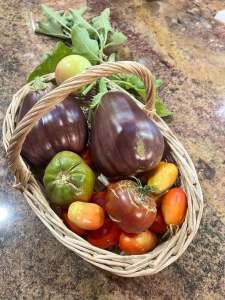
There’s something deeply satisfying about cooking with ingredients grown right in your own garden. Tonight’s dinner is a perfect example—Stuffed Eggplant Parmesan, made fresh with homegrown eggplants, herbs, and tomatoes.
The eggplants were picked this morning—firm, glossy, and full of flavor. After a quick rinse, they’re halved, roasted until tender, and filled with a delicious mixture of sautéed onions, garlic, garden-fresh tomatoes, and a sprinkle of basil and oregano straight from the herb bed. A layer of mozzarella and Parmesan cheese brings everything together in bubbly, golden perfection.
Cooking from the garden isn’t just about flavor—it’s about connection. You know where your food came from, how it was grown, and the care that went into it. Every bite carries the reward of patience and love.
So tonight, the kitchen smells like summer. The garden has given us another reason to be thankful
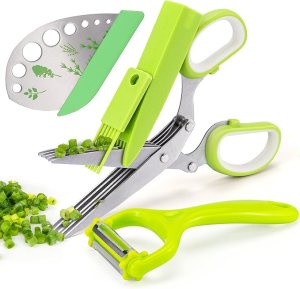
Herb scissors set provides a pair of herb shears, a herb stripper, and a peeler with three different blades. They can help you easily handle a large number of kitchen tasks, such as cutting meat, turkey, and poultry bones. You can not only use it to cut various vegetables, herbs, fruits, cut noodles and even pizza, but also peel potatoes, carrots, zucchini, cucumbers, apples, and avocados. No chopping boards and choppers are needed, bringing more convenience to your kitchen work.
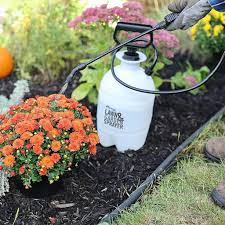
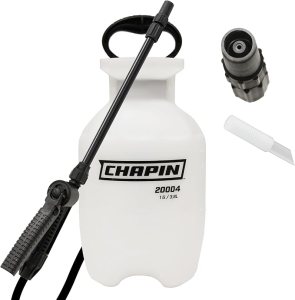
When it comes to caring for your garden, having the right tools makes all the difference—and a reliable garden sprayer is one of those must-haves. Whether you’re tackling weeds, applying pest control, or simply giving your plants a good soak, this garden sprayer is designed to make the job easy and efficient.
Made from rust-free polyethylene, the tank is translucent, so you can easily check fluid levels without guesswork. That means fewer interruptions and more time doing what you love—nurturing your garden.
This versatile sprayer is perfect for a variety of projects:
Whether you’re a seasoned gardener or just starting out, this garden sprayer is durable, easy to use, and built to handle any task around your home. Reliable tools make gardening easier—

Pickling is a time-honored tradition that has been around for centuries. It’s a process that involves preserving food in vinegar or brine, giving it a tangy, sour flavor that can be enjoyed in a variety of ways. From dill pickles to pickled eggs, pickling is a fun and easy way to add flavor and nutrition to your diet.
To start pickling, you’ll need some basic ingredients: vinegar, salt, sugar, and spices. The type of vinegar you use can vary depending on your personal preference, but most recipes call for either white vinegar or apple cider vinegar. Salt and sugar help to balance the flavors and preserve the food, while spices like dill, garlic, and mustard seeds add extra flavor.
One of the most popular pickling recipes is for dill pickles. To make these, you’ll need cucumbers, vinegar, water, salt, sugar, dill, garlic, and mustard seeds. First, slice the cucumbers into spears or rounds and pack them into sterilized jars. Next, mix together the vinegar, water, salt, sugar, dill, garlic, and mustard seeds in a saucepan and bring the mixture to a boil. Once the mixture is boiling, pour it over the cucumbers in the jars and seal the jars tightly. Let the pickles sit for at least 24 hours before eating to allow the flavors to fully develop.
One of the great things about pickling is that you can experiment with different flavors and ingredients to create your own unique recipes. Try pickling other vegetables like carrots, beets, or green beans, or add different spices like cinnamon or cloves for a unique twist. You can also play around with the ratio of vinegar, salt, and sugar to create your desired flavor profile.

“The Joy of Pickling” by Linda Ziedrich: This classic cookbook is a must-have for anyone interested in pickling. It features over 250 recipes for pickled vegetables, fruits, and relishes, as well as tips on equipment, techniques, and troubleshooting: https://amzn.to/3KTwMmM

“The Complete Book of Pickling” by Jennifer MacKenzie: This comprehensive guide covers all aspects of pickling, from the basics of canning to more advanced techniques like fermenting and curing. It also includes over 300 recipes for pickled fruits, vegetables, meats, and fish.