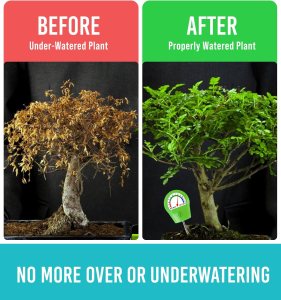
A Simple Tool to Help You Water Your Plants the Right Way

One of the most common challenges for gardeners and plant lovers is knowing when to water their plants. Too much water can damage roots, while too little can cause plants to dry out and struggle to grow. Finding the right balance can sometimes feel like guesswork.

That’s where a soil moisture meter can make a big difference.

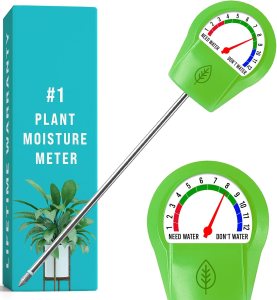
A soil moisture meter is a simple tool designed to help you understand exactly how much moisture is in your soil. Instead of sticking your finger in the dirt and trying to guess if your plant needs water, you can insert the probe of the meter directly into the soil and get an instant reading.

Using it is incredibly easy. The meter typically has a long probe that you gently insert into the soil near your plant’s roots. Within seconds, the gauge will show the moisture level of the soil. This quick reading helps you determine whether the plant needs watering or if the soil still has enough moisture.

One of the best things about many soil moisture meters is their simplicity. Many models are analog, meaning they do not require batteries. This makes them convenient and reliable, since you don’t have to worry about charging or replacing batteries.

The probe length also helps you get readings below the surface of the soil, where the roots are actually drawing water. This provides a more accurate understanding of the plant’s environment and helps prevent the two most common plant care mistakes: overwatering and underwatering.

Proper soil moisture plays a key role in healthy plant growth. When plants receive the right amount of water, they develop stronger roots, healthier leaves, and better overall growth. A moisture meter helps remove the guesswork so you can confidently care for your plants.

Whether you’re growing houseplants, container gardens, or outdoor plants, this small tool can become a helpful part of your gardening routine.

Sometimes the simplest tools are the ones that make the biggest difference, and a soil moisture meter is a great example of how a small device can help your plants thrive.

https://amzn.to/4cTOXok

Plant Moisture Meter – Accurately Tells You When to Water Your Plants – 26cm, No Battery Needed

Farewell to a Classic: The Farmer’s Almanac Publishes Its Final Edition

After more than two centuries of weather forecasts, gardening tips, and time-honored advice, the Farmer’s Almanac is closing a chapter in its long history. The 2026 edition will be the publication’s last, ending a remarkable 208-year run that has touched generations of readers.

Since its first issue in 1818, the Almanac has been more than just a guide—it’s been a companion for households across the country. Families have consulted it for planting schedules, fishing trips, and even life milestones, following its guidance based on sunspots, lunar cycles, and planetary positions. Its pages offered a mix of practical tips, trivia, jokes, and even natural remedies, creating a charming blend of wisdom and entertainment.

The final 2026 edition promises a “wild ride” for winter 2025-2026, predicting dramatic swings in weather, including cold spells, snow, and repeated chill cycles, especially across the Northern Plains to New England. The cover reflects the Almanac’s broad readership, featuring both a classic farmhouse and a cityscape to appeal to urban and rural readers alike.

While the Farmer’s Almanac closes its doors, its legacy will live on in the memories of those who grew up reading it and in the countless ways it guided people through seasons and life events. Fortunately, fans of time-tested wisdom and practical guidance still have the Old Farmer’s Almanac, which continues to publish annually, offering gardening advice, seasonal forecasts, and folklore with modern tools and digital resources.

The end of the Farmer’s Almanac reminds us of the enduring value of trusted, time-tested guidance. Even in a rapidly changing world, its spirit of curiosity, practical knowledge, and connection to nature will continue to inspire those who cherish its legacy.

https://amzn.to/3JNuTHM

A Fond Farewell

Turn Fall Yardwork Into a Quick Win: Boost Your Lawn with Aerator Shoes

Fall is the perfect time to prep your lawn for a healthier, greener spring. While raking leaves and trimming edges are standard chores, there’s a simple tool that can turn your yardwork into a quick win: heavy-duty aerator shoes.

Why Aeration Matters

Over time, soil becomes compacted from foot traffic, lawn equipment, and natural settling. Compacted soil prevents air, water, and nutrients from reaching grass roots, leading to weak, patchy lawns. Aeration creates small channels that allow oxygen, water, and fertilizer to penetrate deeply, promoting stronger root systems and healthier growth.

How Aerator Shoes Work

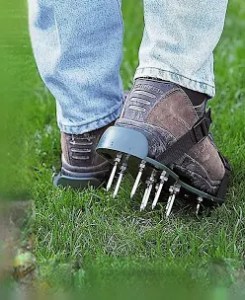
Aerator shoes feature sturdy spikes on the soles. Simply strap them onto your shoes and walk across your lawn. With each step, the spikes punch holes into the soil, naturally loosening it and improving its structure. It’s an effortless way to aerate without renting heavy equipment or scheduling extra yardwork.

The Benefits of Using Aerator Shoes

  1. Stronger Roots: Channels of oxygen and water help grass develop deep, resilient roots.
  2. Better Water Absorption: Reduce puddles and improve drainage by allowing water to reach the soil more efficiently.
  3. Enhanced Nutrient Uptake: Fertilizer and soil amendments penetrate more effectively, boosting lawn health.
  4. Quick and Convenient: Walk around your yard while doing normal fall chores and aerate at the same time

    Tips for Best Results

  • Use on slightly damp soil for easier penetration.
  • Walk in overlapping patterns to cover the entire lawn.
  • Combine with leaf removal and light fertilization for maximum impact.

Fall yardwork doesn’t have to be a chore—it can be an opportunity to give your lawn a head start for the spring. Heavy-duty aerator shoes are a simple, efficient way to improve soil health, enhance root growth, and make the most of your outdoor time this season.

https://amzn.to/4oTLqsM

After the Rain: The Perfect Time to Pull Weeds (Seriously, It’s Weirdly Satisfying)

You know that feeling when you’ve been trying to yank out a stubborn weed and it just will not budge—like it’s gripping the earth with all the strength of a toddler who doesn’t want to leave the park? Yeah, we’ve all been there.

But here’s the secret every gardener learns eventually: after a good rain, those weeds come out like butter.

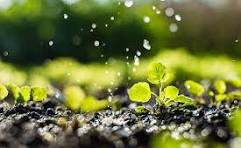
I don’t mean a light mist or a few sprinkles—I’m talking about a real soaking. When the soil is moist, it softens its grip on the roots, and suddenly that annoying dandelion that’s been taunting you for weeks slides out in one smooth pull. Roots and all. It’s a little victory, and honestly? It feels amazing.

Why It Works:

Rain saturates the ground, loosening the soil around the base of weeds. This makes it easier to:

  • Remove the entire root (key to stopping regrowth).
  • Avoid breaking the weed at the stem (which just makes it come back angrier).
  • Save your wrists and back from unnecessary tugging and digging.

Bring a bucket or tarp with you after the rain and just go to town. Pull as many as you can while the ground is still damp. It’s oddly therapeutic, like nature’s way of letting you hit the reset button.

You’re giving your fall plants a better start by clearing space and reducing competition. Plus, the fewer weeds that go to seed now, the fewer headaches you’ll have next spring. It’s like doing your future self a solid.

Gardening isn’t always glamorous, but moments like this—where the work feels just a bit easier and the results are instant—remind you why it’s worth it. So the next time the rain stops, grab your gloves and get out there. The weeds won’t know what hit ’em.

To Plant a Garden Is to Believe in Tomorrow” — Why This Quote Still Matters

Audrey Hepburn once said, “To plant a garden is to believe in tomorrow.”
And isn’t that exactly what gardening is—a quiet, hopeful act of faith?

When you press a seed into the soil, you can’t see the roots it will grow or the fruit it may bear. You simply trust. You trust the sun will rise, the rain will fall, and time will do its work. You believe that what you sow today will one day bloom, nourish, or delight.

Planting a garden invites us to slow down. It reminds us that good things take time—that growth doesn’t happen overnight. Whether it’s a tomato plant, a sunflower, or a small herb on a windowsill, each planting is a promise to the future. It’s a statement: I still believe in beauty, in growth, and in the seasons to come.

Gardening as a Metaphor for Life

This quote doesn’t just apply to soil and seeds. It’s a way of living. Every kind word, every act of generosity, every time we choose hope over fear—we’re planting something for tomorrow. We may not see the results right away, but the impact is real.

And just like a garden, life requires patience, care, and resilience. There will be weeds. There will be dry spells. But there will also be blooms. Surprises. Fresh starts. And joy.

A Garden is a Form of Optimism

Whether you’re a seasoned gardener or just starting out, every seed you plant is a small act of optimism. So dig your hands into the earth. Dream about the harvest. Believe in tomorrow.

https://amzn.to/4jRXsAE

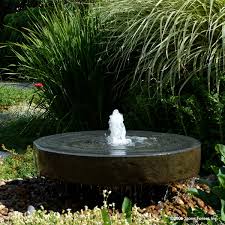
Tips for Having and Maintaining a Fountain in Your Yard

A fountain can transform your backyard into a tranquil oasis, offering soothing sounds and a beautiful focal point. However, like any feature in your garden, fountains require care and maintenance to keep them looking and functioning their best. Here are some essential tips to ensure your garden fountain stays in top shape throughout the year.

1. Choose the Right Fountain for Your Space

Before diving into maintenance, make sure you select a fountain that suits your yard’s size and style. Consider the scale of your space—large fountains work well in spacious gardens, while smaller, more compact models are better suited for cozy patios or smaller yards. Ensure the design complements the overall aesthetic of your outdoor space.

2. Keep the Water Clean

Water is the heart of a fountain, and keeping it clean is crucial to its function. Regularly check for debris like leaves, dirt, and insects that can clog the pump or reduce water flow. To keep the water sparkling, use a mild cleaning solution, such as vinegar or a specialized fountain cleaner, to clean the basin and fountain surfaces. Change the water frequently to prevent algae build-up and odors.

3. Protect the Pump

The pump is the key component that keeps the water circulating. To prevent it from clogging or becoming damaged, make sure it’s regularly cleaned. Remove any debris from the pump and check that the water level is adequate—if the water level is too low, the pump can burn out. It’s also a good idea to periodically inspect the pump to ensure it’s functioning properly.

4. Use a Water Conditioner

Water conditioners help keep your fountain water clear by preventing algae growth and mineral deposits. These products can be especially helpful if you live in an area with hard water. Be sure to follow the instructions on the product to avoid overuse, which could impact the ecosystem in your garden.

5. Winter Care

If you live in a climate where temperatures dip below freezing, you’ll need to protect your fountain during the colder months. Drain the water from the fountain and clean it thoroughly before storing it for the winter. For fountains that cannot be easily disassembled, ensure the pump is removed and stored in a warm place to prevent freezing. If the fountain is left outside, consider covering it with a weather-resistant tarp.

6. Prevent Algae and Mineral Deposits

Algae and mineral deposits can turn your crystal-clear fountain into a murky mess. To prevent this, avoid placing your fountain in direct sunlight, as sunlight accelerates algae growth. You can also add a small pump filter or use products designed to inhibit algae. Regular cleaning will help keep these deposits from building up over time.

7. Monitor Water Levels

The water level in your fountain can fluctuate due to evaporation and splashing. Be sure to check the water level regularly and refill it as needed. Low water levels can damage the pump or cause it to malfunction.

8. Check for Leaks

Periodically check your fountain for any signs of leakage. A leaking fountain can result in wasted water, and over time, it can damage your landscape. If you find a leak, it may require resealing or repair depending on the severity.

9. Landscaping Around Your Fountain

Landscaping can enhance the beauty of your fountain. Surround it with plants or flowers that complement its style. However, avoid planting trees or shrubs near the fountain, as their leaves and debris will require constant cleaning and can clog the fountain’s pump.

10. Consider the Noise Factor

The sound of running water can be very calming, but it’s important to consider how much noise your fountain will make. If you want a gentle, peaceful sound, choose a smaller, more tranquil fountain with a slow flow. For a more dramatic sound, select a fountain with a stronger flow.

A fountain can be an enchanting addition to your yard, offering both beauty and serenity. By choosing the right fountain for your space, maintaining the water quality, and keeping the pump in working order, you can ensure your fountain remains a peaceful centerpiece in your garden for years to come. Regular care and maintenance may require a little effort, but the rewards—of having a soothing, tranquil environment—are well worth it.

https://amzn.to/4iZcsvo

https://amzn.to/3H0iw9y

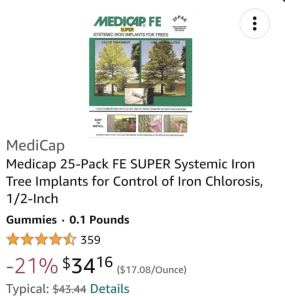
Reviving Your Trees: Treating Untreated Iron Chlorosis for a Lush Landscape

🍂 Are your trees showing signs of fall early? 🌳🍁 It might not be the season, but untreated iron chlorosis could be to blame. This condition can cause leaves to turn yellow, affecting the overall health of your trees. 🌿💧 Give your trees a boost with iron treatment to bring back their vibrant green and ensure their well-being. Don’t let iron chlorosis overshadow your landscape’s beauty! 🌳✨ #TreeCare #IronChlorosis #LandscapeHealth

This has been recommended by a few of our neighbors.

Dog Rocks: Saving Your Lawn from Yellow Marks with a Splash of Magic

We adore our furry companions, but the unsightly yellow burn spots left behind by dog urine can put a damper on our perfectly manicured lawns. Fear not, dear readers, for we have an enchanting solution that will keep your lawn lush and green. Enter the magical world of Dog Rocks!

The Wonders of Dog Rocks:
Dog Rocks, the secret weapon against grass burn spots caused by urine, are a natural mineral supplement that works its mystical powers in your dog’s water bowl. These rocks, derived from an Australian quarry, contain a unique blend of minerals that neutralize the nitrogen found in urine, thus preventing those dreaded yellow patches on your lawn. It’s like having a wizard’s spell cast over your yard!

A Splash of Magic:
Using Dog Rocks is as easy as waving a wand. Simply place the rocks in your dog’s water bowl and let the enchantment begin. As your pup hydrates, the rocks work their magic, filtering out the harmful elements from their urine, and saving your lawn from grass burn spots. It’s like having a tiny team of lawn-saving fairies working tirelessly to keep your yard looking its best.

Dog Rocks are nature’s little secret to preventing grass burn spots caused by dog urine. With their magical properties, these mystical minerals keep your lawn looking lush and green, allowing you to enjoy the beauty of your outdoor space while cherishing the bond with your four-legged friends. Wave goodbye to yellow marks and welcome the wonders of Dog Rocks into your world.

As an Amazon Associate, I earn on qualifying purchases.