The Farmer and the Seeds: Planting for a Fruitful Life

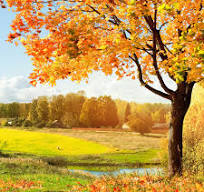
The parable of The Farmer and the Seeds (traditional) offers a powerful lesson in understanding how our environment and mindset shape the results we achieve. In this story, a farmer scatters seeds, which fall on different types of soil: the hard path, rocky ground, thorny bushes, and good soil. While the seeds on the good soil yield a fruitful harvest, the others fail to grow.

What does this teach us? It emphasizes that the conditions we cultivate in our lives—whether through our mindset, the relationships we nurture, or the environments we place ourselves in—directly affect the outcomes we experience.

  1. Mindset: Like the good soil, a positive and growth-oriented mindset is essential for success. When we approach challenges with resilience and determination, we foster the conditions for growth, even when times are tough.
  2. Environment: Surrounding ourselves with supportive and nurturing people (like good soil) encourages personal development and success. Just as seeds need the right environment to flourish, we too need to ensure that our environments—work, home, and social circles—are conducive to our growth.
  3. Relationships: Relationships, like soil, play a significant role in our personal growth. Some relationships may drain or hinder us, while others can cultivate our abilities and encourage us to reach our potential.

As we begin this new year, reflect on your own “soil.” Are you setting yourself up for success by nurturing the right mindset, cultivating supportive relationships, and surrounding yourself with a positive environment? Small changes to these areas can have a significant impact on the results you achieve.

Remember, just as the farmer’s good soil yields an abundant harvest, the conditions you create today will shape your future.

How to Make Perfect Brownies Using Muffin Tins: Crispy Edges, Chewy Centers

If you love brownies (who doesn’t?), but you’re tired of waiting for that large baking pan to cool before slicing, here’s a fun and easy solution: muffin tins! Yes, you can make individual brownie portions in muffin tins, and the results? Well, they’re nothing short of perfect.

Why Muffin Tins?

Muffin tins give you individual brownies that are perfectly portioned, and they bake faster than a full pan. But the best part is the texture. The batter’s exposure to the muffin tin’s edges creates that sought-after contrast between crispy, crunchy edges and a chewy, fudgy center. It’s a win-win!

What You’ll Need:

– Your favorite brownie recipe (or a box mix if you’re in a hurry)
– Muffin tin (standard size)
– Non-stick spray or cupcake liners
– An oven preheated to 350°F

The Magic Numbers: 350°F for 20 Minutes

Here’s where the magic happens. Preheat your oven to 350°F, then scoop your brownie batter into the muffin tins, filling each cup about 2/3 full. The key to getting that perfect crispy edge with a chewy center is baking for about **20 minutes**. This will give you the right balance of texture. You’ll know they’re done when a toothpick inserted into the center comes out with just a few moist crumbs.

The Best of Both Worlds: Crispy Edges, Chewy Centers

One of the main reasons muffin tin brownies are so popular is because they offer two types of brownie textures in every bite. The edges crisp up thanks to their exposure to the hot muffin tin, while the centers stay perfectly soft and chewy. It’s like getting the best of both worlds—what could be better?

Tips for Extra Fudgy Brownies:

1. Use a high-quality cocoa powder or melt some chocolate into your batter for a richer flavor.
2. Don’t overmix the batter, as that can make your brownies cakier.
3. Let them cool in the tin for a few minutes before transferring them to a cooling rack—this helps them hold their shape.

The beauty of this method is that you don’t need to be a professional baker to get a perfect batch of brownies. Whether you’re craving a quick treat for yourself or impressing guests with a fun, individual serving, muffin tins make brownie baking a breeze. Crispy edges, chewy centers, and all the chocolatey goodness in between. What’s not to love?

Happy baking!

https://amzn.to/3CixlSK

https://amzn.to/3YWNkif

Fall Flavors: Cooking with Pumpkin—Muffins, Cookies, Lattes & More!

It’s that time of year again—leaves are changing, there’s a crisp chill in the air, and pumpkins are *everywhere*. Whether you’re a full-on pumpkin fanatic or just dabbling in the orange-hued world of fall flavors, there’s something cozy and comforting about cooking with pumpkin. So let’s talk pumpkin treats, shall we?

Pumpkin Muffins with Chocolate Chips: The MVP of Fall 🍫
Ah, pumpkin muffins. Soft, warm, and the perfect snack for a chilly day. I’m personally a big fan of adding chocolate chips to the mix. There’s just something magical about the slightly bitter chocolate cutting through the sweet, spiced pumpkin. It’s the best of both worlds! Imagine a chilly Saturday morning with a hot coffee and a fresh pumpkin muffin—it’s practically fall in a bite.

And if you’re in the mood for something richer, top those muffins with a dollop of cream cheese frosting. It’s like a tiny pumpkin cheesecake in every bite. Just a heads-up: these don’t last long on the counter. One muffin quickly turns into two, and before you know it, you’re contemplating baking another batch.

Pumpkin Cookies: Soft, Chewy & Just Sweet Enough 🍪
For those who want pumpkin spice without the heaviness of a pie, pumpkin cookies are the answer. I like to add a hint of cinnamon and nutmeg, which pairs perfectly with a cup of tea or coffee. These cookies are soft, almost cake-like, with a little chew that makes them irresistible. If you’re feeling adventurous, toss in some chopped nuts or a sprinkle of sea salt for a little twist. These are perfect for sharing at fall gatherings—or, you know, hoarding all to yourself on the couch. No judgment!

Pumpkin Pie: The Classic Everyone Loves 🥧
Of course, we can’t forget the OG—pumpkin pie. This classic is a must at any Thanksgiving table and arguably the dessert of the season. Some swear by extra cinnamon; others add a pinch of cloves or ginger to spice things up. Whatever your style, pumpkin pie brings everyone together, whether you’re a whipped cream purist or go for that sprinkle of powdered sugar.

Pumpkin Spice Latte: The Controversial Hero ☕️
Now, here’s where it gets a little controversial: the pumpkin spice latte. Some folks wait all year for it; others can’t stand the thought. But whether you love it or hate it, the pumpkin spice latte is a fall icon. Personally, I enjoy one every now and then—it’s sweet, spicy, and tastes like autumn itself in a cup. And if PSLs aren’t your thing, pumpkin spice tea is a lighter option that still brings those fall vibes.

Or…Maybe You’re Just Not That Into Pumpkin? 😳
Not everyone is a fan of pumpkin, and that’s totally okay! Maybe apple cinnamon or caramel-flavored treats are more your jam. The beauty of fall is that it brings all kinds of cozy flavors to the table. And if pumpkin’s not for you, there are plenty of other ways to get into the seasonal spirit!

So, What’s Your Pumpkin Go-To?
Are you a pumpkin muffin lover, pie purist, or cookie fanatic? Or maybe you’re ready to try something new this fall? Whatever your preference, fall is the time to dive in and enjoy the flavors of the season.

So grab that can of pumpkin, preheat your oven, and let’s get baking! 🍂🎃

Now is Not the Time to Cut Back Your Plants: Why Patience Pays Off in the Garden

It’s fall. The air is crisp, leaves are turning, and the urge to tidy up your garden is almost irresistible. But, here’s a twist: now is *not* the time to cut back your plants. If you’re thinking, “But isn’t fall cleanup supposed to mean trimming back?”—you’re in good company! Let’s talk about why holding back that pruner might actually be the best thing you can do for your garden and its inhabitants.

Why Cutting Back Can Wait
We get it: when plants start to droop, with leaves drying up and flowers gone, it feels natural to clean them up and prepare for a neat winter landscape. But here’s the thing—many plants, including perennials, benefit from being left alone for a bit longer. Their foliage, seeds, and stems serve a purpose even when they look past their prime.

1. Protection Against the Cold
Those dried-out stems and leaves? They’re like a cozy winter coat for the plants. Left intact, they insulate roots from fluctuating temperatures, which can help perennial plants stay strong and resilient through winter.

2. Habitat for Wildlife
Birds, bees, and other beneficial insects rely on old foliage and dried-out plant material to find shelter and food during the colder months. Leaving those stems up provides winter refuge, and if you’re a fan of butterflies, this is great news. Some butterflies, like the mourning cloak, overwinter in plant debris, while others lay their eggs there to hatch in spring.

3. Natural Mulching and Soil Health
Letting plant matter decompose naturally over the winter months feeds your soil without any extra work on your part. As the stems and leaves break down, they enrich the soil with nutrients, reducing the need for extra fertilizer in the spring.

Which Plants Should Wait Until Spring?
If you’re wondering which plants benefit most from a no-trim policy, focus on perennials like ornamental grasses, coneflowers, and sedum. Their seed heads add a little winter interest to the garden, not to mention food for birds like finches. Roses, lavender, and other flowering plants can also benefit from being left alone, with their old stems providing frost protection and fostering growth in spring.

When to Make the Cut?
Of course, you don’t need to avoid your pruners forever. Early spring is the ideal time to trim back these plants. By then, any insects will have emerged, birds will have moved on, and the plants will be ready for their new growth to shine.

Practical Tips to Embrace the “No-Cut” Approach
– Trim Strategically: If a plant looks genuinely messy and bothers you, it’s okay to do a minimal cleanup. Just don’t cut too close to the ground.
– Leave Some Seed Heads: Plants like sunflowers and black-eyed Susans can be left alone for birds to snack on. Their seed heads look pretty against winter snow and bring activity to your garden.
– Consider the Beauty: There’s a unique beauty in the winter garden—soft grasses swaying in the wind, delicate frost on stems. Embrace this quieter beauty.

The Bottom Line: A Garden that Gives Back
Patience in gardening is a skill that pays off. By resisting the urge to cut back right now, you’re setting your plants up for stronger growth come spring, inviting wildlife to your garden, and allowing nature to do some of your work for you. Plus, isn’t it nice to have one less chore on the list?

Holiday Cooking: How a Digital Spatula Thermometer Can Save Your Sweet Treats and Holiday Feasts

As the holidays roll around and the kitchen starts heating up, we all know what’s coming—endless rounds of cookies, candy-making marathons, and big family dinners. It’s the time of year when the oven is always on, and you suddenly become a mix of Julia Child and a mad scientist. There’s nothing quite like the chaos of the holiday kitchen, but having the right tools on hand makes it a little more fun—and a lot less stressful.

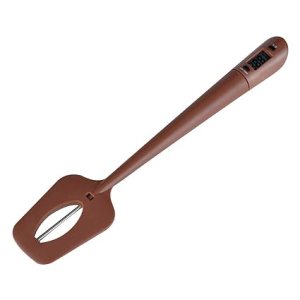
Enter: the Digital LCD Candy Spatula Thermometer. Sounds fancy, right? Well, it kind of is. If you’ve ever tried to make candy or check the temperature of a roast without a trusty thermometer, you know that the margin for error is about as thin as a filo dough sheet. This little gadget is not just any thermometer, though—it’s an instant-read meat and candy thermometer, stirrer, and spatula all in one. BPA-free and made of food-grade silicone, it’s basically the Swiss Army knife of kitchen tools.

The Struggle is Real

I’ll admit it—candy-making used to intimidate me. The first time I tried making homemade caramel, I ended up with a pot full of what I can only describe as caramel-flavored concrete. That’s when I realized, maybe I need some help in the precision department. You can’t just wing it when it comes to candy temperatures, and the “soft ball stage” doesn’t mean it’ll feel like a soft ball; it’s about chemistry, folks!

That’s where the Digital Candy Thermometer has saved my holiday sanity. You can stir while checking the temperature, which means no more burnt hands from trying to multitask with a spoon and an old-school mercury thermometer. Plus, there’s something satisfying about watching those digital numbers climb as you get closer to the perfect temperature for fudge, caramel, or divinity (anyone else’s grandma still make divinity?).

The Roast Beast Test

But wait, it’s not just for sweets! This spatula thermometer also works for meats, which is a game-changer for holiday roasts. Forget cutting into the turkey to “see if it’s done” and watching all the juices run out. Just poke this thermometer in and get an instant read on the temperature without missing a beat.

The holidays are stressful enough without worrying about undercooked (or overcooked) main dishes. And let’s be real—there’s no faster way to derail a holiday feast than to serve a dry turkey. Trust me, nobody will remember the perfect mashed potatoes if the bird’s a bust.

Why You’ll Love It

If you’re like me and like to keep things simple yet effective in the kitchen, this gadget will fit right in with your holiday routine. It’s one of those small investments that make a big difference. You’ll save time, stress, and a whole lot of guessing games when it comes to getting your recipes just right.

I like to think of it as my little sous chef—quiet, dependable, and always ready to lend a (silicone) hand. And the best part? No more failed fudge or overdone turkey. It’s foolproof, which is exactly what I need when I’m juggling cookie trays and holiday guests who show up early.

The Holidays are Coming—Be Ready!

Because who has time for kitchen disasters when there are gifts to wrap and holiday movies to binge? Happy cooking—and may your thermometer always read “just right!”

https://amzn.to/3YnX2tE

The Comfort of Comfort Food: A Culinary Embrace

What is Comfort Food?

Comfort food is often defined by its nostalgic appeal, simplicity, and heartwarming flavors. These dishes may vary from person to person, influenced by cultural backgrounds and personal experiences. It often evokes feelings of happiness, warmth, and contentment, bringing a sense of security in an often chaotic world.

The Psychology Behind Comfort Food

There’s a psychological aspect to our love for comfort food. When we consume these beloved dishes, our brains release dopamine, the “feel-good” neurotransmitter. This chemical response can provide temporary relief from stress and anxiety. In times of trouble, our instinct is to seek solace in familiar flavors and comforting textures.

Popular Comfort Foods Around the World

1. Macaroni and Cheese (United States): Creamy, cheesy, and utterly satisfying, this dish is a childhood favorite for many Americans.

2. Ramen (Japan): A steaming bowl of ramen, with its rich broth and tender noodles, offers warmth and nourishment.

3. Pasta (Italy): From spaghetti and meatballs to lasagna, Italian pasta dishes embody comfort through their hearty sauces and flavors.

4. Chicken Soup (Various Cultures): Known for its healing properties, chicken soup is a classic remedy for the soul.

5. Poutine (Canada): Fries topped with cheese curds and gravy create a savory, indulgent experience that warms the heart.

6. Mashed Potatoes (United States): Creamy, buttery mashed potatoes are the ultimate side dish that can elevate any meal.

The Role of Comfort Food in Our Lives

Comfort food often finds its way into our lives during significant moments—celebrations, family gatherings, or even times of sadness. It serves as a reminder of love and togetherness, often connecting us to those we cherish. Sharing these meals with family and friends can create lasting memories and strengthen bonds.

Creating Your Comfort Food Experience

You don’t need a special occasion to indulge in comfort food. Here are a few ways to create your own comforting experience at home:

– Cook with Love: Spend time in the kitchen preparing your favorite dish. The process can be therapeutic, and the aromas will fill your space with warmth.

– Savor the Moment: Take your time to enjoy your meal. Put away distractions, set the table, and truly appreciate the flavors and textures.

– Share the Love: Invite friends or family over for a comfort food feast. Sharing food can enhance the joy of the experience.

– Try New Recipes: While classic comfort foods are beloved, don’t hesitate to explore new recipes that excite your palate and become future favorites.

Comfort food is more than just sustenance; it’s a source of joy and connection that nourishes both body and soul. Whether you’re indulging in a nostalgic family recipe or trying something new, allow yourself the pleasure of these comforting dishes. Embrace the warmth they bring, and remember that food has the incredible power to heal, unite, and uplift us. So, go ahead, grab a plate of your favorite comfort food, and savor every delicious bite.

Caring for Roses: A Gardener’s Guide to Success

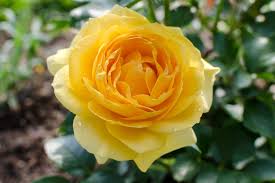
Roses are a beloved addition to any garden, known for their stunning beauty and delightful fragrance. Fortunately, they are relatively easy to care for, making them an excellent choice for both novice and experienced gardeners. Here’s a guide to help you cultivate healthy, thriving roses in your garden.

Planting Your Roses

When purchasing roses from a nursery, it’s essential to plant them properly. Start by preparing the soil with compost to provide nutrients. After planting, apply a layer of mulch to help retain moisture. During the establishment phase, which typically lasts several weeks, be diligent about watering. If you experience a dry spell in winter, consider giving your roses a drink on warmer days to keep them hydrated.

Propagation: Growing Your Collection

If you have a favorite rose that flourishes in your garden or a friend’s, propagating through cuttings is an excellent way to create new plants. Cuttings will give you roses that are true to type, ensuring you maintain the characteristics of your favorite variety. For the more adventurous gardener, starting roses from seeds collected from rose hips can yield unique hybrids. This process may take longer, but you could discover a new favorite!

Winter Care: Protecting Your Roses

Roses benefit from a thick layer of mulch during winter, which insulates the roots and helps retain moisture. As spring approaches, gently pull back some of the mulch to encourage airflow and prevent rot. This will also help your roses breathe as they start their growing season.

Pruning: Encouraging Healthy Growth

Established roses require yearly pruning, ideally in early spring. This practice helps remove old or dead wood and encourages new growth and flowering. Aim to prune no more than two-thirds of the plant to maintain its health. Surprisingly, even if roses die back to the root, they often rebound beautifully in the spring.

To promote continuous blooming, consider pruning spent flowers throughout the growing season. However, leaving some spent roses on the plant allows for the development of rose hips, which are not only beautiful but also rich in vitamin C and antioxidants, providing nourishment for both humans and wildlife during the winter months.

With their rich colors and enchanting scents, roses can transform any garden into a stunning retreat. By following these care guidelines—proper planting, diligent watering, thoughtful propagation, winter protection, and regular pruning—you can ensure that your roses flourish year after year. !

Ground Cover Plants: Low Maintenance Beauty for Any Spot

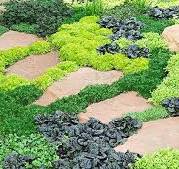
If you’re looking for a low-maintenance way to add color and texture to your garden while preventing weeds, ground cover plants are an excellent choice. These versatile plants can thrive in both sunny and shady spots, making them a valuable addition to any landscape. Here’s a closer look at why ground cover plants are such a great option and how they can enhance your garden

Benefits of Ground Cover Plants

1. Weed Prevention

One of the primary benefits of ground cover plants is their ability to suppress weeds. By forming a dense mat of foliage, these plants block sunlight from reaching weed seeds and seedlings, effectively preventing them from taking root and spreading. This natural weed control reduces the need for chemical herbicides and manual weeding, saving you time and effort.

2. Low Maintenance

Ground cover plants are known for their minimal maintenance requirements. Once established, they typically need little more than occasional watering and pruning. Many varieties are drought-tolerant and adaptable to different soil types, making them an ideal choice for busy gardeners or those new to gardening.

3. Versatility

Ground covers are incredibly versatile and can be used in a variety of garden settings. Whether you have a sunny garden bed, a shaded corner, or an area with poor soil, there’s a ground cover plant that will thrive in those conditions. Their adaptability allows you to use them in diverse garden spaces, enhancing the overall look and functionality of your landscape.

4. Aesthetic Appeal

Ground cover plants come in a wide range of colors, textures, and growth habits, adding visual interest and beauty to your garden. From vibrant blooms to lush green foliage, these plants can create a stunning carpet of color that complements other garden features. They are perfect for filling in bare spots, edging pathways, or covering slopes.

5. Erosion Control

In addition to their aesthetic and practical benefits, ground cover plants can help control soil erosion. Their extensive root systems stabilize the soil, preventing it from washing away during heavy rain or wind. This makes them particularly useful for planting on slopes or areas prone to erosion.

Best Ground Cover Plants for Different Conditions

– Sunny Areas:
– Creeping Thyme: Known for its fragrant foliage and small, colorful flowers, creeping thyme is a hardy ground cover that thrives in full sun.
– Sedum (Stonecrop): This drought-tolerant plant comes in various shapes and colors, providing excellent coverage and texture in sunny spots.
– Lamb’s Ear: With its soft, silvery leaves and low-growing habit, lamb’s ear adds a unique texture to sunny garden beds.

– Shaded Areas:
– Creeping Jenny (Lysimachia nummularia): This plant has a vibrant green and gold foliage that adds color to shaded or partially shaded areas.
– Pachysandra: A classic ground cover for shade, pachysandra creates a lush, green carpet and is ideal for under trees or along shaded pathways.
– Hosta:While primarily known for its large, attractive leaves, hosta can also function as a ground cover in shady garden spots.

How to Plant and Care for Ground Cover

– Planting:Prepare the soil by removing weeds and amending it with compost if needed. Space the plants according to their recommended distances to allow for proper spreading. Water thoroughly after planting.

– Maintenance: While ground cover plants are generally low-maintenance, they may require occasional trimming to keep them looking their best. Mulching can help retain moisture and further suppress weeds.

– Monitoring:Keep an eye on their growth and health, ensuring they don’t become too invasive or overtake other plants. Regular checks will help you manage their spread and maintain a balanced garden.

Ground cover plants offer a practical and beautiful solution for garden maintenance. Their ability to add color, control weeds, and thrive in various light conditions makes them a valuable addition to any landscape. Whether you’re filling in bare spots, preventing erosion, or simply enhancing your garden’s aesthetics, ground cover plants are an excellent choice for creating a low-maintenance, vibrant garden. Explore the variety of options available and transform your garden with these versatile and charming plants.

The Wonders of Beeswax: Nature’s Versatile Gift from the Bees

Beeswax is one of nature’s most incredible byproducts, gifted to us by the hard-working honeybees. While honey often takes the spotlight, beeswax is a powerhouse of its own with a wide range of uses. Whether you’re looking to use beeswax in your home or turn it into natural products to sell, there’s no shortage of ways to benefit from this golden treasure.

In a world where there is growing demand for natural and sustainable products, beeswax stands out as an eco-friendly and versatile option. Let’s dive into the many uses of beeswax and how you can incorporate it into your lifestyle or business.

What is Beeswax?

Beeswax is a natural substance produced by worker honeybees to build the honeycomb structure of their hives. It’s a complex mix of compounds, including long-chain fatty acids, esters, and hydrocarbons. As the bees secrete wax from glands on their abdomens, they use it to form hexagonal honeycomb cells, which serve as storage for honey and as nurseries for their larvae.

Once the honey is harvested, the beeswax can be collected and purified, creating a golden-yellow wax that has countless applications.

The Many Uses of Beeswax

1. Natural Skincare Products
Beeswax is a popular ingredient in natural skincare products, thanks to its moisturizing properties and ability to form a protective barrier on the skin. It’s commonly found in lip balms, lotions, salves, and creams. Beeswax locks in moisture without clogging pores, making it ideal for dry or sensitive skin.

2. Eco-Friendly Candles
Beeswax candles are prized for their clean burn and pleasant, natural honey scent. Unlike paraffin candles, which are made from petroleum, beeswax candles are all-natural, non-toxic, and release negative ions that help purify the air. They’re perfect for creating a warm and inviting atmosphere in your home while reducing indoor pollutants.

3. Beeswax Wraps: A Sustainable Alternative to Plastic
Tired of using plastic wrap? Beeswax wraps are an eco-friendly, reusable alternative to single-use plastic. These wraps are made by coating fabric with beeswax, providing a flexible and breathable covering for food storage. They can be used to wrap sandwiches, cover bowls, and store produce, helping to reduce your plastic waste.

4. Polishing and Woodcare
Beeswax is an excellent natural wood polish, giving furniture a soft sheen while protecting it from moisture. It can be used to condition wooden cutting boards, countertops, and even leather goods. The wax penetrates the wood, bringing out its natural beauty while adding a layer of protection.

5. Beeswax Crayons
For parents and educators seeking non-toxic art supplies, beeswax crayons are a great option. These crayons are durable, easy to grip, and provide vibrant colors without any harmful chemicals, making them a safe choice for kids.

6. DIY Beeswax Projects
If you’re a DIY enthusiast, beeswax is a dream material. From making your own lip balms and salves to crafting homemade candles, the possibilities are endless. Beeswax is easy to melt and mold, making it ideal for personal projects or even small business ventures.

Making Beeswax Products to Sell

With the increasing demand for natural, sustainable products, making beeswax-based items to sell can be a lucrative and rewarding endeavor. Here are a few ideas to consider:

– Beeswax Candles: Handcrafted beeswax candles are always in demand, and you can experiment with different shapes, sizes, and even essential oils to create unique offerings.
– Lip Balms and Lotions: Start small with a line of natural skincare products using beeswax as the base. These can be a hit at farmers’ markets or online stores.
– Beeswax Wraps:  As people seek to reduce their plastic use, beeswax wraps have become popular. You can create stylish, sustainable wraps in various sizes and patterns.

With a bit of creativity and effort, you can turn beeswax into a thriving business while promoting sustainability and eco-conscious living.

Why Choose Beeswax?

Beyond its versatility, beeswax has some incredible benefits:
– Eco-Friendly: Beeswax is 100% natural and biodegradable. Unlike synthetic alternatives, it doesn’t contribute to environmental pollution.
– Sustainable: Bees produce beeswax as part of their natural process, making it a renewable resource.
– Non-Toxic: Whether you’re using it in skincare, candles, or food wraps, beeswax is safe and non-toxic, making it a healthier option for your home and family.

Whether you’re looking to embrace a more natural lifestyle or start a small business selling handmade products, beeswax is a wonderful and versatile material to work with. From skincare to candles, food wraps to furniture polish, the possibilities are endless.

If you’re interested in using beeswax, remember to source it from responsible and sustainable beekeepers who prioritize the health and well-being of their bees.

Disclaimer:
Before using any beeswax products on your skin, especially if you have allergies or sensitive skin, it’s best to consult your doctor. Always ensure that you’re using pure, high-quality beeswax from a trusted source.

https://www.thefarmerscupboard.com/blogs/bees-honey/where-buy-beeswaxBeeswax is nature’s gift with endless uses!


 4 Gardening Myths Debunked: Separating Fact from Fiction

Gardening is an age-old practice, but along with it come myths and misconceptions that can mislead both new and experienced gardeners. To help you make the most of your green space, let’s tackle four common gardening myths and provide the truth behind them.

1. Myth: Watering Plants in Direct Sunlight Scorches Leaves
One of the most persistent gardening myths is that watering your plants during the heat of the day will cause the sun to scorch the wet leaves. The theory is that water droplets act as magnifying glasses, intensifying sunlight and burning the plant. However, scientific studies have shown that this isn’t the case. Water droplets don’t concentrate sunlight enough to cause damage to plants.

Debunked: The real risk of watering in direct sunlight is that much of the water will evaporate before it can soak into the soil. For efficiency, it’s best to water early in the morning or late in the afternoon, ensuring the water reaches the roots without unnecessary waste.

2. Myth: You Must Water Your Garden Every Day
Many believe that daily watering is essential for healthy plants, but this can do more harm than good. Overwatering can drown plant roots, lead to fungal growth, and weaken plants over time.

Debunked: The key to healthy plants is deep, less frequent watering that encourages roots to grow deeper into the soil. Aim to water your garden about once or twice a week, depending on the climate and the needs of your plants. Deep watering ensures that moisture reaches the roots and helps plants develop a strong root system.

3. Myth: Using Chemical Fertilizers Is the Best Way to Feed Plants
There’s a common misconception that synthetic fertilizers are the most effective way to ensure lush, fast-growing plants. While they may provide quick results, overuse can lead to nutrient imbalances, harm beneficial soil organisms, and contribute to long-term soil degradation.

Debunked: Organic matter, like compost or well-rotted manure, is a far better way to nourish your garden. It provides a slow, steady release of nutrients and improves soil structure, allowing for better water retention and healthier plant growth. Plus, it fosters beneficial microbes that create a thriving ecosystem in your soil.

4. Myth: More Sunlight Always Equals Better Growth
It’s easy to think that more sunlight means healthier, faster-growing plants. While sunlight is crucial for photosynthesis, not all plants thrive in full sun.

Debunked:Different plants have different light needs. Some, like tomatoes and sunflowers, need full sun (6-8 hours per day), while others, such as lettuce or hostas, prefer partial shade. Exposing shade-loving plants to too much direct sunlight can cause stress, leaf burn, and poor growth. Knowing the light requirements of your plants and positioning them accordingly will ensure a healthier, more productive garden.

Gardening is a journey of learning and discovery, and part of that process is questioning the myths that have been passed down over time. By debunking these common gardening myths, you’ll be better equipped to grow a thriving garden based on sound practices and real results.