Weeds Always Come First: Spring, Life, and Clearing What Doesn’t Belong

Spring has barely unfolded her petals, and already—there they are. Weeds. Persistent, fast, and always one step ahead of the beauty you’ve been waiting for.

Isn’t that just like life?

Before your good habits take root, the old ones creep back in. Before your confidence blooms, self-doubt pops up like dandelions. And before your plans get a chance to grow strong, distractions fight to take over the garden.

It’s funny how the weeds always seem to show up first. In the soil—and in our souls.

But here’s the thing: just like in the garden, we get to choose what stays and what gets pulled. Every tug at a stubborn root, every intentional clearing, makes space for something better. Something vibrant. Something you want to grow.

So as you step into spring, both outside and inside yourself, take note of the weeds. They’re fast, but you’re faster. They’re stubborn, but you’re stronger.

Cut out what doesn’t belong. Uproot the habits, people, and thoughts that don’t serve your garden. Protect the bloom that’s coming.

Because your life deserves more than weeds. It deserves wildflowers, vegetables, fruit, and all the beauty that comes when you make room for it.

Let spring be a reminder—growth takes work, but it’s worth it.

Sometimes Growth Requires New Locations, People, and Perspective

There’s a reason repotting a plant can make all the difference—it’s not that the plant was broken, it just outgrew the container it was in.

The same thing can happen in our lives.

Sometimes growth requires new soil. A new environment. A new circle. A fresh perspective.

It’s not always easy to recognize when we’ve outgrown a season, a space, or even some relationships. But the discomfort you feel? The sense that something just isn’t right anymore? That might be your sign that it’s time to stretch. Time to expand.

Growth doesn’t always happen in familiar places. Sometimes, you need to step into something unknown to see what you’re really capable of.

That might mean changing your scenery—physically or mentally. It might mean seeking out people who push you to be better, who believe in you, who think big. It might mean looking at the same life through a new lens.

And while change can be unsettling, it also holds incredible power. You’re not abandoning where you’ve been—you’re honoring it by using it as the foundation for what’s next.

Let it. 🌱

Urban Farming in Detroit: A Story of Resilience and Renewal

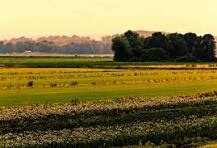
Detroit, once known as the heart of the American automotive industry, experienced a steep economic downturn and population decline in the late 20th and early 21st centuries. Many neighborhoods fell into disrepair, and vast areas of the city were left abandoned. But in the face of adversity, Detroit found an unlikely path to renewal: urban farming.

One shining example of this resurgence is the work of Malik Yakini, a passionate advocate for food security, sustainability, and community empowerment. Yakini founded the Detroit Black Community Food Security Network (DBCFSN), a non-profit organization that aims to empower Detroit’s Black community through access to healthy, locally grown food.

Through the efforts of DBCFSN and other community-driven initiatives, vacant lots across Detroit were transformed into vibrant gardens and farms. These urban farming projects not only addressed food insecurity but also nurtured a deeper sense of community resilience, education, and cultural reconnection.

The Power of Urban Farming

Urban farming in Detroit goes beyond growing food; it’s about growing hope and creating a sense of belonging. In a city where vacant lots once stood as symbols of decay, these new green spaces are now symbols of revival. They represent a shift in how residents view their city and their future.

As neighborhoods come together to tend the land, they also tend to one another. Urban farming fosters a sense of community as people collaborate on shared projects. Whether it’s planting vegetables in community gardens or organizing food markets, these efforts help combat the isolation that can come with economic hardship.

Food Security: A Key to Resilience

One of the main goals of Detroit’s urban farming movement is to address food insecurity. Detroit has long struggled with limited access to fresh, healthy food. According to a 2020 report, approximately 1 in 4 Detroit residents live in food deserts, areas where grocery stores are scarce, and access to fresh produce is limited.

Urban farming provides a solution by growing food locally, making it more accessible and affordable. Farms like the DBCFSN’s Oakland Avenue Urban Farm are providing residents with fresh produce, educational programs on nutrition, and the opportunity to learn about sustainable farming practices.

Education and Cultural Reconnection

Urban farming also plays a significant role in reconnecting communities with their cultural roots and history. For many residents, especially those in marginalized neighborhoods, farming provides an opportunity to reconnect with ancestral traditions. Learning to grow food in the same way their ancestors did is an empowering act that helps rebuild a sense of pride and heritage.

Additionally, urban farming creates space for education. Local schools and community centers partner with urban farms to offer educational programs for children and adults alike. From learning how to plant seeds to understanding the science of soil, these hands-on lessons provide invaluable knowledge while encouraging the younger generation to take an active role in the future of their community.

Looking Toward the Future

While the transformation of Detroit’s urban landscape through farming is already impressive, the potential for growth is even greater. As the city continues to rebuild, urban agriculture can play a central role in shaping a healthier, more sustainable future. The community-building aspect of these initiatives is essential for long-term success, as it empowers residents to take ownership of their neighborhoods and their futures.

In the coming years, Detroit could become a national leader in urban farming, offering valuable lessons on how to transform vacant spaces into productive, thriving hubs. With the continued efforts of passionate individuals like Malik Yakini, the city’s future is one where resilience, education, and food security are cultivated—one garden at a time.

Detroit’s story is a powerful testament to the resilience of communities and the transformative power of urban farming. Through initiatives like the Detroit Black Community Food Security Network, the city is not only growing food but also growing its future. The urban farming movement is more than just a solution to food insecurity—it’s a way to build stronger, more connected communities that are ready to face whatever challenges the future holds.

Urban farming is more than an agricultural revolution. It’s a cultural, educational, and social one, proving that even in the most challenging times, there is room for growth—both in the soil and in the spirit of a community.

The Farmer and the Seeds: Planting for a Fruitful Life

The parable of The Farmer and the Seeds (traditional) offers a powerful lesson in understanding how our environment and mindset shape the results we achieve. In this story, a farmer scatters seeds, which fall on different types of soil: the hard path, rocky ground, thorny bushes, and good soil. While the seeds on the good soil yield a fruitful harvest, the others fail to grow.

What does this teach us? It emphasizes that the conditions we cultivate in our lives—whether through our mindset, the relationships we nurture, or the environments we place ourselves in—directly affect the outcomes we experience.

  1. Mindset: Like the good soil, a positive and growth-oriented mindset is essential for success. When we approach challenges with resilience and determination, we foster the conditions for growth, even when times are tough.
  2. Environment: Surrounding ourselves with supportive and nurturing people (like good soil) encourages personal development and success. Just as seeds need the right environment to flourish, we too need to ensure that our environments—work, home, and social circles—are conducive to our growth.
  3. Relationships: Relationships, like soil, play a significant role in our personal growth. Some relationships may drain or hinder us, while others can cultivate our abilities and encourage us to reach our potential.

As we begin this new year, reflect on your own “soil.” Are you setting yourself up for success by nurturing the right mindset, cultivating supportive relationships, and surrounding yourself with a positive environment? Small changes to these areas can have a significant impact on the results you achieve.

Remember, just as the farmer’s good soil yields an abundant harvest, the conditions you create today will shape your future.

The Cycle of Life: Planting, Growing, Harvesting, and Resting

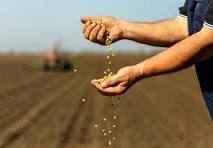
Gardening, in its essence, is a reflection of the life cycle, providing profound insights into the rhythms of existence. As we dig into the soil, plant seeds, nurture growth, harvest the fruits of our labor, and finally, let the land rest, we are not merely tending to our gardens—we are connecting with the natural cycle that mirrors our own life journey.

Planting: The Beginning

Planting represents the start of something new—a dream, a goal, or a phase in life. Just as we carefully select seeds and prepare the soil, we must also prepare ourselves when embarking on a new venture. It’s about setting intentions, laying the groundwork, and trusting in the potential that lies within small beginnings.

In life, planting seeds might mean starting a new project, learning a new skill, or setting a personal goal. It’s a time of hope, anticipation, and faith that the small actions we take today will yield a bountiful harvest in the future.

Growing: Nurturing Progress

Once the seeds are planted, the process of growth begins. This stage requires patience, dedication, and care. Just as plants need water, sunlight, and nutrients, our dreams and goals need consistent effort, learning, and adaptation. Growth is not always visible immediately, and often, the most important developments happen beneath the surface.

In our lives, the growth phase might be challenging. It’s the period where we face obstacles, learn from failures, and continue to nurture our ambitions despite setbacks. But with perseverance, we see progress—whether it’s in personal development, relationships, or career achievements.

Harvesting: Reaping Fulfillment

The harvest is the reward for our hard work. In gardening, this is the time to enjoy the fruits, vegetables, or flowers that have flourished from our efforts. It’s a moment of fulfillment, satisfaction, and gratitude. We celebrate the abundance that comes from our dedication and patience.

In life, the harvest might come in the form of achieving a long-term goal, enjoying the results of personal growth, or experiencing success in our endeavors. It’s important to take time to appreciate these moments, to celebrate the wins, and to share the abundance with others.

Resting: The Essential Pause

After the harvest, the land needs to rest. The soil must be allowed to rejuvenate, to regain its nutrients, and prepare for the next cycle. This period of rest is as crucial as any other stage. It’s in the pause that renewal occurs, setting the stage for new beginnings.

In our own lives, rest is often overlooked but essential. After periods of intense work or growth, taking time to rest, reflect, and rejuvenate is vital. It’s during rest that we gain perspective, recharge our energy, and prepare ourselves for the next cycle of life.

Embracing the Cycle

The cycle of life—planting, growing, harvesting, and resting—teaches us the importance of balance. Each stage has its own purpose and beauty, and by embracing this natural rhythm, we can find greater fulfillment and peace in our lives. Just as in gardening, where each season has its role, in life, every phase is necessary and valuable. As we move through the cycles of our own journey, may we learn to plant with intention, grow with perseverance, harvest with gratitude, and rest with purpose.


Summer Farm Safety Tips: Staying Safe in the Sun and Heat

Summer is a busy time on the farm, with long days dedicated to planting, harvesting, and caring for livestock. While the season brings plenty of sunshine and warmth, it also poses significant risks such as heat stress, dehydration, and sunburn. Staying safe in the sun and heat is crucial for farm workers and farmers alike. Here are some essential summer farm safety tips to ensure you stay healthy and productive during the hottest months.

Hydration is Key

Drink Plenty of Water
– Stay Hydrated: Aim to drink at least 8-10 glasses of water a day, more if you’re working hard or sweating a lot.
– Avoid Dehydrating Beverages: Limit consumption of caffeinated drinks, alcohol, and sugary beverages as they can contribute to dehydration.

Carry a Water Bottle
– Keep Water Accessible: Always have a water bottle with you and take regular breaks to drink, even if you don’t feel thirsty.
– Electrolyte Drinks: Consider drinks with electrolytes to replace lost minerals, especially if you’re sweating heavily.

Wear Appropriate Clothing

Lightweight and Breathable Fabric
– Choose the Right Materials: Wear light-colored, loose-fitting clothing made of breathable fabrics like cotton to help keep you cool.
– **Protective Clothing:** Long sleeves and pants can protect your skin from the sun, as well as from insects and plants that may cause irritation.

Hats and Sunglasses
– **Wide-Brimmed Hats:** Wear a hat with a wide brim to shade your face, neck, and ears from the sun.
– **UV Protection Sunglasses:** Protect your eyes from harmful UV rays with sunglasses that block 100% of UVA and UVB rays.

Use Sunscreen

Apply Generously
– SPF 30 or Higher: Use a broad-spectrum sunscreen with an SPF of at least 30.
– Reapply Often: Reapply sunscreen every two hours, or more often if you’re sweating or working in water.

Take Regular Breaks

Rest in the Shade
– Schedule Breaks:Take regular breaks in a shaded or air-conditioned area to cool down.
– Listen to Your Body: If you feel dizzy, lightheaded, or overly fatigued, stop working and rest immediately.

Work During Cooler Hours
– Avoid Peak Sun:Try to schedule the heaviest or most labor-intensive tasks for early morning or late afternoon when the sun is less intense.

Stay Informed

Weather Updates
– Check the Forecast: Keep an eye on the weather forecast to plan your work accordingly and avoid extreme heat conditions.
– Heat Advisories: Be aware of heat advisories and warnings issued for your area.

Working on a farm during the summer can be rewarding but also poses serious risks if proper precautions are not taken. By staying hydrated, wearing appropriate clothing, using sunscreen, taking regular breaks, and being aware of heat-related illnesses, you can protect yourself and your fellow workers from the dangers of sun and heat exposure. Stay safe, stay cool, and enjoy the productivity and beauty that summer brings to the farm.

Planning a Summer Festival: Celebrating Community and Local Produce

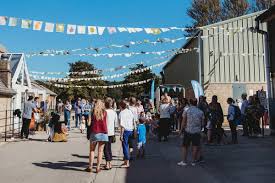
As summer reaches its peak, there’s no better way to celebrate the season than by planning a Summer  Festival. This event not only brings the community together but also highlights the importance of local produce and sustainable farming practices. Here are some ideas for community engagement and farm events that will make your Summer Harvest Festival a memorable occasion for all.

Ideas for Community Engagement

Farmers’ Market:
– Local Vendors: Invite local farmers, artisans, and food producers to set up stalls. This creates an opportunity for community members to purchase fresh produce and handmade goods directly from the source.
– Cooking Demonstrations: Arrange for local chefs to demonstrate how to cook with seasonal ingredients. This can inspire attendees to incorporate more local produce into their meals.

Educational Workshops:
-Gardening Tips: Offer workshops on home gardening, composting, and sustainable farming practices. These sessions can empower attendees to grow their own food and make eco-friendly choices.
-Nutrition and Wellness: Host talks on the nutritional benefits of eating fresh, local produce. Provide tips on how to create balanced meals using ingredients from the festival.

Family Activities:
– Petting Zoo: Set up a petting zoo with farm animals. This is a great way to educate children about animals and farming.
– Crafts and Games:Organize craft stations where kids can create farm-themed artwork. Include games like sack races, corn hole, and scavenger hunts to keep everyone entertained.

Community Contests:
– Best Pie Contest: Encourage bakers to showcase their best pie recipes, with a focus on using local ingredients. Offer prizes for the tastiest and most creative pies.

Farm Event Highlights

Farm Tours:
– Guided Tours:Offer guided tours of the farm, showcasing different crops, livestock, and farming techniques. This gives attendees a deeper understanding of where their food comes from.
– Interactive Stations:Set up interactive stations where visitors can learn about planting, harvesting, and animal care. This hands-on experience can be both educational and engaging.

Pick-Your-Own:
– U-Pick Areas:Designate areas where attendees can pick their own fruits and vegetables. This not only provides a fun activity but also helps people appreciate the effort involved in harvesting crops.
– Harvest Baskets:Provide baskets or bags for visitors to collect their picks. Consider offering a variety of seasonal produce to choose from.

Farm-to-Table Dining:
-Farm Dinners: Host a farm-to-table dinner featuring dishes made from fresh, local ingredients. This can be a ticketed event with limited seating to create an intimate, exclusive experience.
– Food Trucks:Invite food trucks that specialize in using local produce. This adds variety to the dining options and supports local businesses.

A Summer Festival is a wonderful way to celebrate the season, bring the community together, and highlight the importance of local produce. By incorporating a variety of engaging activities, educational workshops, and farm events, you can create an unforgettable experience that benefits everyone involved.


Snowman Cookies and Sweet Memories: A Friend’s House Visit Turned Family Tradition

In the heart of winter, a casual visit to a friend’s house turned into a delightful discovery that sparked a cherished family tradition.

The Sweet Surprise:
One evening, I visited a friend’s cozy home, seeking warmth and companionship. Little did I know that behind their kitchen door awaited a sweet surprise – a batch of adorable snowman cookies. The aroma of freshly baked treats filled the air, instantly putting a smile on my face.

Crafting Frosty Friends:
As we gathered around the kitchen table, my friend shared the secret behind these festive delights. Together, we rolled, shaped, and decorated the cookie dough into charming snowmen. Each cookie took on a unique personality

A Taste of Tradition:
With the first bite, I was transported to a winter wonderland of flavors. The cookies were a perfect blend of sweetness and warmth, capturing the essence of the season. It was then that we decided to turn this delightful experience into a yearly tradition – the making and sharing of snowman cookies.

Family Bonding:
In the years that followed, our snowman cookie tradition grew beyond the confines of that cozy kitchen. Family members of all ages eagerly joined in the cookie-making festivities, sharing laughter, stories, and the joy of creating edible snowmen together. It became a celebration of togetherness, a reminder of the importance of simple pleasures.

Passing Down the Recipe:
The snowman cookie recipe, once a closely guarded secret, evolved into a cherished family heirloom. We passed it down from one generation to the next, ensuring that the joyous tradition continued to bring smiles to faces young and old.

Peanut Butter Blossoms: A Festive Melody for the Holiday Soul

In the grand orchestration of holiday traditions, few treats compose a sweeter melody than the classic Peanut Butter Blossoms. These cookies, with their nutty richness and chocolatey crown, claim an indisputable place as the highlight of the festive symphony. Whether gifted with love, shared in the warmth of companionship, or savored as a moment of self-care.

The Gift of Love:
As you carefully arrange these delectable creations in festive boxes or tie them with ribbons, you’re not just presenting cookies. You’re gifting love, tradition, and the essence of the season. Each Peanut Butter Blossom becomes a token of warmth, a small but powerful expression of the joy that the holidays bring.

Sharing Warmth with Loved Ones:
The act of sharing Peanut Butter Blossoms is akin to passing a plate of joy. Whether at family gatherings, holiday parties, or a cozy night in, these cookies create moments of togetherness. The nutty aroma and sweet taste become the backdrop to laughter, stories, and the creation of cherished memories.

Indulging in Self-Care:
In the hustle and bustle of the holiday season, taking a moment for self-care is paramount. Indulging in the simple pleasure of a Peanut Butter Blossom, perhaps accompanied by a cup of hot cocoa, is a moment of tranquility. It’s a pause in the festive rush—a chance to relish the flavors and embrace the spirit of the season.

Here’s to Peanut Butter Blossoms—claiming their rightful place as a highlight of the festive melody. May you find joy in gifting, sharing, and indulging in these delightful treats. As you savor each day, each cookie, and each cherished moment, may your holiday season be filled with the warmth and magic that Peanut Butter Blossoms bring. Happy baking! 🍪🎄 #HolidayMagic #PeanutButterBlossoms #FestiveMelody

https://www.bettycrocker.com/recipes/classic-peanut-butter-blossom-cookies/a3563f6e-96b0-443f-ae0a-53cef4be6db6muffins?utm_source=google&utm_medium=cpc&utm_campaign=OG_OMP_BC.COM_DSA_FY24_Google_US_CPC_TD&utm_content=Cookies&int=td&rc=&gclid=CjwKCAiAg9urBhB_EiwAgw88mcmJ35TdyIxH6nH5YvzVu6CCrSxe-iqbgP19n_At4xjVQnLOUroZEhoC-dIQAvD_BwE

Dog Rocks: Saving Your Lawn from Yellow Marks with a Splash of Magic

We adore our furry companions, but the unsightly yellow burn spots left behind by dog urine can put a damper on our perfectly manicured lawns. Fear not, dear readers, for we have an enchanting solution that will keep your lawn lush and green. Enter the magical world of Dog Rocks!

The Wonders of Dog Rocks:
Dog Rocks, the secret weapon against grass burn spots caused by urine, are a natural mineral supplement that works its mystical powers in your dog’s water bowl. These rocks, derived from an Australian quarry, contain a unique blend of minerals that neutralize the nitrogen found in urine, thus preventing those dreaded yellow patches on your lawn. It’s like having a wizard’s spell cast over your yard!

A Splash of Magic:
Using Dog Rocks is as easy as waving a wand. Simply place the rocks in your dog’s water bowl and let the enchantment begin. As your pup hydrates, the rocks work their magic, filtering out the harmful elements from their urine, and saving your lawn from grass burn spots. It’s like having a tiny team of lawn-saving fairies working tirelessly to keep your yard looking its best.

Dog Rocks are nature’s little secret to preventing grass burn spots caused by dog urine. With their magical properties, these mystical minerals keep your lawn looking lush and green, allowing you to enjoy the beauty of your outdoor space while cherishing the bond with your four-legged friends. Wave goodbye to yellow marks and welcome the wonders of Dog Rocks into your world.

As an Amazon Associate, I earn on qualifying purchases.