Dirt Hands

Are the Hands Dirty Enough?

Take a good look at those hands. Are they dirty enough? Look under the fingernails—sure, there’s a little dirt there. That’s a start. But something’s missing.

No cuts. No bruises. No calluses that tell a story. These look like greenhouse hands—clean dirt, safe dirt. Not the kind that comes from seasons spent under the sun, breaking ground, and wrestling with the earth.

Maybe what we need are more e-farmers—the kind of folks who aren’t afraid to get their hands truly dirty. The kind of dirt that no soap can wash away. The kind that seeps in over years of hard work, early mornings, and late evenings tending to something that matters.

Because dirty hands are more than a sign of labor—they’re a badge of commitment. Of patience. Of pride.

So yes, years of dirt under the nails, but hands still clean enough to walk his daughter down the aisle.

That’s the kind of dirt we need more of.

Senior Alpaca Finds Friendship in a Cow

A senior alpaca had no friends until one day he met a cow. He is a 17-year-old alpaca, which is pretty old for an alpaca. Stevie had been living at a petting zoo and not getting along with the other animals so he was taken in by Happy Compromise Farm, a sanctuary for animals.
Sadly, “Grandpa Stevie” didn’t get along with the other alpacas because they had already bonded with each other and he was socially awkward, not having learned how to be an alpaca at the zoo. But his social life changed when he met a senior cow named Miriam. The two old-timers get along really well. It turns out that Stevie likes cows more than alpacas and happily hangs out with them, eating hay and enjoying their company!
We’re so glad Stevie found a friend and a herd to belong to.

https://www.reshareworthy.com/friendless-senior-alpaca-meets-cow-friend/

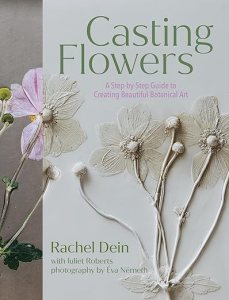
Capture Nature in Clay: The Art of Botanical Bas-Relief

There’s something magical about freezing a moment in nature—capturing the delicate curve of a petal, the intricate veins of a leaf, or the subtle texture of a stem. Casting Flowers offers a creative way to do just that, introducing botanical bas-relief as a rewarding art form for beginners and seasoned artists alike.

What is Botanical Bas-Relief?

Botanical bas-relief is a technique where artists create low-relief impressions of flowers and plants in clay and plaster. Unlike flat drawings or pressed flowers, this method preserves the texture, pattern, and delicate details of each plant, turning them into lasting, three-dimensional works of art.

Simple Materials, Stunning Results

All you need is a few basic materials: clay, flowers or plants, and plaster. Even a single stem can be transformed into a beautiful piece, or you can create elaborate compositions reminiscent of a wildflower meadow. The process is forgiving enough for beginners, yet versatile enough to challenge more experienced creators.

Bring Your Pieces to Life

Once your plaster cast is dry, you can leave it bare for an elegant, minimalist look—or add color with paints to breathe life back into the flowers. Each piece becomes a unique celebration of nature, a personal snapshot of its beauty preserved in time.

Why Try It?

  • Creative satisfaction: Even beginners can achieve professional-looking results.

  • Mindful practice: The process encourages observation, patience, and appreciation for natural details.

  • Decorative art: Finished pieces make beautiful, personalized home décor or gifts.

Botanical bas-relief lets you hold a piece of nature in your hands, capturing the essence of flowers and plants in a tangible, artistic way. Whether you leave your casts natural or painted, each creation tells a story of beauty, texture, and delicate artistry.

https://amzn.to/41HbEph

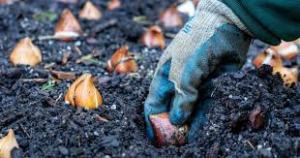
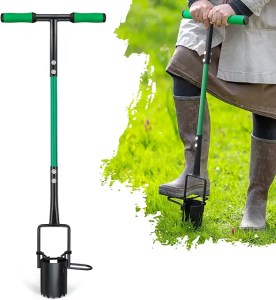
Planting Spring Bulbs: A September Guide for Gardeners in USDA Zones 1–7

As summer winds down and the first hints of fall appear, it’s the perfect time to start thinking about your spring garden. For home gardeners in USDA Zones 1 through 7, September is the ideal month to plant spring bulbs like daffodils, tulips, and crocuses. With the right timing, your garden will burst into color when the weather warms again.

1. Check the Weather First

Before you dig, check your extended weather forecast. Spring bulbs need several weeks to develop roots before the ground freezes. Planting too late risks poor root development and weak blooms.

2. Avoid Too-Warm Soil

If your region is unusually warm in September, be cautious. Planting bulbs in overly warm soil can cause them to sprout early, making them vulnerable to frost and reducing their bloom potential.

3. Prepare Your Soil

Choose well-draining soil and a sunny or partially sunny spot. Loosen the ground and enrich it with compost or bulb fertilizer to give your bulbs the best start.

4. Plant at the Right Depth

As a general rule, plant bulbs about two to three times as deep as the bulb’s height. Tulips, daffodils, and hyacinths each have slightly different depth requirements, so follow the instructions for the specific variety you’re planting.

5. Water and Mulch

After planting, water bulbs thoroughly and add a layer of mulch to protect them from fluctuating fall temperatures. Mulch also helps retain moisture and discourages weeds.

Planting your spring bulbs in September gives them the time they need to root and thrive. By checking the forecast, avoiding overly warm soil, and planting properly, you’ll ensure a vibrant and colorful garden when spring arrives.

https://amzn.to/3I0ryV0

https://amzn.to/3UX27Xu

How My Garden Gives Me Something to Relate to With Others

One of the unexpected joys of having a garden is how it connects me to other people. Whether it’s talking about what I’m planting, sharing the excitement of the first tomato ripening, or swapping tips on how to keep pests away, the garden gives me common ground to relate to others.

It’s funny how quickly conversations start when gardening comes up. Everyone has a story—maybe it’s about their grandmother’s garden, the basil plant they tried to grow on their windowsill, or their neighbor’s zucchini that seemed to multiply overnight. Even people who don’t garden themselves often light up at the thought of fresh herbs or vegetables.

For me, the garden becomes more than just soil, seeds, and sunshine—it’s a bridge. It allows me to connect, listen, and share experiences with people from all walks of life. And it reminds me that even in a fast-paced, digital world, something as simple as growing a cucumber or tending to flowers can spark real conversation and genuine connection.

Sometimes the best relationships grow just like gardens—slowly, naturally, and with a little bit of care.

https://amzn.to/4oZLecu

Embrace the Unexpected: The Joy of Chaos Gardening

Have you heard of chaos gardening? Or maybe wildflower gardening? Or freestyle gardening? No matter what you call it, this carefree gardening trend is all about letting nature take the lead—and it might be just the breath of fresh air your yard needs.

What Is Chaos Gardening?

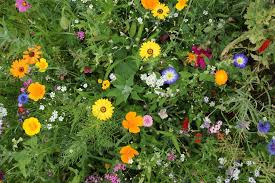
Chaos gardening is the act of scattering seeds without a strict plan or layout. Think of it as gardening with a sense of adventure. Instead of planting in tidy rows or perfectly coordinated colors, you toss a variety of seeds into the soil and let nature do its thing.

You might be surprised by what grows—and that’s part of the fun.

Why Try Chaos Gardening?

  1. Low stress, high reward – No pressure to plan the perfect layout or stress over spacing.
  2. Pollinator-friendly – A mix of flowers and herbs can attract bees, butterflies, and other beneficial insects.
  3. Budget-friendly – Use leftover seed packets, saved seeds, or inexpensive seed mixes.
  4. Fun for all ages – A perfect way to involve kids or spark your own childlike wonder.
  5. A beautiful surprise – Each season becomes a mini mystery, with something new popping up.

A Few Tips for Successful Chaos

  • Loosen the soil before scattering your seeds for better germination.
  • Water regularly, especially at first, until your seedlings are established.
  • Use a mix of annuals and perennials for continuous color year after year.
  • Be patient—chaos gardening takes time, but the results are worth it.

Let Nature Be Your Artist

Not every plant will thrive. Not every bloom will be perfectly placed. But that’s okay. Chaos gardening teaches us to let go, experiment, and celebrate the wild beauty of imperfection.

https://www.realsimple.com/chaos-gardening-method-11710310

You Can’t Rush the Harvest: Why Patience Is Power

In the garden, you don’t plant a seed and dig it up the next day to see if it’s growing.

You plant, you water, you tend—and you wait. It takes time. The sun, the rain, the soil, and the quiet days when nothing seems to be happening all play a part. And then—almost like magic—growth begins to show.

But it’s not magic. It’s patience.

Rushing Doesn’t Help the Crop Grow Faster

We live in a world of quick answers and instant results. We want transformation by next week. Success overnight. Change in a flash. But real things—the things that matter—don’t work like that.

Whether it’s your career, your relationships, your health, or your dreams, rushing the process won’t bring the results any sooner. It often leads to frustration, burnout, or giving up too soon.

The Lost Art of Patience

Patience is becoming a lost art, but it’s one of the most powerful tools we have. When you learn to wait well—to keep showing up, keep nurturing, keep believing even when nothing seems to be happening—that’s when the real transformation takes root.

There’s a quiet strength in patience. It doesn’t mean sitting still and doing nothing. It means continuing with faith and trust that your effort is not wasted.

In the Right Season, With the Right Conditions, Growth Happens

You can’t control everything. You can only control what you plant, how you care for it, and whether you stick with it. The rest? That’s timing, environment, and a bit of grace.

So plant the seeds. Tend your soil. Water your dreams. And then… trust.

In the right season, when the conditions align, the results will show up—and they’ll be worth the wait.

Don’t give up because you don’t see instant growth. Stay patient. Stay steady. The harvest is coming.

Eat more from Earth

In a world full of processed foods and artificial ingredients, returning to the basics—eating more from the earth—can be one of the best decisions for your health and the planet. Whether you’re growing your own food, shopping at a local farmers’ market, or simply making mindful choices at the grocery store, embracing whole, earth-grown foods can transform the way you nourish your body and live your life.

Why Eat More from the Earth?

The benefits of eating more plant-based, whole foods are endless. Here are just a few reasons to make the shift:

  • Better Health: Fruits, vegetables, nuts, seeds, and whole grains provide essential vitamins, minerals, and antioxidants. These foods support your immune system, reduce inflammation, and help prevent chronic diseases.
  • Sustainability: Eating locally and seasonally reduces the environmental impact of food transportation and supports sustainable farming practices.
  • Connection to Nature: When you eat fresh, whole foods, you develop a deeper appreciation for the earth and where your food comes from.

Simple Ways to Eat More from the Earth

1. Choose Whole Foods Over Processed

When possible, opt for foods that are as close to their natural state as possible. Think fresh vegetables, fruits, legumes, whole grains, and nuts rather than packaged, refined, and artificially flavored products.

💡 Tip: If a food comes in a box with a long list of ingredients you can’t pronounce, it’s probably not from the earth.

2. Grow Your Own Food

Even if you don’t have a large garden, growing herbs, tomatoes, or leafy greens in pots or a small backyard space can be a great way to connect with your food and ensure freshness.

💡 Tip: Start with easy-to-grow plants like basil, lettuce, or peppers—they thrive in small spaces!

3. Shop at Farmers’ Markets

Supporting local farmers means fresher produce, fewer pesticides, and a stronger local food system. Plus, seasonal foods are often more flavorful and nutritious.

💡 Tip: Bring reusable bags and ask farmers about their growing practices to make the best choices.

Eating more from the earth isn’t about following strict rules—it’s about making mindful choices that prioritize health, sustainability, and a deeper connection to nature. Whether you grow your own food, shop locally, or simply add more whole foods to your plate, every small step brings big benefits.

What’s one way you can eat more from the earth today? 🌍🍎🥦

Pruning Is Necessary: Letting Go to Grow

In gardening, pruning is essential. We cut back dead branches, remove overgrown areas, and shape plants to encourage stronger, healthier growth. But pruning isn’t just for gardens—it’s a vital life lesson. Sometimes, we must cut back what no longer serves us to allow room for new opportunities, personal growth, and success.

1. Letting Go of Bad Habits

Just like dead branches drain energy from a plant, bad habits drain energy from our lives. Whether it’s procrastination, unhealthy routines, or negative self-talk, these habits stunt our growth. By recognizing and cutting them away, we make space for better choices that move us forward.

How to Start Pruning Bad Habits:

  • Identify one habit holding you back.
  • Replace it with a positive action (e.g., swap late-night scrolling for reading or journaling).
  • Stay consistent—small changes lead to big results over time.

2. Removing Negative Influences

In a garden, some plants block sunlight or steal nutrients from others. In life, certain people or environments do the same. If someone constantly discourages you or drains your energy, it might be time to step back.

Ask Yourself:

  • Do the people around me uplift or bring me down?
  • Do I leave certain situations feeling inspired or exhausted?
  • Am I holding onto relationships out of obligation rather than growth?

It doesn’t mean cutting people off harshly, but rather setting boundaries and choosing to surround yourself with positivity and encouragement.

3. Trimming Away Old Ways of Thinking

Our mindset shapes our reality. Holding onto limiting beliefs—such as “I’m not good enough” or “Success is for other people”—keeps us stuck. Just as a tree grows stronger after careful pruning, we grow when we release outdated, self-defeating thoughts.

Ways to Shift Your Mindset:

  • Replace negative thoughts with empowering ones (e.g., “I can’t” → “I’m learning”).
  • Challenge fears by taking small risks outside your comfort zone.
  • Seek out mentors, books, or experiences that expand your perspective.

4. Making Room for Fresh Growth

When you prune a plant, it might look bare for a while—but soon, new, vibrant growth appears. The same happens in life. Letting go may feel uncomfortable at first, but it creates space for better opportunities, stronger relationships, and personal transformation.

Take Action Today:

  • Identify one thing—habit, relationship, or mindset—that no longer serves you.
  • Make a small change to release it.
  • Stay committed to growth and trust the process.

By pruning wisely, we create space for new possibilities, healthier habits, and a brighter future. What’s one thing you need to let go of to grow stronger? 🌱

Valentine’s Day and Seeing Success in Your Garden: A Love Story with Your Plants

Valentine’s Day is a time to celebrate love, and what better way to honor this day than by recognizing the growth and beauty around us, especially in our gardens? Gardens, like relationships, require patience, care, and dedication. And as the season begins to change, there’s no better time to reflect on the love you’ve poured into your garden and the success you’re seeing as a result.

The Love and Care Your Garden Needs

Much like any meaningful relationship, gardening takes time and effort. It’s not just about planting seeds and hoping for the best—it’s about consistently caring for your plants, giving them the right conditions to thrive, and tending to them with love.

  • Prepare Your Soil: Just as we need a solid foundation in relationships, your garden needs nutrient-rich soil. Fertilize, aerate, and ensure that the soil is ready for your plants to grow strong.
  • Water and Feed: Love requires nourishment, and so does your garden. Regular watering and feeding are essential to ensure that your plants have everything they need to flourish.
  • Patience: Growth doesn’t happen overnight. Just like in life and love, you need to be patient and allow time for things to develop. Keep tending to your garden, and over time, you’ll see the fruits of your labor.

Signs of Success in Your Garden

As you work through the season, you’ll start to see signs of success in your garden. Here are a few heartwarming moments to look forward to:

  • First Sprouts: The first little green shoots poking through the soil are a beautiful reminder that all your hard work is paying off. These sprouts symbolize the beginning of something amazing.
  • Blooming Flowers: There’s nothing quite like the joy of seeing your plants bloom. Whether it’s the first flower of the season or a vibrant new crop of veggies, blooming plants signify your garden’s success and your care.
  • Healthy Growth: As your plants continue to grow strong and vibrant, you’ll see the evidence of your efforts. Healthy leaves, sturdy stems, and abundant flowers or fruits are all signs that your garden is thriving.

Love Your Garden, and It Will Love You Back

Much like love itself, gardening is a journey filled with ups and downs. Some days your plants may struggle, and other days, they may soar. But through it all, the key is to remain dedicated and to find joy in the small moments. Success in gardening isn’t always about achieving perfection—it’s about nurturing life and finding beauty in the process.

So, this Valentine’s Day, take a moment to appreciate the success in your garden. Celebrate the growth you’ve witnessed, both in your plants and in your own life. The love you give to your garden is returned in the form of flowers, fresh vegetables, and the joy of seeing life thrive.

Happy Valentine’s Day—may your garden always grow strong, and may the love you cultivate within it bring you endless joy! 🌹🌱