Copycat Recipes: Bringing Your Favorite Baked Goods Home

There’s something magical about walking into your favorite bakery—the smell of fresh bread, the sight of golden cookies, the taste of a perfectly flaky pastry. But what if you could bring that magic into your own kitchen? That’s where copycat recipes come in.

Copycat recipes are all about recreating the flavors you love from restaurants and bakeries right at home. Not only is it fun, but it can also save money, let you control the ingredients, and give you the satisfaction of baking something delicious from scratch.

Maybe it’s that famous chocolate chip cookie you can never resist, a cinnamon roll that’s perfectly gooey, or a loaf of bread that tastes like it came straight from a bakery case. With a little trial and error (and maybe a few taste tests along the way), you can get surprisingly close to the original.

Here are a few reasons to try copycat baking:

  • Creativity in the kitchen – Test your skills and experiment with flavors.

  • Healthier tweaks – Adjust sugar, flour, or fats to fit your lifestyle.

  • A fun family project – Bake together and see whose version tastes the best.

  • That “nailed it” moment – Nothing beats pulling out a tray and realizing you’ve recreated your favorite treat.

Next time a craving hits, don’t just drive to the bakery—challenge yourself to recreate it. Who knows? You might just discover your homemade version tastes even better.

Copycat Starbucks Pumpkin Cream Cheese Muffins

Ingredients:

  • 1 3/4 cups all-purpose flour

  • 1 cup sugar

  • 1/2 cup vegetable oil

  • 2 eggs

  • 1 cup canned pumpkin puree

  • 1 tsp baking soda

  • 1/2 tsp baking powder

  • 1/2 tsp salt

  • 1 tsp cinnamon

  • 1/2 tsp nutmeg

  • 1/4 tsp cloves

  • 1/4 tsp ginger

Cream Cheese Filling:

  • 4 oz cream cheese, softened

  • 1/4 cup sugar

  • 1/2 tsp vanilla extract

Topping:

  • Pumpkin seeds (pepitas)

Instructions:

  1. Preheat oven to 350°F (175°C). Line a muffin tin with paper liners.

  2. In a bowl, whisk together flour, baking soda, baking powder, salt, and spices.

  3. In another bowl, mix sugar, oil, eggs, and pumpkin puree until smooth. Combine wet and dry ingredients.

  4. Fill muffin cups about 3/4 full.

  5. Mix cream cheese, sugar, and vanilla until smooth. Drop a spoonful into the center of each muffin.

  6. Sprinkle with pumpkin seeds.

  7. Bake for 18–20 minutes, until a toothpick (avoiding the cream cheese center) comes out clean.

  8. Cool slightly and enjoy warm—or store in the fridge for a chilled trea

https://amzn.to/428r9H5

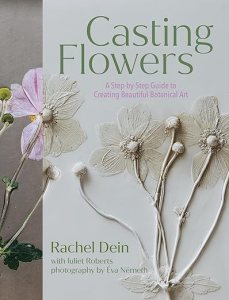
Capture Nature in Clay: The Art of Botanical Bas-Relief

There’s something magical about freezing a moment in nature—capturing the delicate curve of a petal, the intricate veins of a leaf, or the subtle texture of a stem. Casting Flowers offers a creative way to do just that, introducing botanical bas-relief as a rewarding art form for beginners and seasoned artists alike.

What is Botanical Bas-Relief?

Botanical bas-relief is a technique where artists create low-relief impressions of flowers and plants in clay and plaster. Unlike flat drawings or pressed flowers, this method preserves the texture, pattern, and delicate details of each plant, turning them into lasting, three-dimensional works of art.

Simple Materials, Stunning Results

All you need is a few basic materials: clay, flowers or plants, and plaster. Even a single stem can be transformed into a beautiful piece, or you can create elaborate compositions reminiscent of a wildflower meadow. The process is forgiving enough for beginners, yet versatile enough to challenge more experienced creators.

Bring Your Pieces to Life

Once your plaster cast is dry, you can leave it bare for an elegant, minimalist look—or add color with paints to breathe life back into the flowers. Each piece becomes a unique celebration of nature, a personal snapshot of its beauty preserved in time.

Why Try It?

  • Creative satisfaction: Even beginners can achieve professional-looking results.

  • Mindful practice: The process encourages observation, patience, and appreciation for natural details.

  • Decorative art: Finished pieces make beautiful, personalized home décor or gifts.

Botanical bas-relief lets you hold a piece of nature in your hands, capturing the essence of flowers and plants in a tangible, artistic way. Whether you leave your casts natural or painted, each creation tells a story of beauty, texture, and delicate artistry.

https://amzn.to/41HbEph

Planting Spring Bulbs: A September Guide for Gardeners in USDA Zones 1–7

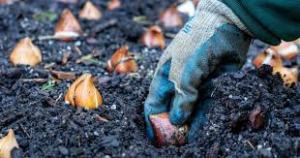
As summer winds down and the first hints of fall appear, it’s the perfect time to start thinking about your spring garden. For home gardeners in USDA Zones 1 through 7, September is the ideal month to plant spring bulbs like daffodils, tulips, and crocuses. With the right timing, your garden will burst into color when the weather warms again.

1. Check the Weather First

Before you dig, check your extended weather forecast. Spring bulbs need several weeks to develop roots before the ground freezes. Planting too late risks poor root development and weak blooms.

2. Avoid Too-Warm Soil

If your region is unusually warm in September, be cautious. Planting bulbs in overly warm soil can cause them to sprout early, making them vulnerable to frost and reducing their bloom potential.

3. Prepare Your Soil

Choose well-draining soil and a sunny or partially sunny spot. Loosen the ground and enrich it with compost or bulb fertilizer to give your bulbs the best start.

4. Plant at the Right Depth

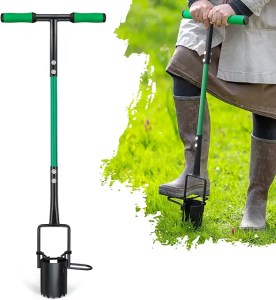
As a general rule, plant bulbs about two to three times as deep as the bulb’s height. Tulips, daffodils, and hyacinths each have slightly different depth requirements, so follow the instructions for the specific variety you’re planting.

5. Water and Mulch

After planting, water bulbs thoroughly and add a layer of mulch to protect them from fluctuating fall temperatures. Mulch also helps retain moisture and discourages weeds.

Planting your spring bulbs in September gives them the time they need to root and thrive. By checking the forecast, avoiding overly warm soil, and planting properly, you’ll ensure a vibrant and colorful garden when spring arrives.

https://amzn.to/3I0ryV0

https://amzn.to/3UX27Xu

How My Garden Gives Me Something to Relate to With Others

One of the unexpected joys of having a garden is how it connects me to other people. Whether it’s talking about what I’m planting, sharing the excitement of the first tomato ripening, or swapping tips on how to keep pests away, the garden gives me common ground to relate to others.

It’s funny how quickly conversations start when gardening comes up. Everyone has a story—maybe it’s about their grandmother’s garden, the basil plant they tried to grow on their windowsill, or their neighbor’s zucchini that seemed to multiply overnight. Even people who don’t garden themselves often light up at the thought of fresh herbs or vegetables.

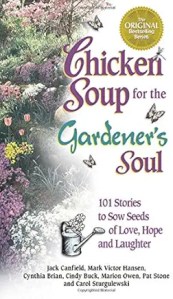
For me, the garden becomes more than just soil, seeds, and sunshine—it’s a bridge. It allows me to connect, listen, and share experiences with people from all walks of life. And it reminds me that even in a fast-paced, digital world, something as simple as growing a cucumber or tending to flowers can spark real conversation and genuine connection.

Sometimes the best relationships grow just like gardens—slowly, naturally, and with a little bit of care.

https://amzn.to/4oZLecu

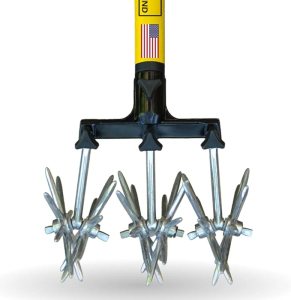
When Should You Use Cultivating in Your Yard?

Cultivating is an essential gardening practice that helps improve soil structure, manage weeds, and prepare your garden for planting. But when should you cultivate your yard for the best results? Here are key times to use this technique effectively.

1. Before Planting

Cultivating before planting helps loosen compacted soil, making it easier for roots to grow. It also improves drainage and aeration, ensuring that your plants get the nutrients and oxygen they need. If you’re adding compost or fertilizer, cultivating helps mix these amendments evenly into the soil.

2. After Heavy Rainfall

Rain can sometimes cause soil compaction, making it harder for water and nutrients to reach plant roots. Light cultivation after the soil has dried a bit can break up the hardened surface and restore proper aeration.

3. To Control Weeds

Weeds compete with your plants for nutrients, water, and sunlight. Shallow cultivation disrupts young weed growth before they have a chance to take over your garden. Be careful not to cultivate too deeply, as this can bring dormant weed seeds to the surface and encourage more growth.

4. At the End of the Growing Season

After harvesting, cultivating your soil can help break down old plant material, mix in organic matter, and prepare your garden beds for the next planting season. This is a great time to add compost or mulch for winter protection.

When to Avoid Cultivating

  • When Soil is Too Wet: Cultivating wet soil can lead to compaction and clumping, making it harder for plants to grow.
  • During Dry, Windy Conditions: Dry cultivation can lead to soil erosion and loss of valuable topsoil.
  • Around Established Plants: Deep cultivation near mature plants can disturb their root systems and cause stress.

By timing your cultivating efforts correctly, you can create a healthier, more productive yard while minimizing potential damage to your plants and soil. Happy gardening!

https://amzn.to/441lZ12

The Farmer’s Almanac: A Timeless Guide for Gardeners and Farmers

For centuries, the Farmer’s Almanac has been a trusted resource for farmers, gardeners, and anyone seeking wisdom about nature, weather, and the changing seasons. Packed with practical advice, planting schedules, long-range weather forecasts, and folklore, this annual publication continues to serve as a guide to living in harmony with the land.

A Brief History

The Farmer’s Almanac was first published in 1818, though similar almanacs have existed for much longer. It was designed to provide weather predictions, agricultural tips, and helpful hints for rural communities. Over time, it has evolved, incorporating modern science while still holding onto its traditional roots.

What’s Inside?

Each edition of the Farmer’s Almanac contains:

  • Long-Range Weather Forecasts – Based on a secret formula, these forecasts help farmers and gardeners plan for the seasons ahead.
  • Planting Calendars – Ideal for those who follow moon cycles and traditional wisdom when planting their crops.
  • Gardening Tips – From pest control to soil care, the almanac offers practical advice for growing a successful garden.
  • Folklore and Natural Remedies – Old-fashioned wisdom about everything from predicting rain to home remedies for common ailments.
  • Astronomical Events – Guides to eclipses, meteor showers, and the best times to observe the night sky.

Why People Still Use It Today

Despite modern technology and advanced weather forecasting, the Farmer’s Almanac remains popular because of its blend of science, tradition, and practical advice. Many gardeners still swear by its planting guides, and weather enthusiasts enjoy comparing its predictions with actual conditions.

How to Use It for Gardening

If you’re a gardener, here are a few ways to make the most of the Farmer’s Almanac:

  1. Check the Frost Dates – Knowing the average first and last frost dates helps you plan your planting schedule.
  2. Follow the Moon Phases – Some believe that planting by the moon leads to better harvests. The almanac provides a detailed lunar planting guide.
  3. Take Note of Weather Patterns – While not always 100% accurate, long-range weather predictions can help you prepare for potential droughts or heavy rains.

The Farmer’s Almanac is more than just a book; it’s a tradition passed down through generations. Whether you’re a serious farmer, a backyard gardener, or simply enjoy seasonal wisdom, it remains a valuable and entertaining resource.

https://amzn.to/4hUAGqF

Finding Balance: Lessons from the Garden

In the garden, plants thrive when they receive the right balance of water, sunlight, and nutrients. Too much of one, and they may wilt; too little, and they won’t grow. It’s a delicate dance, a harmonious relationship between nature’s elements. In many ways, our lives mirror this cycle. Just as plants require balance to flourish, we need balance in our own lives for growth and well-being. Work, rest, and relationships must be nurtured in the right proportions for us to thrive.

The Importance of Balance in Life

Life is often a juggling act—work demands our attention, relationships pull us in different directions, and our own need for rest is sometimes overlooked. Much like a garden that requires a thoughtful combination of water, sunlight, and soil, we need to pay attention to different areas of our lives to maintain our overall health and happiness.

  1. Work: The Sunlight of Productivity

    In the garden, sunlight is crucial for growth. Without it, plants cannot thrive. Similarly, work and productivity are essential for our own growth—whether it’s personal development, career success, or pursuing our passions. However, just as too much sunlight can scorch a plant, overworking ourselves can lead to burnout. We need enough light to help us grow but also shade to prevent damage.

    Striking a balance between productivity and rest allows us to give our best at work without compromising our health or personal life. Set boundaries, prioritize tasks, and make space for rest.

  2. Rest: The Water for Recovery

    Plants rely on water to stay hydrated and healthy. Without it, they can’t absorb the nutrients they need, and they begin to wither. Likewise, rest is the water we need to recharge and stay balanced. When we don’t prioritize rest, we can’t function at our highest level, and our overall well-being suffers.

    Rest doesn’t just mean sleep—it’s about taking time to unplug, disconnect, and recharge. Whether it’s enjoying a hobby, meditating, or simply doing nothing, taking time to relax helps restore our mental, emotional, and physical health.

  3. Relationships: The Soil That Nurtures Us

    Just as soil provides a foundation for a plant’s roots, relationships ground and nourish us. We need a solid support system—family, friends, colleagues, or community—who help us weather life’s challenges and celebrate our successes. Without healthy, meaningful relationships, we can feel disconnected, like a plant deprived of nutrients.

    Cultivating strong relationships requires time, effort, and understanding. Just as plants need regular care, so do our connections with others. By giving and receiving love, support, and encouragement, we ensure that our personal garden of relationships flourishes.

How to Find Balance in Your Life

Just as in the garden, achieving balance in life is an ongoing process. Here are a few tips to help you find your equilibrium:

  • Prioritize Your Health: Just like plants need water and sunlight to grow, your body needs rest, nutrition, and exercise. Take care of yourself so you can take care of everything else.
  • Set Boundaries: Learn to say no when you need to. Just as too much sunlight can be harmful to plants, overcommitting yourself can lead to stress and burnout.
  • Focus on What Matters: In the garden, we must tend to the most important plants. Similarly, focus on the relationships and tasks that matter most to your happiness and fulfillment.
  • Be Flexible: Sometimes the weather changes unexpectedly, and we must adjust. Life doesn’t always go as planned, so being adaptable is key to finding balance.
  • Make Time for Yourself: Ensure that you have regular breaks and time away from work or social obligations to rest and recharge.

In the same way that a garden thrives when it receives the right amount of water, sunlight, and care, our lives require balance to grow and flourish. By tending to the different areas of our lives—work, rest, and relationships—we can nurture ourselves, avoid burnout, and achieve a sense of well-being. Just as every plant needs a unique balance of elements, each of us must discover our own ideal mix to thrive. Remember, life isn’t about perfection, it’s about finding harmony in the rhythms of your own journey.

What are some ways you maintain balance in your life?


Fall Flavors: Cooking with Pumpkin—Muffins, Cookies, Lattes & More!

It’s that time of year again—leaves are changing, there’s a crisp chill in the air, and pumpkins are *everywhere*. Whether you’re a full-on pumpkin fanatic or just dabbling in the orange-hued world of fall flavors, there’s something cozy and comforting about cooking with pumpkin. So let’s talk pumpkin treats, shall we?

Pumpkin Muffins with Chocolate Chips: The MVP of Fall 🍫
Ah, pumpkin muffins. Soft, warm, and the perfect snack for a chilly day. I’m personally a big fan of adding chocolate chips to the mix. There’s just something magical about the slightly bitter chocolate cutting through the sweet, spiced pumpkin. It’s the best of both worlds! Imagine a chilly Saturday morning with a hot coffee and a fresh pumpkin muffin—it’s practically fall in a bite.

And if you’re in the mood for something richer, top those muffins with a dollop of cream cheese frosting. It’s like a tiny pumpkin cheesecake in every bite. Just a heads-up: these don’t last long on the counter. One muffin quickly turns into two, and before you know it, you’re contemplating baking another batch.

Pumpkin Cookies: Soft, Chewy & Just Sweet Enough 🍪
For those who want pumpkin spice without the heaviness of a pie, pumpkin cookies are the answer. I like to add a hint of cinnamon and nutmeg, which pairs perfectly with a cup of tea or coffee. These cookies are soft, almost cake-like, with a little chew that makes them irresistible. If you’re feeling adventurous, toss in some chopped nuts or a sprinkle of sea salt for a little twist. These are perfect for sharing at fall gatherings—or, you know, hoarding all to yourself on the couch. No judgment!

Pumpkin Pie: The Classic Everyone Loves 🥧
Of course, we can’t forget the OG—pumpkin pie. This classic is a must at any Thanksgiving table and arguably the dessert of the season. Some swear by extra cinnamon; others add a pinch of cloves or ginger to spice things up. Whatever your style, pumpkin pie brings everyone together, whether you’re a whipped cream purist or go for that sprinkle of powdered sugar.

Pumpkin Spice Latte: The Controversial Hero ☕️
Now, here’s where it gets a little controversial: the pumpkin spice latte. Some folks wait all year for it; others can’t stand the thought. But whether you love it or hate it, the pumpkin spice latte is a fall icon. Personally, I enjoy one every now and then—it’s sweet, spicy, and tastes like autumn itself in a cup. And if PSLs aren’t your thing, pumpkin spice tea is a lighter option that still brings those fall vibes.

Or…Maybe You’re Just Not That Into Pumpkin? 😳
Not everyone is a fan of pumpkin, and that’s totally okay! Maybe apple cinnamon or caramel-flavored treats are more your jam. The beauty of fall is that it brings all kinds of cozy flavors to the table. And if pumpkin’s not for you, there are plenty of other ways to get into the seasonal spirit!

So, What’s Your Pumpkin Go-To?
Are you a pumpkin muffin lover, pie purist, or cookie fanatic? Or maybe you’re ready to try something new this fall? Whatever your preference, fall is the time to dive in and enjoy the flavors of the season.

So grab that can of pumpkin, preheat your oven, and let’s get baking! 🍂🎃