Spritz Cookies: A Timeless Holiday Tradition

The holiday season is a time of joy, laughter, and of course, delicious treats. Among the myriad of festive confections, one particular delight stands out – the spritz cookie. With its delicate buttery flavor and distinctive shapes, spritz cookies have been gracing holiday tables for generations.

The History of Spritz Cookies:
The origins of spritz cookies can be traced back to Germany, where they are known as “Spritzgebäck.” The word “spritz” comes from the German verb “spritzen,” which means “to squirt” or “to spray.” The name aptly describes the technique of using a cookie press to create intricate shapes by extruding the dough onto the baking sheet. This German culinary gem gradually made its way into Scandinavian and American kitchens, becoming a cherished part of holiday celebrations.

Ingredients and Preparation:
The magic of spritz cookies lies in their simple yet high-quality ingredients. Flour, sugar, butter, and vanilla extract form the base of the dough, creating a rich and buttery flavor that melts in your mouth. Almond extract is often added to enhance the taste, providing a subtle nuttiness that elevates the cookie’s profile.

The dough is mixed to a smooth consistency, and the key to achieving the perfect spritz cookie lies in its texture. It should be pliable enough to pass through the cookie press easily, yet firm enough to hold its intricate shape during baking.

The Cookie Press: A Spritz Cookie Essential:
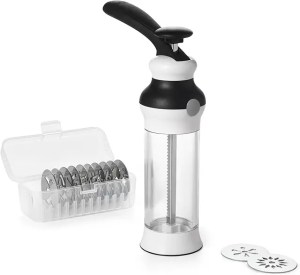
No discussion about spritz cookies is complete without mentioning the indispensable tool – the cookie press. This handheld device allows bakers to create an array of shapes, from classic swirls to festive holiday symbols. The press enables precise control over the dough, ensuring that each cookie is a work of art.

Baking and Decorating:
Once the dough is prepared and loaded into the cookie press, the fun part begins – shaping the cookies. The pressed dough is carefully arranged on a baking sheet, and after a short time in the oven, the kitchen is filled with the irresistible aroma of butter and vanilla. After baking, the cookies can be left as is or adorned with a sprinkle of colored sugar, chopped nuts, or a drizzle of chocolate.

Sharing the Tradition:
Spritz cookies are not just a delightful treat; they are also a symbol of togetherness and tradition. Baking and decorating spritz cookies with family and friends create lasting memories that are as sweet as the cookies themselves. Whether passed down through generations or started as a new family tradition, the act of making spritz cookies is a joyful celebration of the holiday spirit.

As the holiday season approaches, consider adding the time-honored tradition of baking spritz cookies to your festivities. With their rich history, delightful flavors, and endless possibilities for creativity, spritz cookies are sure to bring warmth and cheer to your home. Embrace the joy of baking and sharing these classic treats, and create your own delicious memories to cherish for years to come.

https://preppykitchen.com/spritz-cookies/

https://amzn.to/4ae3vO8


Breathe Easier: 3 Air-Purifying Plants Perfect for Your Home

Indoor plants do more than brighten your space—they can also help clean the air you breathe. According to the NASA Clean Air Study and air quality experts, some houseplants are particularly effective at removing harmful toxins like formaldehyde, benzene, and carbon monoxide. Here are three of the most effective air-purifying plants for your home:

1. Snake Plant (Sansevieria)

  • Removes: Formaldehyde, benzene, nitrogen oxides
  • Best for: Beginners, bedrooms, low-light areas
  • Pet-safe: No (toxic if ingested)
  • Maintenance: Very low—water every 2-3 weeks

The snake plant is nearly indestructible and thrives in low-light conditions. It’s perfect for adding greenery to your bedroom or office while quietly cleaning the air.

2. Spider Plant (Chlorophytum comosum)

  • Removes: Formaldehyde, carbon monoxide
  • Best for: Families with pets, hanging displays
  • Pet-safe: Yes
  • Maintenance: Low—water weekly

Spider plants are not only safe for pets, but their long, arching leaves make them ideal for hanging baskets or shelves. They’re excellent at absorbing indoor pollutants and require minimal care.

3. Peace Lily (Spathiphyllum)

  • Removes: Ammonia, benzene, trichloroethylene
  • Best for: Bathrooms, offices, medium light
  • Pet-safe: No (toxic if ingested)
  • Maintenance: Medium—keep soil consistently moist

Peace lilies are elegant and efficient, purifying the air while adding a touch of style to your space. Just be mindful to keep them out of reach of pets.

Adding air-purifying plants to your home is a simple, natural way to improve indoor air quality and bring life to your space. Whether you’re a beginner looking for low-maintenance options or want a statement plant with high air-cleaning power, snake plants, spider plants, and peace lilies are some of the best choices you can make.

https://amzn.to/482PuA9

https://filterbuy.com/resources/health-and-wellness/air-purifying-plants/

What You Need to Know About Frost and Protecting Your Garden

As the seasons change and temperatures start to dip, gardeners everywhere face the same concern: frost. While frost is a natural part of the yearly cycle, it can have a significant impact on your plants if you’re not prepared. Understanding how frost works and taking steps to protect your garden can make the difference between a thriving garden and damaged plants.

What is Frost?

Frost forms when temperatures drop below freezing, causing water vapor in the air to condense and freeze on surfaces. It usually appears on clear, calm nights when the heat from the ground escapes into the sky. Frost can damage leaves, flowers, and fruit, especially tender or newly planted species.

How Frost Affects Plants

  • Tender Vegetables and Herbs: Tomatoes, peppers, basil, and other warm-season crops are highly susceptible to frost.

  • Perennials: Some hardy perennials can tolerate light frost, but heavy frost can damage leaves and stems.

  • Fruit Trees: Frost during blooming can harm flowers, reducing fruit yield.

  • Tips to Protect Your Garden from Frost

  1. Know Your Frost Dates
    Check your local frost calendar to understand the average first and last frost dates in your area. This helps you plan planting and harvest schedules.

  2. Cover Your Plants
    Use row covers, garden blankets, or even old sheets to protect tender plants overnight. Be sure to remove covers in the morning to prevent overheating.

  3. Water Wisely
    Moist soil holds heat better than dry soil, so watering your garden in the afternoon before a frost can help protect roots.

  4. Move Potted Plants
    Bring container plants indoors or place them in a protected area like a garage or shed during frost nights.

  5. Mulch
    A thick layer of mulch insulates the soil, helping maintain warmer temperatures around plant roots.

  6. Strategic Planting
    Plant tender crops in locations that get maximum sunlight and are protected from cold winds, such as near walls or fences.

When Frost Strikes

If you wake up to frost, act quickly. Remove frost coverings carefully, and if plants are damaged, wait until the temperature warms before pruning frost-bitten leaves. Some plants recover surprisingly well once the sun comes out.

Frost is inevitable in many climates, but with preparation and awareness, you can minimize its impact and keep your garden healthy. By understanding your garden’s vulnerabilities and acting early, you can enjoy the beauty and bounty of your plants, even as the cold sets in.

Farewell to a Classic: The Farmer’s Almanac Publishes Its Final Edition

After more than two centuries of weather forecasts, gardening tips, and time-honored advice, the Farmer’s Almanac is closing a chapter in its long history. The 2026 edition will be the publication’s last, ending a remarkable 208-year run that has touched generations of readers.

Since its first issue in 1818, the Almanac has been more than just a guide—it’s been a companion for households across the country. Families have consulted it for planting schedules, fishing trips, and even life milestones, following its guidance based on sunspots, lunar cycles, and planetary positions. Its pages offered a mix of practical tips, trivia, jokes, and even natural remedies, creating a charming blend of wisdom and entertainment.

The final 2026 edition promises a “wild ride” for winter 2025-2026, predicting dramatic swings in weather, including cold spells, snow, and repeated chill cycles, especially across the Northern Plains to New England. The cover reflects the Almanac’s broad readership, featuring both a classic farmhouse and a cityscape to appeal to urban and rural readers alike.

While the Farmer’s Almanac closes its doors, its legacy will live on in the memories of those who grew up reading it and in the countless ways it guided people through seasons and life events. Fortunately, fans of time-tested wisdom and practical guidance still have the Old Farmer’s Almanac, which continues to publish annually, offering gardening advice, seasonal forecasts, and folklore with modern tools and digital resources.

The end of the Farmer’s Almanac reminds us of the enduring value of trusted, time-tested guidance. Even in a rapidly changing world, its spirit of curiosity, practical knowledge, and connection to nature will continue to inspire those who cherish its legacy.

https://amzn.to/3JNuTHM

A Fond Farewell

Composting and Soil Health: Why Winter is the Best Time to Start

Winter often gets a bad rap as the “off-season” for gardeners and farmers. The cold weather makes it seem like the growing season is over, but it’s actually the perfect time to work on improving your soil health—particularly through composting. While your garden might be dormant for the season, your soil doesn’t have to be.

The Importance of Soil Health

Healthy soil is the foundation of a thriving garden or farm. It provides essential nutrients to plants, helps retain moisture, and supports beneficial microorganisms. Improving soil health through composting is an investment that will pay off in abundance when spring planting season rolls around. Composting not only recycles organic waste but also creates a nutrient-rich mixture that will transform your soil into a fertile, thriving environment.

Why Composting in Winter Matters

You may be wondering, “Can you compost in the winter?” The answer is a resounding yes! Winter composting can help you build better soil health for the upcoming season, even when it’s cold outside. Here’s why winter is an ideal time for composting:

1. Decomposition Still Happens—Just Slower

Even in colder temperatures, decomposition continues, albeit at a slower rate. Composting microbes work best in temperatures between 110°F and 160°F, which is warmer than the outside winter air, but as long as the compost pile stays insulated, it can still remain active. Over the winter, the compost will slowly break down, giving you a head start for spring.

2. Winter is a Great Time for Collecting Organic Material

Winter often comes with fewer chores in the garden, which means you can focus more on collecting materials for composting. Collect kitchen scraps like vegetable peels, coffee grounds, and eggshells, as well as yard waste like autumn leaves, grass clippings, and woody stems. If you have access to hay or straw, those can be excellent additions too. Layering these materials will create a balanced compost pile that decomposes more effectively.

3. Less Smell and Fewer Pests

In the warmer months, compost piles can sometimes produce a strong odor and attract pests. However, during winter, the cold helps to minimize these concerns. The composting process remains odorless, and pests like flies, rodents, and raccoons are less likely to be active or attracted to your compost pile.

4. Improved Decomposition Process

Adding to your compost pile during winter ensures that you start the next growing season with nutrient-rich compost already on hand. Additionally, keeping the pile active by turning it occasionally and ensuring that it’s properly insulated will speed up the breakdown of organic material, which means your garden or farm will benefit from the compost much earlier in the year.

How to Compost in Winter

Composting during the winter is very similar to composting year-round, but with a few adjustments. Here are some tips to make your winter composting process even more effective:

1. Insulate Your Pile

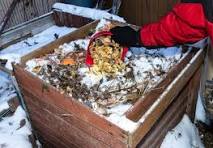
To maintain the heat in the compost pile, make sure it’s properly insulated. You can use materials like hay bales, straw, or even blankets to wrap the pile. Insulation helps retain the heat and prevents the pile from freezing, which would halt the decomposition process. If you’re using a compost bin, ensure it is tightly sealed to trap warmth inside.

2. Layer Your Materials

Just like in the warmer months, it’s essential to create balanced layers in your compost pile—alternating between green (nitrogen-rich) and brown (carbon-rich) materials. Common green materials include kitchen scraps, coffee grounds, and grass clippings, while brown materials include dried leaves, straw, or shredded newspaper. The right balance helps to maintain a productive compost pile throughout the winter.

3. Turn the Pile Regularly

Regularly turning your compost pile ensures that air is circulating, which helps to speed up decomposition. If the pile is insulated well, you may only need to turn it once every few weeks. A compost thermometer can help you gauge whether your pile is staying warm enough for decomposition to continue.

4. Keep Moisture in Check

While moisture is important for the composting process, during the winter months, you don’t want the pile to become too wet and soggy. If it’s snowy or raining frequently, you may need to cover your pile to prevent it from becoming waterlogged. Aim for a moist, but not soggy, consistency.

Benefits of Winter Composting

By the time spring arrives, you’ll be ready to start planting with nutrient-rich, homemade compost that will boost soil fertility and structure. Composting in winter also reduces waste sent to landfills, providing an environmentally friendly solution for organic waste.

In addition, working on your compost pile during the colder months means you’ll have a healthier, more productive garden once the warmer weather hits. Your garden will appreciate the extra love and care you gave it in the off-season.

Winter might not seem like the obvious time to focus on your soil health, but composting during this time ensures your garden is well-prepared for the coming growing season. The extra attention you give your compost pile now will lead to better soil, healthier plants, and a more fruitful harvest later on. So, grab your gloves, get started, and let your composting efforts shine through the chill of winter—your garden will thank you come spring!

Keep Your Yard Clean the Easy Way

Raking leaves every fall can feel like a never-ending chore. Between the dust, allergens, and hours of bending over, it’s no wonder many homeowners dread it. That’s where a leaf sweeper comes in—a simple, efficient, and surprisingly satisfying tool to help you keep your yard clean.

One of the best things about a leaf sweeper is that it’s not powered by gas or batteries. No fumes, no cords, no noise—just a smooth, easy way to gather leaves, pine needles, and grass clippings. You push it across your lawn or driveway, and the rotating brushes collect debris directly into a collection bag.

Leaf sweepers are also low maintenance. Without engines or batteries, there’s nothing to charge, refuel, or repair, and you don’t have to worry about starting problems in the middle of your chore. Simply push, sweep, and empty—done.

Beyond convenience, a leaf sweeper is surprisingly effective. It can cover large areas quickly, reach tight spots along walkways and fences, and save your back from hours of repetitive raking. Plus, it’s perfect for anyone who wants a clean yard without relying on noisy or polluting equipment.

If you’re ready to make leaf cleanup faster, easier, and even enjoyable, a leaf sweeper is a tool worth considering. It’s a small investment that delivers big results—and all without the hassle of gas or battery power.

https://amzn.to/4oEGFmz

Fresh from Our Garden: Stuffed Eggplant Parmesan Is on the Menu Tonight!

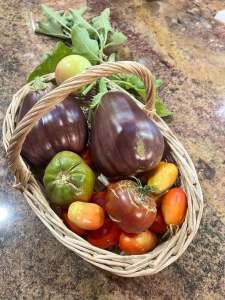
There’s something deeply satisfying about cooking with ingredients grown right in your own garden. Tonight’s dinner is a perfect example—Stuffed Eggplant Parmesan, made fresh with homegrown eggplants, herbs, and tomatoes.

The eggplants were picked this morning—firm, glossy, and full of flavor. After a quick rinse, they’re halved, roasted until tender, and filled with a delicious mixture of sautéed onions, garlic, garden-fresh tomatoes, and a sprinkle of basil and oregano straight from the herb bed. A layer of mozzarella and Parmesan cheese brings everything together in bubbly, golden perfection.

Cooking from the garden isn’t just about flavor—it’s about connection. You know where your food came from, how it was grown, and the care that went into it. Every bite carries the reward of patience and love.

So tonight, the kitchen smells like summer. The garden has given us another reason to be thankful

https://amzn.to/474dyU2

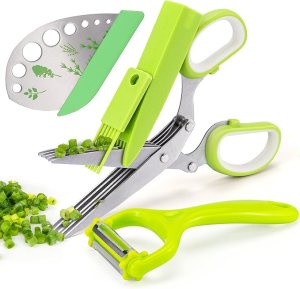
Herb scissors set provides a pair of herb shears, a herb stripper, and a peeler with three different blades. They can help you easily handle a large number of kitchen tasks, such as cutting meat, turkey, and poultry bones. You can not only use it to cut various vegetables, herbs, fruits, cut noodles and even pizza, but also peel potatoes, carrots, zucchini, cucumbers, apples, and avocados. No chopping boards and choppers are needed, bringing more convenience to your kitchen work.

The Perfect Garden Sprayer for Every Project

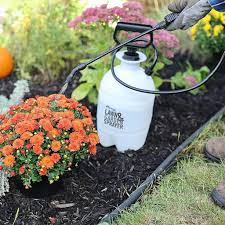
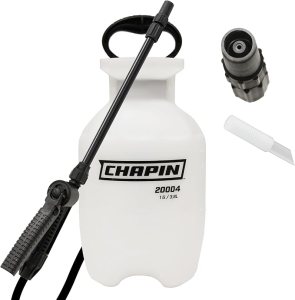
When it comes to caring for your garden, having the right tools makes all the difference—and a reliable garden sprayer is one of those must-haves. Whether you’re tackling weeds, applying pest control, or simply giving your plants a good soak, this garden sprayer is designed to make the job easy and efficient.

Made from rust-free polyethylene, the tank is translucent, so you can easily check fluid levels without guesswork. That means fewer interruptions and more time doing what you love—nurturing your garden.

This versatile sprayer is perfect for a variety of projects:

  • Treating your lawn and garden with fertilizer or weed control.
  • Spraying pest chemicals to protect your plants naturally.
  • Watering vegetable gardens, hanging plants, or patio greenery.

Whether you’re a seasoned gardener or just starting out, this garden sprayer is durable, easy to use, and built to handle any task around your home. Reliable tools  make gardening easier—

https://amzn.to/4hnlOSt

  • 1-Gallon poly tank
  • In-tank filter helps prevent dirt and debris from interfering with the application
  • Ergonomic pump handle helps prevent hand fatigue
  • Poly wand with comfortable trigger shut-off

The Rewarding Feeling of Hard Work

There’s something uniquely satisfying about working hard. When we dedicate ourselves to a goal or task and see it through, a sense of pride and accomplishment washes over us. That feeling is even more powerful when we’ve faced challenges or obstacles along the way.

Hard work doesn’t just deliver results—it gives our lives purpose and meaning. Having a goal to work toward provides direction and focus, helping us stay motivated and energized each day. It turns ordinary tasks into opportunities for growth and progress.

Moreover, consistent effort builds resilience and perseverance. Setbacks and failures are inevitable, but pushing through them strengthens our confidence and prepares us to handle future challenges. The more we embrace hard work, the more we learn about our capabilities, and the more empowered we feel.

In the end, it’s not just the achievements themselves—it’s the journey, the effort, and the growth that make hard work one of life’s most rewarding experiences.


Making Sourdough Bread

I made the best sourdough bread yesterday and thought you might like more information on baking bread. Maybe you can learn to bake a loaf too and share it with a neighbor, family, or friends- it also makes the best toast for breakfast…yum!

I have been using, Artisan Sourdough Made Simple: A Beginner’s Guide to Delicious Handcrafted Bread with Minimal Kneading by Emilie Raffa to help in my bread-making journey. I have a Le Creuset Dutch Oven to cook the bread.

Le Creuset Enameled Cast Iron Signature Round Dutch Oven

https://amzn.to/46n3YeC


Artisan Sourdough Made Simple A Beginner’s Guide to Delicious Handcrafted Bread with Minimal Kneading

https://amzn.to/4gOTkRy