The Farmer and the Seeds: Planting for a Fruitful Life

The parable of The Farmer and the Seeds (traditional) offers a powerful lesson in understanding how our environment and mindset shape the results we achieve. In this story, a farmer scatters seeds, which fall on different types of soil: the hard path, rocky ground, thorny bushes, and good soil. While the seeds on the good soil yield a fruitful harvest, the others fail to grow.

What does this teach us? It emphasizes that the conditions we cultivate in our lives—whether through our mindset, the relationships we nurture, or the environments we place ourselves in—directly affect the outcomes we experience.

  1. Mindset: Like the good soil, a positive and growth-oriented mindset is essential for success. When we approach challenges with resilience and determination, we foster the conditions for growth, even when times are tough.
  2. Environment: Surrounding ourselves with supportive and nurturing people (like good soil) encourages personal development and success. Just as seeds need the right environment to flourish, we too need to ensure that our environments—work, home, and social circles—are conducive to our growth.
  3. Relationships: Relationships, like soil, play a significant role in our personal growth. Some relationships may drain or hinder us, while others can cultivate our abilities and encourage us to reach our potential.

As we begin this new year, reflect on your own “soil.” Are you setting yourself up for success by nurturing the right mindset, cultivating supportive relationships, and surrounding yourself with a positive environment? Small changes to these areas can have a significant impact on the results you achieve.

Remember, just as the farmer’s good soil yields an abundant harvest, the conditions you create today will shape your future.


Fall Flavors: Cooking with Pumpkin—Muffins, Cookies, Lattes & More!

It’s that time of year again—leaves are changing, there’s a crisp chill in the air, and pumpkins are *everywhere*. Whether you’re a full-on pumpkin fanatic or just dabbling in the orange-hued world of fall flavors, there’s something cozy and comforting about cooking with pumpkin. So let’s talk pumpkin treats, shall we?

Pumpkin Muffins with Chocolate Chips: The MVP of Fall 🍫
Ah, pumpkin muffins. Soft, warm, and the perfect snack for a chilly day. I’m personally a big fan of adding chocolate chips to the mix. There’s just something magical about the slightly bitter chocolate cutting through the sweet, spiced pumpkin. It’s the best of both worlds! Imagine a chilly Saturday morning with a hot coffee and a fresh pumpkin muffin—it’s practically fall in a bite.

And if you’re in the mood for something richer, top those muffins with a dollop of cream cheese frosting. It’s like a tiny pumpkin cheesecake in every bite. Just a heads-up: these don’t last long on the counter. One muffin quickly turns into two, and before you know it, you’re contemplating baking another batch.

Pumpkin Cookies: Soft, Chewy & Just Sweet Enough 🍪
For those who want pumpkin spice without the heaviness of a pie, pumpkin cookies are the answer. I like to add a hint of cinnamon and nutmeg, which pairs perfectly with a cup of tea or coffee. These cookies are soft, almost cake-like, with a little chew that makes them irresistible. If you’re feeling adventurous, toss in some chopped nuts or a sprinkle of sea salt for a little twist. These are perfect for sharing at fall gatherings—or, you know, hoarding all to yourself on the couch. No judgment!

Pumpkin Pie: The Classic Everyone Loves 🥧
Of course, we can’t forget the OG—pumpkin pie. This classic is a must at any Thanksgiving table and arguably the dessert of the season. Some swear by extra cinnamon; others add a pinch of cloves or ginger to spice things up. Whatever your style, pumpkin pie brings everyone together, whether you’re a whipped cream purist or go for that sprinkle of powdered sugar.

Pumpkin Spice Latte: The Controversial Hero ☕️
Now, here’s where it gets a little controversial: the pumpkin spice latte. Some folks wait all year for it; others can’t stand the thought. But whether you love it or hate it, the pumpkin spice latte is a fall icon. Personally, I enjoy one every now and then—it’s sweet, spicy, and tastes like autumn itself in a cup. And if PSLs aren’t your thing, pumpkin spice tea is a lighter option that still brings those fall vibes.

Or…Maybe You’re Just Not That Into Pumpkin? 😳
Not everyone is a fan of pumpkin, and that’s totally okay! Maybe apple cinnamon or caramel-flavored treats are more your jam. The beauty of fall is that it brings all kinds of cozy flavors to the table. And if pumpkin’s not for you, there are plenty of other ways to get into the seasonal spirit!

So, What’s Your Pumpkin Go-To?
Are you a pumpkin muffin lover, pie purist, or cookie fanatic? Or maybe you’re ready to try something new this fall? Whatever your preference, fall is the time to dive in and enjoy the flavors of the season.

So grab that can of pumpkin, preheat your oven, and let’s get baking! 🍂🎃

Winter Gardening: Yes, You Can Grow Goodies in the Cold!

As winter approaches, you might find yourself staring at your garden, wondering if it’s time to hang up your gardening gloves until spring. But hold on! Just because it’s chilly outside doesn’t mean your gardening days are over. In fact, winter gardening can be a delightful adventure, allowing you to grow a variety of hearty crops that can thrive in the cold. So, grab your warmest jacket, and let’s dig into some winter-friendly options that will keep your green thumb busy even when the snowflakes start to fall!

The Winter Wonder Crops

1. Kale
Ah, kale—the superstar of winter veggies! This leafy green not only withstands frost but often gets sweeter after a cold snap. Toss it in salads, smoothies, or soups, and feel like a nutritional champion. Trust me; your body will thank you!

2. Spinach
Spinach is like that reliable friend who always shows up. It loves cool weather and can keep growing throughout the winter. If you cover it with row covers or a simple cold frame, you’ll be enjoying fresh spinach for salads and sautéing all season long.

3. Garlic
Planting garlic in the fall is like giving yourself a delicious gift for the future. It requires minimal care during the winter, and come late spring or early summer, you’ll have fresh bulbs ready for your culinary creations. Nothing says “gourmet chef” like homegrown garlic!

4. Brussels Sprouts
These little green orbs might be the underdogs of the vegetable world, but they shine in winter gardens. Frost actually enhances their flavor, making them sweeter and more delectable. Just remember to harvest them before they bolt in the spring, or you’ll end up with some wild-looking plants!

5. Carrots
Carrots are like those friends who can withstand anything. Sown in late summer or fall, they can be left in the ground throughout winter. After a frost, they taste even sweeter! Just be sure to mulch well to protect them from harsh conditions.

6. Winter Onions
Planting onions in the fall for a summer harvest is a no-brainer. They’re low-maintenance and very forgiving. You’ll be amazed at how satisfying it is to pull fresh onions from the ground when the weather warms up.

7. Cabbage
Cabbage can handle winter’s chill, especially varieties like Savoy. These leafy beauties can survive frosty nights with a little protection, allowing you to enjoy them in hearty winter dishes.

8. Herbs
While many herbs might struggle in the cold, hardy varieties like thyme, rosemary, and parsley can be grown indoors or survive mild winters outdoors with some cover. They’ll add fresh flavor to your winter cooking, no need for a grocery run!

9. Cover Crops
If you’re not ready to plant veggies, consider sowing cover crops like clover or rye. They help improve soil health and prevent erosion, preparing your garden for a bountiful spring.

Tips for Successful Winter Gardening

– Use Cold Frames: Cold frames act like mini-greenhouses, providing shelter from harsh winds and frost. They allow you to extend your growing season and keep your plants cozy.

– Mulch Wisely: A thick layer of mulch not only insulates your plants but also retains soil moisture. It’s like a warm blanket for your garden!

– Choose Hardy Varieties:When selecting plants, look for varieties that are specifically bred for colder climates. They’ll be your best allies in the winter garden.

The Joy of Winter Gardening

Winter gardening can be incredibly rewarding. Not only does it keep your hands dirty and your mind engaged, but it also offers fresh produce even when the world outside is a snowy wonderland. So, whether you’re channeling your inner farmer or simply looking to enjoy the fruits (or veggies!) of your labor, winter gardening is the perfect way to stay connected to nature during the colder months.

Caring for Roses: A Gardener’s Guide to Success

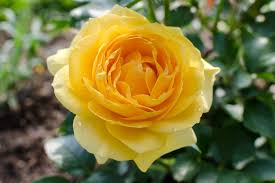
Roses are a beloved addition to any garden, known for their stunning beauty and delightful fragrance. Fortunately, they are relatively easy to care for, making them an excellent choice for both novice and experienced gardeners. Here’s a guide to help you cultivate healthy, thriving roses in your garden.

Planting Your Roses

When purchasing roses from a nursery, it’s essential to plant them properly. Start by preparing the soil with compost to provide nutrients. After planting, apply a layer of mulch to help retain moisture. During the establishment phase, which typically lasts several weeks, be diligent about watering. If you experience a dry spell in winter, consider giving your roses a drink on warmer days to keep them hydrated.

Propagation: Growing Your Collection

If you have a favorite rose that flourishes in your garden or a friend’s, propagating through cuttings is an excellent way to create new plants. Cuttings will give you roses that are true to type, ensuring you maintain the characteristics of your favorite variety. For the more adventurous gardener, starting roses from seeds collected from rose hips can yield unique hybrids. This process may take longer, but you could discover a new favorite!

Winter Care: Protecting Your Roses

Roses benefit from a thick layer of mulch during winter, which insulates the roots and helps retain moisture. As spring approaches, gently pull back some of the mulch to encourage airflow and prevent rot. This will also help your roses breathe as they start their growing season.

Pruning: Encouraging Healthy Growth

Established roses require yearly pruning, ideally in early spring. This practice helps remove old or dead wood and encourages new growth and flowering. Aim to prune no more than two-thirds of the plant to maintain its health. Surprisingly, even if roses die back to the root, they often rebound beautifully in the spring.

To promote continuous blooming, consider pruning spent flowers throughout the growing season. However, leaving some spent roses on the plant allows for the development of rose hips, which are not only beautiful but also rich in vitamin C and antioxidants, providing nourishment for both humans and wildlife during the winter months.

With their rich colors and enchanting scents, roses can transform any garden into a stunning retreat. By following these care guidelines—proper planting, diligent watering, thoughtful propagation, winter protection, and regular pruning—you can ensure that your roses flourish year after year. !

Ground Cover Plants: Low Maintenance Beauty for Any Spot

If you’re looking for a low-maintenance way to add color and texture to your garden while preventing weeds, ground cover plants are an excellent choice. These versatile plants can thrive in both sunny and shady spots, making them a valuable addition to any landscape. Here’s a closer look at why ground cover plants are such a great option and how they can enhance your garden

Benefits of Ground Cover Plants

1. Weed Prevention

One of the primary benefits of ground cover plants is their ability to suppress weeds. By forming a dense mat of foliage, these plants block sunlight from reaching weed seeds and seedlings, effectively preventing them from taking root and spreading. This natural weed control reduces the need for chemical herbicides and manual weeding, saving you time and effort.

2. Low Maintenance

Ground cover plants are known for their minimal maintenance requirements. Once established, they typically need little more than occasional watering and pruning. Many varieties are drought-tolerant and adaptable to different soil types, making them an ideal choice for busy gardeners or those new to gardening.

3. Versatility

Ground covers are incredibly versatile and can be used in a variety of garden settings. Whether you have a sunny garden bed, a shaded corner, or an area with poor soil, there’s a ground cover plant that will thrive in those conditions. Their adaptability allows you to use them in diverse garden spaces, enhancing the overall look and functionality of your landscape.

4. Aesthetic Appeal

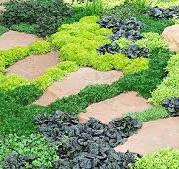
Ground cover plants come in a wide range of colors, textures, and growth habits, adding visual interest and beauty to your garden. From vibrant blooms to lush green foliage, these plants can create a stunning carpet of color that complements other garden features. They are perfect for filling in bare spots, edging pathways, or covering slopes.

5. Erosion Control

In addition to their aesthetic and practical benefits, ground cover plants can help control soil erosion. Their extensive root systems stabilize the soil, preventing it from washing away during heavy rain or wind. This makes them particularly useful for planting on slopes or areas prone to erosion.

Best Ground Cover Plants for Different Conditions

– Sunny Areas:
– Creeping Thyme: Known for its fragrant foliage and small, colorful flowers, creeping thyme is a hardy ground cover that thrives in full sun.
– Sedum (Stonecrop): This drought-tolerant plant comes in various shapes and colors, providing excellent coverage and texture in sunny spots.
– Lamb’s Ear: With its soft, silvery leaves and low-growing habit, lamb’s ear adds a unique texture to sunny garden beds.

– Shaded Areas:
– Creeping Jenny (Lysimachia nummularia): This plant has a vibrant green and gold foliage that adds color to shaded or partially shaded areas.
– Pachysandra: A classic ground cover for shade, pachysandra creates a lush, green carpet and is ideal for under trees or along shaded pathways.
– Hosta:While primarily known for its large, attractive leaves, hosta can also function as a ground cover in shady garden spots.

How to Plant and Care for Ground Cover

– Planting:Prepare the soil by removing weeds and amending it with compost if needed. Space the plants according to their recommended distances to allow for proper spreading. Water thoroughly after planting.

– Maintenance: While ground cover plants are generally low-maintenance, they may require occasional trimming to keep them looking their best. Mulching can help retain moisture and further suppress weeds.

– Monitoring:Keep an eye on their growth and health, ensuring they don’t become too invasive or overtake other plants. Regular checks will help you manage their spread and maintain a balanced garden.

Ground cover plants offer a practical and beautiful solution for garden maintenance. Their ability to add color, control weeds, and thrive in various light conditions makes them a valuable addition to any landscape. Whether you’re filling in bare spots, preventing erosion, or simply enhancing your garden’s aesthetics, ground cover plants are an excellent choice for creating a low-maintenance, vibrant garden. Explore the variety of options available and transform your garden with these versatile and charming plants.

The Viral Cucumber Salad Trend: Refreshing Simplicity

In the ever-evolving world of food trends, some dishes capture our taste buds with their simplicity and refreshing flavors. One such recipe that has taken TikTok by storm is the viral cucumber salad created by Logan Moffitt. With its light ingredients and easy preparation, this salad has quickly become a summer favorite.

The Recipe

At the heart of this trend is a deceptively simple cucumber salad. Logan Moffitt’s recipe combines sliced cucumbers with a zesty mix of rice vinegar, sugar, and salt. The result is a crisp, tangy salad that offers a delightful contrast to heavier summer fare. To elevate the flavors, the salad is topped with sesame seeds and fresh herbs, adding an extra layer of texture and freshness.

Ingredients:
– Cucumbers
– Rice vinegar
– Sugar
– Salt
– Sesame seeds
– Fresh herbs (optional)

Preparation:
1. Slice the cucumbers thinly.
2. In a bowl, mix rice vinegar, sugar, and salt until dissolved.
3. Toss the cucumber slices in the mixture.
4. Top with sesame seeds and fresh herbs if desired.

Why It’s Going Viral

The allure of this cucumber salad lies in its simplicity. With just a few ingredients and minimal prep time, it’s an accessible recipe that fits seamlessly into any summer menu. The salad’s bright, tangy flavor is perfect for hot days when you crave something light yet satisfying.

Moffitt’s video showcased the salad’s vibrant colors and ease of preparation, enticing viewers to try it themselves. The trend has inspired countless users to share their own versions, creating a ripple effect of culinary creativity.

Why You Should Try It

If you haven’t yet jumped on the cucumber salad bandwagon, now is the perfect time. This recipe offers a great way to enjoy fresh produce in a new and exciting way. Whether you’re looking for a quick side dish for a barbecue or a refreshing snack on a warm day, this salad is sure to satisfy.

Moreover, the simplicity of the recipe makes it a great canvas for experimentation. Feel free to add your favorite herbs or spices to customize the flavor to your liking. The basic concept of the salad provides a foundation that can be adapted to suit various tastes and preferences.

The viral cucumber salad by Logan Moffitt is a testament to the power of social media in shaping our food culture. Its rise to fame highlights how even the simplest recipes can capture our attention and become beloved favorites. So, grab some cucumbers, mix up a tangy dressing, and enjoy a taste of this refreshing trend.

https://www.today.com/food/trends/viral-cucumber-salad-tiktok-logan-moffitt-rcna165586


https://amzn.to/4ehqfLQ


https://amzn.to/3Zi6z6o

 4 Gardening Myths Debunked: Separating Fact from Fiction

Gardening is an age-old practice, but along with it come myths and misconceptions that can mislead both new and experienced gardeners. To help you make the most of your green space, let’s tackle four common gardening myths and provide the truth behind them.

1. Myth: Watering Plants in Direct Sunlight Scorches Leaves
One of the most persistent gardening myths is that watering your plants during the heat of the day will cause the sun to scorch the wet leaves. The theory is that water droplets act as magnifying glasses, intensifying sunlight and burning the plant. However, scientific studies have shown that this isn’t the case. Water droplets don’t concentrate sunlight enough to cause damage to plants.

Debunked: The real risk of watering in direct sunlight is that much of the water will evaporate before it can soak into the soil. For efficiency, it’s best to water early in the morning or late in the afternoon, ensuring the water reaches the roots without unnecessary waste.

2. Myth: You Must Water Your Garden Every Day
Many believe that daily watering is essential for healthy plants, but this can do more harm than good. Overwatering can drown plant roots, lead to fungal growth, and weaken plants over time.

Debunked: The key to healthy plants is deep, less frequent watering that encourages roots to grow deeper into the soil. Aim to water your garden about once or twice a week, depending on the climate and the needs of your plants. Deep watering ensures that moisture reaches the roots and helps plants develop a strong root system.

3. Myth: Using Chemical Fertilizers Is the Best Way to Feed Plants
There’s a common misconception that synthetic fertilizers are the most effective way to ensure lush, fast-growing plants. While they may provide quick results, overuse can lead to nutrient imbalances, harm beneficial soil organisms, and contribute to long-term soil degradation.

Debunked: Organic matter, like compost or well-rotted manure, is a far better way to nourish your garden. It provides a slow, steady release of nutrients and improves soil structure, allowing for better water retention and healthier plant growth. Plus, it fosters beneficial microbes that create a thriving ecosystem in your soil.

4. Myth: More Sunlight Always Equals Better Growth
It’s easy to think that more sunlight means healthier, faster-growing plants. While sunlight is crucial for photosynthesis, not all plants thrive in full sun.

Debunked:Different plants have different light needs. Some, like tomatoes and sunflowers, need full sun (6-8 hours per day), while others, such as lettuce or hostas, prefer partial shade. Exposing shade-loving plants to too much direct sunlight can cause stress, leaf burn, and poor growth. Knowing the light requirements of your plants and positioning them accordingly will ensure a healthier, more productive garden.

Gardening is a journey of learning and discovery, and part of that process is questioning the myths that have been passed down over time. By debunking these common gardening myths, you’ll be better equipped to grow a thriving garden based on sound practices and real results.

The Cycle of Life: Planting, Growing, Harvesting, and Resting

Gardening, in its essence, is a reflection of the life cycle, providing profound insights into the rhythms of existence. As we dig into the soil, plant seeds, nurture growth, harvest the fruits of our labor, and finally, let the land rest, we are not merely tending to our gardens—we are connecting with the natural cycle that mirrors our own life journey.

Planting: The Beginning

Planting represents the start of something new—a dream, a goal, or a phase in life. Just as we carefully select seeds and prepare the soil, we must also prepare ourselves when embarking on a new venture. It’s about setting intentions, laying the groundwork, and trusting in the potential that lies within small beginnings.

In life, planting seeds might mean starting a new project, learning a new skill, or setting a personal goal. It’s a time of hope, anticipation, and faith that the small actions we take today will yield a bountiful harvest in the future.

Growing: Nurturing Progress

Once the seeds are planted, the process of growth begins. This stage requires patience, dedication, and care. Just as plants need water, sunlight, and nutrients, our dreams and goals need consistent effort, learning, and adaptation. Growth is not always visible immediately, and often, the most important developments happen beneath the surface.

In our lives, the growth phase might be challenging. It’s the period where we face obstacles, learn from failures, and continue to nurture our ambitions despite setbacks. But with perseverance, we see progress—whether it’s in personal development, relationships, or career achievements.

Harvesting: Reaping Fulfillment

The harvest is the reward for our hard work. In gardening, this is the time to enjoy the fruits, vegetables, or flowers that have flourished from our efforts. It’s a moment of fulfillment, satisfaction, and gratitude. We celebrate the abundance that comes from our dedication and patience.

In life, the harvest might come in the form of achieving a long-term goal, enjoying the results of personal growth, or experiencing success in our endeavors. It’s important to take time to appreciate these moments, to celebrate the wins, and to share the abundance with others.

Resting: The Essential Pause

After the harvest, the land needs to rest. The soil must be allowed to rejuvenate, to regain its nutrients, and prepare for the next cycle. This period of rest is as crucial as any other stage. It’s in the pause that renewal occurs, setting the stage for new beginnings.

In our own lives, rest is often overlooked but essential. After periods of intense work or growth, taking time to rest, reflect, and rejuvenate is vital. It’s during rest that we gain perspective, recharge our energy, and prepare ourselves for the next cycle of life.

Embracing the Cycle

The cycle of life—planting, growing, harvesting, and resting—teaches us the importance of balance. Each stage has its own purpose and beauty, and by embracing this natural rhythm, we can find greater fulfillment and peace in our lives. Just as in gardening, where each season has its role, in life, every phase is necessary and valuable. As we move through the cycles of our own journey, may we learn to plant with intention, grow with perseverance, harvest with gratitude, and rest with purpose.

5 Tips for Growing Peppers: A Beginner’s Guide

Peppers can be a delightful addition to any garden, offering a variety of colors, shapes, and flavors. Whether you’re aiming for spicy jalapeños or sweet bell peppers, here are five essential tips to help you grow a bountiful pepper crop:

1. Choose the Right Variety
Start by selecting the pepper variety that suits your climate and taste preferences. There are countless types, including bell peppers, chili peppers, and hot peppers. Consider your growing zone and the length of your growing season. Look for varieties that are well-suited to your local conditions, especially if you have a short growing season.

2. Plant in Full Sun
Peppers thrive in full sunlight. Choose a location in your garden that receives at least 6-8 hours of direct sunlight per day. The more sunlight your peppers get, the better their growth and fruit production will be. Ensure the soil is well-draining to prevent root rot and other issues.

3. Start with Healthy Soil
Pepper plants prefer well-drained, fertile soil with a pH of 6.0-6.8. Enrich your soil with compost or well-rotted manure to provide essential nutrients. If you’re planting in containers, use a high-quality potting mix designed for vegetables. Proper soil preparation will set the foundation for robust pepper plants.

4. Water Wisely
Consistent moisture is crucial for pepper plants, but overwatering can lead to problems. Water your peppers deeply but infrequently to encourage deep root growth. Allow the top inch of soil to dry out between waterings. Mulching around the plants can help retain moisture and reduce the risk of soil-borne diseases.

5. Provide Support and Space
Pepper plants can grow quite tall, especially varieties like bell peppers. Use stakes or cages to support the plants and keep them upright. Space your pepper plants about 18-24 inches apart to ensure good air circulation, which helps prevent fungal diseases and promotes healthy growth.

By following these tips, you’ll be well on your way to a successful pepper harvest. Remember, patience and care are key. With the right conditions and attention, you can enjoy a vibrant crop of peppers that adds flavor and color to your meals.


Easy-to-Grow Plants for Your Garden: Start with Lettuce and More

Starting a garden can feel overwhelming, especially if you’re new to gardening or unsure about what to plant. The good news is that some plants are incredibly easy to grow, making them perfect for beginners or those looking to expand their gardening skills without much hassle. One of the best choices to start with is lettuce, a versatile and fast-growing plant that requires minimal effort. Let’s explore why lettuce and a few other plants are perfect for beginners and how you can easily grow them in your garden.

1. Lettuce: The Perfect Starter Plant

Lettuce is one of the most forgiving plants to grow, making it ideal for new gardeners. Here’s why lettuce is a great choice:

– Quick Growth: Lettuce has a relatively short growing period. Some varieties can be harvested in as little as 30 days, allowing you to enjoy fresh greens soon after planting.

– Low Maintenance: Lettuce doesn’t require much attention. It thrives in cooler weather and can be planted in both spring and fall. Plus, it’s resistant to many common pests, especially if grown in a well-prepared garden bed or container.

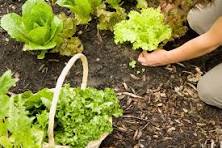
– Continuous Harvest: With lettuce, you can use the “cut-and-come-again” method. This means you can harvest outer leaves as needed, and the plant will continue to produce more. This makes it a sustainable choice for fresh salads throughout the season.

– Variety of Choices: There are many types of lettuce, from romaine to butterhead to leaf lettuce, allowing you to experiment with different flavors and textures.

2. Radishes: Quick and Rewarding

Radishes are another great option for beginner gardeners. They grow quickly, with some varieties maturing in just 3-4 weeks. Radishes thrive in cooler weather and can be planted in early spring or fall. They are also a great way to add some color and spice to your garden and meals.

3. Spinach: Nutrient-Packed and Easy to Grow

Spinach is not only easy to grow but also packed with nutrients. It grows well in cool weather and can be planted in early spring or fall. Spinach leaves can be harvested as they grow, providing a steady supply of fresh greens for salads, smoothies, and cooking.

4. Cherry Tomatoes: Little Gems for Your Garden

Cherry tomatoes are perfect for those looking to grow their own tomatoes without the fuss. They require minimal space and can even be grown in containers. Once they start producing, cherry tomatoes offer a bountiful harvest throughout the summer with little effort.

5. Herbs: Basil, Mint, and More

Herbs like basil and mint are easy to grow and can thrive in pots or garden beds. They require little space and provide fresh flavors for cooking. Basil enjoys the warm summer months, while mint is quite hardy and can grow in a variety of conditions.

Tips for Growing Easy Plants in Your Garden

1. Choose the Right Location: Most easy-to-grow plants need plenty of sunlight. Choose a spot in your garden that receives at least 4-6 hours of sun each day.

2. Prepare the Soil: Good soil is key to a healthy garden. Use well-draining soil enriched with compost or organic matter to provide the nutrients your plants need.

3. Water Regularly but Wisely: While these plants are low-maintenance, they still need consistent watering. Water deeply but less frequently to encourage deep root growth.

4. Protect from Pests: Although many easy-to-grow plants are resistant to pests, it’s always a good idea to keep an eye out for any signs of trouble. Simple measures like row covers or natural repellents can help protect your plants.

5. Harvest Often: Regular harvesting encourages plants like lettuce and herbs to continue producing. Enjoy the fruits (and vegetables) of your labor as often as possible!

Starting a garden doesn’t have to be intimidating. By choosing easy-to-grow plants like lettuce, radishes, spinach, cherry tomatoes, and herbs, you can enjoy the benefits of home-grown produce with minimal effort. These plants are perfect for beginners, providing a great introduction to gardening that’s both fun and rewarding.