Embracing the End-of-Summer Harvest: A Season of Abundance and Reflection

As summer draws to a close, we find ourselves in a unique and vibrant phase of the gardening calendar: the end-of-summer harvest time. This period is more than just the culmination of months of hard work; it is a celebration of nature’s generosity and the flavors that define our late summer dishes.

A Journey to Abundance

The journey to this bountiful harvest begins long before the first fruits and vegetables make their appearance. It starts with winter planning and dreaming, where gardeners envision their plots and select their favorite seeds. As spring arrives, there’s a tender ritual of nurturing seedlings, ensuring they have the best start possible. Transplanting these young plants into the garden and tending to them through the warm summer days involves commitment and care.

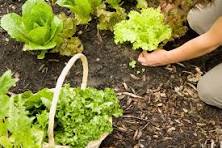
Now, as we stand at the end of summer, the payoff is evident. We are rewarded with a shower of colorful, weighty produce that often catches us off guard with its sheer abundance. The vibrant reds, deep greens, and bright yellows of ripe tomatoes, peppers, squash, and more fill our baskets, overwhelming our senses with their juiciness and aroma.

A Sensory Feast

This season offers the juiciest flavors and the most eye-popping colors, igniting our creativity in the kitchen. It’s a time to cook, create, and preserve. From canning homemade sauces to whipping up fresh salads and roasting vegetables, the options are limitless. Each meal becomes an opportunity to showcase the fruits of our labor, reminding us of the hard work that went into nurturing our gardens.

But while we celebrate the abundance, it’s essential to acknowledge the garden’s transformation. The very plants that once flourished with glossy leaves and vibrant blooms begin to show signs of fatigue. Their branches, heavy with the weight of ripe produce, have faced challenges—bites from hungry insects, sunburned leaves, and the onset of powdery mildew on squash and melons.

A Reflection on Life Cycles

As the garden shifts into this second phase of life, it serves as a reminder of the natural cycles of growth and decline. Though the plants may not be as visually striking as they were at their peak, they are in a different yet equally significant stage: productivity. Each drooping leaf and weathered stem tells a story of resilience and abundance, of life reaching its climax and preparing for the next phase.

This end-of-summer harvest is not just about gathering produce; it’s a moment to reflect on the efforts of the season and the lessons learned along the way. Just as the garden transitions, so too do we embrace change in our own lives.

Celebrating the Harvest

As we gather the last of the summer’s bounty, let’s take a moment to appreciate this unique season of abundance. The end-of-summer harvest is a time for gratitude, creativity, and connection with nature. So, let us celebrate the fruits of our labor, recognizing that every bite is a testament to our hard work and dedication. Whether we’re savoring the last tomatoes or preserving the season’s flavors for the winter months, we honor the journey and the beauty found in every stage of growth.

The Viral Cucumber Salad Trend: Refreshing Simplicity

In the ever-evolving world of food trends, some dishes capture our taste buds with their simplicity and refreshing flavors. One such recipe that has taken TikTok by storm is the viral cucumber salad created by Logan Moffitt. With its light ingredients and easy preparation, this salad has quickly become a summer favorite.

The Recipe

At the heart of this trend is a deceptively simple cucumber salad. Logan Moffitt’s recipe combines sliced cucumbers with a zesty mix of rice vinegar, sugar, and salt. The result is a crisp, tangy salad that offers a delightful contrast to heavier summer fare. To elevate the flavors, the salad is topped with sesame seeds and fresh herbs, adding an extra layer of texture and freshness.

Ingredients:
– Cucumbers
– Rice vinegar
– Sugar
– Salt
– Sesame seeds
– Fresh herbs (optional)

Preparation:
1. Slice the cucumbers thinly.
2. In a bowl, mix rice vinegar, sugar, and salt until dissolved.
3. Toss the cucumber slices in the mixture.
4. Top with sesame seeds and fresh herbs if desired.

Why It’s Going Viral

The allure of this cucumber salad lies in its simplicity. With just a few ingredients and minimal prep time, it’s an accessible recipe that fits seamlessly into any summer menu. The salad’s bright, tangy flavor is perfect for hot days when you crave something light yet satisfying.

Moffitt’s video showcased the salad’s vibrant colors and ease of preparation, enticing viewers to try it themselves. The trend has inspired countless users to share their own versions, creating a ripple effect of culinary creativity.

Why You Should Try It

If you haven’t yet jumped on the cucumber salad bandwagon, now is the perfect time. This recipe offers a great way to enjoy fresh produce in a new and exciting way. Whether you’re looking for a quick side dish for a barbecue or a refreshing snack on a warm day, this salad is sure to satisfy.

Moreover, the simplicity of the recipe makes it a great canvas for experimentation. Feel free to add your favorite herbs or spices to customize the flavor to your liking. The basic concept of the salad provides a foundation that can be adapted to suit various tastes and preferences.

The viral cucumber salad by Logan Moffitt is a testament to the power of social media in shaping our food culture. Its rise to fame highlights how even the simplest recipes can capture our attention and become beloved favorites. So, grab some cucumbers, mix up a tangy dressing, and enjoy a taste of this refreshing trend.

https://www.today.com/food/trends/viral-cucumber-salad-tiktok-logan-moffitt-rcna165586


https://amzn.to/4ehqfLQ


https://amzn.to/3Zi6z6o

The Wonders of Beeswax: Nature’s Versatile Gift from the Bees

Beeswax is one of nature’s most incredible byproducts, gifted to us by the hard-working honeybees. While honey often takes the spotlight, beeswax is a powerhouse of its own with a wide range of uses. Whether you’re looking to use beeswax in your home or turn it into natural products to sell, there’s no shortage of ways to benefit from this golden treasure.

In a world where there is growing demand for natural and sustainable products, beeswax stands out as an eco-friendly and versatile option. Let’s dive into the many uses of beeswax and how you can incorporate it into your lifestyle or business.

What is Beeswax?

Beeswax is a natural substance produced by worker honeybees to build the honeycomb structure of their hives. It’s a complex mix of compounds, including long-chain fatty acids, esters, and hydrocarbons. As the bees secrete wax from glands on their abdomens, they use it to form hexagonal honeycomb cells, which serve as storage for honey and as nurseries for their larvae.

Once the honey is harvested, the beeswax can be collected and purified, creating a golden-yellow wax that has countless applications.

The Many Uses of Beeswax

1. Natural Skincare Products
Beeswax is a popular ingredient in natural skincare products, thanks to its moisturizing properties and ability to form a protective barrier on the skin. It’s commonly found in lip balms, lotions, salves, and creams. Beeswax locks in moisture without clogging pores, making it ideal for dry or sensitive skin.

2. Eco-Friendly Candles
Beeswax candles are prized for their clean burn and pleasant, natural honey scent. Unlike paraffin candles, which are made from petroleum, beeswax candles are all-natural, non-toxic, and release negative ions that help purify the air. They’re perfect for creating a warm and inviting atmosphere in your home while reducing indoor pollutants.

3. Beeswax Wraps: A Sustainable Alternative to Plastic
Tired of using plastic wrap? Beeswax wraps are an eco-friendly, reusable alternative to single-use plastic. These wraps are made by coating fabric with beeswax, providing a flexible and breathable covering for food storage. They can be used to wrap sandwiches, cover bowls, and store produce, helping to reduce your plastic waste.

4. Polishing and Woodcare
Beeswax is an excellent natural wood polish, giving furniture a soft sheen while protecting it from moisture. It can be used to condition wooden cutting boards, countertops, and even leather goods. The wax penetrates the wood, bringing out its natural beauty while adding a layer of protection.

5. Beeswax Crayons
For parents and educators seeking non-toxic art supplies, beeswax crayons are a great option. These crayons are durable, easy to grip, and provide vibrant colors without any harmful chemicals, making them a safe choice for kids.

6. DIY Beeswax Projects
If you’re a DIY enthusiast, beeswax is a dream material. From making your own lip balms and salves to crafting homemade candles, the possibilities are endless. Beeswax is easy to melt and mold, making it ideal for personal projects or even small business ventures.

Making Beeswax Products to Sell

With the increasing demand for natural, sustainable products, making beeswax-based items to sell can be a lucrative and rewarding endeavor. Here are a few ideas to consider:

– Beeswax Candles: Handcrafted beeswax candles are always in demand, and you can experiment with different shapes, sizes, and even essential oils to create unique offerings.
– Lip Balms and Lotions: Start small with a line of natural skincare products using beeswax as the base. These can be a hit at farmers’ markets or online stores.
– Beeswax Wraps:  As people seek to reduce their plastic use, beeswax wraps have become popular. You can create stylish, sustainable wraps in various sizes and patterns.

With a bit of creativity and effort, you can turn beeswax into a thriving business while promoting sustainability and eco-conscious living.

Why Choose Beeswax?

Beyond its versatility, beeswax has some incredible benefits:
– Eco-Friendly: Beeswax is 100% natural and biodegradable. Unlike synthetic alternatives, it doesn’t contribute to environmental pollution.
– Sustainable: Bees produce beeswax as part of their natural process, making it a renewable resource.
– Non-Toxic: Whether you’re using it in skincare, candles, or food wraps, beeswax is safe and non-toxic, making it a healthier option for your home and family.

Whether you’re looking to embrace a more natural lifestyle or start a small business selling handmade products, beeswax is a wonderful and versatile material to work with. From skincare to candles, food wraps to furniture polish, the possibilities are endless.

If you’re interested in using beeswax, remember to source it from responsible and sustainable beekeepers who prioritize the health and well-being of their bees.

Disclaimer:
Before using any beeswax products on your skin, especially if you have allergies or sensitive skin, it’s best to consult your doctor. Always ensure that you’re using pure, high-quality beeswax from a trusted source.

https://www.thefarmerscupboard.com/blogs/bees-honey/where-buy-beeswaxBeeswax is nature’s gift with endless uses!

 4 Gardening Myths Debunked: Separating Fact from Fiction

Gardening is an age-old practice, but along with it come myths and misconceptions that can mislead both new and experienced gardeners. To help you make the most of your green space, let’s tackle four common gardening myths and provide the truth behind them.

1. Myth: Watering Plants in Direct Sunlight Scorches Leaves
One of the most persistent gardening myths is that watering your plants during the heat of the day will cause the sun to scorch the wet leaves. The theory is that water droplets act as magnifying glasses, intensifying sunlight and burning the plant. However, scientific studies have shown that this isn’t the case. Water droplets don’t concentrate sunlight enough to cause damage to plants.

Debunked: The real risk of watering in direct sunlight is that much of the water will evaporate before it can soak into the soil. For efficiency, it’s best to water early in the morning or late in the afternoon, ensuring the water reaches the roots without unnecessary waste.

2. Myth: You Must Water Your Garden Every Day
Many believe that daily watering is essential for healthy plants, but this can do more harm than good. Overwatering can drown plant roots, lead to fungal growth, and weaken plants over time.

Debunked: The key to healthy plants is deep, less frequent watering that encourages roots to grow deeper into the soil. Aim to water your garden about once or twice a week, depending on the climate and the needs of your plants. Deep watering ensures that moisture reaches the roots and helps plants develop a strong root system.

3. Myth: Using Chemical Fertilizers Is the Best Way to Feed Plants
There’s a common misconception that synthetic fertilizers are the most effective way to ensure lush, fast-growing plants. While they may provide quick results, overuse can lead to nutrient imbalances, harm beneficial soil organisms, and contribute to long-term soil degradation.

Debunked: Organic matter, like compost or well-rotted manure, is a far better way to nourish your garden. It provides a slow, steady release of nutrients and improves soil structure, allowing for better water retention and healthier plant growth. Plus, it fosters beneficial microbes that create a thriving ecosystem in your soil.

4. Myth: More Sunlight Always Equals Better Growth
It’s easy to think that more sunlight means healthier, faster-growing plants. While sunlight is crucial for photosynthesis, not all plants thrive in full sun.

Debunked:Different plants have different light needs. Some, like tomatoes and sunflowers, need full sun (6-8 hours per day), while others, such as lettuce or hostas, prefer partial shade. Exposing shade-loving plants to too much direct sunlight can cause stress, leaf burn, and poor growth. Knowing the light requirements of your plants and positioning them accordingly will ensure a healthier, more productive garden.

Gardening is a journey of learning and discovery, and part of that process is questioning the myths that have been passed down over time. By debunking these common gardening myths, you’ll be better equipped to grow a thriving garden based on sound practices and real results.

The Cycle of Life: Planting, Growing, Harvesting, and Resting

Gardening, in its essence, is a reflection of the life cycle, providing profound insights into the rhythms of existence. As we dig into the soil, plant seeds, nurture growth, harvest the fruits of our labor, and finally, let the land rest, we are not merely tending to our gardens—we are connecting with the natural cycle that mirrors our own life journey.

Planting: The Beginning

Planting represents the start of something new—a dream, a goal, or a phase in life. Just as we carefully select seeds and prepare the soil, we must also prepare ourselves when embarking on a new venture. It’s about setting intentions, laying the groundwork, and trusting in the potential that lies within small beginnings.

In life, planting seeds might mean starting a new project, learning a new skill, or setting a personal goal. It’s a time of hope, anticipation, and faith that the small actions we take today will yield a bountiful harvest in the future.

Growing: Nurturing Progress

Once the seeds are planted, the process of growth begins. This stage requires patience, dedication, and care. Just as plants need water, sunlight, and nutrients, our dreams and goals need consistent effort, learning, and adaptation. Growth is not always visible immediately, and often, the most important developments happen beneath the surface.

In our lives, the growth phase might be challenging. It’s the period where we face obstacles, learn from failures, and continue to nurture our ambitions despite setbacks. But with perseverance, we see progress—whether it’s in personal development, relationships, or career achievements.

Harvesting: Reaping Fulfillment

The harvest is the reward for our hard work. In gardening, this is the time to enjoy the fruits, vegetables, or flowers that have flourished from our efforts. It’s a moment of fulfillment, satisfaction, and gratitude. We celebrate the abundance that comes from our dedication and patience.

In life, the harvest might come in the form of achieving a long-term goal, enjoying the results of personal growth, or experiencing success in our endeavors. It’s important to take time to appreciate these moments, to celebrate the wins, and to share the abundance with others.

Resting: The Essential Pause

After the harvest, the land needs to rest. The soil must be allowed to rejuvenate, to regain its nutrients, and prepare for the next cycle. This period of rest is as crucial as any other stage. It’s in the pause that renewal occurs, setting the stage for new beginnings.

In our own lives, rest is often overlooked but essential. After periods of intense work or growth, taking time to rest, reflect, and rejuvenate is vital. It’s during rest that we gain perspective, recharge our energy, and prepare ourselves for the next cycle of life.

Embracing the Cycle

The cycle of life—planting, growing, harvesting, and resting—teaches us the importance of balance. Each stage has its own purpose and beauty, and by embracing this natural rhythm, we can find greater fulfillment and peace in our lives. Just as in gardening, where each season has its role, in life, every phase is necessary and valuable. As we move through the cycles of our own journey, may we learn to plant with intention, grow with perseverance, harvest with gratitude, and rest with purpose.

5 Tips for Growing Peppers: A Beginner’s Guide

Peppers can be a delightful addition to any garden, offering a variety of colors, shapes, and flavors. Whether you’re aiming for spicy jalapeños or sweet bell peppers, here are five essential tips to help you grow a bountiful pepper crop:

1. Choose the Right Variety
Start by selecting the pepper variety that suits your climate and taste preferences. There are countless types, including bell peppers, chili peppers, and hot peppers. Consider your growing zone and the length of your growing season. Look for varieties that are well-suited to your local conditions, especially if you have a short growing season.

2. Plant in Full Sun
Peppers thrive in full sunlight. Choose a location in your garden that receives at least 6-8 hours of direct sunlight per day. The more sunlight your peppers get, the better their growth and fruit production will be. Ensure the soil is well-draining to prevent root rot and other issues.

3. Start with Healthy Soil
Pepper plants prefer well-drained, fertile soil with a pH of 6.0-6.8. Enrich your soil with compost or well-rotted manure to provide essential nutrients. If you’re planting in containers, use a high-quality potting mix designed for vegetables. Proper soil preparation will set the foundation for robust pepper plants.

4. Water Wisely
Consistent moisture is crucial for pepper plants, but overwatering can lead to problems. Water your peppers deeply but infrequently to encourage deep root growth. Allow the top inch of soil to dry out between waterings. Mulching around the plants can help retain moisture and reduce the risk of soil-borne diseases.

5. Provide Support and Space
Pepper plants can grow quite tall, especially varieties like bell peppers. Use stakes or cages to support the plants and keep them upright. Space your pepper plants about 18-24 inches apart to ensure good air circulation, which helps prevent fungal diseases and promotes healthy growth.

By following these tips, you’ll be well on your way to a successful pepper harvest. Remember, patience and care are key. With the right conditions and attention, you can enjoy a vibrant crop of peppers that adds flavor and color to your meals.


Easy-to-Grow Plants for Your Garden: Start with Lettuce and More

Starting a garden can feel overwhelming, especially if you’re new to gardening or unsure about what to plant. The good news is that some plants are incredibly easy to grow, making them perfect for beginners or those looking to expand their gardening skills without much hassle. One of the best choices to start with is lettuce, a versatile and fast-growing plant that requires minimal effort. Let’s explore why lettuce and a few other plants are perfect for beginners and how you can easily grow them in your garden.

1. Lettuce: The Perfect Starter Plant

Lettuce is one of the most forgiving plants to grow, making it ideal for new gardeners. Here’s why lettuce is a great choice:

– Quick Growth: Lettuce has a relatively short growing period. Some varieties can be harvested in as little as 30 days, allowing you to enjoy fresh greens soon after planting.

– Low Maintenance: Lettuce doesn’t require much attention. It thrives in cooler weather and can be planted in both spring and fall. Plus, it’s resistant to many common pests, especially if grown in a well-prepared garden bed or container.

– Continuous Harvest: With lettuce, you can use the “cut-and-come-again” method. This means you can harvest outer leaves as needed, and the plant will continue to produce more. This makes it a sustainable choice for fresh salads throughout the season.

– Variety of Choices: There are many types of lettuce, from romaine to butterhead to leaf lettuce, allowing you to experiment with different flavors and textures.

2. Radishes: Quick and Rewarding

Radishes are another great option for beginner gardeners. They grow quickly, with some varieties maturing in just 3-4 weeks. Radishes thrive in cooler weather and can be planted in early spring or fall. They are also a great way to add some color and spice to your garden and meals.

3. Spinach: Nutrient-Packed and Easy to Grow

Spinach is not only easy to grow but also packed with nutrients. It grows well in cool weather and can be planted in early spring or fall. Spinach leaves can be harvested as they grow, providing a steady supply of fresh greens for salads, smoothies, and cooking.

4. Cherry Tomatoes: Little Gems for Your Garden

Cherry tomatoes are perfect for those looking to grow their own tomatoes without the fuss. They require minimal space and can even be grown in containers. Once they start producing, cherry tomatoes offer a bountiful harvest throughout the summer with little effort.

5. Herbs: Basil, Mint, and More

Herbs like basil and mint are easy to grow and can thrive in pots or garden beds. They require little space and provide fresh flavors for cooking. Basil enjoys the warm summer months, while mint is quite hardy and can grow in a variety of conditions.

Tips for Growing Easy Plants in Your Garden

1. Choose the Right Location: Most easy-to-grow plants need plenty of sunlight. Choose a spot in your garden that receives at least 4-6 hours of sun each day.

2. Prepare the Soil: Good soil is key to a healthy garden. Use well-draining soil enriched with compost or organic matter to provide the nutrients your plants need.

3. Water Regularly but Wisely: While these plants are low-maintenance, they still need consistent watering. Water deeply but less frequently to encourage deep root growth.

4. Protect from Pests: Although many easy-to-grow plants are resistant to pests, it’s always a good idea to keep an eye out for any signs of trouble. Simple measures like row covers or natural repellents can help protect your plants.

5. Harvest Often: Regular harvesting encourages plants like lettuce and herbs to continue producing. Enjoy the fruits (and vegetables) of your labor as often as possible!

Starting a garden doesn’t have to be intimidating. By choosing easy-to-grow plants like lettuce, radishes, spinach, cherry tomatoes, and herbs, you can enjoy the benefits of home-grown produce with minimal effort. These plants are perfect for beginners, providing a great introduction to gardening that’s both fun and rewarding.

Growing Tomatoes from a Sliced Tomato: A Step-by-Step Guide

Tomatoes are a staple in many gardens, prized for their juicy fruits and versatility in the kitchen. While most gardeners start with seeds or seedlings, did you know you can also grow a tomato plant from a sliced tomato? It’s a fun and simple way to propagate new plants, and you might be surprised at how effective it can be. Here’s a step-by-step guide to growing tomatoes from a sliced tomato.

1. Choose the Right Tomato

To begin, select a ripe, healthy tomato from which to harvest seeds. Heirloom varieties work particularly well because they produce seeds that will grow true to the parent plant. Avoid using tomatoes that are overripe or have signs of disease or decay.

2. Prepare the Tomato Slices

Cut the tomato into thick slices, about 1/4 to 1/2 inch thick. You should see the seeds embedded within the fleshy parts of the tomato. Each slice will contain several seeds, which will give you multiple opportunities to grow new plants.

3. Extract the Seeds

To increase your chances of success, it’s best to extract the seeds from the tomato slices. Here’s how:

– Place the tomato slices on a plate or tray.
– Let them sit for a few days until they start to dry out. This drying process helps the seeds to separate from the tomato flesh.
– Gently scrape the seeds off the slices using a spoon or knife.

4. Prepare the Seeds for Planting

Once you’ve extracted the seeds, it’s essential to clean them to remove any remaining tomato pulp. Here’s how:

– Place the seeds in a small bowl and cover them with water.
– Let the seeds soak for a day or two, stirring occasionally.
– After soaking, rinse the seeds thoroughly and spread them out on a paper towel to dry.

5. Plant the Seeds

After the seeds are dry, you’re ready to plant them. You can start them indoors or directly in the garden:

Indoor Planting:
– Fill seed trays or small pots with seed-starting mix.
– Sprinkle the tomato seeds on the surface of the soil and lightly cover them with a thin layer of soil.
– Water gently and place the trays or pots in a warm, sunny location or under grow lights.
– Keep the soil consistently moist but not waterlogged.
– The seeds should germinate within 1-2 weeks.

– Outdoor Planting:
– Prepare a garden bed with well-draining soil.
– Space the tomato slices evenly on the soil surface.
– Lightly cover the slices with a thin layer of soil.
– Water the area and keep it moist until the seeds begin to germinate.
– Thin out the seedlings once they are large enough to handle.

6. Transplanting Seedlings

Once the seedlings are a few inches tall and have developed their first set of true leaves, it’s time to transplant them into larger pots or directly into your garden:

– Potting Up: If you started the seeds indoors, transplant the seedlings into larger pots when they’re ready. Use a high-quality potting mix and ensure the pots have good drainage.
– Garden Transplanting: If you’re planting directly in the garden, choose a sunny spot with well-draining soil. Space the plants about 18-24 inches apart to allow for their growth.

Growing tomatoes from a sliced tomato is a rewarding and straightforward process. By following these steps, you can propagate new plants and enjoy a bountiful tomato harvest. Remember to be patient, as growing from slices takes time…

South Dakota Farm Real Estate Values and Cash Rents See Increases

The agricultural landscape in South Dakota is experiencing significant changes, according to the latest survey by the USDA’s National Agricultural Statistics Service. The report indicates a noteworthy 6% increase in farm real estate value from the previous year. Additionally, cash rents have risen, with irrigated cropland seeing an increase of $6 per acre, dryland going up by $5 per acre, and pasture rents increasing by $1.50 per acre.

The Impact on Farmers and Landowners

Erik Gerlach, a state statistician for the USDA, explains that the perception of these increases varies based on whether you are a landowner or a renter. For those paying cash rent, the rising demand and costs for land can strain budgets, especially for farmers who rent a significant portion of their land. As we look ahead to 2024, this could pose challenges given that crop prices are not expected to be favorable despite potentially good yields.

Conversely, landowners stand to benefit from these increases. If they have minimal liabilities, the higher land values can positively impact their balance sheets. This dichotomy illustrates the varying effects of the agricultural market’s current trends.

Regional Trends and Comparisons

The survey also highlights that these increases are not isolated to South Dakota but are consistent across the Great Plains. Neighboring states like Iowa, Minnesota, Nebraska, and North Dakota are experiencing similar trends. However, the specific values per acre differ due to the varying types of farmland across these regions. For example, South Dakota’s western part has more rangeland, resulting in different average values compared to states with more irrigated cropland like Iowa and Nebraska.

A Four-Year Trend

This marks the fourth consecutive year that South Dakota has seen an increase in farm real estate value. This trend reflects broader economic factors and market demands influencing the agricultural sector.

Looking Ahead

As these changes continue to shape the agricultural landscape, it’s crucial for both landowners and renters to stay informed and adapt their strategies accordingly. While the rising values and rents pose challenges for some, they also present opportunities for others.

https://www.sdpb.org/business-economics/2024-08-06/new-survey-shows-increases-in-farmland-real-estate-value-cash-rents

Slaw: The Salad of Summer

https://smittenkitchen.com/

Summer… it’s time to embrace the vibrant flavors and fresh ingredients that define the season. Among the array of delicious salads that come with warmer weather, slaw stands out as a particularly refreshing and versatile option. Whether you’re hosting a backyard barbecue, preparing a family dinner, or simply looking for a crisp, healthy side, slaw is the perfect choice. Let’s dive into why slaw deserves a place at your summer table and how to make it shine.

Why Slaw is the Perfect Summer Salad

1. Crisp and Refreshing
Slaw’s crunchy texture and crisp flavors make it incredibly refreshing on a hot summer day. The combination of cabbage, carrots, and other fresh vegetables provides a satisfying crunch that complements grilled meats and other summer dishes.

2. Versatile and Customizable
One of the best things about slaw is its versatility. While the classic version includes cabbage and carrots, you can customize it with a variety of ingredients. Add apples, radishes, or bell peppers for extra crunch and flavor. Experiment with different dressings, such as a tangy vinaigrette or a creamy mayo-based sauce, to find your perfect blend.

3. Nutrient-Rich
Slaw is not only delicious but also packed with nutrients. Cabbage is rich in vitamins C and K, while carrots provide a good dose of beta-carotene. Adding other vegetables and fruits can boost the nutritional value even further, making slaw a healthful choice for any meal.

4. Easy to Prepare
Preparing slaw is quick and simple. Shred or chop your vegetables, mix them together, and toss with your favorite dressing. It can be made ahead of time and stored in the refrigerator, allowing the flavors to meld together and making it an ideal option for meal prepping.

Creative Variations

1. Asian Slaw: Add sliced almonds, mandarin oranges, and a sesame-ginger dressing for a twist on the classic.

2. Southwestern Slaw: Mix in black beans, corn, and a lime-cilantro dressing for a southwestern flair.

3. Apple and Cranberry Slaw: Incorporate thinly sliced apples and dried cranberries with a honey mustard dressing for a sweet and tangy variation.

Pairing Slaw with Summer Meals

Slaw pairs wonderfully with a variety of summer dishes. Serve it alongside grilled chicken, burgers, or fish tacos for a well-rounded meal. It also makes a great topping for sandwiches and wraps, adding a crunch and burst of flavor.

In summary, slaw is more than just a side dish—it’s a versatile, nutritious, and delicious addition to any summer menu. Its refreshing crunch and customizable flavors make it a favorite for outdoor gatherings and everyday meals alike. So, embrace the season and make slaw the star of your summer table!

poolside sesame slaw