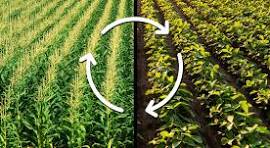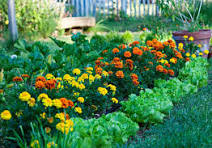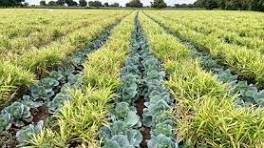
Gardening enthusiasts and farmers alike are continually seeking ways to enhance their yields, reduce pest problems, and make the most of their garden space. One effective strategy that addresses all these aspects is intercropping. By growing two or more crops in close proximity, intercropping can lead to healthier plants, more efficient use of space, and increased overall productivity. Here’s how intercropping works and how you can start implementing it in your garden.
What is Intercropping?
Intercropping is an agricultural technique where two or more different crops are planted together in the same space. The goal is to create a symbiotic relationship between the crops that can lead to various benefits, including improved soil health, reduced pest issues, and enhanced overall yields.
Benefits of Intercropping
1. Maximizes Space: By growing different crops together, you can make better use of available space. This is especially valuable in small gardens or urban settings where every square foot counts.
2. Reduces Pest Problems: Certain plant combinations can help deter pests naturally. For instance, planting pest-repellent herbs alongside vulnerable crops can protect them from damage.
3. Improves Soil Health: Different plants have varying root structures and nutrient needs. Intercropping can lead to more balanced soil health by preventing nutrient depletion and promoting beneficial microbial activity.
4. Enhances Yields: When crops are chosen for their complementary growth habits, they can boost each other’s productivity. For example, some plants can provide shade or support, while others may improve soil structure or enhance nutrient availability.
5. Increases Biodiversity: Growing a variety of plants together supports a more diverse ecosystem. This diversity can attract beneficial insects and create a more resilient garden environment.
How to Implement Intercropping
1. Choose Compatible Crops: Select crops that benefit each other when grown together. For example, pairing deep-rooted plants with shallow-rooted ones can optimize space and resources.
Example: Planting radishes with carrots is a classic intercropping combination. The radishes help break up the soil, making it easier for the carrots to grow deeper. The radishes also mature quickly, allowing for an earlier harvest before the carrots fully mature.
2. Plan Your Layout: Design your garden layout to ensure that each crop has enough space to thrive. Avoid overcrowding, as this can lead to competition for resources and reduced yields.
Tip: Use a planting chart to plan your intercropping arrangements. This can help you visualize the spacing and growth patterns of each crop.
3. Consider Planting Times: Stagger planting times to avoid competition and to make the most of seasonal conditions. Early-harvesting crops can be followed by late-harvesting ones to maximize space use.
– Example: Plant quick-growing lettuce between slower-growing cabbage. Harvest the lettuce before the cabbage fully matures to make the most of the available space.
4. Monitor and Adjust: Keep an eye on how your intercropped plants are performing. Be prepared to adjust your planting strategy if you notice any issues with growth or competition.
Tip: Regularly check for signs of pest infestations or nutrient deficiencies and address them promptly to ensure the health of all your plants.
5. Incorporate Companion Plant: Use companion planting principles to select crops that can benefit from each other’s presence. Some plants can attract beneficial insects or provide natural pest control.
– Example: Plant marigolds alongside tomatoes. Marigolds can deter nematodes and aphids, which are common pests of tomato plants.
Examples of Effective Intercropping Combinations
– Corn, Beans, and Squash: Often referred to as the Three Sisters, this combination is a classic example of intercropping. Corn provides a natural support structure for beans, while beans fix nitrogen in the soil, benefiting all three crops. Squash spreads out, shading the soil and preventing weeds.
– Tomatoes and Basil: Basil can help repel pests that commonly affect tomatoes, such as aphids and hornworms. Additionally, basil’s strong aroma can enhance the flavor of tomatoes.
– Beets and Radishes: Radishes can help break up compacted soil, making it easier for beets to grow. The radishes mature quickly, allowing for a harvest before the beets need more space.
Intercropping is a smart and efficient gardening technique that can lead to healthier plants, higher yields, and a more sustainable garden environment. By thoughtfully combining crops that benefit each other, you can make the most of your space, reduce pest problems, and improve soil health. Start experimenting with intercropping in your garden, and experience the many advantages of this innovative approach to growing.