Protecting Your Plants from Winter’s Chill: Essential Tips for Cold Weather Care

As temperatures drop, your garden needs extra protection to survive the harsh winter weather. Cold temperatures, frost, and snow can be damaging to plants, especially those that are not frost-tolerant. Fortunately, there are several steps you can take to help your plants weather the cold. Here are some essential tips for protecting your plants during the colder months:

1. Water Before a Freeze

Watering your plants ahead of a freeze is an important step in protecting them from winter damage. When the soil is moist, it holds more heat than dry soil, which can help moderate temperature fluctuations around the roots. Make sure to thoroughly water your garden beds before a freeze, but avoid overwatering. The moisture helps prevent the plant cells from freezing, giving them a better chance to survive extreme cold.

Be mindful of the time of day when watering. It’s best to water in the morning to allow the moisture to soak in and have time to be absorbed before temperatures drop significantly in the evening.

2. Add Mulch for Insulation

Mulching is a simple yet effective way to protect your plants’ roots during the winter. A thick layer of mulch, such as straw, wood chips, or leaves, helps insulate the soil and keep the root system at a more stable temperature. Mulch helps prevent the soil from freezing and thawing rapidly, which can stress plants and lead to frost heaving (when the roots are lifted out of the ground due to expansion from freezing and thawing).

Add mulch around the base of your plants, particularly perennials, shrubs, and trees, to provide them with an extra layer of protection. For best results, aim for 2 to 4 inches of mulch, but be careful not to pile it directly against the stems or trunks of plants to avoid moisture build-up, which could lead to rot.

3. Cover Garden Beds for Extra Protection

Covering garden beds is one of the best ways to shield your plants from the cold. Use materials such as plastic sheeting, frost blankets, or old sheets to cover the plants in your garden. These coverings trap heat and moisture, creating a mini-greenhouse effect that helps protect plants from freezing temperatures.

When covering garden beds, make sure the material is secure to avoid blowing away in the wind. If using plastic, create a tent-like structure over your plants to ensure adequate airflow. Avoid allowing the plastic to come into direct contact with the plants, as this can cause frost burn.

If you’re using a fabric covering, ensure it is designed for frost protection and allows light and moisture to penetrate while still shielding your plants from cold air.

4. Protect Container Plants

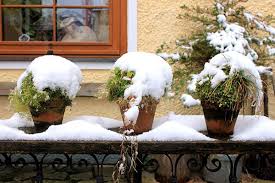
Potted plants are especially vulnerable to the cold, as their roots are more exposed than those planted in the ground. To help them survive freezing temperatures, bring potted plants closer to the foundation of your house or place them under eaves where the temperature tends to be warmer. The heat retained by the house will provide a more stable environment for your plants.

If bringing plants indoors is not an option, cover your container plants with frost cloth or heat-retentive blankets. These materials help shield the plants from the cold while maintaining warmth around the roots. You can also wrap the pots themselves in burlap or bubble wrap to help insulate them from the cold.

Winter can be a tough time for plants, but with the right precautions, you can ensure that your garden remains healthy and vibrant despite the cold. By watering properly, mulching, covering garden beds, and protecting container plants, you’re giving your garden the best chance to survive the winter months and thrive in the spring.
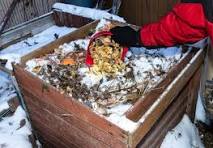
Composting and Soil Health: Why Winter is the Best Time to Start

Winter often gets a bad rap as the “off-season” for gardeners and farmers. The cold weather makes it seem like the growing season is over, but it’s actually the perfect time to work on improving your soil health—particularly through composting. While your garden might be dormant for the season, your soil doesn’t have to be.

The Importance of Soil Health

Healthy soil is the foundation of a thriving garden or farm. It provides essential nutrients to plants, helps retain moisture, and supports beneficial microorganisms. Improving soil health through composting is an investment that will pay off in abundance when spring planting season rolls around. Composting not only recycles organic waste but also creates a nutrient-rich mixture that will transform your soil into a fertile, thriving environment.

Why Composting in Winter Matters

You may be wondering, “Can you compost in the winter?” The answer is a resounding yes! Winter composting can help you build better soil health for the upcoming season, even when it’s cold outside. Here’s why winter is an ideal time for composting:

1. Decomposition Still Happens—Just Slower

Even in colder temperatures, decomposition continues, albeit at a slower rate. Composting microbes work best in temperatures between 110°F and 160°F, which is warmer than the outside winter air, but as long as the compost pile stays insulated, it can still remain active. Over the winter, the compost will slowly break down, giving you a head start for spring.

2. Winter is a Great Time for Collecting Organic Material

Winter often comes with fewer chores in the garden, which means you can focus more on collecting materials for composting. Collect kitchen scraps like vegetable peels, coffee grounds, and eggshells, as well as yard waste like autumn leaves, grass clippings, and woody stems. If you have access to hay or straw, those can be excellent additions too. Layering these materials will create a balanced compost pile that decomposes more effectively.

3. Less Smell and Fewer Pests

In the warmer months, compost piles can sometimes produce a strong odor and attract pests. However, during winter, the cold helps to minimize these concerns. The composting process remains odorless, and pests like flies, rodents, and raccoons are less likely to be active or attracted to your compost pile.

4. Improved Decomposition Process

Adding to your compost pile during winter ensures that you start the next growing season with nutrient-rich compost already on hand. Additionally, keeping the pile active by turning it occasionally and ensuring that it’s properly insulated will speed up the breakdown of organic material, which means your garden or farm will benefit from the compost much earlier in the year.

How to Compost in Winter

Composting during the winter is very similar to composting year-round, but with a few adjustments. Here are some tips to make your winter composting process even more effective:

1. Insulate Your Pile

To maintain the heat in the compost pile, make sure it’s properly insulated. You can use materials like hay bales, straw, or even blankets to wrap the pile. Insulation helps retain the heat and prevents the pile from freezing, which would halt the decomposition process. If you’re using a compost bin, ensure it is tightly sealed to trap warmth inside.

2. Layer Your Materials

Just like in the warmer months, it’s essential to create balanced layers in your compost pile—alternating between green (nitrogen-rich) and brown (carbon-rich) materials. Common green materials include kitchen scraps, coffee grounds, and grass clippings, while brown materials include dried leaves, straw, or shredded newspaper. The right balance helps to maintain a productive compost pile throughout the winter.

3. Turn the Pile Regularly

Regularly turning your compost pile ensures that air is circulating, which helps to speed up decomposition. If the pile is insulated well, you may only need to turn it once every few weeks. A compost thermometer can help you gauge whether your pile is staying warm enough for decomposition to continue.

4. Keep Moisture in Check

While moisture is important for the composting process, during the winter months, you don’t want the pile to become too wet and soggy. If it’s snowy or raining frequently, you may need to cover your pile to prevent it from becoming waterlogged. Aim for a moist, but not soggy, consistency.

Benefits of Winter Composting

By the time spring arrives, you’ll be ready to start planting with nutrient-rich, homemade compost that will boost soil fertility and structure. Composting in winter also reduces waste sent to landfills, providing an environmentally friendly solution for organic waste.

In addition, working on your compost pile during the colder months means you’ll have a healthier, more productive garden once the warmer weather hits. Your garden will appreciate the extra love and care you gave it in the off-season.

Winter might not seem like the obvious time to focus on your soil health, but composting during this time ensures your garden is well-prepared for the coming growing season. The extra attention you give your compost pile now will lead to better soil, healthier plants, and a more fruitful harvest later on. So, grab your gloves, get started, and let your composting efforts shine through the chill of winter—your garden will thank you come spring!

The Warm Comfort of Winter Vegetable Soup

As winter settles in, there’s nothing quite like a warm bowl of vegetable soup to nourish your body and soul. Packed with seasonal ingredients, hearty flavors, and vibrant nutrients, vegetable soup is more than just a meal—it’s a comforting ritual to embrace during the colder months.

Why Vegetable Soup?

  1. Seasonal Nutrition: Winter vegetables like carrots, parsnips, squash, kale, and sweet potatoes are at their peak, offering a boost of vitamins and minerals.
  2. Easy on Digestion: Warm soups are gentle on the stomach, making them ideal for cold days when your body craves soothing foods.
  3. Budget-Friendly: Root vegetables and legumes, often the stars of winter soups, are affordable and widely available.

Crafting the Perfect Bowl

  • Start with a Flavorful Base: Sauté onions, garlic, and celery for a fragrant beginning.
  • Add Seasonal Veggies: Think earthy carrots, creamy potatoes, or sweet squash.
  • Incorporate Protein: Beans, lentils, or tofu add a satisfying heft.
  • Spice It Up: Use warming spices like cumin, turmeric, or paprika for depth.

Beyond the Bowl

Pair your soup with crusty bread or a simple side salad for a complete meal. The act of simmering soup can also be meditative—a moment of mindfulness in a busy season.

This winter, embrace the simplicity and warmth of vegetable soup.

https://www.yellowblissroad.com/tortellini-soup-with-italian-sausage-spinach/

The Farmer and the Seeds: Planting for a Fruitful Life

The parable of The Farmer and the Seeds (traditional) offers a powerful lesson in understanding how our environment and mindset shape the results we achieve. In this story, a farmer scatters seeds, which fall on different types of soil: the hard path, rocky ground, thorny bushes, and good soil. While the seeds on the good soil yield a fruitful harvest, the others fail to grow.

What does this teach us? It emphasizes that the conditions we cultivate in our lives—whether through our mindset, the relationships we nurture, or the environments we place ourselves in—directly affect the outcomes we experience.

  1. Mindset: Like the good soil, a positive and growth-oriented mindset is essential for success. When we approach challenges with resilience and determination, we foster the conditions for growth, even when times are tough.
  2. Environment: Surrounding ourselves with supportive and nurturing people (like good soil) encourages personal development and success. Just as seeds need the right environment to flourish, we too need to ensure that our environments—work, home, and social circles—are conducive to our growth.
  3. Relationships: Relationships, like soil, play a significant role in our personal growth. Some relationships may drain or hinder us, while others can cultivate our abilities and encourage us to reach our potential.

As we begin this new year, reflect on your own “soil.” Are you setting yourself up for success by nurturing the right mindset, cultivating supportive relationships, and surrounding yourself with a positive environment? Small changes to these areas can have a significant impact on the results you achieve.

Remember, just as the farmer’s good soil yields an abundant harvest, the conditions you create today will shape your future.

How to Make Perfect Brownies Using Muffin Tins: Crispy Edges, Chewy Centers

If you love brownies (who doesn’t?), but you’re tired of waiting for that large baking pan to cool before slicing, here’s a fun and easy solution: muffin tins! Yes, you can make individual brownie portions in muffin tins, and the results? Well, they’re nothing short of perfect.

Why Muffin Tins?

Muffin tins give you individual brownies that are perfectly portioned, and they bake faster than a full pan. But the best part is the texture. The batter’s exposure to the muffin tin’s edges creates that sought-after contrast between crispy, crunchy edges and a chewy, fudgy center. It’s a win-win!

What You’ll Need:

– Your favorite brownie recipe (or a box mix if you’re in a hurry)
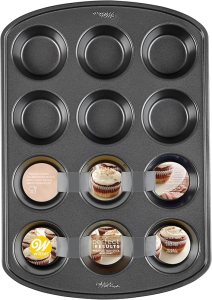
– Muffin tin (standard size)
– Non-stick spray or cupcake liners
– An oven preheated to 350°F

The Magic Numbers: 350°F for 20 Minutes

Here’s where the magic happens. Preheat your oven to 350°F, then scoop your brownie batter into the muffin tins, filling each cup about 2/3 full. The key to getting that perfect crispy edge with a chewy center is baking for about **20 minutes**. This will give you the right balance of texture. You’ll know they’re done when a toothpick inserted into the center comes out with just a few moist crumbs.

The Best of Both Worlds: Crispy Edges, Chewy Centers

One of the main reasons muffin tin brownies are so popular is because they offer two types of brownie textures in every bite. The edges crisp up thanks to their exposure to the hot muffin tin, while the centers stay perfectly soft and chewy. It’s like getting the best of both worlds—what could be better?

Tips for Extra Fudgy Brownies:

1. Use a high-quality cocoa powder or melt some chocolate into your batter for a richer flavor.
2. Don’t overmix the batter, as that can make your brownies cakier.
3. Let them cool in the tin for a few minutes before transferring them to a cooling rack—this helps them hold their shape.

The beauty of this method is that you don’t need to be a professional baker to get a perfect batch of brownies. Whether you’re craving a quick treat for yourself or impressing guests with a fun, individual serving, muffin tins make brownie baking a breeze. Crispy edges, chewy centers, and all the chocolatey goodness in between. What’s not to love?

Happy baking!

https://amzn.to/3CixlSK

https://amzn.to/3YWNkif

Fall Flavors: Cooking with Pumpkin—Muffins, Cookies, Lattes & More!

It’s that time of year again—leaves are changing, there’s a crisp chill in the air, and pumpkins are *everywhere*. Whether you’re a full-on pumpkin fanatic or just dabbling in the orange-hued world of fall flavors, there’s something cozy and comforting about cooking with pumpkin. So let’s talk pumpkin treats, shall we?

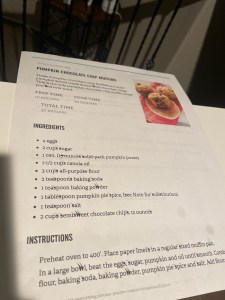
Pumpkin Muffins with Chocolate Chips: The MVP of Fall 🍫
Ah, pumpkin muffins. Soft, warm, and the perfect snack for a chilly day. I’m personally a big fan of adding chocolate chips to the mix. There’s just something magical about the slightly bitter chocolate cutting through the sweet, spiced pumpkin. It’s the best of both worlds! Imagine a chilly Saturday morning with a hot coffee and a fresh pumpkin muffin—it’s practically fall in a bite.

And if you’re in the mood for something richer, top those muffins with a dollop of cream cheese frosting. It’s like a tiny pumpkin cheesecake in every bite. Just a heads-up: these don’t last long on the counter. One muffin quickly turns into two, and before you know it, you’re contemplating baking another batch.

Pumpkin Cookies: Soft, Chewy & Just Sweet Enough 🍪
For those who want pumpkin spice without the heaviness of a pie, pumpkin cookies are the answer. I like to add a hint of cinnamon and nutmeg, which pairs perfectly with a cup of tea or coffee. These cookies are soft, almost cake-like, with a little chew that makes them irresistible. If you’re feeling adventurous, toss in some chopped nuts or a sprinkle of sea salt for a little twist. These are perfect for sharing at fall gatherings—or, you know, hoarding all to yourself on the couch. No judgment!

Pumpkin Pie: The Classic Everyone Loves 🥧
Of course, we can’t forget the OG—pumpkin pie. This classic is a must at any Thanksgiving table and arguably the dessert of the season. Some swear by extra cinnamon; others add a pinch of cloves or ginger to spice things up. Whatever your style, pumpkin pie brings everyone together, whether you’re a whipped cream purist or go for that sprinkle of powdered sugar.

Pumpkin Spice Latte: The Controversial Hero ☕️
Now, here’s where it gets a little controversial: the pumpkin spice latte. Some folks wait all year for it; others can’t stand the thought. But whether you love it or hate it, the pumpkin spice latte is a fall icon. Personally, I enjoy one every now and then—it’s sweet, spicy, and tastes like autumn itself in a cup. And if PSLs aren’t your thing, pumpkin spice tea is a lighter option that still brings those fall vibes.

Or…Maybe You’re Just Not That Into Pumpkin? 😳
Not everyone is a fan of pumpkin, and that’s totally okay! Maybe apple cinnamon or caramel-flavored treats are more your jam. The beauty of fall is that it brings all kinds of cozy flavors to the table. And if pumpkin’s not for you, there are plenty of other ways to get into the seasonal spirit!

So, What’s Your Pumpkin Go-To?
Are you a pumpkin muffin lover, pie purist, or cookie fanatic? Or maybe you’re ready to try something new this fall? Whatever your preference, fall is the time to dive in and enjoy the flavors of the season.

So grab that can of pumpkin, preheat your oven, and let’s get baking! 🍂🎃

Now is Not the Time to Cut Back Your Plants: Why Patience Pays Off in the Garden

It’s fall. The air is crisp, leaves are turning, and the urge to tidy up your garden is almost irresistible. But, here’s a twist: now is *not* the time to cut back your plants. If you’re thinking, “But isn’t fall cleanup supposed to mean trimming back?”—you’re in good company! Let’s talk about why holding back that pruner might actually be the best thing you can do for your garden and its inhabitants.

Why Cutting Back Can Wait
We get it: when plants start to droop, with leaves drying up and flowers gone, it feels natural to clean them up and prepare for a neat winter landscape. But here’s the thing—many plants, including perennials, benefit from being left alone for a bit longer. Their foliage, seeds, and stems serve a purpose even when they look past their prime.

1. Protection Against the Cold
Those dried-out stems and leaves? They’re like a cozy winter coat for the plants. Left intact, they insulate roots from fluctuating temperatures, which can help perennial plants stay strong and resilient through winter.

2. Habitat for Wildlife
Birds, bees, and other beneficial insects rely on old foliage and dried-out plant material to find shelter and food during the colder months. Leaving those stems up provides winter refuge, and if you’re a fan of butterflies, this is great news. Some butterflies, like the mourning cloak, overwinter in plant debris, while others lay their eggs there to hatch in spring.

3. Natural Mulching and Soil Health
Letting plant matter decompose naturally over the winter months feeds your soil without any extra work on your part. As the stems and leaves break down, they enrich the soil with nutrients, reducing the need for extra fertilizer in the spring.

Which Plants Should Wait Until Spring?
If you’re wondering which plants benefit most from a no-trim policy, focus on perennials like ornamental grasses, coneflowers, and sedum. Their seed heads add a little winter interest to the garden, not to mention food for birds like finches. Roses, lavender, and other flowering plants can also benefit from being left alone, with their old stems providing frost protection and fostering growth in spring.

When to Make the Cut?
Of course, you don’t need to avoid your pruners forever. Early spring is the ideal time to trim back these plants. By then, any insects will have emerged, birds will have moved on, and the plants will be ready for their new growth to shine.

Practical Tips to Embrace the “No-Cut” Approach
– Trim Strategically: If a plant looks genuinely messy and bothers you, it’s okay to do a minimal cleanup. Just don’t cut too close to the ground.
– Leave Some Seed Heads: Plants like sunflowers and black-eyed Susans can be left alone for birds to snack on. Their seed heads look pretty against winter snow and bring activity to your garden.
– Consider the Beauty: There’s a unique beauty in the winter garden—soft grasses swaying in the wind, delicate frost on stems. Embrace this quieter beauty.

The Bottom Line: A Garden that Gives Back
Patience in gardening is a skill that pays off. By resisting the urge to cut back right now, you’re setting your plants up for stronger growth come spring, inviting wildlife to your garden, and allowing nature to do some of your work for you. Plus, isn’t it nice to have one less chore on the list?

Winter Gardening: Yes, You Can Grow Goodies in the Cold!

As winter approaches, you might find yourself staring at your garden, wondering if it’s time to hang up your gardening gloves until spring. But hold on! Just because it’s chilly outside doesn’t mean your gardening days are over. In fact, winter gardening can be a delightful adventure, allowing you to grow a variety of hearty crops that can thrive in the cold. So, grab your warmest jacket, and let’s dig into some winter-friendly options that will keep your green thumb busy even when the snowflakes start to fall!

The Winter Wonder Crops

1. Kale
Ah, kale—the superstar of winter veggies! This leafy green not only withstands frost but often gets sweeter after a cold snap. Toss it in salads, smoothies, or soups, and feel like a nutritional champion. Trust me; your body will thank you!

2. Spinach
Spinach is like that reliable friend who always shows up. It loves cool weather and can keep growing throughout the winter. If you cover it with row covers or a simple cold frame, you’ll be enjoying fresh spinach for salads and sautéing all season long.

3. Garlic
Planting garlic in the fall is like giving yourself a delicious gift for the future. It requires minimal care during the winter, and come late spring or early summer, you’ll have fresh bulbs ready for your culinary creations. Nothing says “gourmet chef” like homegrown garlic!

4. Brussels Sprouts
These little green orbs might be the underdogs of the vegetable world, but they shine in winter gardens. Frost actually enhances their flavor, making them sweeter and more delectable. Just remember to harvest them before they bolt in the spring, or you’ll end up with some wild-looking plants!

5. Carrots
Carrots are like those friends who can withstand anything. Sown in late summer or fall, they can be left in the ground throughout winter. After a frost, they taste even sweeter! Just be sure to mulch well to protect them from harsh conditions.

6. Winter Onions
Planting onions in the fall for a summer harvest is a no-brainer. They’re low-maintenance and very forgiving. You’ll be amazed at how satisfying it is to pull fresh onions from the ground when the weather warms up.

7. Cabbage
Cabbage can handle winter’s chill, especially varieties like Savoy. These leafy beauties can survive frosty nights with a little protection, allowing you to enjoy them in hearty winter dishes.

8. Herbs
While many herbs might struggle in the cold, hardy varieties like thyme, rosemary, and parsley can be grown indoors or survive mild winters outdoors with some cover. They’ll add fresh flavor to your winter cooking, no need for a grocery run!

9. Cover Crops
If you’re not ready to plant veggies, consider sowing cover crops like clover or rye. They help improve soil health and prevent erosion, preparing your garden for a bountiful spring.

Tips for Successful Winter Gardening

– Use Cold Frames: Cold frames act like mini-greenhouses, providing shelter from harsh winds and frost. They allow you to extend your growing season and keep your plants cozy.

– Mulch Wisely: A thick layer of mulch not only insulates your plants but also retains soil moisture. It’s like a warm blanket for your garden!

– Choose Hardy Varieties:When selecting plants, look for varieties that are specifically bred for colder climates. They’ll be your best allies in the winter garden.

The Joy of Winter Gardening

Winter gardening can be incredibly rewarding. Not only does it keep your hands dirty and your mind engaged, but it also offers fresh produce even when the world outside is a snowy wonderland. So, whether you’re channeling your inner farmer or simply looking to enjoy the fruits (or veggies!) of your labor, winter gardening is the perfect way to stay connected to nature during the colder months.

Holiday Cooking: How a Digital Spatula Thermometer Can Save Your Sweet Treats and Holiday Feasts

As the holidays roll around and the kitchen starts heating up, we all know what’s coming—endless rounds of cookies, candy-making marathons, and big family dinners. It’s the time of year when the oven is always on, and you suddenly become a mix of Julia Child and a mad scientist. There’s nothing quite like the chaos of the holiday kitchen, but having the right tools on hand makes it a little more fun—and a lot less stressful.

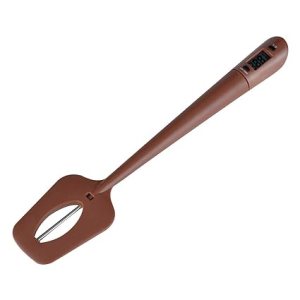
Enter: the Digital LCD Candy Spatula Thermometer. Sounds fancy, right? Well, it kind of is. If you’ve ever tried to make candy or check the temperature of a roast without a trusty thermometer, you know that the margin for error is about as thin as a filo dough sheet. This little gadget is not just any thermometer, though—it’s an instant-read meat and candy thermometer, stirrer, and spatula all in one. BPA-free and made of food-grade silicone, it’s basically the Swiss Army knife of kitchen tools.

The Struggle is Real

I’ll admit it—candy-making used to intimidate me. The first time I tried making homemade caramel, I ended up with a pot full of what I can only describe as caramel-flavored concrete. That’s when I realized, maybe I need some help in the precision department. You can’t just wing it when it comes to candy temperatures, and the “soft ball stage” doesn’t mean it’ll feel like a soft ball; it’s about chemistry, folks!

That’s where the Digital Candy Thermometer has saved my holiday sanity. You can stir while checking the temperature, which means no more burnt hands from trying to multitask with a spoon and an old-school mercury thermometer. Plus, there’s something satisfying about watching those digital numbers climb as you get closer to the perfect temperature for fudge, caramel, or divinity (anyone else’s grandma still make divinity?).

The Roast Beast Test

But wait, it’s not just for sweets! This spatula thermometer also works for meats, which is a game-changer for holiday roasts. Forget cutting into the turkey to “see if it’s done” and watching all the juices run out. Just poke this thermometer in and get an instant read on the temperature without missing a beat.

The holidays are stressful enough without worrying about undercooked (or overcooked) main dishes. And let’s be real—there’s no faster way to derail a holiday feast than to serve a dry turkey. Trust me, nobody will remember the perfect mashed potatoes if the bird’s a bust.

Why You’ll Love It

If you’re like me and like to keep things simple yet effective in the kitchen, this gadget will fit right in with your holiday routine. It’s one of those small investments that make a big difference. You’ll save time, stress, and a whole lot of guessing games when it comes to getting your recipes just right.

I like to think of it as my little sous chef—quiet, dependable, and always ready to lend a (silicone) hand. And the best part? No more failed fudge or overdone turkey. It’s foolproof, which is exactly what I need when I’m juggling cookie trays and holiday guests who show up early.

The Holidays are Coming—Be Ready!

Because who has time for kitchen disasters when there are gifts to wrap and holiday movies to binge? Happy cooking—and may your thermometer always read “just right!”

https://amzn.to/3YnX2tE

The Comfort of Comfort Food: A Culinary Embrace

What is Comfort Food?

Comfort food is often defined by its nostalgic appeal, simplicity, and heartwarming flavors. These dishes may vary from person to person, influenced by cultural backgrounds and personal experiences. It often evokes feelings of happiness, warmth, and contentment, bringing a sense of security in an often chaotic world.

The Psychology Behind Comfort Food

There’s a psychological aspect to our love for comfort food. When we consume these beloved dishes, our brains release dopamine, the “feel-good” neurotransmitter. This chemical response can provide temporary relief from stress and anxiety. In times of trouble, our instinct is to seek solace in familiar flavors and comforting textures.

Popular Comfort Foods Around the World

1. Macaroni and Cheese (United States): Creamy, cheesy, and utterly satisfying, this dish is a childhood favorite for many Americans.

2. Ramen (Japan): A steaming bowl of ramen, with its rich broth and tender noodles, offers warmth and nourishment.

3. Pasta (Italy): From spaghetti and meatballs to lasagna, Italian pasta dishes embody comfort through their hearty sauces and flavors.

4. Chicken Soup (Various Cultures): Known for its healing properties, chicken soup is a classic remedy for the soul.

5. Poutine (Canada): Fries topped with cheese curds and gravy create a savory, indulgent experience that warms the heart.

6. Mashed Potatoes (United States): Creamy, buttery mashed potatoes are the ultimate side dish that can elevate any meal.

The Role of Comfort Food in Our Lives

Comfort food often finds its way into our lives during significant moments—celebrations, family gatherings, or even times of sadness. It serves as a reminder of love and togetherness, often connecting us to those we cherish. Sharing these meals with family and friends can create lasting memories and strengthen bonds.

Creating Your Comfort Food Experience

You don’t need a special occasion to indulge in comfort food. Here are a few ways to create your own comforting experience at home:

– Cook with Love: Spend time in the kitchen preparing your favorite dish. The process can be therapeutic, and the aromas will fill your space with warmth.

– Savor the Moment: Take your time to enjoy your meal. Put away distractions, set the table, and truly appreciate the flavors and textures.

– Share the Love: Invite friends or family over for a comfort food feast. Sharing food can enhance the joy of the experience.

– Try New Recipes: While classic comfort foods are beloved, don’t hesitate to explore new recipes that excite your palate and become future favorites.

Comfort food is more than just sustenance; it’s a source of joy and connection that nourishes both body and soul. Whether you’re indulging in a nostalgic family recipe or trying something new, allow yourself the pleasure of these comforting dishes. Embrace the warmth they bring, and remember that food has the incredible power to heal, unite, and uplift us. So, go ahead, grab a plate of your favorite comfort food, and savor every delicious bite.