Holiday Cooking: How a Digital Spatula Thermometer Can Save Your Sweet Treats and Holiday Feasts

As the holidays roll around and the kitchen starts heating up, we all know what’s coming—endless rounds of cookies, candy-making marathons, and big family dinners. It’s the time of year when the oven is always on, and you suddenly become a mix of Julia Child and a mad scientist. There’s nothing quite like the chaos of the holiday kitchen, but having the right tools on hand makes it a little more fun—and a lot less stressful.

Enter: the Digital LCD Candy Spatula Thermometer. Sounds fancy, right? Well, it kind of is. If you’ve ever tried to make candy or check the temperature of a roast without a trusty thermometer, you know that the margin for error is about as thin as a filo dough sheet. This little gadget is not just any thermometer, though—it’s an instant-read meat and candy thermometer, stirrer, and spatula all in one. BPA-free and made of food-grade silicone, it’s basically the Swiss Army knife of kitchen tools.

The Struggle is Real

I’ll admit it—candy-making used to intimidate me. The first time I tried making homemade caramel, I ended up with a pot full of what I can only describe as caramel-flavored concrete. That’s when I realized, maybe I need some help in the precision department. You can’t just wing it when it comes to candy temperatures, and the “soft ball stage” doesn’t mean it’ll feel like a soft ball; it’s about chemistry, folks!

That’s where the Digital Candy Thermometer has saved my holiday sanity. You can stir while checking the temperature, which means no more burnt hands from trying to multitask with a spoon and an old-school mercury thermometer. Plus, there’s something satisfying about watching those digital numbers climb as you get closer to the perfect temperature for fudge, caramel, or divinity (anyone else’s grandma still make divinity?).

The Roast Beast Test

But wait, it’s not just for sweets! This spatula thermometer also works for meats, which is a game-changer for holiday roasts. Forget cutting into the turkey to “see if it’s done” and watching all the juices run out. Just poke this thermometer in and get an instant read on the temperature without missing a beat.

The holidays are stressful enough without worrying about undercooked (or overcooked) main dishes. And let’s be real—there’s no faster way to derail a holiday feast than to serve a dry turkey. Trust me, nobody will remember the perfect mashed potatoes if the bird’s a bust.

Why You’ll Love It

If you’re like me and like to keep things simple yet effective in the kitchen, this gadget will fit right in with your holiday routine. It’s one of those small investments that make a big difference. You’ll save time, stress, and a whole lot of guessing games when it comes to getting your recipes just right.

I like to think of it as my little sous chef—quiet, dependable, and always ready to lend a (silicone) hand. And the best part? No more failed fudge or overdone turkey. It’s foolproof, which is exactly what I need when I’m juggling cookie trays and holiday guests who show up early.

The Holidays are Coming—Be Ready!

Because who has time for kitchen disasters when there are gifts to wrap and holiday movies to binge? Happy cooking—and may your thermometer always read “just right!”


https://amzn.to/3YnX2tE

The Comfort of Comfort Food: A Culinary Embrace

What is Comfort Food?

Comfort food is often defined by its nostalgic appeal, simplicity, and heartwarming flavors. These dishes may vary from person to person, influenced by cultural backgrounds and personal experiences. It often evokes feelings of happiness, warmth, and contentment, bringing a sense of security in an often chaotic world.

The Psychology Behind Comfort Food

There’s a psychological aspect to our love for comfort food. When we consume these beloved dishes, our brains release dopamine, the “feel-good” neurotransmitter. This chemical response can provide temporary relief from stress and anxiety. In times of trouble, our instinct is to seek solace in familiar flavors and comforting textures.

Popular Comfort Foods Around the World

1. Macaroni and Cheese (United States): Creamy, cheesy, and utterly satisfying, this dish is a childhood favorite for many Americans.

2. Ramen (Japan): A steaming bowl of ramen, with its rich broth and tender noodles, offers warmth and nourishment.

3. Pasta (Italy): From spaghetti and meatballs to lasagna, Italian pasta dishes embody comfort through their hearty sauces and flavors.

4. Chicken Soup (Various Cultures): Known for its healing properties, chicken soup is a classic remedy for the soul.

5. Poutine (Canada): Fries topped with cheese curds and gravy create a savory, indulgent experience that warms the heart.

6. Mashed Potatoes (United States): Creamy, buttery mashed potatoes are the ultimate side dish that can elevate any meal.

The Role of Comfort Food in Our Lives

Comfort food often finds its way into our lives during significant moments—celebrations, family gatherings, or even times of sadness. It serves as a reminder of love and togetherness, often connecting us to those we cherish. Sharing these meals with family and friends can create lasting memories and strengthen bonds.

Creating Your Comfort Food Experience

You don’t need a special occasion to indulge in comfort food. Here are a few ways to create your own comforting experience at home:

– Cook with Love: Spend time in the kitchen preparing your favorite dish. The process can be therapeutic, and the aromas will fill your space with warmth.

– Savor the Moment: Take your time to enjoy your meal. Put away distractions, set the table, and truly appreciate the flavors and textures.

– Share the Love: Invite friends or family over for a comfort food feast. Sharing food can enhance the joy of the experience.

– Try New Recipes: While classic comfort foods are beloved, don’t hesitate to explore new recipes that excite your palate and become future favorites.

Comfort food is more than just sustenance; it’s a source of joy and connection that nourishes both body and soul. Whether you’re indulging in a nostalgic family recipe or trying something new, allow yourself the pleasure of these comforting dishes. Embrace the warmth they bring, and remember that food has the incredible power to heal, unite, and uplift us. So, go ahead, grab a plate of your favorite comfort food, and savor every delicious bite.

Embracing the End-of-Summer Harvest: A Season of Abundance and Reflection

As summer draws to a close, we find ourselves in a unique and vibrant phase of the gardening calendar: the end-of-summer harvest time. This period is more than just the culmination of months of hard work; it is a celebration of nature’s generosity and the flavors that define our late summer dishes.

A Journey to Abundance

The journey to this bountiful harvest begins long before the first fruits and vegetables make their appearance. It starts with winter planning and dreaming, where gardeners envision their plots and select their favorite seeds. As spring arrives, there’s a tender ritual of nurturing seedlings, ensuring they have the best start possible. Transplanting these young plants into the garden and tending to them through the warm summer days involves commitment and care.

Now, as we stand at the end of summer, the payoff is evident. We are rewarded with a shower of colorful, weighty produce that often catches us off guard with its sheer abundance. The vibrant reds, deep greens, and bright yellows of ripe tomatoes, peppers, squash, and more fill our baskets, overwhelming our senses with their juiciness and aroma.

A Sensory Feast

This season offers the juiciest flavors and the most eye-popping colors, igniting our creativity in the kitchen. It’s a time to cook, create, and preserve. From canning homemade sauces to whipping up fresh salads and roasting vegetables, the options are limitless. Each meal becomes an opportunity to showcase the fruits of our labor, reminding us of the hard work that went into nurturing our gardens.

But while we celebrate the abundance, it’s essential to acknowledge the garden’s transformation. The very plants that once flourished with glossy leaves and vibrant blooms begin to show signs of fatigue. Their branches, heavy with the weight of ripe produce, have faced challenges—bites from hungry insects, sunburned leaves, and the onset of powdery mildew on squash and melons.

A Reflection on Life Cycles

As the garden shifts into this second phase of life, it serves as a reminder of the natural cycles of growth and decline. Though the plants may not be as visually striking as they were at their peak, they are in a different yet equally significant stage: productivity. Each drooping leaf and weathered stem tells a story of resilience and abundance, of life reaching its climax and preparing for the next phase.

This end-of-summer harvest is not just about gathering produce; it’s a moment to reflect on the efforts of the season and the lessons learned along the way. Just as the garden transitions, so too do we embrace change in our own lives.

Celebrating the Harvest

As we gather the last of the summer’s bounty, let’s take a moment to appreciate this unique season of abundance. The end-of-summer harvest is a time for gratitude, creativity, and connection with nature. So, let us celebrate the fruits of our labor, recognizing that every bite is a testament to our hard work and dedication. Whether we’re savoring the last tomatoes or preserving the season’s flavors for the winter months, we honor the journey and the beauty found in every stage of growth.

 4 Gardening Myths Debunked: Separating Fact from Fiction

Gardening is an age-old practice, but along with it come myths and misconceptions that can mislead both new and experienced gardeners. To help you make the most of your green space, let’s tackle four common gardening myths and provide the truth behind them.

1. Myth: Watering Plants in Direct Sunlight Scorches Leaves
One of the most persistent gardening myths is that watering your plants during the heat of the day will cause the sun to scorch the wet leaves. The theory is that water droplets act as magnifying glasses, intensifying sunlight and burning the plant. However, scientific studies have shown that this isn’t the case. Water droplets don’t concentrate sunlight enough to cause damage to plants.

Debunked: The real risk of watering in direct sunlight is that much of the water will evaporate before it can soak into the soil. For efficiency, it’s best to water early in the morning or late in the afternoon, ensuring the water reaches the roots without unnecessary waste.

2. Myth: You Must Water Your Garden Every Day
Many believe that daily watering is essential for healthy plants, but this can do more harm than good. Overwatering can drown plant roots, lead to fungal growth, and weaken plants over time.

Debunked: The key to healthy plants is deep, less frequent watering that encourages roots to grow deeper into the soil. Aim to water your garden about once or twice a week, depending on the climate and the needs of your plants. Deep watering ensures that moisture reaches the roots and helps plants develop a strong root system.

3. Myth: Using Chemical Fertilizers Is the Best Way to Feed Plants
There’s a common misconception that synthetic fertilizers are the most effective way to ensure lush, fast-growing plants. While they may provide quick results, overuse can lead to nutrient imbalances, harm beneficial soil organisms, and contribute to long-term soil degradation.

Debunked: Organic matter, like compost or well-rotted manure, is a far better way to nourish your garden. It provides a slow, steady release of nutrients and improves soil structure, allowing for better water retention and healthier plant growth. Plus, it fosters beneficial microbes that create a thriving ecosystem in your soil.

4. Myth: More Sunlight Always Equals Better Growth
It’s easy to think that more sunlight means healthier, faster-growing plants. While sunlight is crucial for photosynthesis, not all plants thrive in full sun.

Debunked:Different plants have different light needs. Some, like tomatoes and sunflowers, need full sun (6-8 hours per day), while others, such as lettuce or hostas, prefer partial shade. Exposing shade-loving plants to too much direct sunlight can cause stress, leaf burn, and poor growth. Knowing the light requirements of your plants and positioning them accordingly will ensure a healthier, more productive garden.

Gardening is a journey of learning and discovery, and part of that process is questioning the myths that have been passed down over time. By debunking these common gardening myths, you’ll be better equipped to grow a thriving garden based on sound practices and real results.

The Cycle of Life: Planting, Growing, Harvesting, and Resting

Gardening, in its essence, is a reflection of the life cycle, providing profound insights into the rhythms of existence. As we dig into the soil, plant seeds, nurture growth, harvest the fruits of our labor, and finally, let the land rest, we are not merely tending to our gardens—we are connecting with the natural cycle that mirrors our own life journey.

Planting: The Beginning

Planting represents the start of something new—a dream, a goal, or a phase in life. Just as we carefully select seeds and prepare the soil, we must also prepare ourselves when embarking on a new venture. It’s about setting intentions, laying the groundwork, and trusting in the potential that lies within small beginnings.

In life, planting seeds might mean starting a new project, learning a new skill, or setting a personal goal. It’s a time of hope, anticipation, and faith that the small actions we take today will yield a bountiful harvest in the future.

Growing: Nurturing Progress

Once the seeds are planted, the process of growth begins. This stage requires patience, dedication, and care. Just as plants need water, sunlight, and nutrients, our dreams and goals need consistent effort, learning, and adaptation. Growth is not always visible immediately, and often, the most important developments happen beneath the surface.

In our lives, the growth phase might be challenging. It’s the period where we face obstacles, learn from failures, and continue to nurture our ambitions despite setbacks. But with perseverance, we see progress—whether it’s in personal development, relationships, or career achievements.

Harvesting: Reaping Fulfillment

The harvest is the reward for our hard work. In gardening, this is the time to enjoy the fruits, vegetables, or flowers that have flourished from our efforts. It’s a moment of fulfillment, satisfaction, and gratitude. We celebrate the abundance that comes from our dedication and patience.

In life, the harvest might come in the form of achieving a long-term goal, enjoying the results of personal growth, or experiencing success in our endeavors. It’s important to take time to appreciate these moments, to celebrate the wins, and to share the abundance with others.

Resting: The Essential Pause

After the harvest, the land needs to rest. The soil must be allowed to rejuvenate, to regain its nutrients, and prepare for the next cycle. This period of rest is as crucial as any other stage. It’s in the pause that renewal occurs, setting the stage for new beginnings.

In our own lives, rest is often overlooked but essential. After periods of intense work or growth, taking time to rest, reflect, and rejuvenate is vital. It’s during rest that we gain perspective, recharge our energy, and prepare ourselves for the next cycle of life.

Embracing the Cycle

The cycle of life—planting, growing, harvesting, and resting—teaches us the importance of balance. Each stage has its own purpose and beauty, and by embracing this natural rhythm, we can find greater fulfillment and peace in our lives. Just as in gardening, where each season has its role, in life, every phase is necessary and valuable. As we move through the cycles of our own journey, may we learn to plant with intention, grow with perseverance, harvest with gratitude, and rest with purpose.

The Value of Preparation: Cultivating Success in Your Garden and Life

In gardening, as in life, success often depends on the groundwork you lay before the first visible signs of progress. Just as a bountiful harvest is the result of careful soil preparation and thoughtful garden planning, the achievements in our personal and professional lives are often rooted in how well we prepare.

Preparing the Soil: The Foundation of Growth

The soil is the foundation of any garden. Before planting, it’s essential to ensure that the soil is rich in nutrients, well-drained, and suitable for the types of plants you want to grow. This preparation might involve testing the soil’s pH, adding compost or fertilizer, and removing weeds or rocks that could hinder growth. Without this careful preparation, even the best seeds may fail to thrive.

In life, preparing the “soil” is equally important. Whether you’re starting a new project, pursuing a career goal, or embarking on a personal journey, the success of your endeavor often depends on how well you prepare. This might mean acquiring new skills, gathering resources, or simply taking the time to understand the challenges ahead. Just like in gardening, a solid foundation increases the chances of success.

Planning the Garden Layout: A Blueprint for Success

Once the soil is prepared, the next step is planning the garden layout. This involves deciding where each plant will go, taking into account factors like sunlight, water needs, and how much space each plant will require as it grows. A well-planned garden maximizes space, ensures that each plant has what it needs to thrive, and helps prevent problems like overcrowding or competition for resources.

In any endeavor, having a plan is crucial. Whether you’re managing a team, organizing an event, or pursuing a long-term goal, planning helps you allocate resources effectively, anticipate challenges, and stay focused on your objectives. Just as a well-planned garden leads to a more abundant harvest, a well-thought-out plan in life increases your chances of achieving your desired outcomes.

The Harvest: Reaping the Rewards of Preparation

When the time comes to harvest, the effort you put into preparing the soil and planning the garden layout pays off. A garden that has been carefully prepared and thoughtfully planned is more likely to produce healthy, abundant crops. The same principle applies in life: when you take the time to prepare and plan, you set yourself up for success.

The satisfaction of a bountiful harvest serves as a reminder of the value of preparation. It’s a testament to the idea that success is rarely accidental; it’s the result of careful planning, hard work, and consistent effort. Whether in the garden or in life, the rewards of preparation are well worth the time and energy invested.

Embrace the Power of Preparation

In both gardening and life, the importance of preparation cannot be overstated. By taking the time to prepare the soil and plan the garden layout, you set the stage for a successful harvest. Similarly, by preparing and planning in your personal and professional endeavors, you increase your chances of achieving your goals.

So, as you nurture your garden or pursue your dreams, remember that preparation is the key to success. Embrace the process, trust in your efforts, and look forward to reaping the rewards of your hard work. After all, a bountiful harvest is not just about the fruits and vegetables you grow—it’s about the growth and fulfillment you experience along the way.

The Benefits of Patience: Understanding the Time Required for Plants to Grow

Gardening is a rewarding endeavor that offers a unique blend of creativity, care, and patience. One of the most valuable lessons in gardening is learning to appreciate and embrace the time it takes for plants to grow and mature. While the anticipation of a blooming garden or a bountiful harvest is exciting, understanding and accepting the time required for plants to thrive is crucial for both your gardening success and enjoyment.

The Virtue of Patience in Gardening

Gardening often requires patience, as plants do not grow overnight. Each plant has its own growth cycle, influenced by factors such as species, climate, soil quality, and care practices. Embracing patience allows you to appreciate the gradual process of growth and understand that gardening is as much about nurturing and waiting as it is about planting and harvesting.

Why Patience is Essential

1. Understanding Growth Cycles: Different plants have different growth cycles, from germination to full maturity. For instance, leafy greens like lettuce may grow quickly and be ready for harvest in just a few weeks, while fruit-bearing plants like tomatoes or peppers take several months to produce. Knowing the expected time frames for your plants helps manage expectations and plan your gardening activities accordingly.

2. Nurturing Healthy Plants: Patience allows you to give your plants the time they need to develop strong roots, stems, and leaves. Rushing the process can lead to premature harvesting or improper care, which can hinder plant health and reduce yields. By allowing plants to mature at their own pace, you ensure they have the best chance to grow robustly and produce high-quality results.

3. Avoiding Over-Tending: In the excitement of seeing progress, it’s easy to over-tend plants by excessive watering, fertilizing, or pruning. Patience teaches you to resist the urge to intervene too frequently. Instead, focus on providing consistent care and allowing plants to adapt and thrive on their own.

Managing Expectations

1. Set Realistic Goals: When starting a garden, set realistic goals based on the plants you choose and the time required for their growth. Understand that not all plants will grow at the same rate or produce results simultaneously. By setting achievable goals, you can enjoy the gardening process and celebrate each milestone along the way.

2. Celebrate Small Victories: While waiting for the final harvest, celebrate smaller successes like sprouting seeds, healthy new growth, or the first blooms. These small victories provide motivation and remind you of the progress being made, even if the final results are not yet visible.

3. Document Progress: Keep a gardening journal or take photos to document your plants’ progress over time. This practice not only helps you track growth but also provides a visual reminder of how your efforts are paying off. Reflecting on past successes can reinforce your patience and enthusiasm for the garden.

…the Journey

Gardening is as much about the journey as it is about the destination. Embracing the time required for plants to grow allows you to fully experience and appreciate the entire process. By nurturing your plants with patience, you build a deeper connection with nature and develop a greater understanding of the intricate cycles of growth and development.

…Patience is a vital component of successful gardening. Understanding the time required for plants to mature helps manage expectations, promotes healthy growth, and enhances the overall gardening experience. So, take a deep breath, enjoy the journey, and trust that your garden will reward your patience with beautiful blooms and bountiful harvests.

Embrace the Learning Curve: Wisdom Through Gardening

Gardening can be an intimidating venture, especially when you’re just starting out. The planning, the endless choices of plants, and the uncertainty of what will thrive in your space can feel overwhelming. I remember feeling the same way when I began my gardening journey. But over time, I’ve realized that the beauty of gardening lies not in perfection but in the process of learning and growing—both for the plants and for ourselves.

The Intimidation of Planning and Growing

When I first started gardening, I was intimidated by the idea of planning a garden. How do you know what to plant, where to plant it, and how to care for it? The truth is, you often don’t know until you try. Gardening is as much about experimentation as it is about knowledge. Each season brings new lessons, and with each lesson, you gain a little more wisdom.

Learning as You Go

This year, I learned a lot—one of the most important lessons being that broccoli might not be the best fit for my garden. But that’s okay because every mistake is a step towards a better garden in the future. Next year, I won’t be planting broccoli, but I’ll have a much better idea of my garden layout. I’ve learned which plants thrive in certain spots, how much sunlight different areas get, and how to better space my plants to give them room to grow.

Wisdom Through Experience

Gardening has taught me that wisdom cannot simply be told; it must be gained through experience. Reading books and articles can give you a foundation, but nothing compares to the lessons you learn by getting your hands dirty. Each season is a new opportunity to learn, and each plant is a new teacher.

Just Start Planting

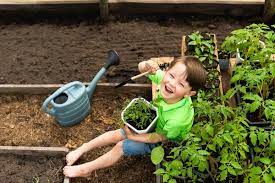
So, my biggest piece of advice to anyone feeling overwhelmed by the thought of starting a garden is this: put some seeds in the ground and watch them grow. Don’t worry about having everything figured out. Start small, observe, and learn. Each year, you’ll gain more confidence, and your garden will reflect your growing wisdom.

Gardening is a journey of growth—not just for your plants but for you as well. It’s okay to make mistakes and to feel uncertain. The important thing is to start, to keep learning, and to enjoy the process. With each season, you’ll become a little more knowledgeable and a lot more connected to the rhythm of nature. So, put those seeds in the ground, embrace the learning curve, and watch your garden—and yourself—grow.

Slaw: The Salad of Summer

https://smittenkitchen.com/

Summer… it’s time to embrace the vibrant flavors and fresh ingredients that define the season. Among the array of delicious salads that come with warmer weather, slaw stands out as a particularly refreshing and versatile option. Whether you’re hosting a backyard barbecue, preparing a family dinner, or simply looking for a crisp, healthy side, slaw is the perfect choice. Let’s dive into why slaw deserves a place at your summer table and how to make it shine.

Why Slaw is the Perfect Summer Salad

1. Crisp and Refreshing
Slaw’s crunchy texture and crisp flavors make it incredibly refreshing on a hot summer day. The combination of cabbage, carrots, and other fresh vegetables provides a satisfying crunch that complements grilled meats and other summer dishes.

2. Versatile and Customizable
One of the best things about slaw is its versatility. While the classic version includes cabbage and carrots, you can customize it with a variety of ingredients. Add apples, radishes, or bell peppers for extra crunch and flavor. Experiment with different dressings, such as a tangy vinaigrette or a creamy mayo-based sauce, to find your perfect blend.

3. Nutrient-Rich
Slaw is not only delicious but also packed with nutrients. Cabbage is rich in vitamins C and K, while carrots provide a good dose of beta-carotene. Adding other vegetables and fruits can boost the nutritional value even further, making slaw a healthful choice for any meal.

4. Easy to Prepare
Preparing slaw is quick and simple. Shred or chop your vegetables, mix them together, and toss with your favorite dressing. It can be made ahead of time and stored in the refrigerator, allowing the flavors to meld together and making it an ideal option for meal prepping.

Creative Variations

1. Asian Slaw: Add sliced almonds, mandarin oranges, and a sesame-ginger dressing for a twist on the classic.

2. Southwestern Slaw: Mix in black beans, corn, and a lime-cilantro dressing for a southwestern flair.

3. Apple and Cranberry Slaw: Incorporate thinly sliced apples and dried cranberries with a honey mustard dressing for a sweet and tangy variation.

Pairing Slaw with Summer Meals

Slaw pairs wonderfully with a variety of summer dishes. Serve it alongside grilled chicken, burgers, or fish tacos for a well-rounded meal. It also makes a great topping for sandwiches and wraps, adding a crunch and burst of flavor.

In summary, slaw is more than just a side dish—it’s a versatile, nutritious, and delicious addition to any summer menu. Its refreshing crunch and customizable flavors make it a favorite for outdoor gatherings and everyday meals alike. So, embrace the season and make slaw the star of your summer table!

poolside sesame slaw

The Benefits of Crop Rotation in Your Vegetable Garden

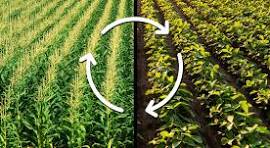
Crop rotation is a time-honored agricultural practice with significant benefits for vegetable gardens. It involves changing the location of specific crops each growing season to enhance soil health, reduce pests, and improve yields. Understanding the principles of crop rotation can transform your garden into a more productive and sustainable ecosystem.

Why Crop Rotation Matters

1. Enhances Soil Health: Different crops have varying nutrient requirements. By rotating crops, you can prevent the depletion of specific nutrients. For example, legumes like beans and peas fix nitrogen in the soil, which benefits subsequent crops that require high nitrogen levels, such as leafy greens.

2. Reduces Pest and Disease Pressure: Many garden pests and diseases are crop-specific. By rotating crops, you can disrupt the life cycles of pests and reduce the likelihood of diseases that thrive on specific plants. For instance, if you had tomatoes last season, rotating to a different family, such as brassicas, can help minimize tomato-specific diseases.

3. Improves Soil Structure: Different plants have different root structures. Rotating crops can help improve soil structure and aeration. Deep-rooted plants, such as carrots, can break up compacted soil, while shallow-rooted plants, like lettuce, can improve surface soil quality.

4. Increases Biodiversity: By planting a variety of crops, you support a diverse ecosystem in your garden. This diversity can attract beneficial insects and pollinators, creating a balanced and resilient garden environment.

How to Implement Crop Rotation Effectively

1. Understand Crop Families: To rotate crops effectively, it’s essential to know which plant families are related. For example, tomatoes, peppers, and potatoes are all nightshades and should not be planted in the same location consecutively. Keep a list of plant families and their specific requirements to plan rotations accordingly.

2. Plan Your Rotation Schedule: Develop a rotation plan that spans at least three to four years. Ideally, you should rotate crops so that the same plant family is not planted in the same location for several years. A typical rotation might involve a cycle of root vegetables, legumes, leafy greens, and fruiting plants.

3. Keep Records: Maintain a garden journal or map to track where you plant each crop each year. This record will help you remember past planting locations and make informed decisions for future seasons.

4. Incorporate Cover Crops: During the off-season or in between rotations, consider planting cover crops like clover or rye. These plants can improve soil fertility, prevent erosion, and suppress weeds.

5. Monitor and Adjust: Observe your garden’s performance and adjust your rotation plan as needed. If you notice persistent pest issues or nutrient deficiencies, you may need to tweak your rotation schedule or add soil amendments.

Sample Rotation Plan

Here’s a simple example of a four-year rotation plan:

– Year 1: Plant root vegetables (carrots, beets, radishes)
– Year 2: Plant legumes (beans, peas, lentils)
-Year 3: Plant leafy greens  (lettuce, spinach, broccoli, cabbage)
– Year 4: Plant fruiting vegetables (tomatoes, peppers, cucumbers)

By following these principles, you’ll build a more resilient and productive vegetable garden. Crop rotation not only benefits the soil and plants but also contributes to a healthier and more sustainable gardening practice.