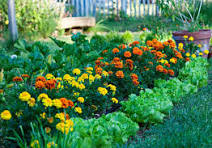
Exploring the Benefits of Companion Planting in Summer

As summer unfolds and gardens flourish, the practice of companion planting offers a time-tested strategy to enhance plant growth, boost yields, and reduce pest problems naturally. Companion planting involves pairing plants that support each other’s growth, creating a harmonious garden ecosystem. Here’s how you can make the most of companion planting this summer, including a look at plants that thrive together and ways this practice can help reduce pests.

The Concept of Companion Planting

Companion planting is the practice of growing different plants in proximity to each other to achieve various benefits. These benefits can include improved growth, better flavor, pest control, and enhanced pollination. By understanding which plants complement each other, you can create a more resilient and productive garden.

Plants That Thrive Together

1. Tomatoes and Basil

Tomatoes and basil are a classic combination. Basil helps to repel insects like aphids, mosquitoes, and tomato hornworms. Additionally, many gardeners believe that basil enhances the flavor of tomatoes.

2. Cucumbers and Nasturtiums

Nasturtiums act as a trap crop for aphids, attracting them away from cucumbers. They also deter other pests like cucumber beetles and squash bugs. Nasturtiums’ bright flowers can attract pollinators, benefiting the cucumbers.

3. Carrots and Onions

Carrots and onions make great companions because onions repel carrot flies, and carrots help to aerate the soil for onions. This pairing helps both plants grow better by reducing pest pressure.

4. Corn, Beans, and Squash (The Three Sisters)

This traditional Native American planting trio is a great example of companion planting. Corn provides a natural trellis for beans to climb, beans fix nitrogen in the soil, which benefits the corn and squash, and squash covers the ground, reducing weeds and retaining moisture.

5. Marigolds with Almost Anything

Marigolds are a versatile companion plant that can be used throughout the garden. They help repel nematodes, aphids, and many other pests. Planting marigolds among vegetables can create a pest-resistant barrier.

How Companion Planting Reduces Pests

1. Natural Pest Repellents

Many companion plants have strong scents or produce chemicals that repel pests. For example, herbs like basil, rosemary, and mint can deter insects, while flowers like marigolds release compounds that repel nematodes and other harmful organisms.

2. Trap Crops

Some plants can act as trap crops, drawing pests away from the main crop. Nasturtiums, for example, attract aphids, keeping them away from more valuable plants like cucumbers and tomatoes.

3. Improved Biodiversity

A diverse garden with a variety of plants can confuse pests and reduce their impact. Pests are often attracted to large, monoculture plantings. By mixing different plants, you create a more complex environment that can deter pests and reduce the likelihood of infestations.

4. Beneficial Insects

Certain companion plants attract beneficial insects that prey on pests. For instance, dill and fennel attract ladybugs, lacewings, and parasitic wasps, all of which help control aphids and other harmful insects.

Getting Started with Companion Planting

1. Plan Your Garden Layout

Before planting, take time to plan your garden layout. Consider which plants benefit each other and arrange them accordingly. Use companion planting charts or guides to help you make informed decisions.

2. Rotate Crops

Crop rotation is essential for maintaining soil health and reducing pest problems. Rotate your crops each season to prevent pests and diseases from building up in the soil.

3. Experiment and Observe

Every garden is unique, so don’t be afraid to experiment with different companion planting combinations. Observe how your plants interact and adjust your planting strategies based on what you learn.

Companion planting is a valuable technique for creating a healthy, productive garden. By pairing plants that thrive together, you can boost growth, enhance flavors, and naturally reduce pest problems. As you explore the benefits of companion planting this summer, you’ll discover a more resilient and harmonious garden ecosystem that rewards you with bountiful harvests and fewer pest issues.

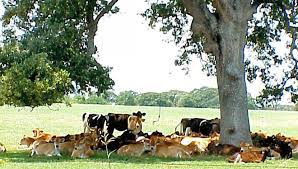
Summer Farm Safety Tips: Staying Safe in the Sun and Heat

Summer is a busy time on the farm, with long days dedicated to planting, harvesting, and caring for livestock. While the season brings plenty of sunshine and warmth, it also poses significant risks such as heat stress, dehydration, and sunburn. Staying safe in the sun and heat is crucial for farm workers and farmers alike. Here are some essential summer farm safety tips to ensure you stay healthy and productive during the hottest months.

Hydration is Key

Drink Plenty of Water
– Stay Hydrated: Aim to drink at least 8-10 glasses of water a day, more if you’re working hard or sweating a lot.
– Avoid Dehydrating Beverages: Limit consumption of caffeinated drinks, alcohol, and sugary beverages as they can contribute to dehydration.

Carry a Water Bottle
– Keep Water Accessible: Always have a water bottle with you and take regular breaks to drink, even if you don’t feel thirsty.
– Electrolyte Drinks: Consider drinks with electrolytes to replace lost minerals, especially if you’re sweating heavily.

Wear Appropriate Clothing

Lightweight and Breathable Fabric
– Choose the Right Materials: Wear light-colored, loose-fitting clothing made of breathable fabrics like cotton to help keep you cool.
– **Protective Clothing:** Long sleeves and pants can protect your skin from the sun, as well as from insects and plants that may cause irritation.

Hats and Sunglasses
– **Wide-Brimmed Hats:** Wear a hat with a wide brim to shade your face, neck, and ears from the sun.
– **UV Protection Sunglasses:** Protect your eyes from harmful UV rays with sunglasses that block 100% of UVA and UVB rays.

Use Sunscreen

Apply Generously
– SPF 30 or Higher: Use a broad-spectrum sunscreen with an SPF of at least 30.
– Reapply Often: Reapply sunscreen every two hours, or more often if you’re sweating or working in water.

Take Regular Breaks

Rest in the Shade
– Schedule Breaks:Take regular breaks in a shaded or air-conditioned area to cool down.
– Listen to Your Body: If you feel dizzy, lightheaded, or overly fatigued, stop working and rest immediately.

Work During Cooler Hours
– Avoid Peak Sun:Try to schedule the heaviest or most labor-intensive tasks for early morning or late afternoon when the sun is less intense.

Stay Informed

Weather Updates
– Check the Forecast: Keep an eye on the weather forecast to plan your work accordingly and avoid extreme heat conditions.
– Heat Advisories: Be aware of heat advisories and warnings issued for your area.

Working on a farm during the summer can be rewarding but also poses serious risks if proper precautions are not taken. By staying hydrated, wearing appropriate clothing, using sunscreen, taking regular breaks, and being aware of heat-related illnesses, you can protect yourself and your fellow workers from the dangers of sun and heat exposure. Stay safe, stay cool, and enjoy the productivity and beauty that summer brings to the farm.

Managing Farm Livestock in Hot Weather: Tips for Keeping Animals Cool and Hydrated

Hot weather can pose significant challenges for farm livestock. Just as humans struggle with high temperatures, animals also need special care to stay cool and hydrated. Here are some essential tips for managing your farm livestock during hot weather to ensure their health and well-being.

1. Provide Ample Shade

Shade is crucial for protecting livestock from the scorching sun. Ensure that there are plenty of shaded areas available, whether through natural means like trees or constructed shelters. Portable shade structures can also be used to move with the herd or flock as needed.

2. Ensure Access to Clean, Fresh Water

Hydration is vital in hot weather. Ensure that your animals always have access to clean, fresh water. Check water sources regularly and refill them as needed. For larger herds, consider using automatic waterers to maintain a constant supply.

3. Use Fans and Misters

For indoor animals or those kept in barns, fans and misters can significantly reduce heat stress. Fans help to circulate air, while misters spray a fine mist of water to cool the environment. These tools can make a big difference in keeping animals comfortable.

4. Adjust Feeding Times

Feed your livestock during the cooler parts of the day, such as early morning or late evening. Digestion generates heat, so avoiding feeding during the hottest part of the day can help keep animals cooler. Provide high-quality forage and avoid overfeeding.

5. Monitor for Signs of Heat Stress

Be vigilant in watching for signs of heat stress in your animals. Symptoms can include heavy panting, excessive drooling, lethargy, and decreased appetite. If you notice any of these signs, take immediate action to cool the animal down, such as moving it to a shaded area and offering water.

6. Shearing and Grooming

For animals with thick coats, regular shearing or grooming can help them stay cooler. Removing excess wool or hair reduces insulation and allows for better heat dissipation.

7. Use Electrolytes

Consider adding electrolytes to the water supply to help animals maintain proper hydration and balance during extreme heat. Electrolytes can be especially beneficial for young or lactating animals.

Managing farm livestock in hot weather requires proactive measures to keep animals cool and hydrated. By providing ample shade, ensuring access to clean water, using fans and misters, adjusting feeding times, monitoring for heat stress, grooming, and using electrolytes, you can protect your livestock from the dangers of heat stress. With these tips, you can ensure your animals remain healthy and productive, even in the hottest weather.

The Importance of Local Produce

In a world where convenience often trumps quality, it’s essential to recognize the significant benefits of choosing local produce. Supporting local farmers, enjoying health benefits, and fostering community connections are just a few reasons why local produce matters.

Supporting Local Farmers

Economic Impact:
-Keeping Money Local: When you purchase local produce, you directly support farmers in your community, contributing to the local economy. This ensures that the money you spend stays within the community, creating a positive economic cycle.
– Boosting Local Employment: By supporting local farms, you’re helping sustain jobs and create new ones, boosting the overall economic health of your area.

Sustainable Practices:
– Environmentally Friendly: Local farms often adopt sustainable farming practices that are less harmful to the environment. These methods can include crop rotation, organic farming, and reduced use of pesticides and herbicides.
– Healthier Planet: Supporting local, sustainable farms means you’re contributing to a healthier planet. Sustainable practices reduce soil degradation, preserve water resources, and promote biodiversity.

Health Benefits

Freshness and Nutrition:
– Maximized Nutrients: Local produce is typically fresher because it doesn’t have to travel long distances to reach you. Fresher produce retains more nutrients, providing better health benefits.
– Seasonal Eating:Consuming fresh, seasonal produce can enhance overall health and well-being. Seasonal fruits and vegetables are often at their nutritional peak, offering the best flavor and quality.

Reduced Carbon Footprint:
– Lower Emissions: Buying locally reduces the carbon footprint associated with the transportation of food. This means fewer greenhouse gases are emitted, helping to combat climate change.
– Sustainable Choice: By choosing local produce, you’re making an environmentally sustainable choice that supports long-term ecological health.

Community Connection

Building Relationships:
– Strengthening Bonds:vPurchasing from local farmers and attending events like the Summer Harvest Festival fosters a sense of community. These interactions build relationships and strengthen the bond between farmers and consumers.
Supporting Each Other: When you know where your food comes from and who grows it, you develop a deeper appreciation for the hard work and dedication involved in farming.

Choosing local produce is a simple yet powerful way to support your community, improve your health, and promote environmental sustainability. By supporting local farmers, enjoying fresher and more nutritious food, and fostering community connections, you’re making a positive impact that extends far beyond your kitchen. Embrace the benefits of local produce and become a part of a healthier, more sustainable future.

Planning a Summer Festival: Celebrating Community and Local Produce

As summer reaches its peak, there’s no better way to celebrate the season than by planning a Summer  Festival. This event not only brings the community together but also highlights the importance of local produce and sustainable farming practices. Here are some ideas for community engagement and farm events that will make your Summer Harvest Festival a memorable occasion for all.

Ideas for Community Engagement

Farmers’ Market:
– Local Vendors: Invite local farmers, artisans, and food producers to set up stalls. This creates an opportunity for community members to purchase fresh produce and handmade goods directly from the source.
– Cooking Demonstrations: Arrange for local chefs to demonstrate how to cook with seasonal ingredients. This can inspire attendees to incorporate more local produce into their meals.

Educational Workshops:
-Gardening Tips: Offer workshops on home gardening, composting, and sustainable farming practices. These sessions can empower attendees to grow their own food and make eco-friendly choices.
-Nutrition and Wellness: Host talks on the nutritional benefits of eating fresh, local produce. Provide tips on how to create balanced meals using ingredients from the festival.

Family Activities:
– Petting Zoo: Set up a petting zoo with farm animals. This is a great way to educate children about animals and farming.
– Crafts and Games:Organize craft stations where kids can create farm-themed artwork. Include games like sack races, corn hole, and scavenger hunts to keep everyone entertained.

Community Contests:
– Best Pie Contest: Encourage bakers to showcase their best pie recipes, with a focus on using local ingredients. Offer prizes for the tastiest and most creative pies.

Farm Event Highlights

Farm Tours:
– Guided Tours:Offer guided tours of the farm, showcasing different crops, livestock, and farming techniques. This gives attendees a deeper understanding of where their food comes from.
– Interactive Stations:Set up interactive stations where visitors can learn about planting, harvesting, and animal care. This hands-on experience can be both educational and engaging.

Pick-Your-Own:
– U-Pick Areas:Designate areas where attendees can pick their own fruits and vegetables. This not only provides a fun activity but also helps people appreciate the effort involved in harvesting crops.
– Harvest Baskets:Provide baskets or bags for visitors to collect their picks. Consider offering a variety of seasonal produce to choose from.

Farm-to-Table Dining:
-Farm Dinners: Host a farm-to-table dinner featuring dishes made from fresh, local ingredients. This can be a ticketed event with limited seating to create an intimate, exclusive experience.
– Food Trucks:Invite food trucks that specialize in using local produce. This adds variety to the dining options and supports local businesses.

A Summer Festival is a wonderful way to celebrate the season, bring the community together, and highlight the importance of local produce. By incorporating a variety of engaging activities, educational workshops, and farm events, you can create an unforgettable experience that benefits everyone involved.


Embrace Summer: Feel the Grass and Enjoy a Picnic Lunch Outdoors

As summer unfolds, take time to reconnect with nature. Step outside, feel the grass underfoot, and savor a delightful picnic lunch. Here’s how to make the most of these simple pleasures.

Embracing Nature’s Bounty

Summer invites us to escape the indoors and immerse ourselves in the beauty of nature. Feeling the cool grass between your toes can be invigorating, grounding you in the present moment and revitalizing your spirit.

Planning Your Perfect Picnic

1. Choose a Scenic Spot
Find a tranquil park, beach, or even your backyard. Look for a spot with shade to escape the sun’s intensity.

2. Pack Delicious Treats
Prepare a variety of easy-to-eat finger foods like sandwiches, fresh fruits, salads, and snacks. Don’t forget refreshing drinks and a sweet treat for dessert.

3. Bring Comfortable Seating
Pack a comfortable blanket or picnic chairs for lounging. Extra cushions or pillows can enhance relaxation.

4. Entertainment Options
Bring along activities such as a frisbee, ball games, or a book to read. Enjoying these activities amidst nature adds to the experience.

Benefits of Outdoor Living

Spending time outdoors offers numerous health benefits. It reduces stress, improves mood, and boosts creativity. The sunshine provides essential vitamin D, enhancing overall well-being.

Creating Lasting Memories

Picnicking and connecting with nature create memorable experiences. Whether alone, with family, or friends, cherish these moments of relaxation and rejuvenation.

This summer, prioritize time outdoors. Feel the grass under your feet, indulge in a picnic feast, and bask in the sun’s warmth. Embracing these simple joys enriches life and fosters a deeper connection with the natural world.


Thumbprint Cookies Delight

There’s something magical about Thumbprint Cookies – their buttery texture, delicate crumb, and, of course, the tempting center filled with your favorite jams or chocolate ganache.

The Butteriness of Thumbprint Cookies:
The foundation of a perfect Thumbprint Cookie lies in its buttery goodness. The dough, with its melt-in-your-mouth texture, serves as the ideal vessel for the flavorful surprises that await in the center. Simple yet elegant, these cookies set the stage for a delightful taste experience.

Crafting the Thumbprint:
Creating the perfect well for your chosen filling is an art in itself. Use your thumb, the back of a spoon, or any small object to gently press into the center of each cookie, forming a well that will cradle the sweet, fruity, or chocolatey goodness that follows.

The Customization Element:
What sets Thumbprint Cookies apart is the ability to customize each one to suit your taste buds. Whether you prefer classic strawberry jam, tangy raspberry preserves, or rich chocolate ganache, the possibilities are endless. Experiment with different fillings to create a variety that caters to everyone’s preferences.

Sharing the Joy:
Thumbprint Cookies aren’t just a treat; they’re a gesture of love and sharing. Consider baking a batch for friends, family, or holiday gatherings. Their customizable nature makes them suitable for any occasion, and the joy they bring is as heartwarming as their flavor.

Thumbprint Cookies stand out as a canvas for culinary creativity. With their buttery base, customizable fillings, and visually appealing presentation, they’re a delightful treat that satisfies both the palate and the eyes! 🍪✨ #ThumbprintCookies #BakingMagic

Thumbprint Cookies

Snowman Cookies and Sweet Memories: A Friend’s House Visit Turned Family Tradition

In the heart of winter, a casual visit to a friend’s house turned into a delightful discovery that sparked a cherished family tradition.

The Sweet Surprise:
One evening, I visited a friend’s cozy home, seeking warmth and companionship. Little did I know that behind their kitchen door awaited a sweet surprise – a batch of adorable snowman cookies. The aroma of freshly baked treats filled the air, instantly putting a smile on my face.

Crafting Frosty Friends:
As we gathered around the kitchen table, my friend shared the secret behind these festive delights. Together, we rolled, shaped, and decorated the cookie dough into charming snowmen. Each cookie took on a unique personality

A Taste of Tradition:
With the first bite, I was transported to a winter wonderland of flavors. The cookies were a perfect blend of sweetness and warmth, capturing the essence of the season. It was then that we decided to turn this delightful experience into a yearly tradition – the making and sharing of snowman cookies.

Family Bonding:
In the years that followed, our snowman cookie tradition grew beyond the confines of that cozy kitchen. Family members of all ages eagerly joined in the cookie-making festivities, sharing laughter, stories, and the joy of creating edible snowmen together. It became a celebration of togetherness, a reminder of the importance of simple pleasures.

Passing Down the Recipe:
The snowman cookie recipe, once a closely guarded secret, evolved into a cherished family heirloom. We passed it down from one generation to the next, ensuring that the joyous tradition continued to bring smiles to faces young and old.

Holly Jolly Santa Cookies


Our go at the Santa Cookies- they turned out pretty good! 🙂

Holly Jolly Santa Cookies are not just delicious treats; they’re a festive and creative way to celebrate the holiday season. Whether you’re baking with family, hosting a cookie exchange, or looking for a delightful gift, these cookies are sure to spread joy and add a touch of whimsy to your celebrations. So, roll up your sleeves, gather your ingredients, and get ready to indulge in the sweetness of the season with these adorable and delicious Santa cookies! 🎅🍪✨ #HolidayBaking #SantaCookies #FestiveTreats

https://www.halfbakedharvest.com/holly-jolly-santa-cookies/

Sweet Tradition: Making Buckeyes for a Festive Holiday Treat

As the holiday season unfolds, there’s nothing quite like the joy of creating and sharing delicious treats. Let’s dive into the delightful world of making Buckeyes, a classic confection that perfectly blends creamy peanut butter and rich chocolate. Discover the simple steps, the joy of crafting these bite-sized delights, and why they make the perfect homemade gift for the holidays.

The Essence of Buckeyes:
Buckeyes are a beloved holiday treat that captures the essence of simplicity and indulgence. These no-bake delights consist of a smooth and sweet peanut butter center, partially dipped in decadent chocolate, leaving a small “eye” exposed, resembling the nut of the Ohio Buckeye tree.

Homemade Gift Delight:
Buckeyes aren’t just a treat; they make for delightful homemade gifts. Arrange them in festive boxes or tins, tie them with a ribbon, and share the joy of these handmade confections with friends, family, and neighbors.

Enjoying the Fruits of Your Labor:
Once your Buckeyes are set and ready, savor the moment of accomplishment. Share them at holiday gatherings, include them in cookie exchanges, or simply indulge in the sweet satisfaction of creating a timeless treat for the season.

Making Buckeyes for the holidays is not just a culinary adventure; it’s a heartwarming tradition that brings joy to both the creator and the recipient. So, gather your ingredients, roll up your sleeves, and embark on the delightful journey of crafting these sweet and iconic holiday treats.


When family recipes are better than the ones found on the Internet