Start Seeds Indoors: Get a Head Start on Your Garden


Spring is just around the corner, and if you’re eager to get a jump on the growing season, starting seeds indoors is a great way to do it! Whether you’re growing tomatoes, peppers, or other warm-season crops, giving your plants an early start can lead to stronger, healthier harvests.

Why Start Seeds Indoors?

Starting seeds indoors allows you to:
✅ Extend the growing season, especially in cooler climates.
✅ Control growing conditions for stronger, healthier plants.
✅ Save money by growing your own plants instead of buying seedlings.

How to Start Seeds Indoors

1️⃣ Choose the Right Seeds

  • Tomatoes, peppers, and eggplants are excellent candidates for indoor starting.
  • Check seed packets for recommended planting dates based on your region.

2️⃣ Pick the Right Containers

  • Use seed trays, small pots, or even repurposed containers with drainage holes.
  • Peat pots or biodegradable seed-starting trays make transplanting easier.

3️⃣ Use Quality Soil

  • Regular garden soil is too heavy; use a light, well-draining seed-starting mix.
  • Moisten the soil before planting seeds to ensure even water distribution.

4️⃣ Provide Proper Lighting

  • Place trays near a sunny window or use grow lights for 12-16 hours a day.
  • Keep lights about 2-3 inches above the seedlings to prevent legginess.

5️⃣ Water and Care for Your Seedlings

  • Keep the soil consistently moist but not soggy.
  • Use a spray bottle or bottom watering method to avoid disturbing delicate roots.

Hardening Off: The Key to a Successful Transition

Before moving your plants outside, they need to adjust to outdoor conditions. Here’s how:
🌱 Start by placing seedlings outside in a shaded area for a few hours.
🌞 Gradually increase their exposure to sunlight and outdoor elements over 7-10 days.
🌬️ Avoid transplanting during extreme weather—choose a mild, overcast day instead.

By taking the time to start seeds indoors and properly harden them off, you’ll set your garden up for success! 🌱✨ What are you planning to grow this season?

Stop Buying Blueberries – Grow Your Own for a Never-Ending Supply

Blueberries are more than just a delicious snack. These little berries are packed with antioxidants, vitamins, and fiber that support heart health, brain function, and immune health. However, with the rising costs of fresh produce, buying blueberries frequently can quickly become expensive. Why not skip the store-bought ones and grow your own supply? Not only will you save money, but you’ll also enjoy fresh, chemical-free berries right from your garden.

Why Grow Your Own Blueberries?

Before diving into the specifics of how to grow blueberries, it’s important to know why it’s such a smart move.

  1. Cost Savings: Fresh blueberries can be pricey, especially when buying them regularly. Growing your own blueberries means you can enjoy a constant supply without breaking the bank.
  2. Health Benefits: Homegrown blueberries are free from pesticides and chemicals, giving you a healthier option compared to store-bought varieties.
  3. Beauty in the Garden: Blueberries aren’t just functional—they also enhance the beauty of your garden. In the spring, their white blossoms create a lovely display, while in the fall, their vibrant red foliage adds rich color.

Step 1: Choosing the Right Blueberry Variety

One of the keys to having a continuous supply of blueberries is choosing the right varieties that ripen at different times. By planting a mix of early, mid, and late-season varieties, you can enjoy fresh berries from early summer to late fall.

Early-Season Varieties:

  • Duke: Known for its high yield and firm, flavorful berries.
  • Patriot: Hardy and produces large berries early in the season.

Mid-Season Varieties:

  • Bluecrop: One of the most popular varieties, known for its large, juicy berries.
  • Legacy: Produces sweet berries with a long shelf life, extending the harvest into the late season.

Late-Season Varieties:

  • Elliott: A high-yielding variety that produces berries late into the season.
  • Aurora: Extends the season even further with tart, firm berries that ripen last.

By planting a combination of these varieties, you’ll be able to enjoy blueberries from early summer until fall.

Step 2: Creating the Ideal Growing Conditions

Blueberries are fairly easy to grow, but they do require specific conditions to thrive. Follow these steps to create an environment that promotes healthy growth and a bountiful harvest:

Soil Preparation:

Blueberries require acidic soil with a pH between 4.5 to 5.5. Test your soil with a pH test kit or send it to a local extension service. If necessary, lower the pH by mixing in peat moss, pine needles, or sulfur to increase soil acidity.

Sunlight:

Blueberries need at least 6-8 hours of direct sunlight each day. More sunlight means sweeter, juicier berries, so make sure to plant them in a sunny spot.

Watering:

Blueberries like consistently moist soil. Water deeply once or twice a week, making sure the soil stays evenly moist but not waterlogged. Mulch around the base with pine bark or wood chips to help retain moisture.

Spacing:

Blueberry bushes should be planted 3-4 feet apart to allow for proper growth and air circulation, which helps prevent disease.

Step 3: Propagating Blueberries for a Never-Ending Supply

Once you’ve got your blueberry plants growing, you can propagate new ones to expand your supply. Blueberries can be propagated through cuttings, which is a great way to keep adding plants each year.

How to Propagate Blueberries:

  1. Take Cuttings: In early spring, cut 6-8 inch sections from a healthy blueberry plant. Make sure each cutting has at least 3-4 leaf nodes.
  2. Prepare Cuttings for Rooting: Remove the leaves from the bottom half of each cutting. Optionally, dip the cut end in rooting hormone to promote faster root growth.
  3. Plant the Cuttings: Insert each cutting into a pot with a mix of equal parts peat moss and perlite for good drainage. Water and place the pot in indirect sunlight, keeping the soil moist.
  4. Transplant to Your Garden: After 8-12 weeks, once roots have developed, transplant your new blueberry plants into your garden or containers.

Step 4: Pruning for Continuous Yield

Proper pruning is essential for a healthy blueberry bush and an abundant harvest. Regular pruning encourages new growth and maximizes berry production.

When to Prune:

Prune your blueberry plants in late winter or early spring before new growth begins.

How to Prune:

  • Remove any dead, damaged, or diseased branches.
  • Trim older branches that have stopped producing fruit to encourage new growth.
  • Cut back small, weak branches to improve air circulation and allow more light to reach the plant.

Pruning not only keeps the bushes healthy but also helps ensure a high yield of berries.

Step 5: Protecting Your Blueberries from Birds

Birds love blueberries as much as you do, so you’ll need to protect your crop from these feathered thieves. Here are a few ways to keep them at bay:

  1. Netting: Use bird netting over your bushes during the ripening period to prevent birds from getting to your berries.
  2. Scare Tactics: Hang shiny objects like aluminum foil strips or place wind chimes nearby. The reflections and noise can help scare the birds off.
  3. Bird Feeders: Set up bird feeders away from your blueberries to give birds an alternative food source.

Step 6: Growing Blueberries in Containers for Limited Space

Even if you don’t have a large garden, you can still grow blueberries in containers. They’re perfect for patios, balconies, or smaller spaces.

How to Grow Blueberries in Containers:

  • Choose the Right Pot: Use a pot that’s at least 18-24 inches wide and deep, with good drainage.
  • Soil Mix: Use a mix designed for acid-loving plants, or create your own by combining peat moss, pine bark, and perlite.
  • Water and Fertilize Regularly: Container-grown blueberries require more frequent watering and regular feeding. Use a balanced, slow-release fertilizer made for acid-loving plants in early spring.

Containers also make it easier to move the plants indoors or to a sheltered location during harsh winter months.

Harvesting and Enjoying Your Blueberries

Blueberries are ready for harvest when they are fully blue, plump, and easily pull away from the stem. To ensure the best taste, wait for them to reach peak ripeness. The longer they stay on the bush after turning blue, the sweeter they become.

Store fresh blueberries in the fridge for up to two weeks, or freeze them for long-term storage. Enjoy them fresh, in smoothies, on cereal, or baked into delicious treats.

Growing your own blueberries is a rewarding, cost-effective way to enjoy these nutritious berries year-round. By choosing the right varieties, creating optimal growing conditions, and properly maintaining your plants, you’ll have a steady supply of fresh blueberries to enjoy throughout the season. Plus, with propagation and proper care, you can ensure your blueberry harvest continues to thrive year after year. Say goodbye to expensive store-bought berries and start growing your own today!

Stop Buying Blueberries- Use This Clever Method To Get A Never Ending Supply

Urban Farming in Detroit: A Story of Resilience and Renewal

Detroit, once known as the heart of the American automotive industry, experienced a steep economic downturn and population decline in the late 20th and early 21st centuries. Many neighborhoods fell into disrepair, and vast areas of the city were left abandoned. But in the face of adversity, Detroit found an unlikely path to renewal: urban farming.

One shining example of this resurgence is the work of Malik Yakini, a passionate advocate for food security, sustainability, and community empowerment. Yakini founded the Detroit Black Community Food Security Network (DBCFSN), a non-profit organization that aims to empower Detroit’s Black community through access to healthy, locally grown food.

Through the efforts of DBCFSN and other community-driven initiatives, vacant lots across Detroit were transformed into vibrant gardens and farms. These urban farming projects not only addressed food insecurity but also nurtured a deeper sense of community resilience, education, and cultural reconnection.

The Power of Urban Farming

Urban farming in Detroit goes beyond growing food; it’s about growing hope and creating a sense of belonging. In a city where vacant lots once stood as symbols of decay, these new green spaces are now symbols of revival. They represent a shift in how residents view their city and their future.

As neighborhoods come together to tend the land, they also tend to one another. Urban farming fosters a sense of community as people collaborate on shared projects. Whether it’s planting vegetables in community gardens or organizing food markets, these efforts help combat the isolation that can come with economic hardship.

Food Security: A Key to Resilience

One of the main goals of Detroit’s urban farming movement is to address food insecurity. Detroit has long struggled with limited access to fresh, healthy food. According to a 2020 report, approximately 1 in 4 Detroit residents live in food deserts, areas where grocery stores are scarce, and access to fresh produce is limited.

Urban farming provides a solution by growing food locally, making it more accessible and affordable. Farms like the DBCFSN’s Oakland Avenue Urban Farm are providing residents with fresh produce, educational programs on nutrition, and the opportunity to learn about sustainable farming practices.

Education and Cultural Reconnection

Urban farming also plays a significant role in reconnecting communities with their cultural roots and history. For many residents, especially those in marginalized neighborhoods, farming provides an opportunity to reconnect with ancestral traditions. Learning to grow food in the same way their ancestors did is an empowering act that helps rebuild a sense of pride and heritage.

Additionally, urban farming creates space for education. Local schools and community centers partner with urban farms to offer educational programs for children and adults alike. From learning how to plant seeds to understanding the science of soil, these hands-on lessons provide invaluable knowledge while encouraging the younger generation to take an active role in the future of their community.

Looking Toward the Future

While the transformation of Detroit’s urban landscape through farming is already impressive, the potential for growth is even greater. As the city continues to rebuild, urban agriculture can play a central role in shaping a healthier, more sustainable future. The community-building aspect of these initiatives is essential for long-term success, as it empowers residents to take ownership of their neighborhoods and their futures.

In the coming years, Detroit could become a national leader in urban farming, offering valuable lessons on how to transform vacant spaces into productive, thriving hubs. With the continued efforts of passionate individuals like Malik Yakini, the city’s future is one where resilience, education, and food security are cultivated—one garden at a time.

Detroit’s story is a powerful testament to the resilience of communities and the transformative power of urban farming. Through initiatives like the Detroit Black Community Food Security Network, the city is not only growing food but also growing its future. The urban farming movement is more than just a solution to food insecurity—it’s a way to build stronger, more connected communities that are ready to face whatever challenges the future holds.

Urban farming is more than an agricultural revolution. It’s a cultural, educational, and social one, proving that even in the most challenging times, there is room for growth—both in the soil and in the spirit of a community.

Exploring the Benefits of Companion Planting in Summer

As summer unfolds and gardens flourish, the practice of companion planting offers a time-tested strategy to enhance plant growth, boost yields, and reduce pest problems naturally. Companion planting involves pairing plants that support each other’s growth, creating a harmonious garden ecosystem. Here’s how you can make the most of companion planting this summer, including a look at plants that thrive together and ways this practice can help reduce pests.

The Concept of Companion Planting

Companion planting is the practice of growing different plants in proximity to each other to achieve various benefits. These benefits can include improved growth, better flavor, pest control, and enhanced pollination. By understanding which plants complement each other, you can create a more resilient and productive garden.

Plants That Thrive Together

1. Tomatoes and Basil

Tomatoes and basil are a classic combination. Basil helps to repel insects like aphids, mosquitoes, and tomato hornworms. Additionally, many gardeners believe that basil enhances the flavor of tomatoes.

2. Cucumbers and Nasturtiums

Nasturtiums act as a trap crop for aphids, attracting them away from cucumbers. They also deter other pests like cucumber beetles and squash bugs. Nasturtiums’ bright flowers can attract pollinators, benefiting the cucumbers.

3. Carrots and Onions

Carrots and onions make great companions because onions repel carrot flies, and carrots help to aerate the soil for onions. This pairing helps both plants grow better by reducing pest pressure.

4. Corn, Beans, and Squash (The Three Sisters)

This traditional Native American planting trio is a great example of companion planting. Corn provides a natural trellis for beans to climb, beans fix nitrogen in the soil, which benefits the corn and squash, and squash covers the ground, reducing weeds and retaining moisture.

5. Marigolds with Almost Anything

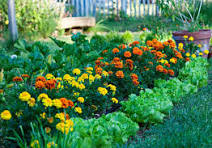
Marigolds are a versatile companion plant that can be used throughout the garden. They help repel nematodes, aphids, and many other pests. Planting marigolds among vegetables can create a pest-resistant barrier.

How Companion Planting Reduces Pests

1. Natural Pest Repellents

Many companion plants have strong scents or produce chemicals that repel pests. For example, herbs like basil, rosemary, and mint can deter insects, while flowers like marigolds release compounds that repel nematodes and other harmful organisms.

2. Trap Crops

Some plants can act as trap crops, drawing pests away from the main crop. Nasturtiums, for example, attract aphids, keeping them away from more valuable plants like cucumbers and tomatoes.

3. Improved Biodiversity

A diverse garden with a variety of plants can confuse pests and reduce their impact. Pests are often attracted to large, monoculture plantings. By mixing different plants, you create a more complex environment that can deter pests and reduce the likelihood of infestations.

4. Beneficial Insects

Certain companion plants attract beneficial insects that prey on pests. For instance, dill and fennel attract ladybugs, lacewings, and parasitic wasps, all of which help control aphids and other harmful insects.

Getting Started with Companion Planting

1. Plan Your Garden Layout

Before planting, take time to plan your garden layout. Consider which plants benefit each other and arrange them accordingly. Use companion planting charts or guides to help you make informed decisions.

2. Rotate Crops

Crop rotation is essential for maintaining soil health and reducing pest problems. Rotate your crops each season to prevent pests and diseases from building up in the soil.

3. Experiment and Observe

Every garden is unique, so don’t be afraid to experiment with different companion planting combinations. Observe how your plants interact and adjust your planting strategies based on what you learn.

Companion planting is a valuable technique for creating a healthy, productive garden. By pairing plants that thrive together, you can boost growth, enhance flavors, and naturally reduce pest problems. As you explore the benefits of companion planting this summer, you’ll discover a more resilient and harmonious garden ecosystem that rewards you with bountiful harvests and fewer pest issues.

Summer Farm Safety Tips: Staying Safe in the Sun and Heat

Summer is a busy time on the farm, with long days dedicated to planting, harvesting, and caring for livestock. While the season brings plenty of sunshine and warmth, it also poses significant risks such as heat stress, dehydration, and sunburn. Staying safe in the sun and heat is crucial for farm workers and farmers alike. Here are some essential summer farm safety tips to ensure you stay healthy and productive during the hottest months.

Hydration is Key

Drink Plenty of Water
– Stay Hydrated: Aim to drink at least 8-10 glasses of water a day, more if you’re working hard or sweating a lot.
– Avoid Dehydrating Beverages: Limit consumption of caffeinated drinks, alcohol, and sugary beverages as they can contribute to dehydration.

Carry a Water Bottle
– Keep Water Accessible: Always have a water bottle with you and take regular breaks to drink, even if you don’t feel thirsty.
– Electrolyte Drinks: Consider drinks with electrolytes to replace lost minerals, especially if you’re sweating heavily.

Wear Appropriate Clothing

Lightweight and Breathable Fabric
– Choose the Right Materials: Wear light-colored, loose-fitting clothing made of breathable fabrics like cotton to help keep you cool.
– **Protective Clothing:** Long sleeves and pants can protect your skin from the sun, as well as from insects and plants that may cause irritation.

Hats and Sunglasses
– **Wide-Brimmed Hats:** Wear a hat with a wide brim to shade your face, neck, and ears from the sun.
– **UV Protection Sunglasses:** Protect your eyes from harmful UV rays with sunglasses that block 100% of UVA and UVB rays.

Use Sunscreen

Apply Generously
– SPF 30 or Higher: Use a broad-spectrum sunscreen with an SPF of at least 30.
– Reapply Often: Reapply sunscreen every two hours, or more often if you’re sweating or working in water.

Take Regular Breaks

Rest in the Shade
– Schedule Breaks:Take regular breaks in a shaded or air-conditioned area to cool down.
– Listen to Your Body: If you feel dizzy, lightheaded, or overly fatigued, stop working and rest immediately.

Work During Cooler Hours
– Avoid Peak Sun:Try to schedule the heaviest or most labor-intensive tasks for early morning or late afternoon when the sun is less intense.

Stay Informed

Weather Updates
– Check the Forecast: Keep an eye on the weather forecast to plan your work accordingly and avoid extreme heat conditions.
– Heat Advisories: Be aware of heat advisories and warnings issued for your area.

Working on a farm during the summer can be rewarding but also poses serious risks if proper precautions are not taken. By staying hydrated, wearing appropriate clothing, using sunscreen, taking regular breaks, and being aware of heat-related illnesses, you can protect yourself and your fellow workers from the dangers of sun and heat exposure. Stay safe, stay cool, and enjoy the productivity and beauty that summer brings to the farm.

Storing Summer Crops: How to Store and Preserve Your Harvest

Summer brings an abundance of fresh fruits and vegetables, but sometimes it’s more than we can consume right away. Learning how to properly store and preserve your summer harvests can help you enjoy the flavors of summer all year round. Here’s a guide to get you started.

1.Understanding Your Crops

Different crops have different storage and preservation needs. Here are some common summer crops and the best methods for storing and preserving them:

– Tomatoes: Best for canning, drying, or freezing.
– Cucumbers: Ideal for pickling.
– Peppers: Great for freezing or drying.
– Zucchini and Summer Squash: Excellent for freezing or drying.
– Berries: Perfect for freezing, making jams, or dehydrating.
– Herbs: Best for drying or freezing.

2. Storing Fresh Produce

Tomatoes
-Counter Storage: Store unripe tomatoes at room temperature until they ripen. Once ripe, consume them within a few days or consider preserving.
– Refrigeration: For ripe tomatoes you can’t use immediately, store in the refrigerator for up to a week, but be aware this can affect their texture and flavor.

Peppers
– Refrigeration: Store in the vegetable drawer. Peppers can last up to two weeks.
– Freezing: Wash, chop, and freeze peppers for later use in cooked dishes.

Zucchini and Summer Squash
– Refrigeration: Store in a perforated plastic bag in the fridge for up to a week.
– Freezing: Blanch in boiling water for 3 minutes, then cool in ice water before freezing.

Berries
– Refrigeration: Store in a single layer on a paper towel-lined tray and cover with plastic wrap. They should last up to a week.
– Freezing:Spread berries on a baking sheet to freeze individually, then transfer to a freezer bag.

3. Preservation Methods

Canning
Canning is a great way to preserve tomatoes, pickles, and jams.

Drying
Drying is perfect for herbs, tomatoes, and peppers. You can use a dehydrator, an oven, or the sun.

– Herbs:  Hang in small bunches in a cool, dry place until completely dry.
– Tomatoes and Peppers: Slice thinly and place in a dehydrator or on a baking sheet in a low oven (around 140°F) until they are leathery.

Freezing
Freezing retains the nutrients and flavor of most fruits and vegetables.

Pickling
Pickling is a popular method for preserving cucumbers, peppers, and other vegetables.

4. Tips for Success

– Quality Matters: Only use fresh, unblemished produce for the best results.
– Follow Recipes: Use tested recipes and methods, especially for canning, to ensure safety.
– Label Everything: Clearly label and date all preserved goods to keep track of their age.
– Store Properly:  Keep canned goods in a cool, dark place and use them within a year for best quality.

With a little effort and the right techniques, you can enjoy the flavors of summer long after the season ends. Whether you’re storing fresh produce in the fridge, canning tomatoes, or drying herbs, preserving your summer harvests ensures you make the most of your garden’s bounty.

The Importance of Local Produce

In a world where convenience often trumps quality, it’s essential to recognize the significant benefits of choosing local produce. Supporting local farmers, enjoying health benefits, and fostering community connections are just a few reasons why local produce matters.

Supporting Local Farmers

Economic Impact:
-Keeping Money Local: When you purchase local produce, you directly support farmers in your community, contributing to the local economy. This ensures that the money you spend stays within the community, creating a positive economic cycle.
– Boosting Local Employment: By supporting local farms, you’re helping sustain jobs and create new ones, boosting the overall economic health of your area.

Sustainable Practices:
– Environmentally Friendly: Local farms often adopt sustainable farming practices that are less harmful to the environment. These methods can include crop rotation, organic farming, and reduced use of pesticides and herbicides.
– Healthier Planet: Supporting local, sustainable farms means you’re contributing to a healthier planet. Sustainable practices reduce soil degradation, preserve water resources, and promote biodiversity.

Health Benefits

Freshness and Nutrition:
– Maximized Nutrients: Local produce is typically fresher because it doesn’t have to travel long distances to reach you. Fresher produce retains more nutrients, providing better health benefits.
– Seasonal Eating:Consuming fresh, seasonal produce can enhance overall health and well-being. Seasonal fruits and vegetables are often at their nutritional peak, offering the best flavor and quality.

Reduced Carbon Footprint:
– Lower Emissions: Buying locally reduces the carbon footprint associated with the transportation of food. This means fewer greenhouse gases are emitted, helping to combat climate change.
– Sustainable Choice: By choosing local produce, you’re making an environmentally sustainable choice that supports long-term ecological health.

Community Connection

Building Relationships:
– Strengthening Bonds:vPurchasing from local farmers and attending events like the Summer Harvest Festival fosters a sense of community. These interactions build relationships and strengthen the bond between farmers and consumers.
Supporting Each Other: When you know where your food comes from and who grows it, you develop a deeper appreciation for the hard work and dedication involved in farming.

Choosing local produce is a simple yet powerful way to support your community, improve your health, and promote environmental sustainability. By supporting local farmers, enjoying fresher and more nutritious food, and fostering community connections, you’re making a positive impact that extends far beyond your kitchen. Embrace the benefits of local produce and become a part of a healthier, more sustainable future.

Savor the Flavors of Summer: Embrace the Joys of Eating Local Fruit

As summer arrives in all its vibrant glory, it brings with it an abundance of delicious and nutritious local fruits. From luscious berries to juicy watermelons, there’s no better time to indulge in the bountiful harvest of nature’s sweetness. Eating local fruit not only tantalizes our taste buds but also presents a myriad of benefits that extend beyond the palate.

One of the most significant advantages of consuming local fruit is its freshness. Unlike fruits that travel long distances, local produce is picked at its peak ripeness, ensuring maximum flavor and nutritional value. It’s a delight to relish the explosion of natural sweetness, a true gift from the sun and soil of our region.

Supporting local farmers is another compelling reason to choose locally grown fruit. By purchasing from nearby orchards and farmers’ markets, we contribute to the growth of our local economy and strengthen our community. Moreover, reducing the carbon footprint associated with transporting produce from distant places promotes sustainability and a healthier environment.

Eating seasonal and local fruit introduces us to a diverse array of flavors and varieties. As the summer unfolds, we can savor succulent peaches, refreshing melons, and tangy cherries, all offering unique taste experiences that change with each passing week.

Beyond the sheer pleasure of consumption, local fruit packs a nutritional punch. Rich in essential vitamins, minerals, and antioxidants, it fortifies our bodies against summer heat while nourishing our overall well-being.

So, this summer, let’s seize the opportunity to enjoy nature’s bounty right at our doorstep. Indulging in the freshest, locally grown fruits not only delights our senses but also brings us closer to our community, the environment, and the essence of this glorious season. So, head to your local farmers’ market, support the growers, and embark on a delectable journey of savoring the flavors of summer.

https://snaped.fns.usda.gov/resources/nutrition-education-materials/seasonal-produce-guide