Embrace the Unexpected: The Joy of Chaos Gardening

Have you heard of chaos gardening? Or maybe wildflower gardening? Or freestyle gardening? No matter what you call it, this carefree gardening trend is all about letting nature take the lead—and it might be just the breath of fresh air your yard needs.

What Is Chaos Gardening?

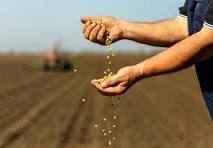
Chaos gardening is the act of scattering seeds without a strict plan or layout. Think of it as gardening with a sense of adventure. Instead of planting in tidy rows or perfectly coordinated colors, you toss a variety of seeds into the soil and let nature do its thing.

You might be surprised by what grows—and that’s part of the fun.

Why Try Chaos Gardening?

  1. Low stress, high reward – No pressure to plan the perfect layout or stress over spacing.
  2. Pollinator-friendly – A mix of flowers and herbs can attract bees, butterflies, and other beneficial insects.
  3. Budget-friendly – Use leftover seed packets, saved seeds, or inexpensive seed mixes.
  4. Fun for all ages – A perfect way to involve kids or spark your own childlike wonder.
  5. A beautiful surprise – Each season becomes a mini mystery, with something new popping up.

A Few Tips for Successful Chaos

  • Loosen the soil before scattering your seeds for better germination.
  • Water regularly, especially at first, until your seedlings are established.
  • Use a mix of annuals and perennials for continuous color year after year.
  • Be patient—chaos gardening takes time, but the results are worth it.

Let Nature Be Your Artist

Not every plant will thrive. Not every bloom will be perfectly placed. But that’s okay. Chaos gardening teaches us to let go, experiment, and celebrate the wild beauty of imperfection.

https://www.realsimple.com/chaos-gardening-method-11710310

You Can’t Rush the Harvest: Why Patience Is Power

In the garden, you don’t plant a seed and dig it up the next day to see if it’s growing.

You plant, you water, you tend—and you wait. It takes time. The sun, the rain, the soil, and the quiet days when nothing seems to be happening all play a part. And then—almost like magic—growth begins to show.

But it’s not magic. It’s patience.

Rushing Doesn’t Help the Crop Grow Faster

We live in a world of quick answers and instant results. We want transformation by next week. Success overnight. Change in a flash. But real things—the things that matter—don’t work like that.

Whether it’s your career, your relationships, your health, or your dreams, rushing the process won’t bring the results any sooner. It often leads to frustration, burnout, or giving up too soon.

The Lost Art of Patience

Patience is becoming a lost art, but it’s one of the most powerful tools we have. When you learn to wait well—to keep showing up, keep nurturing, keep believing even when nothing seems to be happening—that’s when the real transformation takes root.

There’s a quiet strength in patience. It doesn’t mean sitting still and doing nothing. It means continuing with faith and trust that your effort is not wasted.

In the Right Season, With the Right Conditions, Growth Happens

You can’t control everything. You can only control what you plant, how you care for it, and whether you stick with it. The rest? That’s timing, environment, and a bit of grace.

So plant the seeds. Tend your soil. Water your dreams. And then… trust.

In the right season, when the conditions align, the results will show up—and they’ll be worth the wait.

Don’t give up because you don’t see instant growth. Stay patient. Stay steady. The harvest is coming.

Valentine’s Day and Seeing Success in Your Garden: A Love Story with Your Plants

Valentine’s Day is a time to celebrate love, and what better way to honor this day than by recognizing the growth and beauty around us, especially in our gardens? Gardens, like relationships, require patience, care, and dedication. And as the season begins to change, there’s no better time to reflect on the love you’ve poured into your garden and the success you’re seeing as a result.

The Love and Care Your Garden Needs

Much like any meaningful relationship, gardening takes time and effort. It’s not just about planting seeds and hoping for the best—it’s about consistently caring for your plants, giving them the right conditions to thrive, and tending to them with love.

  • Prepare Your Soil: Just as we need a solid foundation in relationships, your garden needs nutrient-rich soil. Fertilize, aerate, and ensure that the soil is ready for your plants to grow strong.
  • Water and Feed: Love requires nourishment, and so does your garden. Regular watering and feeding are essential to ensure that your plants have everything they need to flourish.
  • Patience: Growth doesn’t happen overnight. Just like in life and love, you need to be patient and allow time for things to develop. Keep tending to your garden, and over time, you’ll see the fruits of your labor.

Signs of Success in Your Garden

As you work through the season, you’ll start to see signs of success in your garden. Here are a few heartwarming moments to look forward to:

  • First Sprouts: The first little green shoots poking through the soil are a beautiful reminder that all your hard work is paying off. These sprouts symbolize the beginning of something amazing.
  • Blooming Flowers: There’s nothing quite like the joy of seeing your plants bloom. Whether it’s the first flower of the season or a vibrant new crop of veggies, blooming plants signify your garden’s success and your care.
  • Healthy Growth: As your plants continue to grow strong and vibrant, you’ll see the evidence of your efforts. Healthy leaves, sturdy stems, and abundant flowers or fruits are all signs that your garden is thriving.

Love Your Garden, and It Will Love You Back

Much like love itself, gardening is a journey filled with ups and downs. Some days your plants may struggle, and other days, they may soar. But through it all, the key is to remain dedicated and to find joy in the small moments. Success in gardening isn’t always about achieving perfection—it’s about nurturing life and finding beauty in the process.

So, this Valentine’s Day, take a moment to appreciate the success in your garden. Celebrate the growth you’ve witnessed, both in your plants and in your own life. The love you give to your garden is returned in the form of flowers, fresh vegetables, and the joy of seeing life thrive.

Happy Valentine’s Day—may your garden always grow strong, and may the love you cultivate within it bring you endless joy! 🌹🌱

Urban Farming in Detroit: A Story of Resilience and Renewal

Detroit, once known as the heart of the American automotive industry, experienced a steep economic downturn and population decline in the late 20th and early 21st centuries. Many neighborhoods fell into disrepair, and vast areas of the city were left abandoned. But in the face of adversity, Detroit found an unlikely path to renewal: urban farming.

One shining example of this resurgence is the work of Malik Yakini, a passionate advocate for food security, sustainability, and community empowerment. Yakini founded the Detroit Black Community Food Security Network (DBCFSN), a non-profit organization that aims to empower Detroit’s Black community through access to healthy, locally grown food.

Through the efforts of DBCFSN and other community-driven initiatives, vacant lots across Detroit were transformed into vibrant gardens and farms. These urban farming projects not only addressed food insecurity but also nurtured a deeper sense of community resilience, education, and cultural reconnection.

The Power of Urban Farming

Urban farming in Detroit goes beyond growing food; it’s about growing hope and creating a sense of belonging. In a city where vacant lots once stood as symbols of decay, these new green spaces are now symbols of revival. They represent a shift in how residents view their city and their future.

As neighborhoods come together to tend the land, they also tend to one another. Urban farming fosters a sense of community as people collaborate on shared projects. Whether it’s planting vegetables in community gardens or organizing food markets, these efforts help combat the isolation that can come with economic hardship.

Food Security: A Key to Resilience

One of the main goals of Detroit’s urban farming movement is to address food insecurity. Detroit has long struggled with limited access to fresh, healthy food. According to a 2020 report, approximately 1 in 4 Detroit residents live in food deserts, areas where grocery stores are scarce, and access to fresh produce is limited.

Urban farming provides a solution by growing food locally, making it more accessible and affordable. Farms like the DBCFSN’s Oakland Avenue Urban Farm are providing residents with fresh produce, educational programs on nutrition, and the opportunity to learn about sustainable farming practices.

Education and Cultural Reconnection

Urban farming also plays a significant role in reconnecting communities with their cultural roots and history. For many residents, especially those in marginalized neighborhoods, farming provides an opportunity to reconnect with ancestral traditions. Learning to grow food in the same way their ancestors did is an empowering act that helps rebuild a sense of pride and heritage.

Additionally, urban farming creates space for education. Local schools and community centers partner with urban farms to offer educational programs for children and adults alike. From learning how to plant seeds to understanding the science of soil, these hands-on lessons provide invaluable knowledge while encouraging the younger generation to take an active role in the future of their community.

Looking Toward the Future

While the transformation of Detroit’s urban landscape through farming is already impressive, the potential for growth is even greater. As the city continues to rebuild, urban agriculture can play a central role in shaping a healthier, more sustainable future. The community-building aspect of these initiatives is essential for long-term success, as it empowers residents to take ownership of their neighborhoods and their futures.

In the coming years, Detroit could become a national leader in urban farming, offering valuable lessons on how to transform vacant spaces into productive, thriving hubs. With the continued efforts of passionate individuals like Malik Yakini, the city’s future is one where resilience, education, and food security are cultivated—one garden at a time.

Detroit’s story is a powerful testament to the resilience of communities and the transformative power of urban farming. Through initiatives like the Detroit Black Community Food Security Network, the city is not only growing food but also growing its future. The urban farming movement is more than just a solution to food insecurity—it’s a way to build stronger, more connected communities that are ready to face whatever challenges the future holds.

Urban farming is more than an agricultural revolution. It’s a cultural, educational, and social one, proving that even in the most challenging times, there is room for growth—both in the soil and in the spirit of a community.

The Cracked Pot: Embracing Imperfections and Finding Beauty in Flaws

There’s a story that’s been passed down through generations, known as “The Cracked Pot,” and it’s a powerful reminder that imperfections often bring the most unexpected beauty into our lives.

The Story of the Cracked Pot

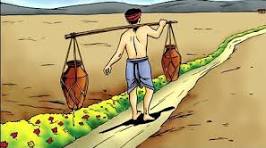
Imagine a farmer with two water-carrying pots. Each day, the farmer uses these pots to fetch water from the stream to nourish his crops. However, one of the pots has a crack, and by the time the farmer returns home, a good portion of the water it carries leaks out. The second pot, on the other hand, is perfect and always delivers its full load of water.

Over time, the cracked pot begins to feel ashamed of its imperfection. It wonders why it cannot be as efficient as the unbroken pot and often feels that it is failing in its task. Every day, it looks at the other pot and wonders why it is “flawed.”

One day, after years of service, the cracked pot finally speaks up to the farmer, apologizing for its imperfection. It says, “I am so sorry. I can’t carry as much water as the other pot. I am not as good as it.”

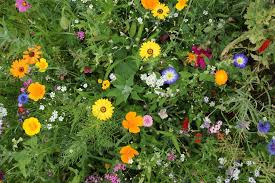
The farmer listens quietly and then replies, “Have you noticed something beautiful about your imperfection? While you leak water on the side, you’ve allowed flowers to grow along the path. Without your crack, the flowers would not be there. Every day, you’ve nourished the earth with water, and in turn, these beautiful flowers have blossomed.”

Embracing Imperfection

The cracked pot’s story is a reflection of how we often view our own flaws. We are conditioned to strive for perfection, especially in a world where success, wealth, and beauty are often defined by flawless appearances and outcomes. The cracked pot’s insecurity about its imperfection mirrors how many of us feel about our own perceived shortcomings.

But just like the cracked pot, it’s essential to recognize that our imperfections can sometimes be the very things that lead to growth and beauty, both in our lives and in the world around us. While we might strive to improve ourselves and our situations, we also need to accept that there is beauty in vulnerability, mistakes, and flaws.

The Beauty of Flaws

The beauty that bloomed along the cracked pot’s path wasn’t something that could have been planned or predicted. It was a natural result of the pot’s imperfections. This story teaches us that imperfection doesn’t mean failure; it can be a source of unexpected blessings.

We all have cracks—whether they be in our careers, relationships, or our self-image—but it’s these very cracks that can lead to the most profound experiences, growth, and discoveries. Sometimes, what we perceive as weaknesses are actually our greatest strengths, offering opportunities for connection, growth, and innovation that wouldn’t exist without them.

Finding the Beauty in Our Imperfections

Rather than hiding or being ashamed of our flaws, we can learn to embrace them. Here are a few ways to cultivate appreciation for our imperfections:

  1. Shift Your Perspective: Try to see your flaws not as failures, but as opportunities to grow, learn, and improve. What can you discover from them that you might otherwise miss?
  2. Celebrate Your Journey: Every mistake, every imperfection, is part of your story. Celebrate your progress and how far you’ve come, even if you haven’t reached “perfection.”
  3. Use Your Imperfections to Connect: Share your struggles with others, and you’ll likely find that people are drawn to your authenticity. Your imperfections can foster deeper connections and understanding.
  4. Recognize the Beauty of the Unexpected: Just as the flowers grew because of the cracked pot, you may find that your flaws lead to unexpected joys and blessings. Be open to discovering the beauty that can emerge from what you once saw as a limitation.

The cracked pot story is a beautiful reminder that imperfections are not something to be ashamed of but rather to embrace. It’s in our flaws that we often find our most unique qualities and where we discover the hidden potential for growth, beauty, and connection.

So, next time you find yourself feeling like the cracked pot, remember that your imperfections might just be the very thing that makes your journey—and the world around you—more beautiful. Just like the flowers that bloomed along the pot’s path, your flaws may give rise to something more beautiful than you could ever have imagined.

Protecting Your Plants from Winter’s Chill: Essential Tips for Cold Weather Care

As temperatures drop, your garden needs extra protection to survive the harsh winter weather. Cold temperatures, frost, and snow can be damaging to plants, especially those that are not frost-tolerant. Fortunately, there are several steps you can take to help your plants weather the cold. Here are some essential tips for protecting your plants during the colder months:

1. Water Before a Freeze

Watering your plants ahead of a freeze is an important step in protecting them from winter damage. When the soil is moist, it holds more heat than dry soil, which can help moderate temperature fluctuations around the roots. Make sure to thoroughly water your garden beds before a freeze, but avoid overwatering. The moisture helps prevent the plant cells from freezing, giving them a better chance to survive extreme cold.

Be mindful of the time of day when watering. It’s best to water in the morning to allow the moisture to soak in and have time to be absorbed before temperatures drop significantly in the evening.

2. Add Mulch for Insulation

Mulching is a simple yet effective way to protect your plants’ roots during the winter. A thick layer of mulch, such as straw, wood chips, or leaves, helps insulate the soil and keep the root system at a more stable temperature. Mulch helps prevent the soil from freezing and thawing rapidly, which can stress plants and lead to frost heaving (when the roots are lifted out of the ground due to expansion from freezing and thawing).

Add mulch around the base of your plants, particularly perennials, shrubs, and trees, to provide them with an extra layer of protection. For best results, aim for 2 to 4 inches of mulch, but be careful not to pile it directly against the stems or trunks of plants to avoid moisture build-up, which could lead to rot.

3. Cover Garden Beds for Extra Protection

Covering garden beds is one of the best ways to shield your plants from the cold. Use materials such as plastic sheeting, frost blankets, or old sheets to cover the plants in your garden. These coverings trap heat and moisture, creating a mini-greenhouse effect that helps protect plants from freezing temperatures.

When covering garden beds, make sure the material is secure to avoid blowing away in the wind. If using plastic, create a tent-like structure over your plants to ensure adequate airflow. Avoid allowing the plastic to come into direct contact with the plants, as this can cause frost burn.

If you’re using a fabric covering, ensure it is designed for frost protection and allows light and moisture to penetrate while still shielding your plants from cold air.

4. Protect Container Plants

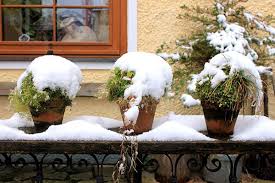
Potted plants are especially vulnerable to the cold, as their roots are more exposed than those planted in the ground. To help them survive freezing temperatures, bring potted plants closer to the foundation of your house or place them under eaves where the temperature tends to be warmer. The heat retained by the house will provide a more stable environment for your plants.

If bringing plants indoors is not an option, cover your container plants with frost cloth or heat-retentive blankets. These materials help shield the plants from the cold while maintaining warmth around the roots. You can also wrap the pots themselves in burlap or bubble wrap to help insulate them from the cold.

Winter can be a tough time for plants, but with the right precautions, you can ensure that your garden remains healthy and vibrant despite the cold. By watering properly, mulching, covering garden beds, and protecting container plants, you’re giving your garden the best chance to survive the winter months and thrive in the spring.

The Farmer and the Seeds: Planting for a Fruitful Life

The parable of The Farmer and the Seeds (traditional) offers a powerful lesson in understanding how our environment and mindset shape the results we achieve. In this story, a farmer scatters seeds, which fall on different types of soil: the hard path, rocky ground, thorny bushes, and good soil. While the seeds on the good soil yield a fruitful harvest, the others fail to grow.

What does this teach us? It emphasizes that the conditions we cultivate in our lives—whether through our mindset, the relationships we nurture, or the environments we place ourselves in—directly affect the outcomes we experience.

  1. Mindset: Like the good soil, a positive and growth-oriented mindset is essential for success. When we approach challenges with resilience and determination, we foster the conditions for growth, even when times are tough.
  2. Environment: Surrounding ourselves with supportive and nurturing people (like good soil) encourages personal development and success. Just as seeds need the right environment to flourish, we too need to ensure that our environments—work, home, and social circles—are conducive to our growth.
  3. Relationships: Relationships, like soil, play a significant role in our personal growth. Some relationships may drain or hinder us, while others can cultivate our abilities and encourage us to reach our potential.

As we begin this new year, reflect on your own “soil.” Are you setting yourself up for success by nurturing the right mindset, cultivating supportive relationships, and surrounding yourself with a positive environment? Small changes to these areas can have a significant impact on the results you achieve.

Remember, just as the farmer’s good soil yields an abundant harvest, the conditions you create today will shape your future.

Ground Cover Plants: Low Maintenance Beauty for Any Spot

If you’re looking for a low-maintenance way to add color and texture to your garden while preventing weeds, ground cover plants are an excellent choice. These versatile plants can thrive in both sunny and shady spots, making them a valuable addition to any landscape. Here’s a closer look at why ground cover plants are such a great option and how they can enhance your garden

Benefits of Ground Cover Plants

1. Weed Prevention

One of the primary benefits of ground cover plants is their ability to suppress weeds. By forming a dense mat of foliage, these plants block sunlight from reaching weed seeds and seedlings, effectively preventing them from taking root and spreading. This natural weed control reduces the need for chemical herbicides and manual weeding, saving you time and effort.

2. Low Maintenance

Ground cover plants are known for their minimal maintenance requirements. Once established, they typically need little more than occasional watering and pruning. Many varieties are drought-tolerant and adaptable to different soil types, making them an ideal choice for busy gardeners or those new to gardening.

3. Versatility

Ground covers are incredibly versatile and can be used in a variety of garden settings. Whether you have a sunny garden bed, a shaded corner, or an area with poor soil, there’s a ground cover plant that will thrive in those conditions. Their adaptability allows you to use them in diverse garden spaces, enhancing the overall look and functionality of your landscape.

4. Aesthetic Appeal

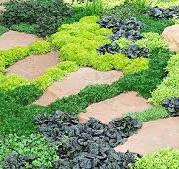
Ground cover plants come in a wide range of colors, textures, and growth habits, adding visual interest and beauty to your garden. From vibrant blooms to lush green foliage, these plants can create a stunning carpet of color that complements other garden features. They are perfect for filling in bare spots, edging pathways, or covering slopes.

5. Erosion Control

In addition to their aesthetic and practical benefits, ground cover plants can help control soil erosion. Their extensive root systems stabilize the soil, preventing it from washing away during heavy rain or wind. This makes them particularly useful for planting on slopes or areas prone to erosion.

Best Ground Cover Plants for Different Conditions

– Sunny Areas:
– Creeping Thyme: Known for its fragrant foliage and small, colorful flowers, creeping thyme is a hardy ground cover that thrives in full sun.
– Sedum (Stonecrop): This drought-tolerant plant comes in various shapes and colors, providing excellent coverage and texture in sunny spots.
– Lamb’s Ear: With its soft, silvery leaves and low-growing habit, lamb’s ear adds a unique texture to sunny garden beds.

– Shaded Areas:
– Creeping Jenny (Lysimachia nummularia): This plant has a vibrant green and gold foliage that adds color to shaded or partially shaded areas.
– Pachysandra: A classic ground cover for shade, pachysandra creates a lush, green carpet and is ideal for under trees or along shaded pathways.
– Hosta:While primarily known for its large, attractive leaves, hosta can also function as a ground cover in shady garden spots.

How to Plant and Care for Ground Cover

– Planting:Prepare the soil by removing weeds and amending it with compost if needed. Space the plants according to their recommended distances to allow for proper spreading. Water thoroughly after planting.

– Maintenance: While ground cover plants are generally low-maintenance, they may require occasional trimming to keep them looking their best. Mulching can help retain moisture and further suppress weeds.

– Monitoring:Keep an eye on their growth and health, ensuring they don’t become too invasive or overtake other plants. Regular checks will help you manage their spread and maintain a balanced garden.

Ground cover plants offer a practical and beautiful solution for garden maintenance. Their ability to add color, control weeds, and thrive in various light conditions makes them a valuable addition to any landscape. Whether you’re filling in bare spots, preventing erosion, or simply enhancing your garden’s aesthetics, ground cover plants are an excellent choice for creating a low-maintenance, vibrant garden. Explore the variety of options available and transform your garden with these versatile and charming plants.

DIY Raised Herb Garden with Pallets: An Eco-Friendly Solution for Herb Enthusiasts

If you’re passionate about gardening but lack space or resources for a traditional garden bed, look no further than “How to Build a Raised Herb Garden with Pallets.” This informative video offers an ingenious and budget-friendly solution for creating a thriving herb garden using repurposed pallets. In just a few simple steps, you can transform discarded pallets into a beautiful and functional raised herb garden that adds freshness and flavor to your culinary adventures.

Step-by-Step Guide:

The video takes you through the entire process, starting with disassembling the pallets and preparing the wood for construction. With some basic tools and minimal effort, you can turn the pallets into sturdy and rustic garden bed frames.

Once the frames are ready, the video demonstrates how to fill them with nutrient-rich soil, ensuring the perfect environment for your herbs to flourish. Finally, it showcases the planting process, providing valuable tips on herb selection and spacing.

Affordable and Creative:

Building a raised herb garden with pallets is not only eco-friendly, but it also offers an affordable and creative alternative for herb enthusiasts. The versatility of pallets allows you to customize the garden bed to fit any available space, whether it’s a small balcony or a corner of your backyard.

With “How to Build a Raised Herb Garden with Pallets” as your guide, you can embark on a rewarding DIY project that brings the joy of gardening to any space. This eco-friendly solution offers not only a practical herb garden but also a testament to creativity and sustainability. So, gather your pallets and get ready to nurture your own little green oasis, adding fresh and aromatic flavors to your culinary creations. 🌿🌱 #DIYGarden #RaisedHerbGarden #PalletProjects

https://www.realtor.com/videos/how-to-build-a-raised-herb-garden-with-pallets/456b5ac4-fd69-41d8-a665-c136993e29a3/

Savor the Flavors of Summer: Embrace the Joys of Eating Local Fruit

As summer arrives in all its vibrant glory, it brings with it an abundance of delicious and nutritious local fruits. From luscious berries to juicy watermelons, there’s no better time to indulge in the bountiful harvest of nature’s sweetness. Eating local fruit not only tantalizes our taste buds but also presents a myriad of benefits that extend beyond the palate.

One of the most significant advantages of consuming local fruit is its freshness. Unlike fruits that travel long distances, local produce is picked at its peak ripeness, ensuring maximum flavor and nutritional value. It’s a delight to relish the explosion of natural sweetness, a true gift from the sun and soil of our region.

Supporting local farmers is another compelling reason to choose locally grown fruit. By purchasing from nearby orchards and farmers’ markets, we contribute to the growth of our local economy and strengthen our community. Moreover, reducing the carbon footprint associated with transporting produce from distant places promotes sustainability and a healthier environment.

Eating seasonal and local fruit introduces us to a diverse array of flavors and varieties. As the summer unfolds, we can savor succulent peaches, refreshing melons, and tangy cherries, all offering unique taste experiences that change with each passing week.

Beyond the sheer pleasure of consumption, local fruit packs a nutritional punch. Rich in essential vitamins, minerals, and antioxidants, it fortifies our bodies against summer heat while nourishing our overall well-being.

So, this summer, let’s seize the opportunity to enjoy nature’s bounty right at our doorstep. Indulging in the freshest, locally grown fruits not only delights our senses but also brings us closer to our community, the environment, and the essence of this glorious season. So, head to your local farmers’ market, support the growers, and embark on a delectable journey of savoring the flavors of summer.

https://snaped.fns.usda.gov/resources/nutrition-education-materials/seasonal-produce-guide