Easy-to-Grow Plants for Your Garden: Start with Lettuce and More

Starting a garden can feel overwhelming, especially if you’re new to gardening or unsure about what to plant. The good news is that some plants are incredibly easy to grow, making them perfect for beginners or those looking to expand their gardening skills without much hassle. One of the best choices to start with is lettuce, a versatile and fast-growing plant that requires minimal effort. Let’s explore why lettuce and a few other plants are perfect for beginners and how you can easily grow them in your garden.

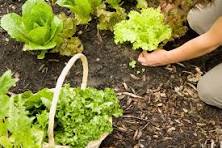
1. Lettuce: The Perfect Starter Plant

Lettuce is one of the most forgiving plants to grow, making it ideal for new gardeners. Here’s why lettuce is a great choice:

– Quick Growth: Lettuce has a relatively short growing period. Some varieties can be harvested in as little as 30 days, allowing you to enjoy fresh greens soon after planting.

– Low Maintenance: Lettuce doesn’t require much attention. It thrives in cooler weather and can be planted in both spring and fall. Plus, it’s resistant to many common pests, especially if grown in a well-prepared garden bed or container.

– Continuous Harvest: With lettuce, you can use the “cut-and-come-again” method. This means you can harvest outer leaves as needed, and the plant will continue to produce more. This makes it a sustainable choice for fresh salads throughout the season.

– Variety of Choices: There are many types of lettuce, from romaine to butterhead to leaf lettuce, allowing you to experiment with different flavors and textures.

2. Radishes: Quick and Rewarding

Radishes are another great option for beginner gardeners. They grow quickly, with some varieties maturing in just 3-4 weeks. Radishes thrive in cooler weather and can be planted in early spring or fall. They are also a great way to add some color and spice to your garden and meals.

3. Spinach: Nutrient-Packed and Easy to Grow

Spinach is not only easy to grow but also packed with nutrients. It grows well in cool weather and can be planted in early spring or fall. Spinach leaves can be harvested as they grow, providing a steady supply of fresh greens for salads, smoothies, and cooking.

4. Cherry Tomatoes: Little Gems for Your Garden

Cherry tomatoes are perfect for those looking to grow their own tomatoes without the fuss. They require minimal space and can even be grown in containers. Once they start producing, cherry tomatoes offer a bountiful harvest throughout the summer with little effort.

5. Herbs: Basil, Mint, and More

Herbs like basil and mint are easy to grow and can thrive in pots or garden beds. They require little space and provide fresh flavors for cooking. Basil enjoys the warm summer months, while mint is quite hardy and can grow in a variety of conditions.

Tips for Growing Easy Plants in Your Garden

1. Choose the Right Location: Most easy-to-grow plants need plenty of sunlight. Choose a spot in your garden that receives at least 4-6 hours of sun each day.

2. Prepare the Soil: Good soil is key to a healthy garden. Use well-draining soil enriched with compost or organic matter to provide the nutrients your plants need.

3. Water Regularly but Wisely: While these plants are low-maintenance, they still need consistent watering. Water deeply but less frequently to encourage deep root growth.

4. Protect from Pests: Although many easy-to-grow plants are resistant to pests, it’s always a good idea to keep an eye out for any signs of trouble. Simple measures like row covers or natural repellents can help protect your plants.

5. Harvest Often: Regular harvesting encourages plants like lettuce and herbs to continue producing. Enjoy the fruits (and vegetables) of your labor as often as possible!

Starting a garden doesn’t have to be intimidating. By choosing easy-to-grow plants like lettuce, radishes, spinach, cherry tomatoes, and herbs, you can enjoy the benefits of home-grown produce with minimal effort. These plants are perfect for beginners, providing a great introduction to gardening that’s both fun and rewarding.

Slaw: The Salad of Summer

https://smittenkitchen.com/

Summer… it’s time to embrace the vibrant flavors and fresh ingredients that define the season. Among the array of delicious salads that come with warmer weather, slaw stands out as a particularly refreshing and versatile option. Whether you’re hosting a backyard barbecue, preparing a family dinner, or simply looking for a crisp, healthy side, slaw is the perfect choice. Let’s dive into why slaw deserves a place at your summer table and how to make it shine.

Why Slaw is the Perfect Summer Salad

1. Crisp and Refreshing
Slaw’s crunchy texture and crisp flavors make it incredibly refreshing on a hot summer day. The combination of cabbage, carrots, and other fresh vegetables provides a satisfying crunch that complements grilled meats and other summer dishes.

2. Versatile and Customizable
One of the best things about slaw is its versatility. While the classic version includes cabbage and carrots, you can customize it with a variety of ingredients. Add apples, radishes, or bell peppers for extra crunch and flavor. Experiment with different dressings, such as a tangy vinaigrette or a creamy mayo-based sauce, to find your perfect blend.

3. Nutrient-Rich
Slaw is not only delicious but also packed with nutrients. Cabbage is rich in vitamins C and K, while carrots provide a good dose of beta-carotene. Adding other vegetables and fruits can boost the nutritional value even further, making slaw a healthful choice for any meal.

4. Easy to Prepare
Preparing slaw is quick and simple. Shred or chop your vegetables, mix them together, and toss with your favorite dressing. It can be made ahead of time and stored in the refrigerator, allowing the flavors to meld together and making it an ideal option for meal prepping.

Creative Variations

1. Asian Slaw: Add sliced almonds, mandarin oranges, and a sesame-ginger dressing for a twist on the classic.

2. Southwestern Slaw: Mix in black beans, corn, and a lime-cilantro dressing for a southwestern flair.

3. Apple and Cranberry Slaw: Incorporate thinly sliced apples and dried cranberries with a honey mustard dressing for a sweet and tangy variation.

Pairing Slaw with Summer Meals

Slaw pairs wonderfully with a variety of summer dishes. Serve it alongside grilled chicken, burgers, or fish tacos for a well-rounded meal. It also makes a great topping for sandwiches and wraps, adding a crunch and burst of flavor.

In summary, slaw is more than just a side dish—it’s a versatile, nutritious, and delicious addition to any summer menu. Its refreshing crunch and customizable flavors make it a favorite for outdoor gatherings and everyday meals alike. So, embrace the season and make slaw the star of your summer table!

poolside sesame slaw

Understanding Bloated Meat Packaging: Is Your Meat Still Safe to Eat?

Have you ever picked up a package of ground beef or steak from the grocery store only to find it encased in bloated plastic packaging? It can be concerning, especially when you’re unsure if the meat is still safe to eat. Let’s dive into why meat packaging bloats and what you should do if you encounter it.

What Causes Meat Packaging to Bloat?

There are a couple of reasons why you might find your meat packaging swelling with air. One common cause is a process called Modified Atmosphere Packaging (MAP). According to the United States Department of Agriculture (USDA), MAP replaces some or all of the oxygen in the package with other gases like nitrogen and carbon dioxide. This process slows microbial growth and oxidation, preserving the meat’s freshness, quality, and color while reducing food waste.

Jessica Gavin, a Certified Food Scientist, explains that puffiness in packaging is normal with MAP. However, excessive bloating can indicate microbial spoilage from gases produced by bacteria. This is especially true for meat with high unsaturated fats or high pH levels, which spoil faster and benefit from vacuum sealing to eliminate oxygen completely.

Is It Safe to Eat Meat in Bloated Packaging?

The big question is whether you should eat meat from bloated packaging. According to Gavin, if the bloating is due to microbial contamination, it’s best to avoid eating the meat. While not all spoilage organisms are harmful, some can cause off flavors, odors, or color changes. Meat packages that are only slightly puffy due to MAP might still be safe, but it’s better to be cautious.

Katie Heil, a Certified Professional in Food Safety, advises avoiding bloated vacuum-sealed products as they are likely spoiled. It’s always better to err on the side of caution when it comes to food safety.

Safety Tips for Buying Meat

When purchasing meat, there are a few important factors to consider:

1. Temperature: Ensure the meat is refrigerated at the correct temperature of below 41°F. Look for condensation in or on the packaging or overcrowded refrigeration units, which might indicate improper temperature control.

2. Package Integrity: Check that the packaging is clean and intact. Avoid items with leaking or bulging packages.

3. Color, Odor, and Texture: Don’t buy meat with unexpected color, smell, or sliminess. Press on the meat; if it leaves an imprint, it’s best to avoid it.

Bloated meat packaging can be a sign of spoilage or simply a result of MAP. However, it’s crucial to be cautious. Avoid consuming meat from overly bloated packages and follow safety tips when buying meat to ensure you’re getting a fresh and safe product.

https://www.yahoo.com/lifestyle/now-know-why-meat-packaging-190000754.html


Storing Summer Crops: How to Store and Preserve Your Harvest

Summer brings an abundance of fresh fruits and vegetables, but sometimes it’s more than we can consume right away. Learning how to properly store and preserve your summer harvests can help you enjoy the flavors of summer all year round. Here’s a guide to get you started.

1.Understanding Your Crops

Different crops have different storage and preservation needs. Here are some common summer crops and the best methods for storing and preserving them:

– Tomatoes: Best for canning, drying, or freezing.
– Cucumbers: Ideal for pickling.
– Peppers: Great for freezing or drying.
– Zucchini and Summer Squash: Excellent for freezing or drying.
– Berries: Perfect for freezing, making jams, or dehydrating.
– Herbs: Best for drying or freezing.

2. Storing Fresh Produce

Tomatoes
-Counter Storage: Store unripe tomatoes at room temperature until they ripen. Once ripe, consume them within a few days or consider preserving.
– Refrigeration: For ripe tomatoes you can’t use immediately, store in the refrigerator for up to a week, but be aware this can affect their texture and flavor.

Peppers
– Refrigeration: Store in the vegetable drawer. Peppers can last up to two weeks.
– Freezing: Wash, chop, and freeze peppers for later use in cooked dishes.

Zucchini and Summer Squash
– Refrigeration: Store in a perforated plastic bag in the fridge for up to a week.
– Freezing: Blanch in boiling water for 3 minutes, then cool in ice water before freezing.

Berries
– Refrigeration: Store in a single layer on a paper towel-lined tray and cover with plastic wrap. They should last up to a week.
– Freezing:Spread berries on a baking sheet to freeze individually, then transfer to a freezer bag.

3. Preservation Methods

Canning
Canning is a great way to preserve tomatoes, pickles, and jams.

Drying
Drying is perfect for herbs, tomatoes, and peppers. You can use a dehydrator, an oven, or the sun.

– Herbs:  Hang in small bunches in a cool, dry place until completely dry.
– Tomatoes and Peppers: Slice thinly and place in a dehydrator or on a baking sheet in a low oven (around 140°F) until they are leathery.

Freezing
Freezing retains the nutrients and flavor of most fruits and vegetables.

Pickling
Pickling is a popular method for preserving cucumbers, peppers, and other vegetables.

4. Tips for Success

– Quality Matters: Only use fresh, unblemished produce for the best results.
– Follow Recipes: Use tested recipes and methods, especially for canning, to ensure safety.
– Label Everything: Clearly label and date all preserved goods to keep track of their age.
– Store Properly:  Keep canned goods in a cool, dark place and use them within a year for best quality.

With a little effort and the right techniques, you can enjoy the flavors of summer long after the season ends. Whether you’re storing fresh produce in the fridge, canning tomatoes, or drying herbs, preserving your summer harvests ensures you make the most of your garden’s bounty.

The Importance of Local Produce

In a world where convenience often trumps quality, it’s essential to recognize the significant benefits of choosing local produce. Supporting local farmers, enjoying health benefits, and fostering community connections are just a few reasons why local produce matters.

Supporting Local Farmers

Economic Impact:
-Keeping Money Local: When you purchase local produce, you directly support farmers in your community, contributing to the local economy. This ensures that the money you spend stays within the community, creating a positive economic cycle.
– Boosting Local Employment: By supporting local farms, you’re helping sustain jobs and create new ones, boosting the overall economic health of your area.

Sustainable Practices:
– Environmentally Friendly: Local farms often adopt sustainable farming practices that are less harmful to the environment. These methods can include crop rotation, organic farming, and reduced use of pesticides and herbicides.
– Healthier Planet: Supporting local, sustainable farms means you’re contributing to a healthier planet. Sustainable practices reduce soil degradation, preserve water resources, and promote biodiversity.

Health Benefits

Freshness and Nutrition:
– Maximized Nutrients: Local produce is typically fresher because it doesn’t have to travel long distances to reach you. Fresher produce retains more nutrients, providing better health benefits.
– Seasonal Eating:Consuming fresh, seasonal produce can enhance overall health and well-being. Seasonal fruits and vegetables are often at their nutritional peak, offering the best flavor and quality.

Reduced Carbon Footprint:
– Lower Emissions: Buying locally reduces the carbon footprint associated with the transportation of food. This means fewer greenhouse gases are emitted, helping to combat climate change.
– Sustainable Choice: By choosing local produce, you’re making an environmentally sustainable choice that supports long-term ecological health.

Community Connection

Building Relationships:
– Strengthening Bonds:vPurchasing from local farmers and attending events like the Summer Harvest Festival fosters a sense of community. These interactions build relationships and strengthen the bond between farmers and consumers.
Supporting Each Other: When you know where your food comes from and who grows it, you develop a deeper appreciation for the hard work and dedication involved in farming.

Choosing local produce is a simple yet powerful way to support your community, improve your health, and promote environmental sustainability. By supporting local farmers, enjoying fresher and more nutritious food, and fostering community connections, you’re making a positive impact that extends far beyond your kitchen. Embrace the benefits of local produce and become a part of a healthier, more sustainable future.

Planning a Summer Festival: Celebrating Community and Local Produce

As summer reaches its peak, there’s no better way to celebrate the season than by planning a Summer  Festival. This event not only brings the community together but also highlights the importance of local produce and sustainable farming practices. Here are some ideas for community engagement and farm events that will make your Summer Harvest Festival a memorable occasion for all.

Ideas for Community Engagement

Farmers’ Market:
– Local Vendors: Invite local farmers, artisans, and food producers to set up stalls. This creates an opportunity for community members to purchase fresh produce and handmade goods directly from the source.
– Cooking Demonstrations: Arrange for local chefs to demonstrate how to cook with seasonal ingredients. This can inspire attendees to incorporate more local produce into their meals.

Educational Workshops:
-Gardening Tips: Offer workshops on home gardening, composting, and sustainable farming practices. These sessions can empower attendees to grow their own food and make eco-friendly choices.
-Nutrition and Wellness: Host talks on the nutritional benefits of eating fresh, local produce. Provide tips on how to create balanced meals using ingredients from the festival.

Family Activities:
– Petting Zoo: Set up a petting zoo with farm animals. This is a great way to educate children about animals and farming.
– Crafts and Games:Organize craft stations where kids can create farm-themed artwork. Include games like sack races, corn hole, and scavenger hunts to keep everyone entertained.

Community Contests:
– Best Pie Contest: Encourage bakers to showcase their best pie recipes, with a focus on using local ingredients. Offer prizes for the tastiest and most creative pies.

Farm Event Highlights

Farm Tours:
– Guided Tours:Offer guided tours of the farm, showcasing different crops, livestock, and farming techniques. This gives attendees a deeper understanding of where their food comes from.
– Interactive Stations:Set up interactive stations where visitors can learn about planting, harvesting, and animal care. This hands-on experience can be both educational and engaging.

Pick-Your-Own:
– U-Pick Areas:Designate areas where attendees can pick their own fruits and vegetables. This not only provides a fun activity but also helps people appreciate the effort involved in harvesting crops.
– Harvest Baskets:Provide baskets or bags for visitors to collect their picks. Consider offering a variety of seasonal produce to choose from.

Farm-to-Table Dining:
-Farm Dinners: Host a farm-to-table dinner featuring dishes made from fresh, local ingredients. This can be a ticketed event with limited seating to create an intimate, exclusive experience.
– Food Trucks:Invite food trucks that specialize in using local produce. This adds variety to the dining options and supports local businesses.

A Summer Festival is a wonderful way to celebrate the season, bring the community together, and highlight the importance of local produce. By incorporating a variety of engaging activities, educational workshops, and farm events, you can create an unforgettable experience that benefits everyone involved.


The Best Times to Water Your Crops: Early Morning and Late Evening

Ensuring that your crops receive the right amount of water is crucial for maximizing yield and maintaining plant health. One of the simplest yet most effective practices you can adopt is watering your crops during the cooler parts of the day—early in the morning or late in the evening. Here’s why this timing matters and how it can benefit your farm.

Why Timing Matters

Reduced Water Loss:
Watering during the cooler parts of the day helps minimize water loss due to evaporation. When you water during the heat of the day, a significant amount of water can evaporate before it even reaches the roots of your plants. Early morning and late evening watering ensures that more water is available for your crops to absorb.

Better Absorption:
Plants can better absorb water when the temperatures are lower. Early morning watering allows the soil to stay moist for a longer period, providing your plants with the hydration they need to withstand the heat of the day. In the evening, watering can help cool down the plants and soil, reducing stress from the day’s heat.

Reduced Risk of Disease:
Watering late in the evening can lead to prolonged periods of wet foliage, which can promote the growth of fungal diseases. Therefore, morning watering is often preferred as it allows the foliage to dry quickly, reducing the risk of disease.

Benefits of Early Morning Watering

Optimal Moisture Levels:
By watering early in the morning, you provide your plants with adequate moisture to start the day. This helps them stay hydrated and healthy throughout the hotter hours.

Efficient Use of Water:
Watering in the early morning reduces evaporation, ensuring that more water reaches the plant roots. This makes your irrigation efforts more efficient and conserves water.

Promotes Healthy Growth:
Consistent morning watering helps establish strong root systems. Healthy roots are essential for nutrient uptake and overall plant growth.

Benefits of Late Evening Watering

Cooling Effect:
Watering in the late evening can help cool down the plants and soil after a hot day. This can reduce plant stress and prevent wilting.

Extended Absorption Time:
Evening watering allows the water to soak into the soil overnight, providing ample time for the roots to absorb moisture before the next day’s heat.

Flexible Schedule:
For some farmers, evening watering may be more convenient due to other daily tasks. As long as you avoid watering too late to prevent prolonged wet foliage, evening watering can be a viable option.

Best Practices for Watering

Check Soil Moisture:
Before watering, check the soil moisture to ensure you’re not over watering. Overwatering can lead to root rot and other issues.

Use the Right Amount of Water:
Ensure that you’re providing enough water to reach the root zone but not so much that it leads to runoff or waterlogging.

Water at the Base:
Focus on watering at the base of the plants rather than overhead. This reduces water waste and prevents wet foliage, which can lead to disease.

Mulch Your Plants:
Mulching helps retain soil moisture and keeps the soil temperature stable. This can enhance the benefits of your watering schedule.

Watering your crops early in the morning or late in the evening is a simple yet effective practice that can significantly benefit your farm. By reducing water loss due to evaporation, ensuring better water absorption, and minimizing the risk of disease, you can promote healthier and more productive plants.

Embrace Summer: Feel the Grass and Enjoy a Picnic Lunch Outdoors

As summer unfolds, take time to reconnect with nature. Step outside, feel the grass underfoot, and savor a delightful picnic lunch. Here’s how to make the most of these simple pleasures.

Embracing Nature’s Bounty

Summer invites us to escape the indoors and immerse ourselves in the beauty of nature. Feeling the cool grass between your toes can be invigorating, grounding you in the present moment and revitalizing your spirit.

Planning Your Perfect Picnic

1. Choose a Scenic Spot
Find a tranquil park, beach, or even your backyard. Look for a spot with shade to escape the sun’s intensity.

2. Pack Delicious Treats
Prepare a variety of easy-to-eat finger foods like sandwiches, fresh fruits, salads, and snacks. Don’t forget refreshing drinks and a sweet treat for dessert.

3. Bring Comfortable Seating
Pack a comfortable blanket or picnic chairs for lounging. Extra cushions or pillows can enhance relaxation.

4. Entertainment Options
Bring along activities such as a frisbee, ball games, or a book to read. Enjoying these activities amidst nature adds to the experience.

Benefits of Outdoor Living

Spending time outdoors offers numerous health benefits. It reduces stress, improves mood, and boosts creativity. The sunshine provides essential vitamin D, enhancing overall well-being.

Creating Lasting Memories

Picnicking and connecting with nature create memorable experiences. Whether alone, with family, or friends, cherish these moments of relaxation and rejuvenation.

This summer, prioritize time outdoors. Feel the grass under your feet, indulge in a picnic feast, and bask in the sun’s warmth. Embracing these simple joys enriches life and fosters a deeper connection with the natural world.


Zestful Delights: Lemon Bars

Its been raining and I am ready for Spring…had Lemon bars on my mind: a delightful blend of tangy citrus and sweet indulgence. With a buttery crust as the foundation and a luscious lemon filling, these treats tantalize the taste buds with every bite. Whether enjoyed as a refreshing snack on a sunny afternoon or as a dessert to cap off a delicious meal, lemon bars never fail to brighten the mood. The vibrant yellow hue and zesty aroma evoke feelings of warmth and comfort, making them a beloved favorite for gatherings and celebrations. Plus, their simple yet elegant appearance makes them a standout addition to any dessert table. Whether you’re a citrus enthusiast or simply in need of a pick-me-up, lemon bars are sure to satisfy your cravings and leave you craving for more.


Solid Metal Squeezer


Sturdy Max Extraction Hand Juicer Lemon Squeezer


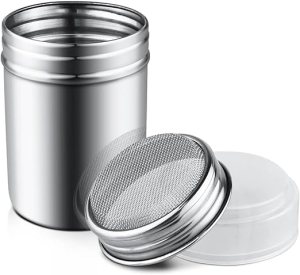
Powder Sugar Shaker Duster

https://www.foodnetwork.com/recipes/ina-garten/lemon-bars-recipe-1941483

Sous Vide Mastery

Sous vide has emerged as a game-changer, revolutionizing the way we approach cooking. This precise and versatile cooking method has gained popularity among both professional chefs and home cooks alike. Let’s delve into why sous vide is more than just a cooking technique – it’s a culinary experience that elevates the art of gastronomy.

Perfect Precision in Every Bite:
Sous vide, French for “under vacuum,” involves cooking food at precise temperatures in a water bath, ensuring unparalleled precision. The result? Perfection in every bite. Whether it’s a steak cooked to the ideal medium-rare or delicate proteins like fish, sous vide guarantees consistent results that are impossible to achieve through traditional methods.

Effortless Consistency:
Consistency is a challenge in traditional cooking, especially when dealing with intricate recipes. Sous vide takes the guesswork out of the equation. With precise temperature control, the cooking process is virtually foolproof, ensuring that your dishes are consistently outstanding, every time.

In the ever-evolving landscape in culinary, sous vide has earned its place as a culinary marvel. Its ability to deliver precise, consistent, and flavorful results is unmatched.