The Power of Three: A Simple Trick to Transform Your Garden Design

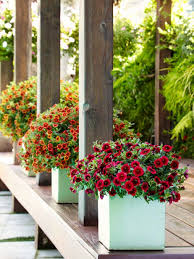
Ever notice how a trio of flowers just feels better than a pair? Or how three decorative pots by the front door look more inviting than just one? You’re not imagining things. There’s a little design magic at work here—and it’s called the Rule of Three.

This design principle shows up everywhere from photography and graphic design to architecture and yes, even gardening. And once you start to see it, you’ll understand why it works—and how to use it to create a more beautiful, balanced, and memorable outdoor space.

Why Three?

The human brain loves patterns, but too much symmetry can feel stiff or boring. Odd numbers, especially threes, naturally guide the eye. They feel dynamic, organic, and intentional. Threes create visual movement, which is especially helpful in a garden, where you want the eye to flow and the space to feel alive.

How to Use the Rule of Three in Your Garden

Plant Groupings

Instead of planting two shrubs or four flowers in a row, go with three. Try placing them at slightly different heights or spacing them in a triangle to create depth and visual interest.

Tip: Try planting three different plants that thrive in the same conditions—like lavender, coneflowers, and salvia for a pollinator-friendly purple theme.

Hardscape Features

Whether you’re arranging patio furniture, boulders in a rock garden, or even stepping stones, threes just work better. They create rhythm and feel intentional rather than random.

Example: A small path of three staggered pavers looks more inviting and less stiff than two side-by-side or four in a straight line.

Focal Points

Have one striking garden statue? Consider flanking it with two smaller planters or lanterns. That creates a balanced trio that makes the focal point stand out without feeling lonely or overpowering.

Threes Don’t Have to Match

The beauty of the Rule of Three is in its flexibility. The elements don’t all have to be the same. Three different but complementary items—like a tall grass, a mid-height flowering plant, and a low groundcover—can look even more stunning than three identical ones.

The next time you’re out in the garden rearranging pots or planning a new bed, think in threes. It’s a small shift, but it makes a big difference. Just like storytelling and comedy, great gardens often come in threes.
Invite Nature In: Why Adding a Bird Feeder to Your Garden Is a Great Idea

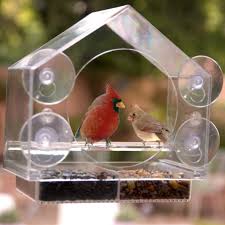
There’s something special about sipping your morning coffee and watching colorful birds flit and flutter outside your window. Adding a bird feeder to your garden isn’t just about feeding birds—it’s about creating a peaceful, lively outdoor space that connects you with nature.

1. A Simple Way to Add Life to Your Garden

A bird feeder brings immediate motion and sound to your space. The chirps, songs, and movement of visiting birds add natural energy that changes with the seasons. Whether it’s bright cardinals in winter or playful finches in summer, birds keep your garden alive all year long.

2. Support Local Wildlife

Backyards are becoming more important as habitats shrink. By hanging a feeder and keeping it clean and filled, you’re providing food for birds during tough times—like winter, drought, or migration. It’s a small act that helps sustain local ecosystems.

3. Great for Garden Health

Some birds feed on bugs and pests that can damage your plants. Others help with pollination. By attracting birds, you may see a healthier garden and fewer unwanted insects.

4. An Educational Joy for All Ages

Bird feeders invite curiosity. Whether you’re watching solo or with kids or grandkids, it’s fun to learn the names and songs of different species. Keep a bird book nearby and turn your garden into a living classroom.

5. Easy and Affordable

Bird feeders come in all shapes and sizes—from budget-friendly to decorative showpieces. Place one near a window or patio and watch how quickly your garden becomes a favorite spot—for you and the birds.

Place your feeder away from heavy foot traffic and near some shelter like trees or shrubs. And be consistent—birds will come to rely on your feeder, especially in the colder months.

https://amzn.to/40I0q3o

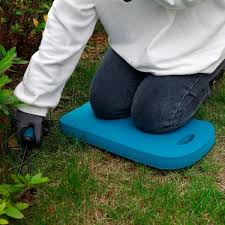
Why Every Gardener Needs a Good Pair of Knee Pads

When you think of essential gardening tools, gloves, trowels, and watering cans probably come to mind. But there’s one item that often gets overlooked—yet can make a huge difference in your comfort and longevity in the garden: knee pads.

Why Knee Pads Are Worth It

Gardening is deeply rewarding, but it can be hard on your body—especially your knees. Whether you’re planting seeds, pulling weeds, or harvesting vegetables, the constant kneeling takes a toll over time.

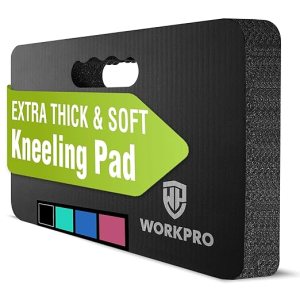
That’s where knee pads come in. A good pair provides the support and cushioning your knees need, letting you focus more on your plants and less on your aches.

3 Reasons to Start Using Knee Pads

1. Enhanced Comfort
Hard ground, gravel, and uneven surfaces are no match for padded knee support. You’ll be amazed how much more enjoyable gardening becomes when your knees aren’t complaining.

2. Protects Your Joints
Over time, repetitive pressure on your knees can lead to pain or even long-term issues. Knee pads help prevent injury by reducing strain and absorbing impact.

3. Helps You Stay in the Zone
Discomfort is distracting. With proper knee protection, you can stay focused, relaxed, and immersed in the joy of gardening longer and more often.

Knee pads may not be flashy, but they’re one of the smartest additions to your garden routine. If you want to keep gardening for years to come—and enjoy every moment of it—give your knees the support they deserve.

https://amzn.to/3GI1qxF

https://amzn.to/46iPRav


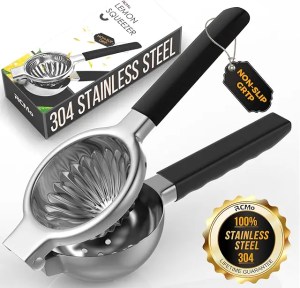
The Simple Citrus Hack That’ll Squeeze Out More Juice

You know the saying, “When life gives you lemons…”—but what if you’ve been squeezing them the wrong way this whole time?

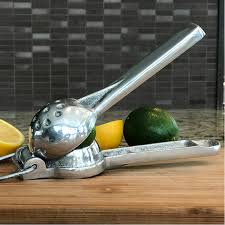
If you’re using a handheld citrus juicer, here’s a little kitchen hack that might surprise you: turn your lemon the opposite direction. Instead of placing it cut-side down, try placing it cut-side up, curved-side down—and watch the juice flow.

Why It Works

Most of us instinctively place lemons cut-side down into citrus presses. But by flipping the lemon so the cut side faces up, the press’s dome pushes into the rounded exterior of the lemon. This squeezes the fruit from the outside in, maximizing pressure and surface contact inside the lemon.

Result? You get a lot more juice—especially from firmer lemons or limes.

How to Do It:

  1. Cut your lemon in half as usual.
  2. Place one half in your citrus press cut-side up (so the curved rind faces down into the bowl of the juicer).
  3. Squeeze like normal.
  4. Be amazed at how much more juice comes out—with less strain on your hands!

Roll Before You Slice

Want to make it even easier? Roll the lemon on your counter with firm pressure before slicing. This breaks down some of the internal membranes, making juicing even more effective.

Sometimes, the best kitchen tips are the simplest. So next time you’re making salad dressing, cocktails, or fresh lemonade—flip that lemon. Your juicer (and your recipes) will thank you.

https://amzn.to/4kM46bA

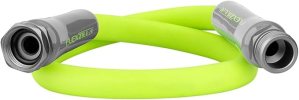
Why a Flexible Garden Hose Might Be Your New Favorite Tool

When it comes to garden tools, sometimes it’s the small upgrades that make the biggest difference. One of those game-changers? A flexible garden hose.

Whether you’re a seasoned gardener or just getting started, dealing with a stiff, kinked hose can turn watering your plants into an annoying chore. But with a flexible hose, the experience becomes smoother, easier, and—dare we say—more enjoyable.

What is a Flexible Hose?

A flexible hose, often made from durable materials like latex or expandable polymers, is designed to be lightweight, easy to store, and kink-free. Many models expand when the water is on and shrink back down when the water is off, making them simple to coil and tuck away.

3 Reasons to Love a Flexible Garden Hose

1. No More Kinks or Tangles

Traditional hoses can twist and kink at the worst times—usually when you’re in the middle of watering delicate seedlings or cleaning garden tools. Flexible hoses move with you, saving time and frustration.

2. Lightweight and Easy to Maneuver

Forget dragging a heavy, bulky hose across the yard. A flexible hose is light enough for anyone to handle, making it especially helpful for older gardeners or those with limited strength.

3. Compact and Space-Saving

These hoses shrink down significantly when not in use, taking up far less space in your shed, garage, or on a hose reel. They’re perfect for small spaces or urban gardens.

Things to Consider

While flexible hoses are super convenient, they’re not indestructible. Look for one with solid brass fittings and durable inner layers to get the most life out of your hose. Store it out of direct sun and drain it after each use to prevent damage.

A flexible hose might not seem like a big deal, but once you try one, you may wonder how you ever gardened without it. It’s one of those upgrades that makes your gardening life a little easier—and who doesn’t want that?

https://amzn.to/4f8iPfP

  • EXTREMELY FLEXIBLE – All weather flexibility
  • EXTREMELY DURABLE – Abrasion resistant outer cover and crush resistant anodized aircraft aluminum fittings
  • HYBRID POLYMER – Won’t kink under pressure, coils easily and lays flat with zero memory
  • LIGHTWEIGHT – Lighter than traditional garden hoses making Flexzilla easier to carry and maneuver around the yard
  • LEAK FREE CONNECTIONS AND DRINKING WATER SAFE – A durable O-ring provides long lasting leak free connections and feature an inner tube material that is drinking water safe

https://amzn.to/4f8iPfP

Is the Garden Really Worth All the Time and Energy?

If you’ve ever spent a Saturday pulling weeds, hauling mulch, or wondering why your tomatoes look so sad, you’ve probably asked yourself: Is this garden really worth all the time and energy?

Honestly? I don’t always know.

Gardening takes work. It means early mornings, dirty hands, trial and error, and the occasional heartbreak when pests or weather undo your best efforts. There are moments when it feels easier to just buy produce at the store and be done with it.

But then comes that moment—the one that reminds me why I do it. The moment when I step outside, snip fresh herbs, or pick a ripe cucumber or a sun-warmed tomato, and know it’s going straight to the dinner table. That feeling is hard to beat.

There’s something deeply satisfying about eating food you grew yourself. It’s not just about saving money or knowing where your food came from (though those are nice bonuses). It’s about connection. To the earth, to the seasons, to the work of your own hands.

Is it worth it? Maybe that’s not the right question. Maybe the better question is: How does it feel?

And for me, it feels pretty good.

Why Every Gardener Needs a Good Gardening Apron

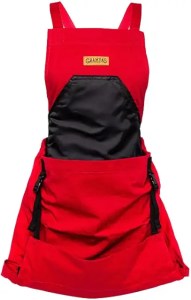
Gardening is a rewarding hobby, but let’s face it—it can get messy fast. That’s where a good gardening apron becomes your best friend. It’s more than just a layer of protection; it’s a tool that keeps you organized and makes your time in the garden easier and more enjoyable.

What Makes a Gardening Apron “Good”?

Durable Material: A quality gardening apron is made from sturdy fabric like canvas or waxed cotton that can handle dirt, moisture, and sharp tools without tearing.

Plenty of Pockets: The right apron will have deep, well-placed pockets so you can carry gloves, seed packets, pruners, and even your phone without juggling them.

Adjustable Fit: Look for aprons with adjustable neck and waist straps to ensure comfort for any body type and long gardening sessions.

Easy to Clean: The best aprons can be tossed in the wash or wiped clean with minimal fuss.

Benefits of Using a Gardening Apron

🌱 Stay Clean: Protect your clothes from soil, water, and plant debris.
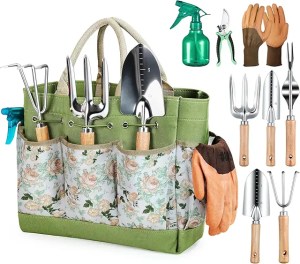
🌱 Keep Tools Handy: No more running back and forth—everything you need is within reach.
🌱 Save Time: With everything organized, you can focus on the joy of gardening, not searching for that missing trowel.

A Small Investment That Makes a Big Difference

Whether you’re a beginner or a seasoned gardener, a good gardening apron can make your time in the yard more efficient and enjoyable. It’s a small investment in comfort and organization that pays off season after season.

https://amzn.to/4l4vd2z

To Plant a Garden Is to Believe in Tomorrow” — Why This Quote Still Matters

Audrey Hepburn once said, “To plant a garden is to believe in tomorrow.”
And isn’t that exactly what gardening is—a quiet, hopeful act of faith?

When you press a seed into the soil, you can’t see the roots it will grow or the fruit it may bear. You simply trust. You trust the sun will rise, the rain will fall, and time will do its work. You believe that what you sow today will one day bloom, nourish, or delight.

Planting a garden invites us to slow down. It reminds us that good things take time—that growth doesn’t happen overnight. Whether it’s a tomato plant, a sunflower, or a small herb on a windowsill, each planting is a promise to the future. It’s a statement: I still believe in beauty, in growth, and in the seasons to come.

Gardening as a Metaphor for Life

This quote doesn’t just apply to soil and seeds. It’s a way of living. Every kind word, every act of generosity, every time we choose hope over fear—we’re planting something for tomorrow. We may not see the results right away, but the impact is real.

And just like a garden, life requires patience, care, and resilience. There will be weeds. There will be dry spells. But there will also be blooms. Surprises. Fresh starts. And joy.

A Garden is a Form of Optimism

Whether you’re a seasoned gardener or just starting out, every seed you plant is a small act of optimism. So dig your hands into the earth. Dream about the harvest. Believe in tomorrow.

https://amzn.to/4jRXsAE

Grow Strong: How Gardening Boosts Your Physical Health

Gardening may seem like a peaceful hobby—and it is—but it’s also a surprisingly effective way to support your physical health. Whether you’re planting herbs in containers or managing a backyard garden, this hands-on activity offers multiple wellness benefits that go far beyond aesthetics.

1. It Gets You Moving

Bending, digging, raking, lifting, weeding—gardening is a full-body workout in disguise. It engages your muscles, improves flexibility, and can even boost your cardiovascular health. Unlike structured workouts, gardening doesn’t feel like “exercise,” which makes it easier to stick with regularly.

2. Sunlight = Vitamin D

Spending time outdoors exposes you to natural sunlight, which helps your body produce Vitamin D. This vitamin is crucial for strong bones, immune function, and mood regulation. Just 15–30 minutes in the sun can make a noticeable difference (just don’t forget your sunscreen if you’re out longer!).

3. Eat What You Grow

When you grow your own food, you’re more likely to eat fresh fruits and vegetables. Homegrown produce is often more nutrient-rich than store-bought, and it doesn’t come with extra packaging, preservatives, or long transport times. You’ll feel better knowing exactly where your food came from—and how it was grown.

4. It Reduces Stress

While this benefit leans more toward mental wellness, less stress often means fewer physical symptoms like headaches, fatigue, or high blood pressure. Gardening can help lower cortisol levels and offers a calm, mindful escape from daily life.

If you’re looking for a fun, rewarding way to improve your physical health, gardening may be the perfect fit. It’s more than a hobby—it’s a lifestyle that nurtures your body, mind, and soul.

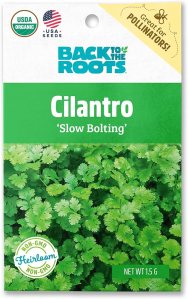
Growing Cilantro? Harvest It Before the Heat Hits!

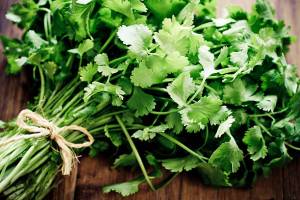
If you’re growing cilantro in your garden, here’s a quick tip you don’t want to miss: cut it before it gets too hot!

Cilantro is a cool-weather herb that grows fast, but it also bolts fast—especially when temperatures start to climb. And once it bolts (sends up a flower stalk), it gets bitter and loses that fresh, zesty flavor we love in salsa, salads, and tacos.

Why Cilantro Bolts

Cilantro is sensitive to rising temperatures and longer daylight hours. When it starts to feel the heat, it thinks it’s time to reproduce and sends out flowers—ending its tasty leaf production.

How to Stay Ahead of the Heat

Here’s how you can keep your cilantro fresh and flavorful longer:

  • Harvest early and often. Don’t wait for tall, leggy growth. Cut it when it’s about 4–6 inches tall.

  • Cut low, but not too low. Leave about an inch or two of stem so it can regrow.

  • Provide some shade. If it’s already warming up in your area, give your cilantro a little afternoon shade.

  • Succession planting. If you love cilantro, plant a new batch every few weeks in spring and fall.

If your cilantro does bolt—don’t toss it just yet. Let it flower and go to seed. You’ll get coriander seeds and possibly some self-seeded cilantro in the fall!

https://amzn.to/44l3h4Z