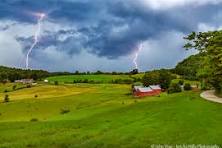
Planning a Summer Festival: Celebrating Community and Local Produce

As summer reaches its peak, there’s no better way to celebrate the season than by planning a Summer  Festival. This event not only brings the community together but also highlights the importance of local produce and sustainable farming practices. Here are some ideas for community engagement and farm events that will make your Summer Harvest Festival a memorable occasion for all.

Ideas for Community Engagement

Farmers’ Market:
– Local Vendors: Invite local farmers, artisans, and food producers to set up stalls. This creates an opportunity for community members to purchase fresh produce and handmade goods directly from the source.
– Cooking Demonstrations: Arrange for local chefs to demonstrate how to cook with seasonal ingredients. This can inspire attendees to incorporate more local produce into their meals.

Educational Workshops:
-Gardening Tips: Offer workshops on home gardening, composting, and sustainable farming practices. These sessions can empower attendees to grow their own food and make eco-friendly choices.
-Nutrition and Wellness: Host talks on the nutritional benefits of eating fresh, local produce. Provide tips on how to create balanced meals using ingredients from the festival.

Family Activities:
– Petting Zoo: Set up a petting zoo with farm animals. This is a great way to educate children about animals and farming.
– Crafts and Games:Organize craft stations where kids can create farm-themed artwork. Include games like sack races, corn hole, and scavenger hunts to keep everyone entertained.

Community Contests:
– Best Pie Contest: Encourage bakers to showcase their best pie recipes, with a focus on using local ingredients. Offer prizes for the tastiest and most creative pies.

Farm Event Highlights

Farm Tours:
– Guided Tours:Offer guided tours of the farm, showcasing different crops, livestock, and farming techniques. This gives attendees a deeper understanding of where their food comes from.
– Interactive Stations:Set up interactive stations where visitors can learn about planting, harvesting, and animal care. This hands-on experience can be both educational and engaging.

Pick-Your-Own:
– U-Pick Areas:Designate areas where attendees can pick their own fruits and vegetables. This not only provides a fun activity but also helps people appreciate the effort involved in harvesting crops.
– Harvest Baskets:Provide baskets or bags for visitors to collect their picks. Consider offering a variety of seasonal produce to choose from.

Farm-to-Table Dining:
-Farm Dinners: Host a farm-to-table dinner featuring dishes made from fresh, local ingredients. This can be a ticketed event with limited seating to create an intimate, exclusive experience.
– Food Trucks:Invite food trucks that specialize in using local produce. This adds variety to the dining options and supports local businesses.

A Summer Festival is a wonderful way to celebrate the season, bring the community together, and highlight the importance of local produce. By incorporating a variety of engaging activities, educational workshops, and farm events, you can create an unforgettable experience that benefits everyone involved.


The Best Times to Water Your Crops: Early Morning and Late Evening

Ensuring that your crops receive the right amount of water is crucial for maximizing yield and maintaining plant health. One of the simplest yet most effective practices you can adopt is watering your crops during the cooler parts of the day—early in the morning or late in the evening. Here’s why this timing matters and how it can benefit your farm.

Why Timing Matters

Reduced Water Loss:
Watering during the cooler parts of the day helps minimize water loss due to evaporation. When you water during the heat of the day, a significant amount of water can evaporate before it even reaches the roots of your plants. Early morning and late evening watering ensures that more water is available for your crops to absorb.

Better Absorption:
Plants can better absorb water when the temperatures are lower. Early morning watering allows the soil to stay moist for a longer period, providing your plants with the hydration they need to withstand the heat of the day. In the evening, watering can help cool down the plants and soil, reducing stress from the day’s heat.

Reduced Risk of Disease:
Watering late in the evening can lead to prolonged periods of wet foliage, which can promote the growth of fungal diseases. Therefore, morning watering is often preferred as it allows the foliage to dry quickly, reducing the risk of disease.

Benefits of Early Morning Watering

Optimal Moisture Levels:
By watering early in the morning, you provide your plants with adequate moisture to start the day. This helps them stay hydrated and healthy throughout the hotter hours.

Efficient Use of Water:
Watering in the early morning reduces evaporation, ensuring that more water reaches the plant roots. This makes your irrigation efforts more efficient and conserves water.

Promotes Healthy Growth:
Consistent morning watering helps establish strong root systems. Healthy roots are essential for nutrient uptake and overall plant growth.

Benefits of Late Evening Watering

Cooling Effect:
Watering in the late evening can help cool down the plants and soil after a hot day. This can reduce plant stress and prevent wilting.

Extended Absorption Time:
Evening watering allows the water to soak into the soil overnight, providing ample time for the roots to absorb moisture before the next day’s heat.

Flexible Schedule:
For some farmers, evening watering may be more convenient due to other daily tasks. As long as you avoid watering too late to prevent prolonged wet foliage, evening watering can be a viable option.

Best Practices for Watering

Check Soil Moisture:
Before watering, check the soil moisture to ensure you’re not over watering. Overwatering can lead to root rot and other issues.

Use the Right Amount of Water:
Ensure that you’re providing enough water to reach the root zone but not so much that it leads to runoff or waterlogging.

Water at the Base:
Focus on watering at the base of the plants rather than overhead. This reduces water waste and prevents wet foliage, which can lead to disease.

Mulch Your Plants:
Mulching helps retain soil moisture and keeps the soil temperature stable. This can enhance the benefits of your watering schedule.

Watering your crops early in the morning or late in the evening is a simple yet effective practice that can significantly benefit your farm. By reducing water loss due to evaporation, ensuring better water absorption, and minimizing the risk of disease, you can promote healthier and more productive plants.

Maximizing Crop Yield During the Summer Heat

Summer can be a challenging time for farmers, with high temperatures and intense sunlight putting stress on crops. However, with careful planning and effective techniques, you can ensure your crops stay healthy and productive throughout the hottest months of the year. Here are some tips for keeping crops hydrated and best practices for soil management to help maximize your crop yield during the summer heat.

Tips for Keeping Crops Hydrated

1. Implement Efficient Irrigation Systems
–  Drip irrigation delivers water directly to the root zone, minimizing evaporation and ensuring that plants receive a steady supply of moisture. It’s one of the most efficient ways to water crops, especially during hot weather.
– Soaker Hoses: These hoses allow water to seep out slowly along their length, providing consistent moisture to plants. They’re particularly useful for row crops and raised beds.

2. Water Early in the Morning or Late in the Evening
– Watering during the cooler parts of the day reduces water loss due to evaporation and ensures that plants can absorb moisture before the heat sets in. Early morning watering is often preferred as it gives plants the hydration they need to withstand the day’s heat.

3. Mulch Your Soil
– Applying a layer of mulch around your plants helps retain soil moisture by reducing evaporation. Organic mulches, such as straw, grass clippings, or wood chips, also improve soil structure and provide nutrients as they decompose.

4. Use Shade Cloths or Row Covers
– Shade cloths can help protect crops from the intense afternoon sun, reducing water stress and preventing leaf burn. Row covers can also help retain moisture and provide a barrier against pests.

5. Group Plants with Similar Water Needs
– Grouping plants with similar water requirements together makes it easier to manage irrigation efficiently and ensures that all plants receive the appropriate amount of water.

Best Practices for Soil Management

1. Regularly Test Your Soil
– Conduct soil tests to determine nutrient levels and pH balance. Understanding your soil’s composition allows you to make informed decisions about fertilization and amendments to optimize plant growth.

2. Enhance Soil Structure with Organic Matter
– Adding compost, well-rotted manure, or other organic matter improves soil structure, increases its water-holding capacity, and promotes healthy root development. Organic matter also encourages beneficial microbial activity in the soil.

3. Practice Crop Rotation
– Rotating crops helps prevent soil depletion and reduces the risk of pest and disease buildup. Different crops have varying nutrient needs and rooting structures, which can help maintain soil health and fertility.

4. Implement No-Till or Low-Till Farming
– Minimizing soil disturbance preserves soil structure, retains moisture, and reduces erosion. No-till or low-till practices also help maintain the habitat for beneficial soil organisms.

5. Use Cover Crops
– Planting cover crops during the off-season protects the soil from erosion, improves soil structure, and enhances nutrient content. Leguminous cover crops, such as clover or beans, can also fix nitrogen in the soil, reducing the need for chemical fertilizers.

6. Monitor Soil Moisture Levels
– Regularly check soil moisture to ensure your crops are getting the right amount of water. Using soil moisture sensors or simply digging a small hole to check moisture levels can help you make informed irrigation decisions.

Maximizing crop yield during the summer heat requires a combination of effective irrigation practices and diligent soil management. By keeping your crops hydrated through efficient watering methods and enhancing your soil’s health and structure, you can ensure your plants thrive even in the hottest conditions. Embrace these strategies to boost your farm’s productivity and enjoy a bountiful harvest despite the summer heat.

Embrace Summer: Feel the Grass and Enjoy a Picnic Lunch Outdoors

As summer unfolds, take time to reconnect with nature. Step outside, feel the grass underfoot, and savor a delightful picnic lunch. Here’s how to make the most of these simple pleasures.

Embracing Nature’s Bounty

Summer invites us to escape the indoors and immerse ourselves in the beauty of nature. Feeling the cool grass between your toes can be invigorating, grounding you in the present moment and revitalizing your spirit.

Planning Your Perfect Picnic

1. Choose a Scenic Spot
Find a tranquil park, beach, or even your backyard. Look for a spot with shade to escape the sun’s intensity.

2. Pack Delicious Treats
Prepare a variety of easy-to-eat finger foods like sandwiches, fresh fruits, salads, and snacks. Don’t forget refreshing drinks and a sweet treat for dessert.

3. Bring Comfortable Seating
Pack a comfortable blanket or picnic chairs for lounging. Extra cushions or pillows can enhance relaxation.

4. Entertainment Options
Bring along activities such as a frisbee, ball games, or a book to read. Enjoying these activities amidst nature adds to the experience.

Benefits of Outdoor Living

Spending time outdoors offers numerous health benefits. It reduces stress, improves mood, and boosts creativity. The sunshine provides essential vitamin D, enhancing overall well-being.

Creating Lasting Memories

Picnicking and connecting with nature create memorable experiences. Whether alone, with family, or friends, cherish these moments of relaxation and rejuvenation.

This summer, prioritize time outdoors. Feel the grass under your feet, indulge in a picnic feast, and bask in the sun’s warmth. Embracing these simple joys enriches life and fosters a deeper connection with the natural world.


Tragedy in Colorado: Lightning Strike Claims the Life of Rancher and His Cattl

BE CAREFUL IN THE ELECTRICAL STORM

This past weekend, a devastating lightning strike near the town of Rand, Colorado, resulted in the tragic deaths of 51-year-old cattle rancher Mike Morgan and 34 of his cattle. The incident, reported by the Jackson County Sheriff’s Office, serves as a somber reminder of the powerful and unpredictable nature of lightning storms.

A Heartbreaking Incident

On Sunday, Mike Morgan was performing a routine task, feeding his herd with hay from a trailer. The peaceful moment was shattered when lightning struck, claiming his life despite immediate life-saving efforts. Morgan’s father-in-law and wife were nearby and fortunately survived the incident, but the strike also bowled over dozens more cattle that were gathered around the trailer.

The Dangers of Lightning

Lightning strikes are most common during the summer months, peaking in June. According to the National Weather Service, five of the top ten lightning days in 2023 occurred between June 14 and June 21. These intense storms typically hit areas from the edge of the Rockies, through the Middle Plains, and to the Southeast, with large thunderstorms in the Northern Plains and eastern states also contributing.

This tragic event is a stark reminder of the risks associated with lightning and the importance of taking appropriate precautions during storms.

Lightning Safety Tips

When you hear thunder rolling in, it’s crucial to seek shelter and follow these safety guidelines to minimize the risk of injury:

  1. Seek Shelter Indoors: The safest place during a lightning storm is indoors. Avoid staying outside or under trees.
  2. Avoid Using Corded Phones: Using a corded phone during a thunderstorm is one of the leading causes of indoor lightning injuries.
  3. Stay Away from Windows, Doors, and Porches: Being in an interior room is safest during a thunderstorm.
  4. Avoid Electrical Equipment and Cords: Unplug devices before the storm arrives if possible. Do not touch any electrical devices during the storm.
  5. Avoid Plumbing: Do not wash your hands, do dishes, take a shower or bath, or do laundry during a thunderstorm, as metal plumbing conducts electricity.
  6. Steer Clear of Concrete Surfaces: Lightning can travel through metal wires or bars in concrete walls and flooring, such as in basements or garages.
  7. Vehicle Safety: If you are in a vehicle, roll up the windows and avoid contact with metal surfaces and portable electronic devices plugged in for charging.

Reflecting on the Loss

The tragic death of Mike Morgan and his cattle has undoubtedly left a void in the community. Ranching is not just a profession but a way of life that deeply connects individuals to their land and livestock. The loss resonates beyond the immediate family, impacting friends, neighbors, and the larger agricultural community.

As we mourn this loss, it’s essential to raise awareness about the dangers of lightning and ensure that we all take necessary precautions to protect ourselves and our loved ones. The power of nature is awe-inspiring, but it also demands our respect and caution.

Our thoughts and prayers go out to the Morgan family and all those affected by this heartbreaking event.

https://www.usatoday.com/story/news/nation/2024/05/28/colorado-cattle-rancher-dies-lightning-strike/73881915007/

Zestful Delights: Lemon Bars

Its been raining and I am ready for Spring…had Lemon bars on my mind: a delightful blend of tangy citrus and sweet indulgence. With a buttery crust as the foundation and a luscious lemon filling, these treats tantalize the taste buds with every bite. Whether enjoyed as a refreshing snack on a sunny afternoon or as a dessert to cap off a delicious meal, lemon bars never fail to brighten the mood. The vibrant yellow hue and zesty aroma evoke feelings of warmth and comfort, making them a beloved favorite for gatherings and celebrations. Plus, their simple yet elegant appearance makes them a standout addition to any dessert table. Whether you’re a citrus enthusiast or simply in need of a pick-me-up, lemon bars are sure to satisfy your cravings and leave you craving for more.


Solid Metal Squeezer


Sturdy Max Extraction Hand Juicer Lemon Squeezer


Powder Sugar Shaker Duster

https://www.foodnetwork.com/recipes/ina-garten/lemon-bars-recipe-1941483

Sous Vide Mastery

Sous vide has emerged as a game-changer, revolutionizing the way we approach cooking. This precise and versatile cooking method has gained popularity among both professional chefs and home cooks alike. Let’s delve into why sous vide is more than just a cooking technique – it’s a culinary experience that elevates the art of gastronomy.

Perfect Precision in Every Bite:
Sous vide, French for “under vacuum,” involves cooking food at precise temperatures in a water bath, ensuring unparalleled precision. The result? Perfection in every bite. Whether it’s a steak cooked to the ideal medium-rare or delicate proteins like fish, sous vide guarantees consistent results that are impossible to achieve through traditional methods.

Effortless Consistency:
Consistency is a challenge in traditional cooking, especially when dealing with intricate recipes. Sous vide takes the guesswork out of the equation. With precise temperature control, the cooking process is virtually foolproof, ensuring that your dishes are consistently outstanding, every time.

In the ever-evolving landscape in culinary, sous vide has earned its place as a culinary marvel. Its ability to deliver precise, consistent, and flavorful results is unmatched.

Snowman Cookies and Sweet Memories: A Friend’s House Visit Turned Family Tradition

In the heart of winter, a casual visit to a friend’s house turned into a delightful discovery that sparked a cherished family tradition.

The Sweet Surprise:
One evening, I visited a friend’s cozy home, seeking warmth and companionship. Little did I know that behind their kitchen door awaited a sweet surprise – a batch of adorable snowman cookies. The aroma of freshly baked treats filled the air, instantly putting a smile on my face.

Crafting Frosty Friends:
As we gathered around the kitchen table, my friend shared the secret behind these festive delights. Together, we rolled, shaped, and decorated the cookie dough into charming snowmen. Each cookie took on a unique personality

A Taste of Tradition:
With the first bite, I was transported to a winter wonderland of flavors. The cookies were a perfect blend of sweetness and warmth, capturing the essence of the season. It was then that we decided to turn this delightful experience into a yearly tradition – the making and sharing of snowman cookies.

Family Bonding:
In the years that followed, our snowman cookie tradition grew beyond the confines of that cozy kitchen. Family members of all ages eagerly joined in the cookie-making festivities, sharing laughter, stories, and the joy of creating edible snowmen together. It became a celebration of togetherness, a reminder of the importance of simple pleasures.

Passing Down the Recipe:
The snowman cookie recipe, once a closely guarded secret, evolved into a cherished family heirloom. We passed it down from one generation to the next, ensuring that the joyous tradition continued to bring smiles to faces young and old.

Holly Jolly Santa Cookies


Our go at the Santa Cookies- they turned out pretty good! 🙂

Holly Jolly Santa Cookies are not just delicious treats; they’re a festive and creative way to celebrate the holiday season. Whether you’re baking with family, hosting a cookie exchange, or looking for a delightful gift, these cookies are sure to spread joy and add a touch of whimsy to your celebrations. So, roll up your sleeves, gather your ingredients, and get ready to indulge in the sweetness of the season with these adorable and delicious Santa cookies! 🎅🍪✨ #HolidayBaking #SantaCookies #FestiveTreats

https://www.halfbakedharvest.com/holly-jolly-santa-cookies/

Spritz Cookies: A Timeless Holiday Tradition

The holiday season is a time of joy, laughter, and of course, delicious treats. Among the myriad of festive confections, one particular delight stands out – the spritz cookie. With its delicate buttery flavor and distinctive shapes, spritz cookies have been gracing holiday tables for generations.

The History of Spritz Cookies:
The origins of spritz cookies can be traced back to Germany, where they are known as “Spritzgebäck.” The word “spritz” comes from the German verb “spritzen,” which means “to squirt” or “to spray.” The name aptly describes the technique of using a cookie press to create intricate shapes by extruding the dough onto the baking sheet. This German culinary gem gradually made its way into Scandinavian and American kitchens, becoming a cherished part of holiday celebrations.

Ingredients and Preparation:
The magic of spritz cookies lies in their simple yet high-quality ingredients. Flour, sugar, butter, and vanilla extract form the base of the dough, creating a rich and buttery flavor that melts in your mouth. Almond extract is often added to enhance the taste, providing a subtle nuttiness that elevates the cookie’s profile.

The dough is mixed to a smooth consistency, and the key to achieving the perfect spritz cookie lies in its texture. It should be pliable enough to pass through the cookie press easily, yet firm enough to hold its intricate shape during baking.

The Cookie Press: A Spritz Cookie Essential:
No discussion about spritz cookies is complete without mentioning the indispensable tool – the cookie press. This handheld device allows bakers to create an array of shapes, from classic swirls to festive holiday symbols. The press enables precise control over the dough, ensuring that each cookie is a work of art.

Baking and Decorating:
Once the dough is prepared and loaded into the cookie press, the fun part begins – shaping the cookies. The pressed dough is carefully arranged on a baking sheet, and after a short time in the oven, the kitchen is filled with the irresistible aroma of butter and vanilla. After baking, the cookies can be left as is or adorned with a sprinkle of colored sugar, chopped nuts, or a drizzle of chocolate.

Sharing the Tradition:
Spritz cookies are not just a delightful treat; they are also a symbol of togetherness and tradition. Baking and decorating spritz cookies with family and friends create lasting memories that are as sweet as the cookies themselves. Whether passed down through generations or started as a new family tradition, the act of making spritz cookies is a joyful celebration of the holiday spirit.

As the holiday season approaches, consider adding the time-honored tradition of baking spritz cookies to your festivities. With their rich history, delightful flavors, and endless possibilities for creativity, spritz cookies are sure to bring warmth and cheer to your home. Embrace the joy of baking and sharing these classic treats, and create your own delicious memories to cherish for years to come.

Spritz Cookies