4 Potty Training Tips for Puppies Who Won’t Go Outside but Have Accidents Inside

Potty training a puppy can be challenging—especially when they refuse to do their business outside but have accidents as soon as they come back in. This common frustration can be caused by distractions, anxiety, or a lack of routine. The good news? With patience and the right approach, you can teach your pup to go potty where they should. Here are four potty training strategies to help.

1. Extend Outdoor Time and Minimize Distractions

Some puppies get easily distracted outside—sniffing, exploring, and playing rather than focusing on going potty. Instead of bringing your puppy inside right away, try extending their time outside.

  • Stay outside for an extra 5–10 minutes after they first hesitate.
  • Keep them on a leash to prevent wandering.
  • Take them to a consistent potty spot each time.

If they don’t go after a reasonable time, bring them inside but keep them on the leash and try again in 5–10 minutes. This prevents immediate accidents and reinforces the idea that potty time happens outside.

2. Use a Trigger Word or Cue

Puppies can learn verbal cues for potty time just like they learn sit or stay. Each time you take your puppy outside, use a consistent phrase like:

  • “Go potty!”

Say the cue in a calm, encouraging voice. When they finally go, praise them immediately and offer a small treat. Over time, they’ll associate the cue with the action, making potty training smoother.

3. Reward Immediately After They Go

Timing is everything with rewards! If your puppy goes outside, immediately praise and give them a treat. Doing this right after they finish (not after they come back inside) reinforces the correct behavior.

Pro tip: Keep a small treat pouch near the door so you’re always ready to reward success.

4. Limit Indoor Freedom Until They’re Reliable

If your puppy consistently has accidents right after coming inside, try limiting their freedom indoors until they learn to potty outside. Here’s how:

  • After coming inside, keep them on a leash or in a playpen for 5–10 minutes.
  • If they show signs of needing to go (sniffing, circling), take them right back outside.
  • Over time, as they get better, gradually give them more freedom indoors.

Potty training takes time, but with patience, consistency, and positive reinforcement, your puppy will learn where to go. Extending outdoor time, using a potty cue, rewarding immediately, and limiting indoor freedom can make a big difference in teaching good habits. Stick with it, and soon your puppy will reliably do their business where they should!

https://amzn.to/4aKodmU

Urban Farming in Detroit: A Story of Resilience and Renewal

Detroit, once known as the heart of the American automotive industry, experienced a steep economic downturn and population decline in the late 20th and early 21st centuries. Many neighborhoods fell into disrepair, and vast areas of the city were left abandoned. But in the face of adversity, Detroit found an unlikely path to renewal: urban farming.

One shining example of this resurgence is the work of Malik Yakini, a passionate advocate for food security, sustainability, and community empowerment. Yakini founded the Detroit Black Community Food Security Network (DBCFSN), a non-profit organization that aims to empower Detroit’s Black community through access to healthy, locally grown food.

Through the efforts of DBCFSN and other community-driven initiatives, vacant lots across Detroit were transformed into vibrant gardens and farms. These urban farming projects not only addressed food insecurity but also nurtured a deeper sense of community resilience, education, and cultural reconnection.

The Power of Urban Farming

Urban farming in Detroit goes beyond growing food; it’s about growing hope and creating a sense of belonging. In a city where vacant lots once stood as symbols of decay, these new green spaces are now symbols of revival. They represent a shift in how residents view their city and their future.

As neighborhoods come together to tend the land, they also tend to one another. Urban farming fosters a sense of community as people collaborate on shared projects. Whether it’s planting vegetables in community gardens or organizing food markets, these efforts help combat the isolation that can come with economic hardship.

Food Security: A Key to Resilience

One of the main goals of Detroit’s urban farming movement is to address food insecurity. Detroit has long struggled with limited access to fresh, healthy food. According to a 2020 report, approximately 1 in 4 Detroit residents live in food deserts, areas where grocery stores are scarce, and access to fresh produce is limited.

Urban farming provides a solution by growing food locally, making it more accessible and affordable. Farms like the DBCFSN’s Oakland Avenue Urban Farm are providing residents with fresh produce, educational programs on nutrition, and the opportunity to learn about sustainable farming practices.

Education and Cultural Reconnection

Urban farming also plays a significant role in reconnecting communities with their cultural roots and history. For many residents, especially those in marginalized neighborhoods, farming provides an opportunity to reconnect with ancestral traditions. Learning to grow food in the same way their ancestors did is an empowering act that helps rebuild a sense of pride and heritage.

Additionally, urban farming creates space for education. Local schools and community centers partner with urban farms to offer educational programs for children and adults alike. From learning how to plant seeds to understanding the science of soil, these hands-on lessons provide invaluable knowledge while encouraging the younger generation to take an active role in the future of their community.

Looking Toward the Future

While the transformation of Detroit’s urban landscape through farming is already impressive, the potential for growth is even greater. As the city continues to rebuild, urban agriculture can play a central role in shaping a healthier, more sustainable future. The community-building aspect of these initiatives is essential for long-term success, as it empowers residents to take ownership of their neighborhoods and their futures.

In the coming years, Detroit could become a national leader in urban farming, offering valuable lessons on how to transform vacant spaces into productive, thriving hubs. With the continued efforts of passionate individuals like Malik Yakini, the city’s future is one where resilience, education, and food security are cultivated—one garden at a time.

Detroit’s story is a powerful testament to the resilience of communities and the transformative power of urban farming. Through initiatives like the Detroit Black Community Food Security Network, the city is not only growing food but also growing its future. The urban farming movement is more than just a solution to food insecurity—it’s a way to build stronger, more connected communities that are ready to face whatever challenges the future holds.

Urban farming is more than an agricultural revolution. It’s a cultural, educational, and social one, proving that even in the most challenging times, there is room for growth—both in the soil and in the spirit of a community.

Composting and Soil Health: Why Winter is the Best Time to Start

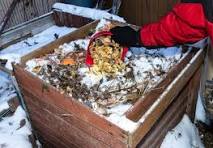
Winter often gets a bad rap as the “off-season” for gardeners and farmers. The cold weather makes it seem like the growing season is over, but it’s actually the perfect time to work on improving your soil health—particularly through composting. While your garden might be dormant for the season, your soil doesn’t have to be.

The Importance of Soil Health

Healthy soil is the foundation of a thriving garden or farm. It provides essential nutrients to plants, helps retain moisture, and supports beneficial microorganisms. Improving soil health through composting is an investment that will pay off in abundance when spring planting season rolls around. Composting not only recycles organic waste but also creates a nutrient-rich mixture that will transform your soil into a fertile, thriving environment.

Why Composting in Winter Matters

You may be wondering, “Can you compost in the winter?” The answer is a resounding yes! Winter composting can help you build better soil health for the upcoming season, even when it’s cold outside. Here’s why winter is an ideal time for composting:

1. Decomposition Still Happens—Just Slower

Even in colder temperatures, decomposition continues, albeit at a slower rate. Composting microbes work best in temperatures between 110°F and 160°F, which is warmer than the outside winter air, but as long as the compost pile stays insulated, it can still remain active. Over the winter, the compost will slowly break down, giving you a head start for spring.

2. Winter is a Great Time for Collecting Organic Material

Winter often comes with fewer chores in the garden, which means you can focus more on collecting materials for composting. Collect kitchen scraps like vegetable peels, coffee grounds, and eggshells, as well as yard waste like autumn leaves, grass clippings, and woody stems. If you have access to hay or straw, those can be excellent additions too. Layering these materials will create a balanced compost pile that decomposes more effectively.

3. Less Smell and Fewer Pests

In the warmer months, compost piles can sometimes produce a strong odor and attract pests. However, during winter, the cold helps to minimize these concerns. The composting process remains odorless, and pests like flies, rodents, and raccoons are less likely to be active or attracted to your compost pile.

4. Improved Decomposition Process

Adding to your compost pile during winter ensures that you start the next growing season with nutrient-rich compost already on hand. Additionally, keeping the pile active by turning it occasionally and ensuring that it’s properly insulated will speed up the breakdown of organic material, which means your garden or farm will benefit from the compost much earlier in the year.

How to Compost in Winter

Composting during the winter is very similar to composting year-round, but with a few adjustments. Here are some tips to make your winter composting process even more effective:

1. Insulate Your Pile

To maintain the heat in the compost pile, make sure it’s properly insulated. You can use materials like hay bales, straw, or even blankets to wrap the pile. Insulation helps retain the heat and prevents the pile from freezing, which would halt the decomposition process. If you’re using a compost bin, ensure it is tightly sealed to trap warmth inside.

2. Layer Your Materials

Just like in the warmer months, it’s essential to create balanced layers in your compost pile—alternating between green (nitrogen-rich) and brown (carbon-rich) materials. Common green materials include kitchen scraps, coffee grounds, and grass clippings, while brown materials include dried leaves, straw, or shredded newspaper. The right balance helps to maintain a productive compost pile throughout the winter.

3. Turn the Pile Regularly

Regularly turning your compost pile ensures that air is circulating, which helps to speed up decomposition. If the pile is insulated well, you may only need to turn it once every few weeks. A compost thermometer can help you gauge whether your pile is staying warm enough for decomposition to continue.

4. Keep Moisture in Check

While moisture is important for the composting process, during the winter months, you don’t want the pile to become too wet and soggy. If it’s snowy or raining frequently, you may need to cover your pile to prevent it from becoming waterlogged. Aim for a moist, but not soggy, consistency.

Benefits of Winter Composting

By the time spring arrives, you’ll be ready to start planting with nutrient-rich, homemade compost that will boost soil fertility and structure. Composting in winter also reduces waste sent to landfills, providing an environmentally friendly solution for organic waste.

In addition, working on your compost pile during the colder months means you’ll have a healthier, more productive garden once the warmer weather hits. Your garden will appreciate the extra love and care you gave it in the off-season.

Winter might not seem like the obvious time to focus on your soil health, but composting during this time ensures your garden is well-prepared for the coming growing season. The extra attention you give your compost pile now will lead to better soil, healthier plants, and a more fruitful harvest later on. So, grab your gloves, get started, and let your composting efforts shine through the chill of winter—your garden will thank you come spring!


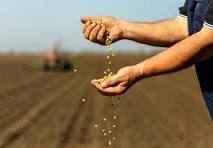
The Farmer and the Seeds: Planting for a Fruitful Life

The parable of The Farmer and the Seeds (traditional) offers a powerful lesson in understanding how our environment and mindset shape the results we achieve. In this story, a farmer scatters seeds, which fall on different types of soil: the hard path, rocky ground, thorny bushes, and good soil. While the seeds on the good soil yield a fruitful harvest, the others fail to grow.

What does this teach us? It emphasizes that the conditions we cultivate in our lives—whether through our mindset, the relationships we nurture, or the environments we place ourselves in—directly affect the outcomes we experience.

  1. Mindset: Like the good soil, a positive and growth-oriented mindset is essential for success. When we approach challenges with resilience and determination, we foster the conditions for growth, even when times are tough.
  2. Environment: Surrounding ourselves with supportive and nurturing people (like good soil) encourages personal development and success. Just as seeds need the right environment to flourish, we too need to ensure that our environments—work, home, and social circles—are conducive to our growth.
  3. Relationships: Relationships, like soil, play a significant role in our personal growth. Some relationships may drain or hinder us, while others can cultivate our abilities and encourage us to reach our potential.

As we begin this new year, reflect on your own “soil.” Are you setting yourself up for success by nurturing the right mindset, cultivating supportive relationships, and surrounding yourself with a positive environment? Small changes to these areas can have a significant impact on the results you achieve.

Remember, just as the farmer’s good soil yields an abundant harvest, the conditions you create today will shape your future.

Ground Cover Plants: Low Maintenance Beauty for Any Spot

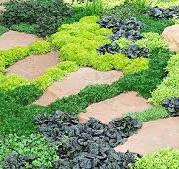
If you’re looking for a low-maintenance way to add color and texture to your garden while preventing weeds, ground cover plants are an excellent choice. These versatile plants can thrive in both sunny and shady spots, making them a valuable addition to any landscape. Here’s a closer look at why ground cover plants are such a great option and how they can enhance your garden

Benefits of Ground Cover Plants

1. Weed Prevention

One of the primary benefits of ground cover plants is their ability to suppress weeds. By forming a dense mat of foliage, these plants block sunlight from reaching weed seeds and seedlings, effectively preventing them from taking root and spreading. This natural weed control reduces the need for chemical herbicides and manual weeding, saving you time and effort.

2. Low Maintenance

Ground cover plants are known for their minimal maintenance requirements. Once established, they typically need little more than occasional watering and pruning. Many varieties are drought-tolerant and adaptable to different soil types, making them an ideal choice for busy gardeners or those new to gardening.

3. Versatility

Ground covers are incredibly versatile and can be used in a variety of garden settings. Whether you have a sunny garden bed, a shaded corner, or an area with poor soil, there’s a ground cover plant that will thrive in those conditions. Their adaptability allows you to use them in diverse garden spaces, enhancing the overall look and functionality of your landscape.

4. Aesthetic Appeal

Ground cover plants come in a wide range of colors, textures, and growth habits, adding visual interest and beauty to your garden. From vibrant blooms to lush green foliage, these plants can create a stunning carpet of color that complements other garden features. They are perfect for filling in bare spots, edging pathways, or covering slopes.

5. Erosion Control

In addition to their aesthetic and practical benefits, ground cover plants can help control soil erosion. Their extensive root systems stabilize the soil, preventing it from washing away during heavy rain or wind. This makes them particularly useful for planting on slopes or areas prone to erosion.

Best Ground Cover Plants for Different Conditions

– Sunny Areas:
– Creeping Thyme: Known for its fragrant foliage and small, colorful flowers, creeping thyme is a hardy ground cover that thrives in full sun.
– Sedum (Stonecrop): This drought-tolerant plant comes in various shapes and colors, providing excellent coverage and texture in sunny spots.
– Lamb’s Ear: With its soft, silvery leaves and low-growing habit, lamb’s ear adds a unique texture to sunny garden beds.

– Shaded Areas:
– Creeping Jenny (Lysimachia nummularia): This plant has a vibrant green and gold foliage that adds color to shaded or partially shaded areas.
– Pachysandra: A classic ground cover for shade, pachysandra creates a lush, green carpet and is ideal for under trees or along shaded pathways.
– Hosta:While primarily known for its large, attractive leaves, hosta can also function as a ground cover in shady garden spots.

How to Plant and Care for Ground Cover

– Planting:Prepare the soil by removing weeds and amending it with compost if needed. Space the plants according to their recommended distances to allow for proper spreading. Water thoroughly after planting.

– Maintenance: While ground cover plants are generally low-maintenance, they may require occasional trimming to keep them looking their best. Mulching can help retain moisture and further suppress weeds.

– Monitoring:Keep an eye on their growth and health, ensuring they don’t become too invasive or overtake other plants. Regular checks will help you manage their spread and maintain a balanced garden.

Ground cover plants offer a practical and beautiful solution for garden maintenance. Their ability to add color, control weeds, and thrive in various light conditions makes them a valuable addition to any landscape. Whether you’re filling in bare spots, preventing erosion, or simply enhancing your garden’s aesthetics, ground cover plants are an excellent choice for creating a low-maintenance, vibrant garden. Explore the variety of options available and transform your garden with these versatile and charming plants.

The Benefits of Cover Crops in Summer

Cover crops are often associated with the off-season when fields are not producing cash crops. However, planting cover crops in the summer can yield significant benefits for soil health and overall farm productivity. Let’s explore how cover crops can improve soil health and identify the best cover crops to plant during the summer months.

How Cover Crops Improve Soil Health

1. Enhancing Soil Structure- Root Systems: The root systems of cover crops penetrate and break up compacted soil, improving soil structure and aeration. This helps create a more porous soil that can better absorb water and nutrients.
– Organic Matter: As cover crops grow and decompose, they add organic matter to the soil. This organic matter enhances soil structure, increases water retention, and promotes the activity of beneficial soil organisms.

2. Suppressing Weeds- Natural Competition: Cover crops compete with weeds for light, water, and nutrients, effectively suppressing weed growth. This reduces the need for chemical herbicides and manual weeding.
-Ground Cover:By covering the soil, these crops prevent weed seeds from getting the light they need to germinate and grow.

3. Improving Nutrient Availability

Nitrogen Fixation:Certain cover crops, such as legumes, have the ability to fix atmospheric nitrogen and convert it into a form that plants can use. This natural fertilization process reduces the need for synthetic nitrogen fertilizers.
– Nutrient Recycling: Cover crops can absorb excess nutrients from the soil, preventing them from leaching away. When the cover crops decompose, these nutrients are released back into the soil, making them available for the next planting season.

4. Erosion Control

Why It Matters:
– Soil Protection: Cover crops protect the soil from erosion caused by wind and water. Their roots help bind the soil together, while their foliage shields the soil surface from direct impact.
– Sediment Reduction: By preventing erosion, cover crops reduce sediment runoff into waterways, helping to protect water quality.

Best Cover Crops to Plant in the Summer

1. Buckwheat

Why It’s Great:
– Quick Growth: Buckwheat grows rapidly, making it an excellent choice for summer planting. It can quickly cover the ground and outcompete weeds.
– Soil Loosening: Its extensive root system helps to break up compacted soil, improving soil structure.

2. Cowpeas

Why It’s Great:
– Nitrogen Fixation: As a legume, cowpeas fix nitrogen in the soil, enriching it for subsequent crops.
– Heat Tolerance: Cowpeas thrive in hot summer conditions and can withstand drought, making them ideal for summer cover cropping.

3. Sorghum-Sudangrass

Why It’s Great
– Biomass Production: Sorghum-Sudangrass produces a large amount of biomass, which can be tilled back into the soil to add organic matter.
– Weed Suppression: Its dense growth habit effectively suppresses weeds.

4. Sunn Hemp

Why It’s Great:
– Soil Improvement: Sunn hemp is excellent for improving soil health through nitrogen fixation and organic matter addition.
– Pest Management: It can also help manage nematodes and other soil pests.

Planting cover crops in the summer offers numerous benefits, from enhancing soil structure and suppressing weeds to improving nutrient availability and controlling erosion. By choosing the right cover crops, such as buckwheat, cowpeas, sorghum-sudangrass, and sunn hemp, farmers can promote soil health and boost overall farm productivity. Embrace the benefits of summer cover cropping to sustain and improve your agricultural practices.

Maximizing Crop Yield During the Summer Heat

Summer can be a challenging time for farmers, with high temperatures and intense sunlight putting stress on crops. However, with careful planning and effective techniques, you can ensure your crops stay healthy and productive throughout the hottest months of the year. Here are some tips for keeping crops hydrated and best practices for soil management to help maximize your crop yield during the summer heat.

Tips for Keeping Crops Hydrated

1. Implement Efficient Irrigation Systems
–  Drip irrigation delivers water directly to the root zone, minimizing evaporation and ensuring that plants receive a steady supply of moisture. It’s one of the most efficient ways to water crops, especially during hot weather.
– Soaker Hoses: These hoses allow water to seep out slowly along their length, providing consistent moisture to plants. They’re particularly useful for row crops and raised beds.

2. Water Early in the Morning or Late in the Evening
– Watering during the cooler parts of the day reduces water loss due to evaporation and ensures that plants can absorb moisture before the heat sets in. Early morning watering is often preferred as it gives plants the hydration they need to withstand the day’s heat.

3. Mulch Your Soil
– Applying a layer of mulch around your plants helps retain soil moisture by reducing evaporation. Organic mulches, such as straw, grass clippings, or wood chips, also improve soil structure and provide nutrients as they decompose.

4. Use Shade Cloths or Row Covers
– Shade cloths can help protect crops from the intense afternoon sun, reducing water stress and preventing leaf burn. Row covers can also help retain moisture and provide a barrier against pests.

5. Group Plants with Similar Water Needs
– Grouping plants with similar water requirements together makes it easier to manage irrigation efficiently and ensures that all plants receive the appropriate amount of water.

Best Practices for Soil Management

1. Regularly Test Your Soil
– Conduct soil tests to determine nutrient levels and pH balance. Understanding your soil’s composition allows you to make informed decisions about fertilization and amendments to optimize plant growth.

2. Enhance Soil Structure with Organic Matter
– Adding compost, well-rotted manure, or other organic matter improves soil structure, increases its water-holding capacity, and promotes healthy root development. Organic matter also encourages beneficial microbial activity in the soil.

3. Practice Crop Rotation
– Rotating crops helps prevent soil depletion and reduces the risk of pest and disease buildup. Different crops have varying nutrient needs and rooting structures, which can help maintain soil health and fertility.

4. Implement No-Till or Low-Till Farming
– Minimizing soil disturbance preserves soil structure, retains moisture, and reduces erosion. No-till or low-till practices also help maintain the habitat for beneficial soil organisms.

5. Use Cover Crops
– Planting cover crops during the off-season protects the soil from erosion, improves soil structure, and enhances nutrient content. Leguminous cover crops, such as clover or beans, can also fix nitrogen in the soil, reducing the need for chemical fertilizers.

6. Monitor Soil Moisture Levels
– Regularly check soil moisture to ensure your crops are getting the right amount of water. Using soil moisture sensors or simply digging a small hole to check moisture levels can help you make informed irrigation decisions.

Maximizing crop yield during the summer heat requires a combination of effective irrigation practices and diligent soil management. By keeping your crops hydrated through efficient watering methods and enhancing your soil’s health and structure, you can ensure your plants thrive even in the hottest conditions. Embrace these strategies to boost your farm’s productivity and enjoy a bountiful harvest despite the summer heat.

Spreading Smiles: Painting Kindness, One Rock at a Time

Small acts of kindness can make a big difference, leaving painted rocks in your neighborhood is a charming way to spread joy. The simple act of painting rocks with bright colors and uplifting messages can bring smiles to the faces of passersby. As you place these artistic tokens in parks, sidewalks, or near local shops, you’re offering a little dose of happiness to anyone who stumbles upon them. Each rock becomes a reminder that kindness is all around us. So, pick up your paintbrush, unleash your creativity, and let your neighborhood bloom with these heartwarming acts of kindness.

https://www.ilovepaintedrocks.com/2017/10/best-easy-rock-painting-projects-tutorials-beginners.html

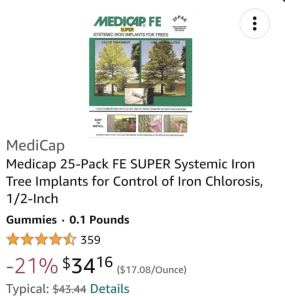
Reviving Your Trees: Treating Untreated Iron Chlorosis for a Lush Landscape

🍂 Are your trees showing signs of fall early? 🌳🍁 It might not be the season, but untreated iron chlorosis could be to blame. This condition can cause leaves to turn yellow, affecting the overall health of your trees. 🌿💧 Give your trees a boost with iron treatment to bring back their vibrant green and ensure their well-being. Don’t let iron chlorosis overshadow your landscape’s beauty! 🌳✨ #TreeCare #IronChlorosis #LandscapeHealth

This has been recommended by a few of our neighbors.

Dog Rocks: Saving Your Lawn from Yellow Marks with a Splash of Magic

We adore our furry companions, but the unsightly yellow burn spots left behind by dog urine can put a damper on our perfectly manicured lawns. Fear not, dear readers, for we have an enchanting solution that will keep your lawn lush and green. Enter the magical world of Dog Rocks!

The Wonders of Dog Rocks:
Dog Rocks, the secret weapon against grass burn spots caused by urine, are a natural mineral supplement that works its mystical powers in your dog’s water bowl. These rocks, derived from an Australian quarry, contain a unique blend of minerals that neutralize the nitrogen found in urine, thus preventing those dreaded yellow patches on your lawn. It’s like having a wizard’s spell cast over your yard!

A Splash of Magic:
Using Dog Rocks is as easy as waving a wand. Simply place the rocks in your dog’s water bowl and let the enchantment begin. As your pup hydrates, the rocks work their magic, filtering out the harmful elements from their urine, and saving your lawn from grass burn spots. It’s like having a tiny team of lawn-saving fairies working tirelessly to keep your yard looking its best.

Dog Rocks are nature’s little secret to preventing grass burn spots caused by dog urine. With their magical properties, these mystical minerals keep your lawn looking lush and green, allowing you to enjoy the beauty of your outdoor space while cherishing the bond with your four-legged friends. Wave goodbye to yellow marks and welcome the wonders of Dog Rocks into your world.

As an Amazon Associate, I earn on qualifying purchases.