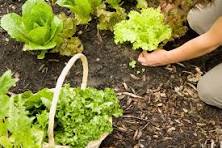
The Farmer and the Seeds: Planting for a Fruitful Life

The parable of The Farmer and the Seeds (traditional) offers a powerful lesson in understanding how our environment and mindset shape the results we achieve. In this story, a farmer scatters seeds, which fall on different types of soil: the hard path, rocky ground, thorny bushes, and good soil. While the seeds on the good soil yield a fruitful harvest, the others fail to grow.

What does this teach us? It emphasizes that the conditions we cultivate in our lives—whether through our mindset, the relationships we nurture, or the environments we place ourselves in—directly affect the outcomes we experience.

  1. Mindset: Like the good soil, a positive and growth-oriented mindset is essential for success. When we approach challenges with resilience and determination, we foster the conditions for growth, even when times are tough.
  2. Environment: Surrounding ourselves with supportive and nurturing people (like good soil) encourages personal development and success. Just as seeds need the right environment to flourish, we too need to ensure that our environments—work, home, and social circles—are conducive to our growth.
  3. Relationships: Relationships, like soil, play a significant role in our personal growth. Some relationships may drain or hinder us, while others can cultivate our abilities and encourage us to reach our potential.

As we begin this new year, reflect on your own “soil.” Are you setting yourself up for success by nurturing the right mindset, cultivating supportive relationships, and surrounding yourself with a positive environment? Small changes to these areas can have a significant impact on the results you achieve.

Remember, just as the farmer’s good soil yields an abundant harvest, the conditions you create today will shape your future.

Fall Flavors: Cooking with Pumpkin—Muffins, Cookies, Lattes & More!

It’s that time of year again—leaves are changing, there’s a crisp chill in the air, and pumpkins are *everywhere*. Whether you’re a full-on pumpkin fanatic or just dabbling in the orange-hued world of fall flavors, there’s something cozy and comforting about cooking with pumpkin. So let’s talk pumpkin treats, shall we?

Pumpkin Muffins with Chocolate Chips: The MVP of Fall 🍫
Ah, pumpkin muffins. Soft, warm, and the perfect snack for a chilly day. I’m personally a big fan of adding chocolate chips to the mix. There’s just something magical about the slightly bitter chocolate cutting through the sweet, spiced pumpkin. It’s the best of both worlds! Imagine a chilly Saturday morning with a hot coffee and a fresh pumpkin muffin—it’s practically fall in a bite.

And if you’re in the mood for something richer, top those muffins with a dollop of cream cheese frosting. It’s like a tiny pumpkin cheesecake in every bite. Just a heads-up: these don’t last long on the counter. One muffin quickly turns into two, and before you know it, you’re contemplating baking another batch.

Pumpkin Cookies: Soft, Chewy & Just Sweet Enough 🍪
For those who want pumpkin spice without the heaviness of a pie, pumpkin cookies are the answer. I like to add a hint of cinnamon and nutmeg, which pairs perfectly with a cup of tea or coffee. These cookies are soft, almost cake-like, with a little chew that makes them irresistible. If you’re feeling adventurous, toss in some chopped nuts or a sprinkle of sea salt for a little twist. These are perfect for sharing at fall gatherings—or, you know, hoarding all to yourself on the couch. No judgment!

Pumpkin Pie: The Classic Everyone Loves 🥧
Of course, we can’t forget the OG—pumpkin pie. This classic is a must at any Thanksgiving table and arguably the dessert of the season. Some swear by extra cinnamon; others add a pinch of cloves or ginger to spice things up. Whatever your style, pumpkin pie brings everyone together, whether you’re a whipped cream purist or go for that sprinkle of powdered sugar.

Pumpkin Spice Latte: The Controversial Hero ☕️
Now, here’s where it gets a little controversial: the pumpkin spice latte. Some folks wait all year for it; others can’t stand the thought. But whether you love it or hate it, the pumpkin spice latte is a fall icon. Personally, I enjoy one every now and then—it’s sweet, spicy, and tastes like autumn itself in a cup. And if PSLs aren’t your thing, pumpkin spice tea is a lighter option that still brings those fall vibes.

Or…Maybe You’re Just Not That Into Pumpkin? 😳
Not everyone is a fan of pumpkin, and that’s totally okay! Maybe apple cinnamon or caramel-flavored treats are more your jam. The beauty of fall is that it brings all kinds of cozy flavors to the table. And if pumpkin’s not for you, there are plenty of other ways to get into the seasonal spirit!

So, What’s Your Pumpkin Go-To?
Are you a pumpkin muffin lover, pie purist, or cookie fanatic? Or maybe you’re ready to try something new this fall? Whatever your preference, fall is the time to dive in and enjoy the flavors of the season.

So grab that can of pumpkin, preheat your oven, and let’s get baking! 🍂🎃

The Comfort of Comfort Food: A Culinary Embrace

What is Comfort Food?

Comfort food is often defined by its nostalgic appeal, simplicity, and heartwarming flavors. These dishes may vary from person to person, influenced by cultural backgrounds and personal experiences. It often evokes feelings of happiness, warmth, and contentment, bringing a sense of security in an often chaotic world.

The Psychology Behind Comfort Food

There’s a psychological aspect to our love for comfort food. When we consume these beloved dishes, our brains release dopamine, the “feel-good” neurotransmitter. This chemical response can provide temporary relief from stress and anxiety. In times of trouble, our instinct is to seek solace in familiar flavors and comforting textures.

Popular Comfort Foods Around the World

1. Macaroni and Cheese (United States): Creamy, cheesy, and utterly satisfying, this dish is a childhood favorite for many Americans.

2. Ramen (Japan): A steaming bowl of ramen, with its rich broth and tender noodles, offers warmth and nourishment.

3. Pasta (Italy): From spaghetti and meatballs to lasagna, Italian pasta dishes embody comfort through their hearty sauces and flavors.

4. Chicken Soup (Various Cultures): Known for its healing properties, chicken soup is a classic remedy for the soul.

5. Poutine (Canada): Fries topped with cheese curds and gravy create a savory, indulgent experience that warms the heart.

6. Mashed Potatoes (United States): Creamy, buttery mashed potatoes are the ultimate side dish that can elevate any meal.

The Role of Comfort Food in Our Lives

Comfort food often finds its way into our lives during significant moments—celebrations, family gatherings, or even times of sadness. It serves as a reminder of love and togetherness, often connecting us to those we cherish. Sharing these meals with family and friends can create lasting memories and strengthen bonds.

Creating Your Comfort Food Experience

You don’t need a special occasion to indulge in comfort food. Here are a few ways to create your own comforting experience at home:

– Cook with Love: Spend time in the kitchen preparing your favorite dish. The process can be therapeutic, and the aromas will fill your space with warmth.

– Savor the Moment: Take your time to enjoy your meal. Put away distractions, set the table, and truly appreciate the flavors and textures.

– Share the Love: Invite friends or family over for a comfort food feast. Sharing food can enhance the joy of the experience.

– Try New Recipes: While classic comfort foods are beloved, don’t hesitate to explore new recipes that excite your palate and become future favorites.

Comfort food is more than just sustenance; it’s a source of joy and connection that nourishes both body and soul. Whether you’re indulging in a nostalgic family recipe or trying something new, allow yourself the pleasure of these comforting dishes. Embrace the warmth they bring, and remember that food has the incredible power to heal, unite, and uplift us. So, go ahead, grab a plate of your favorite comfort food, and savor every delicious bite.

Embracing the End-of-Summer Harvest: A Season of Abundance and Reflection

As summer draws to a close, we find ourselves in a unique and vibrant phase of the gardening calendar: the end-of-summer harvest time. This period is more than just the culmination of months of hard work; it is a celebration of nature’s generosity and the flavors that define our late summer dishes.

A Journey to Abundance

The journey to this bountiful harvest begins long before the first fruits and vegetables make their appearance. It starts with winter planning and dreaming, where gardeners envision their plots and select their favorite seeds. As spring arrives, there’s a tender ritual of nurturing seedlings, ensuring they have the best start possible. Transplanting these young plants into the garden and tending to them through the warm summer days involves commitment and care.

Now, as we stand at the end of summer, the payoff is evident. We are rewarded with a shower of colorful, weighty produce that often catches us off guard with its sheer abundance. The vibrant reds, deep greens, and bright yellows of ripe tomatoes, peppers, squash, and more fill our baskets, overwhelming our senses with their juiciness and aroma.

A Sensory Feast

This season offers the juiciest flavors and the most eye-popping colors, igniting our creativity in the kitchen. It’s a time to cook, create, and preserve. From canning homemade sauces to whipping up fresh salads and roasting vegetables, the options are limitless. Each meal becomes an opportunity to showcase the fruits of our labor, reminding us of the hard work that went into nurturing our gardens.

But while we celebrate the abundance, it’s essential to acknowledge the garden’s transformation. The very plants that once flourished with glossy leaves and vibrant blooms begin to show signs of fatigue. Their branches, heavy with the weight of ripe produce, have faced challenges—bites from hungry insects, sunburned leaves, and the onset of powdery mildew on squash and melons.

A Reflection on Life Cycles

As the garden shifts into this second phase of life, it serves as a reminder of the natural cycles of growth and decline. Though the plants may not be as visually striking as they were at their peak, they are in a different yet equally significant stage: productivity. Each drooping leaf and weathered stem tells a story of resilience and abundance, of life reaching its climax and preparing for the next phase.

This end-of-summer harvest is not just about gathering produce; it’s a moment to reflect on the efforts of the season and the lessons learned along the way. Just as the garden transitions, so too do we embrace change in our own lives.

Celebrating the Harvest

As we gather the last of the summer’s bounty, let’s take a moment to appreciate this unique season of abundance. The end-of-summer harvest is a time for gratitude, creativity, and connection with nature. So, let us celebrate the fruits of our labor, recognizing that every bite is a testament to our hard work and dedication. Whether we’re savoring the last tomatoes or preserving the season’s flavors for the winter months, we honor the journey and the beauty found in every stage of growth.

Easy-to-Grow Plants for Your Garden: Start with Lettuce and More

Starting a garden can feel overwhelming, especially if you’re new to gardening or unsure about what to plant. The good news is that some plants are incredibly easy to grow, making them perfect for beginners or those looking to expand their gardening skills without much hassle. One of the best choices to start with is lettuce, a versatile and fast-growing plant that requires minimal effort. Let’s explore why lettuce and a few other plants are perfect for beginners and how you can easily grow them in your garden.

1. Lettuce: The Perfect Starter Plant

Lettuce is one of the most forgiving plants to grow, making it ideal for new gardeners. Here’s why lettuce is a great choice:

– Quick Growth: Lettuce has a relatively short growing period. Some varieties can be harvested in as little as 30 days, allowing you to enjoy fresh greens soon after planting.

– Low Maintenance: Lettuce doesn’t require much attention. It thrives in cooler weather and can be planted in both spring and fall. Plus, it’s resistant to many common pests, especially if grown in a well-prepared garden bed or container.

– Continuous Harvest: With lettuce, you can use the “cut-and-come-again” method. This means you can harvest outer leaves as needed, and the plant will continue to produce more. This makes it a sustainable choice for fresh salads throughout the season.

– Variety of Choices: There are many types of lettuce, from romaine to butterhead to leaf lettuce, allowing you to experiment with different flavors and textures.

2. Radishes: Quick and Rewarding

Radishes are another great option for beginner gardeners. They grow quickly, with some varieties maturing in just 3-4 weeks. Radishes thrive in cooler weather and can be planted in early spring or fall. They are also a great way to add some color and spice to your garden and meals.

3. Spinach: Nutrient-Packed and Easy to Grow

Spinach is not only easy to grow but also packed with nutrients. It grows well in cool weather and can be planted in early spring or fall. Spinach leaves can be harvested as they grow, providing a steady supply of fresh greens for salads, smoothies, and cooking.

4. Cherry Tomatoes: Little Gems for Your Garden

Cherry tomatoes are perfect for those looking to grow their own tomatoes without the fuss. They require minimal space and can even be grown in containers. Once they start producing, cherry tomatoes offer a bountiful harvest throughout the summer with little effort.

5. Herbs: Basil, Mint, and More

Herbs like basil and mint are easy to grow and can thrive in pots or garden beds. They require little space and provide fresh flavors for cooking. Basil enjoys the warm summer months, while mint is quite hardy and can grow in a variety of conditions.

Tips for Growing Easy Plants in Your Garden

1. Choose the Right Location: Most easy-to-grow plants need plenty of sunlight. Choose a spot in your garden that receives at least 4-6 hours of sun each day.

2. Prepare the Soil: Good soil is key to a healthy garden. Use well-draining soil enriched with compost or organic matter to provide the nutrients your plants need.

3. Water Regularly but Wisely: While these plants are low-maintenance, they still need consistent watering. Water deeply but less frequently to encourage deep root growth.

4. Protect from Pests: Although many easy-to-grow plants are resistant to pests, it’s always a good idea to keep an eye out for any signs of trouble. Simple measures like row covers or natural repellents can help protect your plants.

5. Harvest Often: Regular harvesting encourages plants like lettuce and herbs to continue producing. Enjoy the fruits (and vegetables) of your labor as often as possible!

Starting a garden doesn’t have to be intimidating. By choosing easy-to-grow plants like lettuce, radishes, spinach, cherry tomatoes, and herbs, you can enjoy the benefits of home-grown produce with minimal effort. These plants are perfect for beginners, providing a great introduction to gardening that’s both fun and rewarding.

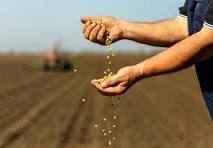
The Value of Preparation: Cultivating Success in Your Garden and Life

In gardening, as in life, success often depends on the groundwork you lay before the first visible signs of progress. Just as a bountiful harvest is the result of careful soil preparation and thoughtful garden planning, the achievements in our personal and professional lives are often rooted in how well we prepare.

Preparing the Soil: The Foundation of Growth

The soil is the foundation of any garden. Before planting, it’s essential to ensure that the soil is rich in nutrients, well-drained, and suitable for the types of plants you want to grow. This preparation might involve testing the soil’s pH, adding compost or fertilizer, and removing weeds or rocks that could hinder growth. Without this careful preparation, even the best seeds may fail to thrive.

In life, preparing the “soil” is equally important. Whether you’re starting a new project, pursuing a career goal, or embarking on a personal journey, the success of your endeavor often depends on how well you prepare. This might mean acquiring new skills, gathering resources, or simply taking the time to understand the challenges ahead. Just like in gardening, a solid foundation increases the chances of success.

Planning the Garden Layout: A Blueprint for Success

Once the soil is prepared, the next step is planning the garden layout. This involves deciding where each plant will go, taking into account factors like sunlight, water needs, and how much space each plant will require as it grows. A well-planned garden maximizes space, ensures that each plant has what it needs to thrive, and helps prevent problems like overcrowding or competition for resources.

In any endeavor, having a plan is crucial. Whether you’re managing a team, organizing an event, or pursuing a long-term goal, planning helps you allocate resources effectively, anticipate challenges, and stay focused on your objectives. Just as a well-planned garden leads to a more abundant harvest, a well-thought-out plan in life increases your chances of achieving your desired outcomes.

The Harvest: Reaping the Rewards of Preparation

When the time comes to harvest, the effort you put into preparing the soil and planning the garden layout pays off. A garden that has been carefully prepared and thoughtfully planned is more likely to produce healthy, abundant crops. The same principle applies in life: when you take the time to prepare and plan, you set yourself up for success.

The satisfaction of a bountiful harvest serves as a reminder of the value of preparation. It’s a testament to the idea that success is rarely accidental; it’s the result of careful planning, hard work, and consistent effort. Whether in the garden or in life, the rewards of preparation are well worth the time and energy invested.

Embrace the Power of Preparation

In both gardening and life, the importance of preparation cannot be overstated. By taking the time to prepare the soil and plan the garden layout, you set the stage for a successful harvest. Similarly, by preparing and planning in your personal and professional endeavors, you increase your chances of achieving your goals.

So, as you nurture your garden or pursue your dreams, remember that preparation is the key to success. Embrace the process, trust in your efforts, and look forward to reaping the rewards of your hard work. After all, a bountiful harvest is not just about the fruits and vegetables you grow—it’s about the growth and fulfillment you experience along the way.

Slaw: The Salad of Summer

https://smittenkitchen.com/

Summer… it’s time to embrace the vibrant flavors and fresh ingredients that define the season. Among the array of delicious salads that come with warmer weather, slaw stands out as a particularly refreshing and versatile option. Whether you’re hosting a backyard barbecue, preparing a family dinner, or simply looking for a crisp, healthy side, slaw is the perfect choice. Let’s dive into why slaw deserves a place at your summer table and how to make it shine.

Why Slaw is the Perfect Summer Salad

1. Crisp and Refreshing
Slaw’s crunchy texture and crisp flavors make it incredibly refreshing on a hot summer day. The combination of cabbage, carrots, and other fresh vegetables provides a satisfying crunch that complements grilled meats and other summer dishes.

2. Versatile and Customizable
One of the best things about slaw is its versatility. While the classic version includes cabbage and carrots, you can customize it with a variety of ingredients. Add apples, radishes, or bell peppers for extra crunch and flavor. Experiment with different dressings, such as a tangy vinaigrette or a creamy mayo-based sauce, to find your perfect blend.

3. Nutrient-Rich
Slaw is not only delicious but also packed with nutrients. Cabbage is rich in vitamins C and K, while carrots provide a good dose of beta-carotene. Adding other vegetables and fruits can boost the nutritional value even further, making slaw a healthful choice for any meal.

4. Easy to Prepare
Preparing slaw is quick and simple. Shred or chop your vegetables, mix them together, and toss with your favorite dressing. It can be made ahead of time and stored in the refrigerator, allowing the flavors to meld together and making it an ideal option for meal prepping.

Creative Variations

1. Asian Slaw: Add sliced almonds, mandarin oranges, and a sesame-ginger dressing for a twist on the classic.

2. Southwestern Slaw: Mix in black beans, corn, and a lime-cilantro dressing for a southwestern flair.

3. Apple and Cranberry Slaw: Incorporate thinly sliced apples and dried cranberries with a honey mustard dressing for a sweet and tangy variation.

Pairing Slaw with Summer Meals

Slaw pairs wonderfully with a variety of summer dishes. Serve it alongside grilled chicken, burgers, or fish tacos for a well-rounded meal. It also makes a great topping for sandwiches and wraps, adding a crunch and burst of flavor.

In summary, slaw is more than just a side dish—it’s a versatile, nutritious, and delicious addition to any summer menu. Its refreshing crunch and customizable flavors make it a favorite for outdoor gatherings and everyday meals alike. So, embrace the season and make slaw the star of your summer table!

poolside sesame slaw

Understanding Bloated Meat Packaging: Is Your Meat Still Safe to Eat?

Have you ever picked up a package of ground beef or steak from the grocery store only to find it encased in bloated plastic packaging? It can be concerning, especially when you’re unsure if the meat is still safe to eat. Let’s dive into why meat packaging bloats and what you should do if you encounter it.

What Causes Meat Packaging to Bloat?

There are a couple of reasons why you might find your meat packaging swelling with air. One common cause is a process called Modified Atmosphere Packaging (MAP). According to the United States Department of Agriculture (USDA), MAP replaces some or all of the oxygen in the package with other gases like nitrogen and carbon dioxide. This process slows microbial growth and oxidation, preserving the meat’s freshness, quality, and color while reducing food waste.

Jessica Gavin, a Certified Food Scientist, explains that puffiness in packaging is normal with MAP. However, excessive bloating can indicate microbial spoilage from gases produced by bacteria. This is especially true for meat with high unsaturated fats or high pH levels, which spoil faster and benefit from vacuum sealing to eliminate oxygen completely.

Is It Safe to Eat Meat in Bloated Packaging?

The big question is whether you should eat meat from bloated packaging. According to Gavin, if the bloating is due to microbial contamination, it’s best to avoid eating the meat. While not all spoilage organisms are harmful, some can cause off flavors, odors, or color changes. Meat packages that are only slightly puffy due to MAP might still be safe, but it’s better to be cautious.

Katie Heil, a Certified Professional in Food Safety, advises avoiding bloated vacuum-sealed products as they are likely spoiled. It’s always better to err on the side of caution when it comes to food safety.

Safety Tips for Buying Meat

When purchasing meat, there are a few important factors to consider:

1. Temperature: Ensure the meat is refrigerated at the correct temperature of below 41°F. Look for condensation in or on the packaging or overcrowded refrigeration units, which might indicate improper temperature control.

2. Package Integrity: Check that the packaging is clean and intact. Avoid items with leaking or bulging packages.

3. Color, Odor, and Texture: Don’t buy meat with unexpected color, smell, or sliminess. Press on the meat; if it leaves an imprint, it’s best to avoid it.

Bloated meat packaging can be a sign of spoilage or simply a result of MAP. However, it’s crucial to be cautious. Avoid consuming meat from overly bloated packages and follow safety tips when buying meat to ensure you’re getting a fresh and safe product.

https://www.yahoo.com/lifestyle/now-know-why-meat-packaging-190000754.html


The Benefits of Cover Crops in Summer

Cover crops are often associated with the off-season when fields are not producing cash crops. However, planting cover crops in the summer can yield significant benefits for soil health and overall farm productivity. Let’s explore how cover crops can improve soil health and identify the best cover crops to plant during the summer months.

How Cover Crops Improve Soil Health

1. Enhancing Soil Structure- Root Systems: The root systems of cover crops penetrate and break up compacted soil, improving soil structure and aeration. This helps create a more porous soil that can better absorb water and nutrients.
– Organic Matter: As cover crops grow and decompose, they add organic matter to the soil. This organic matter enhances soil structure, increases water retention, and promotes the activity of beneficial soil organisms.

2. Suppressing Weeds- Natural Competition: Cover crops compete with weeds for light, water, and nutrients, effectively suppressing weed growth. This reduces the need for chemical herbicides and manual weeding.
-Ground Cover:By covering the soil, these crops prevent weed seeds from getting the light they need to germinate and grow.

3. Improving Nutrient Availability

Nitrogen Fixation:Certain cover crops, such as legumes, have the ability to fix atmospheric nitrogen and convert it into a form that plants can use. This natural fertilization process reduces the need for synthetic nitrogen fertilizers.
– Nutrient Recycling: Cover crops can absorb excess nutrients from the soil, preventing them from leaching away. When the cover crops decompose, these nutrients are released back into the soil, making them available for the next planting season.

4. Erosion Control

Why It Matters:
– Soil Protection: Cover crops protect the soil from erosion caused by wind and water. Their roots help bind the soil together, while their foliage shields the soil surface from direct impact.
– Sediment Reduction: By preventing erosion, cover crops reduce sediment runoff into waterways, helping to protect water quality.

Best Cover Crops to Plant in the Summer

1. Buckwheat

Why It’s Great:
– Quick Growth: Buckwheat grows rapidly, making it an excellent choice for summer planting. It can quickly cover the ground and outcompete weeds.
– Soil Loosening: Its extensive root system helps to break up compacted soil, improving soil structure.

2. Cowpeas

Why It’s Great:
– Nitrogen Fixation: As a legume, cowpeas fix nitrogen in the soil, enriching it for subsequent crops.
– Heat Tolerance: Cowpeas thrive in hot summer conditions and can withstand drought, making them ideal for summer cover cropping.

3. Sorghum-Sudangrass

Why It’s Great
– Biomass Production: Sorghum-Sudangrass produces a large amount of biomass, which can be tilled back into the soil to add organic matter.
– Weed Suppression: Its dense growth habit effectively suppresses weeds.

4. Sunn Hemp

Why It’s Great:
– Soil Improvement: Sunn hemp is excellent for improving soil health through nitrogen fixation and organic matter addition.
– Pest Management: It can also help manage nematodes and other soil pests.

Planting cover crops in the summer offers numerous benefits, from enhancing soil structure and suppressing weeds to improving nutrient availability and controlling erosion. By choosing the right cover crops, such as buckwheat, cowpeas, sorghum-sudangrass, and sunn hemp, farmers can promote soil health and boost overall farm productivity. Embrace the benefits of summer cover cropping to sustain and improve your agricultural practices.

The Importance of Local Produce

In a world where convenience often trumps quality, it’s essential to recognize the significant benefits of choosing local produce. Supporting local farmers, enjoying health benefits, and fostering community connections are just a few reasons why local produce matters.

Supporting Local Farmers

Economic Impact:
-Keeping Money Local: When you purchase local produce, you directly support farmers in your community, contributing to the local economy. This ensures that the money you spend stays within the community, creating a positive economic cycle.
– Boosting Local Employment: By supporting local farms, you’re helping sustain jobs and create new ones, boosting the overall economic health of your area.

Sustainable Practices:
– Environmentally Friendly: Local farms often adopt sustainable farming practices that are less harmful to the environment. These methods can include crop rotation, organic farming, and reduced use of pesticides and herbicides.
– Healthier Planet: Supporting local, sustainable farms means you’re contributing to a healthier planet. Sustainable practices reduce soil degradation, preserve water resources, and promote biodiversity.

Health Benefits

Freshness and Nutrition:
– Maximized Nutrients: Local produce is typically fresher because it doesn’t have to travel long distances to reach you. Fresher produce retains more nutrients, providing better health benefits.
– Seasonal Eating:Consuming fresh, seasonal produce can enhance overall health and well-being. Seasonal fruits and vegetables are often at their nutritional peak, offering the best flavor and quality.

Reduced Carbon Footprint:
– Lower Emissions: Buying locally reduces the carbon footprint associated with the transportation of food. This means fewer greenhouse gases are emitted, helping to combat climate change.
– Sustainable Choice: By choosing local produce, you’re making an environmentally sustainable choice that supports long-term ecological health.

Community Connection

Building Relationships:
– Strengthening Bonds:vPurchasing from local farmers and attending events like the Summer Harvest Festival fosters a sense of community. These interactions build relationships and strengthen the bond between farmers and consumers.
Supporting Each Other: When you know where your food comes from and who grows it, you develop a deeper appreciation for the hard work and dedication involved in farming.

Choosing local produce is a simple yet powerful way to support your community, improve your health, and promote environmental sustainability. By supporting local farmers, enjoying fresher and more nutritious food, and fostering community connections, you’re making a positive impact that extends far beyond your kitchen. Embrace the benefits of local produce and become a part of a healthier, more sustainable future.