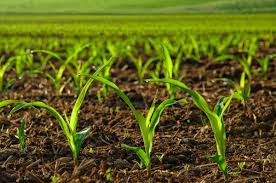
Start Seeds Indoors: Get a Head Start on Your Garden


Spring is just around the corner, and if you’re eager to get a jump on the growing season, starting seeds indoors is a great way to do it! Whether you’re growing tomatoes, peppers, or other warm-season crops, giving your plants an early start can lead to stronger, healthier harvests.

Why Start Seeds Indoors?

Starting seeds indoors allows you to:
✅ Extend the growing season, especially in cooler climates.
✅ Control growing conditions for stronger, healthier plants.
✅ Save money by growing your own plants instead of buying seedlings.

How to Start Seeds Indoors

1️⃣ Choose the Right Seeds

  • Tomatoes, peppers, and eggplants are excellent candidates for indoor starting.
  • Check seed packets for recommended planting dates based on your region.

2️⃣ Pick the Right Containers

  • Use seed trays, small pots, or even repurposed containers with drainage holes.
  • Peat pots or biodegradable seed-starting trays make transplanting easier.

3️⃣ Use Quality Soil

  • Regular garden soil is too heavy; use a light, well-draining seed-starting mix.
  • Moisten the soil before planting seeds to ensure even water distribution.

4️⃣ Provide Proper Lighting

  • Place trays near a sunny window or use grow lights for 12-16 hours a day.
  • Keep lights about 2-3 inches above the seedlings to prevent legginess.

5️⃣ Water and Care for Your Seedlings

  • Keep the soil consistently moist but not soggy.
  • Use a spray bottle or bottom watering method to avoid disturbing delicate roots.

Hardening Off: The Key to a Successful Transition

Before moving your plants outside, they need to adjust to outdoor conditions. Here’s how:
🌱 Start by placing seedlings outside in a shaded area for a few hours.
🌞 Gradually increase their exposure to sunlight and outdoor elements over 7-10 days.
🌬️ Avoid transplanting during extreme weather—choose a mild, overcast day instead.

By taking the time to start seeds indoors and properly harden them off, you’ll set your garden up for success! 🌱✨ What are you planning to grow this season?


Patience is Key: Don’t Get Frustrated When Your Puppy Isn’t Potty Trained Yet

Bringing a new puppy into your home is an exciting and rewarding experience, but it comes with its share of challenges. One of the most common hurdles many new puppy parents face is potty training. It can be easy to get frustrated when your puppy isn’t quite getting the hang of going potty outside just yet, but remember—patience is essential.

The Puppy Potty Training Journey

Potty training is a process that takes time, and every puppy is different. Some may catch on quickly, while others need a little extra help and repetition. It’s important to keep in mind that your puppy is still learning and adjusting to their new environment. It may take a few weeks—or even months—before they fully understand where it’s appropriate to go.

Why Your Puppy Isn’t Going Outside (Just Yet)

There are a few reasons why your puppy might not be potty trained immediately:

  1. Age and Development: Puppies, like babies, don’t have full control over their bladders and bowels until they’re a little older. Typically, puppies aren’t fully potty trained until they’re between 4-6 months old, though it can vary.
  2. Routine and Consistency: Puppies thrive on routine. If you’re not taking them outside regularly or on a consistent schedule, they may not associate the outdoors with potty time yet. Try to take them out at least every two hours, after meals, and right after naps.
  3. Distractions: Puppies are curious and easily distracted, especially when they’re outside. They might get so caught up in exploring their surroundings that they forget why they’re out there. Stay patient and persistent, and keep the focus on potty time until they get the hang of it.
  4. Not Enough Praise: Puppies respond well to positive reinforcement. If they do their business outside, shower them with praise and treats to reinforce the behavior. It will help them understand that going potty outside is a good thing!

Tips to Stay Calm and Patient During Potty Training

  1. Set Realistic Expectations: Potty training takes time. It’s normal for accidents to happen, and getting frustrated will only add stress to the situation. Keep your expectations in check and give your puppy the time they need to learn.
  2. Create a Positive Environment: Make potty time an enjoyable experience for your puppy. Take them to the same spot every time, so they recognize the area, and be sure to reward them for doing the right thing.
  3. Be Consistent: Stick to a routine. Puppies learn best when their schedule is predictable, so make sure you take them outside at the same times each day. Consistency is key to success.
  4. Clean Up Accidents Properly: If your puppy has an accident indoors, clean the area thoroughly with an enzymatic cleaner to remove any scent. This will prevent them from thinking it’s okay to go in that spot again.
  5. Remember, It’s a Phase: Potty training can be frustrating, but it’s important to remember that it’s just a phase. With patience, persistence, and consistency, your puppy will eventually get the hang of it and learn where they should go.

When to Seek Help

If your puppy is still having trouble after several weeks of training, it might be a good idea to consult with a vet or a professional dog trainer. There could be underlying medical issues or behavioral concerns that need to be addressed.

Above all, remember that your puppy is still a little one and learning everything for the first time. With patience, love, and consistency, your puppy will be potty trained before you know it. Until then, take a deep breath and embrace the journey—it’s a big part of their growth and your bond!

Valentine’s Day and Seeing Success in Your Garden: A Love Story with Your Plants

Valentine’s Day is a time to celebrate love, and what better way to honor this day than by recognizing the growth and beauty around us, especially in our gardens? Gardens, like relationships, require patience, care, and dedication. And as the season begins to change, there’s no better time to reflect on the love you’ve poured into your garden and the success you’re seeing as a result.

The Love and Care Your Garden Needs

Much like any meaningful relationship, gardening takes time and effort. It’s not just about planting seeds and hoping for the best—it’s about consistently caring for your plants, giving them the right conditions to thrive, and tending to them with love.

  • Prepare Your Soil: Just as we need a solid foundation in relationships, your garden needs nutrient-rich soil. Fertilize, aerate, and ensure that the soil is ready for your plants to grow strong.
  • Water and Feed: Love requires nourishment, and so does your garden. Regular watering and feeding are essential to ensure that your plants have everything they need to flourish.
  • Patience: Growth doesn’t happen overnight. Just like in life and love, you need to be patient and allow time for things to develop. Keep tending to your garden, and over time, you’ll see the fruits of your labor.

Signs of Success in Your Garden

As you work through the season, you’ll start to see signs of success in your garden. Here are a few heartwarming moments to look forward to:

  • First Sprouts: The first little green shoots poking through the soil are a beautiful reminder that all your hard work is paying off. These sprouts symbolize the beginning of something amazing.
  • Blooming Flowers: There’s nothing quite like the joy of seeing your plants bloom. Whether it’s the first flower of the season or a vibrant new crop of veggies, blooming plants signify your garden’s success and your care.
  • Healthy Growth: As your plants continue to grow strong and vibrant, you’ll see the evidence of your efforts. Healthy leaves, sturdy stems, and abundant flowers or fruits are all signs that your garden is thriving.

Love Your Garden, and It Will Love You Back

Much like love itself, gardening is a journey filled with ups and downs. Some days your plants may struggle, and other days, they may soar. But through it all, the key is to remain dedicated and to find joy in the small moments. Success in gardening isn’t always about achieving perfection—it’s about nurturing life and finding beauty in the process.

So, this Valentine’s Day, take a moment to appreciate the success in your garden. Celebrate the growth you’ve witnessed, both in your plants and in your own life. The love you give to your garden is returned in the form of flowers, fresh vegetables, and the joy of seeing life thrive.

Happy Valentine’s Day—may your garden always grow strong, and may the love you cultivate within it bring you endless joy! 🌹🌱

The Farmer’s Almanac: A Timeless Guide for Gardeners and Farmers

For centuries, the Farmer’s Almanac has been a trusted resource for farmers, gardeners, and anyone seeking wisdom about nature, weather, and the changing seasons. Packed with practical advice, planting schedules, long-range weather forecasts, and folklore, this annual publication continues to serve as a guide to living in harmony with the land.

A Brief History

The Farmer’s Almanac was first published in 1818, though similar almanacs have existed for much longer. It was designed to provide weather predictions, agricultural tips, and helpful hints for rural communities. Over time, it has evolved, incorporating modern science while still holding onto its traditional roots.

What’s Inside?

Each edition of the Farmer’s Almanac contains:

  • Long-Range Weather Forecasts – Based on a secret formula, these forecasts help farmers and gardeners plan for the seasons ahead.
  • Planting Calendars – Ideal for those who follow moon cycles and traditional wisdom when planting their crops.
  • Gardening Tips – From pest control to soil care, the almanac offers practical advice for growing a successful garden.
  • Folklore and Natural Remedies – Old-fashioned wisdom about everything from predicting rain to home remedies for common ailments.
  • Astronomical Events – Guides to eclipses, meteor showers, and the best times to observe the night sky.

Why People Still Use It Today

Despite modern technology and advanced weather forecasting, the Farmer’s Almanac remains popular because of its blend of science, tradition, and practical advice. Many gardeners still swear by its planting guides, and weather enthusiasts enjoy comparing its predictions with actual conditions.

How to Use It for Gardening

If you’re a gardener, here are a few ways to make the most of the Farmer’s Almanac:

  1. Check the Frost Dates – Knowing the average first and last frost dates helps you plan your planting schedule.
  2. Follow the Moon Phases – Some believe that planting by the moon leads to better harvests. The almanac provides a detailed lunar planting guide.
  3. Take Note of Weather Patterns – While not always 100% accurate, long-range weather predictions can help you prepare for potential droughts or heavy rains.

The Farmer’s Almanac is more than just a book; it’s a tradition passed down through generations. Whether you’re a serious farmer, a backyard gardener, or simply enjoy seasonal wisdom, it remains a valuable and entertaining resource.

https://amzn.to/4hUAGqF

Finding Balance: Lessons from the Garden

In the garden, plants thrive when they receive the right balance of water, sunlight, and nutrients. Too much of one, and they may wilt; too little, and they won’t grow. It’s a delicate dance, a harmonious relationship between nature’s elements. In many ways, our lives mirror this cycle. Just as plants require balance to flourish, we need balance in our own lives for growth and well-being. Work, rest, and relationships must be nurtured in the right proportions for us to thrive.

The Importance of Balance in Life

Life is often a juggling act—work demands our attention, relationships pull us in different directions, and our own need for rest is sometimes overlooked. Much like a garden that requires a thoughtful combination of water, sunlight, and soil, we need to pay attention to different areas of our lives to maintain our overall health and happiness.

  1. Work: The Sunlight of Productivity

    In the garden, sunlight is crucial for growth. Without it, plants cannot thrive. Similarly, work and productivity are essential for our own growth—whether it’s personal development, career success, or pursuing our passions. However, just as too much sunlight can scorch a plant, overworking ourselves can lead to burnout. We need enough light to help us grow but also shade to prevent damage.

    Striking a balance between productivity and rest allows us to give our best at work without compromising our health or personal life. Set boundaries, prioritize tasks, and make space for rest.

  2. Rest: The Water for Recovery

    Plants rely on water to stay hydrated and healthy. Without it, they can’t absorb the nutrients they need, and they begin to wither. Likewise, rest is the water we need to recharge and stay balanced. When we don’t prioritize rest, we can’t function at our highest level, and our overall well-being suffers.

    Rest doesn’t just mean sleep—it’s about taking time to unplug, disconnect, and recharge. Whether it’s enjoying a hobby, meditating, or simply doing nothing, taking time to relax helps restore our mental, emotional, and physical health.

  3. Relationships: The Soil That Nurtures Us

    Just as soil provides a foundation for a plant’s roots, relationships ground and nourish us. We need a solid support system—family, friends, colleagues, or community—who help us weather life’s challenges and celebrate our successes. Without healthy, meaningful relationships, we can feel disconnected, like a plant deprived of nutrients.

    Cultivating strong relationships requires time, effort, and understanding. Just as plants need regular care, so do our connections with others. By giving and receiving love, support, and encouragement, we ensure that our personal garden of relationships flourishes.

How to Find Balance in Your Life

Just as in the garden, achieving balance in life is an ongoing process. Here are a few tips to help you find your equilibrium:

  • Prioritize Your Health: Just like plants need water and sunlight to grow, your body needs rest, nutrition, and exercise. Take care of yourself so you can take care of everything else.
  • Set Boundaries: Learn to say no when you need to. Just as too much sunlight can be harmful to plants, overcommitting yourself can lead to stress and burnout.
  • Focus on What Matters: In the garden, we must tend to the most important plants. Similarly, focus on the relationships and tasks that matter most to your happiness and fulfillment.
  • Be Flexible: Sometimes the weather changes unexpectedly, and we must adjust. Life doesn’t always go as planned, so being adaptable is key to finding balance.
  • Make Time for Yourself: Ensure that you have regular breaks and time away from work or social obligations to rest and recharge.

In the same way that a garden thrives when it receives the right amount of water, sunlight, and care, our lives require balance to grow and flourish. By tending to the different areas of our lives—work, rest, and relationships—we can nurture ourselves, avoid burnout, and achieve a sense of well-being. Just as every plant needs a unique balance of elements, each of us must discover our own ideal mix to thrive. Remember, life isn’t about perfection, it’s about finding harmony in the rhythms of your own journey.

What are some ways you maintain balance in your life?


What Farmers Can Do About the Current Egg Shortage: Strategies for Resilience

In recent months, grocery store shelves across the U.S. have been left with empty or nearly empty egg sections. From pasture-raised to organic, consumers are struggling to find their preferred eggs, and the problem isn’t showing signs of disappearing anytime soon. While many factors contribute to the shortage—including supply chain issues, avian flu, and rising feed costs—farmers can take proactive steps to weather the storm and keep their businesses running smoothly.

If you’re a farmer in the egg industry, here are a few strategies to consider in response to the current crisis:

1. Diversify Your Egg Production

One of the first things farmers can do is diversify the types of eggs they produce to appeal to a wider market.

  • Offer a variety of egg types: If you’re focusing on one specific type of egg, like organic or pasture-raised, now may be the time to explore other options like free-range or omega-3 enriched eggs.
  • Consider niche markets: Think about special offerings like brown eggs, colored eggs, or eggs from heritage breeds. These unique products can help differentiate your farm and attract customers.

2. Build Strong Direct-to-Consumer Sales Channels

While supermarket shelves may be empty, there’s a growing opportunity for farmers to directly connect with consumers.

  • Farmers’ markets: If you aren’t already, consider setting up a booth at local farmers’ markets where consumers can buy directly from you.
  • Subscription services: Offer egg delivery subscriptions to your local community. People love the convenience, and it ensures that they always have fresh eggs while you build a loyal customer base.
  • Online presence: Create or enhance your online presence through social media and e-commerce platforms where people can place orders directly from your farm.

3. Focus on Animal Health and Sustainability

The egg shortage has brought attention to the importance of raising healthy, well-cared-for chickens. Sustainable and humane farming practices are in high demand.

  • Pasture management: Invest in sustainable and regenerative farming practices to maintain the health of your hens and their environment. Healthy hens will produce higher-quality eggs, which will make your product stand out.
  • Feed and nutrition: Proper nutrition is essential for high egg production. Evaluate your feed and consider sourcing local grains to mitigate rising feed costs. Consider growing your own feed or forming co-ops with other local farmers to reduce costs.
  • Health protocols: Ensure biosecurity measures are in place to prevent diseases like avian flu from impacting your flock. A healthy flock means less disruption to egg production.

4. Collaborate with Other Farmers and Industry Leaders

Farmers don’t have to face the challenges of the egg shortage alone. By working together, we can build stronger, more resilient communities.

  • Join co-ops: Pooling resources with other local farmers can help with purchasing feed, equipment, and even marketing efforts to reach more customers.
  • Advocate for the industry: Work with industry leaders to advocate for policies that support egg farmers, such as subsidies or grants that help alleviate financial burdens caused by rising costs.
  • Collaborate on research: Partner with agricultural organizations to stay on top of the latest research and best practices for egg production during challenging times.

5. Improve Marketing and Transparency

In times of shortage, consumers are more likely to support local farmers they trust. To gain consumer confidence, be transparent about your practices and share your story.

  • Transparency: Be open about how your eggs are produced, your farming practices, and what makes your eggs different. This will build trust with consumers.
  • Storytelling: People want to know where their food comes from. Share your journey and the care you take in raising your hens. Show the behind-the-scenes of your farm through social media or farm tours.
  • Packaging and labeling: Make sure your eggs are clearly labeled with important information such as “pasture-raised,” “organic,” or “local.” This will help consumers make informed decisions.

6. Educate Consumers About the Value of Local Eggs

The egg shortage can be a great opportunity to educate your community on the value of local, sustainably raised eggs.

  • Promote the benefits: Highlight the nutritional advantages of locally produced eggs, like higher omega-3 content and better flavor.
  • Offer farm tours: Provide educational tours where consumers can see your farm in action, learn about how your eggs are produced, and understand the care you take with your hens.
  • Work with schools and local businesses: Partner with local schools or restaurants to introduce your eggs to a larger audience.

While the egg shortage has certainly created challenges, it also presents opportunities for farmers to become more resilient, creative, and connected with their local communities. By diversifying egg production, building strong relationships with consumers, and embracing sustainable farming practices, farmers can thrive in these challenging times.

The egg shortage may not be over soon, but your ability to adapt and innovate can help your farm stand strong. Farmers are essential to the food supply chain, and with determination and resilience, we can continue to meet the needs of consumers while building a more sustainable future for egg production.

4 Potty Training Tips for Puppies Who Won’t Go Outside but Have Accidents Inside

Potty training a puppy can be challenging—especially when they refuse to do their business outside but have accidents as soon as they come back in. This common frustration can be caused by distractions, anxiety, or a lack of routine. The good news? With patience and the right approach, you can teach your pup to go potty where they should. Here are four potty training strategies to help.

1. Extend Outdoor Time and Minimize Distractions

Some puppies get easily distracted outside—sniffing, exploring, and playing rather than focusing on going potty. Instead of bringing your puppy inside right away, try extending their time outside.

  • Stay outside for an extra 5–10 minutes after they first hesitate.
  • Keep them on a leash to prevent wandering.
  • Take them to a consistent potty spot each time.

If they don’t go after a reasonable time, bring them inside but keep them on the leash and try again in 5–10 minutes. This prevents immediate accidents and reinforces the idea that potty time happens outside.

2. Use a Trigger Word or Cue

Puppies can learn verbal cues for potty time just like they learn sit or stay. Each time you take your puppy outside, use a consistent phrase like:

  • “Go potty!”

Say the cue in a calm, encouraging voice. When they finally go, praise them immediately and offer a small treat. Over time, they’ll associate the cue with the action, making potty training smoother.

3. Reward Immediately After They Go

Timing is everything with rewards! If your puppy goes outside, immediately praise and give them a treat. Doing this right after they finish (not after they come back inside) reinforces the correct behavior.

Pro tip: Keep a small treat pouch near the door so you’re always ready to reward success.

4. Limit Indoor Freedom Until They’re Reliable

If your puppy consistently has accidents right after coming inside, try limiting their freedom indoors until they learn to potty outside. Here’s how:

  • After coming inside, keep them on a leash or in a playpen for 5–10 minutes.
  • If they show signs of needing to go (sniffing, circling), take them right back outside.
  • Over time, as they get better, gradually give them more freedom indoors.

Potty training takes time, but with patience, consistency, and positive reinforcement, your puppy will learn where to go. Extending outdoor time, using a potty cue, rewarding immediately, and limiting indoor freedom can make a big difference in teaching good habits. Stick with it, and soon your puppy will reliably do their business where they should!

https://amzn.to/4aKodmU

3 Tips for Bringing a Puppy Home: Setting Up for Success

Bringing a new puppy into your home is an exciting and rewarding experience, but it also requires preparation. From setting up their space to creating a safe environment, the right steps can help ensure a smooth transition for both you and your new furry friend. Here are three tips to make the process easier—one of which includes a simple yet effective item: a waterproof blanket.

1. Set Up a Comfortable Space

Puppies need their own space where they feel safe, secure, and comfortable. Before bringing your new pup home, designate an area for their bed, food, water, and toys. If possible, create a quiet spot away from high-traffic areas to help them settle in without feeling overwhelmed.

Don’t forget to make this space cozy and inviting with soft bedding and a few familiar items like a blanket or a stuffed toy. A comfortable, consistent space is essential for your puppy to adjust to their new environment.

2. Use a Waterproof Blanket for Easy Cleanup

Accidents are inevitable when bringing a puppy home, whether it’s during potty training or just their playful explorations. One of the best ways to prepare for these situations is by using a waterproof blanket.

Place it on their bed or in their play area to protect furniture and carpets from spills, drool, and accidents. Waterproof blankets are easy to clean and can help minimize stress when your puppy has an “oops” moment. Plus, they’re versatile enough to use during travel or as an extra layer of protection during nap time.

3. Be Patient and Establish a Routine

Puppies thrive on routine. From feeding times to potty breaks, having a consistent schedule helps your puppy understand what to expect. Be patient during the first few days as they adjust to their new home.

Remember, patience is key during this learning period. Praise and reward good behavior, and gently guide them when mistakes happen. Keep their training consistent, and they will begin to feel at ease in their new home.

Bringing a puppy into your home is a joyful occasion, and a little preparation can go a long way in helping them adjust. By setting up a comfortable space, using a waterproof blanket for easy cleanup, and establishing a routine, you’re setting your puppy up for success in their new home. With patience, love, and a few helpful tools, your puppy will quickly become a beloved member of your family.

https://amzn.to/42FeOez

Embracing the End-of-Summer Harvest: A Season of Abundance and Reflection

As summer draws to a close, we find ourselves in a unique and vibrant phase of the gardening calendar: the end-of-summer harvest time. This period is more than just the culmination of months of hard work; it is a celebration of nature’s generosity and the flavors that define our late summer dishes.

A Journey to Abundance

The journey to this bountiful harvest begins long before the first fruits and vegetables make their appearance. It starts with winter planning and dreaming, where gardeners envision their plots and select their favorite seeds. As spring arrives, there’s a tender ritual of nurturing seedlings, ensuring they have the best start possible. Transplanting these young plants into the garden and tending to them through the warm summer days involves commitment and care.

Now, as we stand at the end of summer, the payoff is evident. We are rewarded with a shower of colorful, weighty produce that often catches us off guard with its sheer abundance. The vibrant reds, deep greens, and bright yellows of ripe tomatoes, peppers, squash, and more fill our baskets, overwhelming our senses with their juiciness and aroma.

A Sensory Feast

This season offers the juiciest flavors and the most eye-popping colors, igniting our creativity in the kitchen. It’s a time to cook, create, and preserve. From canning homemade sauces to whipping up fresh salads and roasting vegetables, the options are limitless. Each meal becomes an opportunity to showcase the fruits of our labor, reminding us of the hard work that went into nurturing our gardens.

But while we celebrate the abundance, it’s essential to acknowledge the garden’s transformation. The very plants that once flourished with glossy leaves and vibrant blooms begin to show signs of fatigue. Their branches, heavy with the weight of ripe produce, have faced challenges—bites from hungry insects, sunburned leaves, and the onset of powdery mildew on squash and melons.

A Reflection on Life Cycles

As the garden shifts into this second phase of life, it serves as a reminder of the natural cycles of growth and decline. Though the plants may not be as visually striking as they were at their peak, they are in a different yet equally significant stage: productivity. Each drooping leaf and weathered stem tells a story of resilience and abundance, of life reaching its climax and preparing for the next phase.

This end-of-summer harvest is not just about gathering produce; it’s a moment to reflect on the efforts of the season and the lessons learned along the way. Just as the garden transitions, so too do we embrace change in our own lives.

Celebrating the Harvest

As we gather the last of the summer’s bounty, let’s take a moment to appreciate this unique season of abundance. The end-of-summer harvest is a time for gratitude, creativity, and connection with nature. So, let us celebrate the fruits of our labor, recognizing that every bite is a testament to our hard work and dedication. Whether we’re savoring the last tomatoes or preserving the season’s flavors for the winter months, we honor the journey and the beauty found in every stage of growth.

South Dakota Farm Real Estate Values and Cash Rents See Increases

The agricultural landscape in South Dakota is experiencing significant changes, according to the latest survey by the USDA’s National Agricultural Statistics Service. The report indicates a noteworthy 6% increase in farm real estate value from the previous year. Additionally, cash rents have risen, with irrigated cropland seeing an increase of $6 per acre, dryland going up by $5 per acre, and pasture rents increasing by $1.50 per acre.

The Impact on Farmers and Landowners

Erik Gerlach, a state statistician for the USDA, explains that the perception of these increases varies based on whether you are a landowner or a renter. For those paying cash rent, the rising demand and costs for land can strain budgets, especially for farmers who rent a significant portion of their land. As we look ahead to 2024, this could pose challenges given that crop prices are not expected to be favorable despite potentially good yields.

Conversely, landowners stand to benefit from these increases. If they have minimal liabilities, the higher land values can positively impact their balance sheets. This dichotomy illustrates the varying effects of the agricultural market’s current trends.

Regional Trends and Comparisons

The survey also highlights that these increases are not isolated to South Dakota but are consistent across the Great Plains. Neighboring states like Iowa, Minnesota, Nebraska, and North Dakota are experiencing similar trends. However, the specific values per acre differ due to the varying types of farmland across these regions. For example, South Dakota’s western part has more rangeland, resulting in different average values compared to states with more irrigated cropland like Iowa and Nebraska.

A Four-Year Trend

This marks the fourth consecutive year that South Dakota has seen an increase in farm real estate value. This trend reflects broader economic factors and market demands influencing the agricultural sector.

Looking Ahead

As these changes continue to shape the agricultural landscape, it’s crucial for both landowners and renters to stay informed and adapt their strategies accordingly. While the rising values and rents pose challenges for some, they also present opportunities for others.

https://www.sdpb.org/business-economics/2024-08-06/new-survey-shows-increases-in-farmland-real-estate-value-cash-rents