Understanding Bloated Meat Packaging: Is Your Meat Still Safe to Eat?

Have you ever picked up a package of ground beef or steak from the grocery store only to find it encased in bloated plastic packaging? It can be concerning, especially when you’re unsure if the meat is still safe to eat. Let’s dive into why meat packaging bloats and what you should do if you encounter it.

What Causes Meat Packaging to Bloat?

There are a couple of reasons why you might find your meat packaging swelling with air. One common cause is a process called Modified Atmosphere Packaging (MAP). According to the United States Department of Agriculture (USDA), MAP replaces some or all of the oxygen in the package with other gases like nitrogen and carbon dioxide. This process slows microbial growth and oxidation, preserving the meat’s freshness, quality, and color while reducing food waste.

Jessica Gavin, a Certified Food Scientist, explains that puffiness in packaging is normal with MAP. However, excessive bloating can indicate microbial spoilage from gases produced by bacteria. This is especially true for meat with high unsaturated fats or high pH levels, which spoil faster and benefit from vacuum sealing to eliminate oxygen completely.

Is It Safe to Eat Meat in Bloated Packaging?

The big question is whether you should eat meat from bloated packaging. According to Gavin, if the bloating is due to microbial contamination, it’s best to avoid eating the meat. While not all spoilage organisms are harmful, some can cause off flavors, odors, or color changes. Meat packages that are only slightly puffy due to MAP might still be safe, but it’s better to be cautious.

Katie Heil, a Certified Professional in Food Safety, advises avoiding bloated vacuum-sealed products as they are likely spoiled. It’s always better to err on the side of caution when it comes to food safety.

Safety Tips for Buying Meat

When purchasing meat, there are a few important factors to consider:

1. Temperature: Ensure the meat is refrigerated at the correct temperature of below 41°F. Look for condensation in or on the packaging or overcrowded refrigeration units, which might indicate improper temperature control.

2. Package Integrity: Check that the packaging is clean and intact. Avoid items with leaking or bulging packages.

3. Color, Odor, and Texture: Don’t buy meat with unexpected color, smell, or sliminess. Press on the meat; if it leaves an imprint, it’s best to avoid it.

Bloated meat packaging can be a sign of spoilage or simply a result of MAP. However, it’s crucial to be cautious. Avoid consuming meat from overly bloated packages and follow safety tips when buying meat to ensure you’re getting a fresh and safe product.

https://www.yahoo.com/lifestyle/now-know-why-meat-packaging-190000754.html
 

Summer Farm Safety Tips: Staying Safe in the Sun and Heat

Summer is a busy time on the farm, with long days dedicated to planting, harvesting, and caring for livestock. While the season brings plenty of sunshine and warmth, it also poses significant risks such as heat stress, dehydration, and sunburn. Staying safe in the sun and heat is crucial for farm workers and farmers alike. Here are some essential summer farm safety tips to ensure you stay healthy and productive during the hottest months.

Hydration is Key

Drink Plenty of Water
– Stay Hydrated: Aim to drink at least 8-10 glasses of water a day, more if you’re working hard or sweating a lot.
– Avoid Dehydrating Beverages: Limit consumption of caffeinated drinks, alcohol, and sugary beverages as they can contribute to dehydration.

Carry a Water Bottle
– Keep Water Accessible: Always have a water bottle with you and take regular breaks to drink, even if you don’t feel thirsty.
– Electrolyte Drinks: Consider drinks with electrolytes to replace lost minerals, especially if you’re sweating heavily.

Wear Appropriate Clothing

Lightweight and Breathable Fabric
– Choose the Right Materials: Wear light-colored, loose-fitting clothing made of breathable fabrics like cotton to help keep you cool.
– **Protective Clothing:** Long sleeves and pants can protect your skin from the sun, as well as from insects and plants that may cause irritation.

Hats and Sunglasses
– **Wide-Brimmed Hats:** Wear a hat with a wide brim to shade your face, neck, and ears from the sun.
– **UV Protection Sunglasses:** Protect your eyes from harmful UV rays with sunglasses that block 100% of UVA and UVB rays.

Use Sunscreen

Apply Generously
– SPF 30 or Higher: Use a broad-spectrum sunscreen with an SPF of at least 30.
– Reapply Often: Reapply sunscreen every two hours, or more often if you’re sweating or working in water.

Take Regular Breaks

Rest in the Shade
– Schedule Breaks:Take regular breaks in a shaded or air-conditioned area to cool down.
– Listen to Your Body: If you feel dizzy, lightheaded, or overly fatigued, stop working and rest immediately.

Work During Cooler Hours
– Avoid Peak Sun:Try to schedule the heaviest or most labor-intensive tasks for early morning or late afternoon when the sun is less intense.

Stay Informed

Weather Updates
– Check the Forecast: Keep an eye on the weather forecast to plan your work accordingly and avoid extreme heat conditions.
– Heat Advisories: Be aware of heat advisories and warnings issued for your area.

Working on a farm during the summer can be rewarding but also poses serious risks if proper precautions are not taken. By staying hydrated, wearing appropriate clothing, using sunscreen, taking regular breaks, and being aware of heat-related illnesses, you can protect yourself and your fellow workers from the dangers of sun and heat exposure. Stay safe, stay cool, and enjoy the productivity and beauty that summer brings to the farm.

Managing Farm Livestock in Hot Weather: Tips for Keeping Animals Cool and Hydrated

Hot weather can pose significant challenges for farm livestock. Just as humans struggle with high temperatures, animals also need special care to stay cool and hydrated. Here are some essential tips for managing your farm livestock during hot weather to ensure their health and well-being.

1. Provide Ample Shade

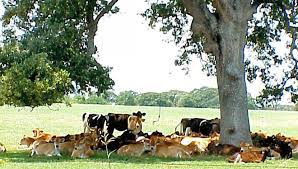
Shade is crucial for protecting livestock from the scorching sun. Ensure that there are plenty of shaded areas available, whether through natural means like trees or constructed shelters. Portable shade structures can also be used to move with the herd or flock as needed.

2. Ensure Access to Clean, Fresh Water

Hydration is vital in hot weather. Ensure that your animals always have access to clean, fresh water. Check water sources regularly and refill them as needed. For larger herds, consider using automatic waterers to maintain a constant supply.

3. Use Fans and Misters

For indoor animals or those kept in barns, fans and misters can significantly reduce heat stress. Fans help to circulate air, while misters spray a fine mist of water to cool the environment. These tools can make a big difference in keeping animals comfortable.

4. Adjust Feeding Times

Feed your livestock during the cooler parts of the day, such as early morning or late evening. Digestion generates heat, so avoiding feeding during the hottest part of the day can help keep animals cooler. Provide high-quality forage and avoid overfeeding.

5. Monitor for Signs of Heat Stress

Be vigilant in watching for signs of heat stress in your animals. Symptoms can include heavy panting, excessive drooling, lethargy, and decreased appetite. If you notice any of these signs, take immediate action to cool the animal down, such as moving it to a shaded area and offering water.

6. Shearing and Grooming

For animals with thick coats, regular shearing or grooming can help them stay cooler. Removing excess wool or hair reduces insulation and allows for better heat dissipation.

7. Use Electrolytes

Consider adding electrolytes to the water supply to help animals maintain proper hydration and balance during extreme heat. Electrolytes can be especially beneficial for young or lactating animals.

Managing farm livestock in hot weather requires proactive measures to keep animals cool and hydrated. By providing ample shade, ensuring access to clean water, using fans and misters, adjusting feeding times, monitoring for heat stress, grooming, and using electrolytes, you can protect your livestock from the dangers of heat stress. With these tips, you can ensure your animals remain healthy and productive, even in the hottest weather.

The Best Times to Water Your Crops: Early Morning and Late Evening

Ensuring that your crops receive the right amount of water is crucial for maximizing yield and maintaining plant health. One of the simplest yet most effective practices you can adopt is watering your crops during the cooler parts of the day—early in the morning or late in the evening. Here’s why this timing matters and how it can benefit your farm.

Why Timing Matters

Reduced Water Loss:
Watering during the cooler parts of the day helps minimize water loss due to evaporation. When you water during the heat of the day, a significant amount of water can evaporate before it even reaches the roots of your plants. Early morning and late evening watering ensures that more water is available for your crops to absorb.

Better Absorption:
Plants can better absorb water when the temperatures are lower. Early morning watering allows the soil to stay moist for a longer period, providing your plants with the hydration they need to withstand the heat of the day. In the evening, watering can help cool down the plants and soil, reducing stress from the day’s heat.

Reduced Risk of Disease:
Watering late in the evening can lead to prolonged periods of wet foliage, which can promote the growth of fungal diseases. Therefore, morning watering is often preferred as it allows the foliage to dry quickly, reducing the risk of disease.

Benefits of Early Morning Watering

Optimal Moisture Levels:
By watering early in the morning, you provide your plants with adequate moisture to start the day. This helps them stay hydrated and healthy throughout the hotter hours.

Efficient Use of Water:
Watering in the early morning reduces evaporation, ensuring that more water reaches the plant roots. This makes your irrigation efforts more efficient and conserves water.

Promotes Healthy Growth:
Consistent morning watering helps establish strong root systems. Healthy roots are essential for nutrient uptake and overall plant growth.

Benefits of Late Evening Watering

Cooling Effect:
Watering in the late evening can help cool down the plants and soil after a hot day. This can reduce plant stress and prevent wilting.

Extended Absorption Time:
Evening watering allows the water to soak into the soil overnight, providing ample time for the roots to absorb moisture before the next day’s heat.

Flexible Schedule:
For some farmers, evening watering may be more convenient due to other daily tasks. As long as you avoid watering too late to prevent prolonged wet foliage, evening watering can be a viable option.

Best Practices for Watering

Check Soil Moisture:
Before watering, check the soil moisture to ensure you’re not over watering. Overwatering can lead to root rot and other issues.

Use the Right Amount of Water:
Ensure that you’re providing enough water to reach the root zone but not so much that it leads to runoff or waterlogging.

Water at the Base:
Focus on watering at the base of the plants rather than overhead. This reduces water waste and prevents wet foliage, which can lead to disease.

Mulch Your Plants:
Mulching helps retain soil moisture and keeps the soil temperature stable. This can enhance the benefits of your watering schedule.

Watering your crops early in the morning or late in the evening is a simple yet effective practice that can significantly benefit your farm. By reducing water loss due to evaporation, ensuring better water absorption, and minimizing the risk of disease, you can promote healthier and more productive plants.

Tragedy in Colorado: Lightning Strike Claims the Life of Rancher and His Cattl

BE CAREFUL IN THE ELECTRICAL STORM

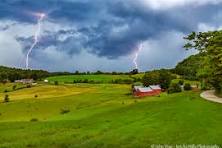
This past weekend, a devastating lightning strike near the town of Rand, Colorado, resulted in the tragic deaths of 51-year-old cattle rancher Mike Morgan and 34 of his cattle. The incident, reported by the Jackson County Sheriff’s Office, serves as a somber reminder of the powerful and unpredictable nature of lightning storms.

A Heartbreaking Incident

On Sunday, Mike Morgan was performing a routine task, feeding his herd with hay from a trailer. The peaceful moment was shattered when lightning struck, claiming his life despite immediate life-saving efforts. Morgan’s father-in-law and wife were nearby and fortunately survived the incident, but the strike also bowled over dozens more cattle that were gathered around the trailer.

The Dangers of Lightning

Lightning strikes are most common during the summer months, peaking in June. According to the National Weather Service, five of the top ten lightning days in 2023 occurred between June 14 and June 21. These intense storms typically hit areas from the edge of the Rockies, through the Middle Plains, and to the Southeast, with large thunderstorms in the Northern Plains and eastern states also contributing.

This tragic event is a stark reminder of the risks associated with lightning and the importance of taking appropriate precautions during storms.

Lightning Safety Tips

When you hear thunder rolling in, it’s crucial to seek shelter and follow these safety guidelines to minimize the risk of injury:

  1. Seek Shelter Indoors: The safest place during a lightning storm is indoors. Avoid staying outside or under trees.
  2. Avoid Using Corded Phones: Using a corded phone during a thunderstorm is one of the leading causes of indoor lightning injuries.
  3. Stay Away from Windows, Doors, and Porches: Being in an interior room is safest during a thunderstorm.
  4. Avoid Electrical Equipment and Cords: Unplug devices before the storm arrives if possible. Do not touch any electrical devices during the storm.
  5. Avoid Plumbing: Do not wash your hands, do dishes, take a shower or bath, or do laundry during a thunderstorm, as metal plumbing conducts electricity.
  6. Steer Clear of Concrete Surfaces: Lightning can travel through metal wires or bars in concrete walls and flooring, such as in basements or garages.
  7. Vehicle Safety: If you are in a vehicle, roll up the windows and avoid contact with metal surfaces and portable electronic devices plugged in for charging.

Reflecting on the Loss

The tragic death of Mike Morgan and his cattle has undoubtedly left a void in the community. Ranching is not just a profession but a way of life that deeply connects individuals to their land and livestock. The loss resonates beyond the immediate family, impacting friends, neighbors, and the larger agricultural community.

As we mourn this loss, it’s essential to raise awareness about the dangers of lightning and ensure that we all take necessary precautions to protect ourselves and our loved ones. The power of nature is awe-inspiring, but it also demands our respect and caution.

Our thoughts and prayers go out to the Morgan family and all those affected by this heartbreaking event.

https://www.usatoday.com/story/news/nation/2024/05/28/colorado-cattle-rancher-dies-lightning-strike/73881915007/

Natural Ant Repellent: Cinnamon – A Fiery Solution for Your Home Garden

Ants invading your precious vegetable and plant planters? Before reaching for harsh chemicals, consider an effective and natural solution right from your kitchen pantry: cinnamon. Not only is it a delightful spice for your dishes, but it also doubles as an ant deterrent with a fiery twist.

Cinnamon works wonders in keeping ants at bay due to its strong aroma and essential oils that ants find repugnant. The best part? It’s safe for your plants too! A light sprinkle around your planters not only creates a protective barrier but also enhances the well-being of your greens.

The secret lies in its dual role – while it’s a fragrant delight for us, it’s an unwelcome surprise for ants. This natural ant repellent is proof that effective pest control doesn’t have to be harsh on your environment.

So, the next time ants attempt an invasion on your indoor garden, simply reach for the cinnamon jar. With this simple spice, you’ll not only protect your plants but also experience firsthand how nature’s solutions can be both effective and eco-friendly.

Dog Rocks: Saving Your Lawn from Yellow Marks with a Splash of Magic

We adore our furry companions, but the unsightly yellow burn spots left behind by dog urine can put a damper on our perfectly manicured lawns. Fear not, dear readers, for we have an enchanting solution that will keep your lawn lush and green. Enter the magical world of Dog Rocks!

The Wonders of Dog Rocks:
Dog Rocks, the secret weapon against grass burn spots caused by urine, are a natural mineral supplement that works its mystical powers in your dog’s water bowl. These rocks, derived from an Australian quarry, contain a unique blend of minerals that neutralize the nitrogen found in urine, thus preventing those dreaded yellow patches on your lawn. It’s like having a wizard’s spell cast over your yard!

A Splash of Magic:
Using Dog Rocks is as easy as waving a wand. Simply place the rocks in your dog’s water bowl and let the enchantment begin. As your pup hydrates, the rocks work their magic, filtering out the harmful elements from their urine, and saving your lawn from grass burn spots. It’s like having a tiny team of lawn-saving fairies working tirelessly to keep your yard looking its best.

Dog Rocks are nature’s little secret to preventing grass burn spots caused by dog urine. With their magical properties, these mystical minerals keep your lawn looking lush and green, allowing you to enjoy the beauty of your outdoor space while cherishing the bond with your four-legged friends. Wave goodbye to yellow marks and welcome the wonders of Dog Rocks into your world.

As an Amazon Associate, I earn on qualifying purchases.