Is the Garden Really Worth All the Time and Energy?

If you’ve ever spent a Saturday pulling weeds, hauling mulch, or wondering why your tomatoes look so sad, you’ve probably asked yourself: Is this garden really worth all the time and energy?

Honestly? I don’t always know.

Gardening takes work. It means early mornings, dirty hands, trial and error, and the occasional heartbreak when pests or weather undo your best efforts. There are moments when it feels easier to just buy produce at the store and be done with it.

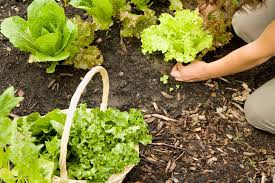
But then comes that moment—the one that reminds me why I do it. The moment when I step outside, snip fresh herbs, or pick a ripe cucumber or a sun-warmed tomato, and know it’s going straight to the dinner table. That feeling is hard to beat.

There’s something deeply satisfying about eating food you grew yourself. It’s not just about saving money or knowing where your food came from (though those are nice bonuses). It’s about connection. To the earth, to the seasons, to the work of your own hands.

Is it worth it? Maybe that’s not the right question. Maybe the better question is: How does it feel?

And for me, it feels pretty good.

Why Every Gardener Needs a Good Gardening Apron

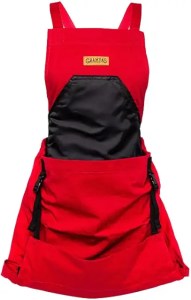
Gardening is a rewarding hobby, but let’s face it—it can get messy fast. That’s where a good gardening apron becomes your best friend. It’s more than just a layer of protection; it’s a tool that keeps you organized and makes your time in the garden easier and more enjoyable.

What Makes a Gardening Apron “Good”?

Durable Material: A quality gardening apron is made from sturdy fabric like canvas or waxed cotton that can handle dirt, moisture, and sharp tools without tearing.

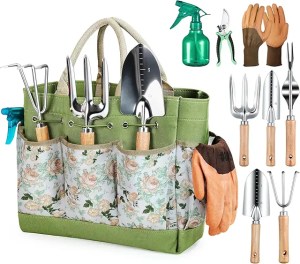
Plenty of Pockets: The right apron will have deep, well-placed pockets so you can carry gloves, seed packets, pruners, and even your phone without juggling them.

Adjustable Fit: Look for aprons with adjustable neck and waist straps to ensure comfort for any body type and long gardening sessions.

Easy to Clean: The best aprons can be tossed in the wash or wiped clean with minimal fuss.

Benefits of Using a Gardening Apron

🌱 Stay Clean: Protect your clothes from soil, water, and plant debris.
🌱 Keep Tools Handy: No more running back and forth—everything you need is within reach.
🌱 Save Time: With everything organized, you can focus on the joy of gardening, not searching for that missing trowel.

A Small Investment That Makes a Big Difference

Whether you’re a beginner or a seasoned gardener, a good gardening apron can make your time in the yard more efficient and enjoyable. It’s a small investment in comfort and organization that pays off season after season.

https://amzn.to/4l4vd2z

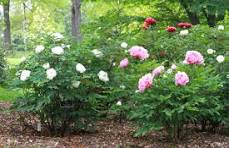
Post-Bloom Peony Care: Help Your Plants Prepare for Next Year’s Show

Your peonies have dazzled for the season—full of lush blooms and intoxicating fragrance—but now that the show’s over, what happens next? Don’t let all that beauty and effort go to waste. Taking a few smart steps after your peonies bloom can set them up for even more spectacular success next year.

Here’s how to care for your peonies after they bloom:

🌸 1. Deadhead Spent Blooms

As the blooms begin to fade and turn brown, it’s time to deadhead. This means snipping off the spent flowers to prevent them from turning into a soggy mess and wasting energy. Use clean, sharp pruners and cut just above the first healthy set of leaves. This allows the plant to redirect energy to the crown and root system instead of seed production.

🌿 2. Leave the Foliage Alone (for Now)

Those floppy, wild-looking peony leaves might seem like they’ve overstayed their welcome—but don’t cut them back just yet. Even when they’re leaning and less than graceful, the foliage is still photosynthesizing and storing energy for next year’s blooms.

Think of it as your plant’s power source—it needs those leaves to recharge. Let the foliage keep working until it naturally yellows and dies back in fall. Cutting it too soon could lead to fewer flowers next year.

🪴 3. Support the Flop

If heavy blooms or summer rains have knocked your peonies flat, it’s okay to offer some support. Gently tie them up or use a simple garden stake or ring to lift them off the ground. Keeping the foliage upright improves air circulation, reduces the risk of disease, and helps maintain a tidy appearance.

💧 4. Keep Watering

Just because the flowers are gone doesn’t mean your peonies don’t need hydration. In periods of drought or high summer heat, give them a deep soak about once a week. Otherwise, natural rainfall should be enough. Healthy roots need consistent moisture—especially while they’re storing energy for the next bloom cycle.

🧼 5. Sanitize Your Tools

A quick but crucial step: always sanitize your pruners before and after use. A splash of rubbing alcohol on your blades helps prevent the spread of disease in the garden.

Post-bloom peony care is about patience and long-term payoff. A little time spent now—deadheading, supporting, watering—ensures your peonies come back strong, healthy, and beautiful next year. Gardeners often focus on the bloom, but it’s what you do after the petals fall that sets the stage for future success.

Post-Bloom Peony Care – What to Do When the Peony Party is Over

To Plant a Garden Is to Believe in Tomorrow” — Why This Quote Still Matters

Audrey Hepburn once said, “To plant a garden is to believe in tomorrow.”
And isn’t that exactly what gardening is—a quiet, hopeful act of faith?

When you press a seed into the soil, you can’t see the roots it will grow or the fruit it may bear. You simply trust. You trust the sun will rise, the rain will fall, and time will do its work. You believe that what you sow today will one day bloom, nourish, or delight.

Planting a garden invites us to slow down. It reminds us that good things take time—that growth doesn’t happen overnight. Whether it’s a tomato plant, a sunflower, or a small herb on a windowsill, each planting is a promise to the future. It’s a statement: I still believe in beauty, in growth, and in the seasons to come.

Gardening as a Metaphor for Life

This quote doesn’t just apply to soil and seeds. It’s a way of living. Every kind word, every act of generosity, every time we choose hope over fear—we’re planting something for tomorrow. We may not see the results right away, but the impact is real.

And just like a garden, life requires patience, care, and resilience. There will be weeds. There will be dry spells. But there will also be blooms. Surprises. Fresh starts. And joy.

A Garden is a Form of Optimism

Whether you’re a seasoned gardener or just starting out, every seed you plant is a small act of optimism. So dig your hands into the earth. Dream about the harvest. Believe in tomorrow.

https://amzn.to/4jRXsAE

Grow Strong: How Gardening Boosts Your Physical Health

Gardening may seem like a peaceful hobby—and it is—but it’s also a surprisingly effective way to support your physical health. Whether you’re planting herbs in containers or managing a backyard garden, this hands-on activity offers multiple wellness benefits that go far beyond aesthetics.

1. It Gets You Moving

Bending, digging, raking, lifting, weeding—gardening is a full-body workout in disguise. It engages your muscles, improves flexibility, and can even boost your cardiovascular health. Unlike structured workouts, gardening doesn’t feel like “exercise,” which makes it easier to stick with regularly.

2. Sunlight = Vitamin D

Spending time outdoors exposes you to natural sunlight, which helps your body produce Vitamin D. This vitamin is crucial for strong bones, immune function, and mood regulation. Just 15–30 minutes in the sun can make a noticeable difference (just don’t forget your sunscreen if you’re out longer!).

3. Eat What You Grow

When you grow your own food, you’re more likely to eat fresh fruits and vegetables. Homegrown produce is often more nutrient-rich than store-bought, and it doesn’t come with extra packaging, preservatives, or long transport times. You’ll feel better knowing exactly where your food came from—and how it was grown.

4. It Reduces Stress

While this benefit leans more toward mental wellness, less stress often means fewer physical symptoms like headaches, fatigue, or high blood pressure. Gardening can help lower cortisol levels and offers a calm, mindful escape from daily life.

If you’re looking for a fun, rewarding way to improve your physical health, gardening may be the perfect fit. It’s more than a hobby—it’s a lifestyle that nurtures your body, mind, and soul.

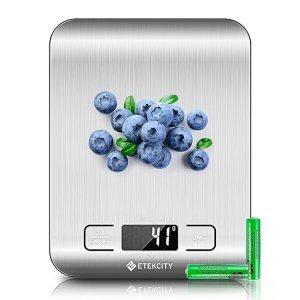
Why You (Yes, You!) Need a Kitchen Scale in Your Life

Let’s talk about something small that can make a big difference in your kitchen: a kitchen scale.

Now, you might be thinking, “Do I really need one of those?” And the answer is: probably more than you think.

Whether you’re trying to bake the perfect loaf of bread, meal prep like a pro, or just figure out what an actual serving of almonds looks like—having a digital kitchen scale is a total game-changer.

Here’s why:

🎯 Accuracy Matters
A scale takes the guesswork out of measuring. Cups of flour can vary depending on how you scoop, but 120 grams of flour is always 120 grams. It’s the secret behind those picture-perfect recipes.

🥦 Portion Control Made Easy
Trying to eat healthier? Scales help you actually understand what a serving size is. You’ll never eyeball your way to a better diet—trust me.

👩‍🍳 Baking is a Science
If you’re a baker, you already know: measuring by weight is essential. Sugar, flour, butter—it all comes together much more consistently with a scale.

🍱 Less Dishes, More Precision
Use one bowl, hit tare, add your next ingredient, repeat. That’s it. Less mess and fewer measuring cups to wash? Yes, please.

So, if you’ve been winging it in the kitchen, consider this your gentle nudge: a kitchen scale isn’t just for chefs or dieters. It’s for anyone who wants to cook smarter, cleaner, and more confidently.

https://amzn.to/3YgRUHr

Celebrating Earth Day: Small Changes, Big Impact


Earth Day is upon us, and it’s always a good reminder to reflect on our relationship with the planet. While we can’t all be superheroes saving the Earth with big flashy moves, we can each do our part in small but meaningful ways.

Over the years, I’ve started making a few changes that help me feel more connected to nature, even if I’m not out planting trees in a forest. I’m not perfect, but every little bit counts, right?

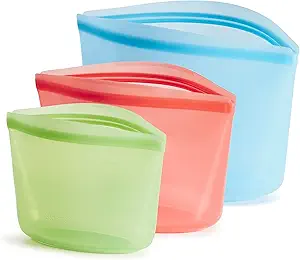
One thing I’ve embraced is reducing single-use plastics. It was a struggle at first – those plastic bags at the grocery store are just so convenient! But after switching to reusable bags, I realized it wasn’t as hard as I thought. Plus, my “eco-friendly” bags are kind of cute, and I’ve saved a few pennies along the way!

I’ve also started composting. Yes, composting! It seemed like an intimidating task at first, but once I got the hang of it, it was surprisingly easy. Now, instead of throwing away fruit peels and coffee grounds, I’m giving them a second life by helping them turn into rich, nutrient-filled soil for my garden. My plants thank me!

And then there’s gardening, of course. Whether you have a small apartment balcony or a sprawling backyard, growing your own herbs or flowers can be incredibly rewarding. Not only does it add beauty to your space, but it also helps the environment. Every little green thumb helps!

This Earth Day, I’m taking a moment to appreciate the planet – the trees, the oceans, the air we breathe. But I’m also reminded that making small, positive changes can add up over time. So, whether you choose to reduce waste, plant a tree, or just take a walk and enjoy nature, it all matters.

Happy Earth Day, everyone! Let’s continue making our world a little greener, one small step at a time. 🌍💚

https://amzn.to/42M5GDn

Weeds Always Come First: Spring, Life, and Clearing What Doesn’t Belong

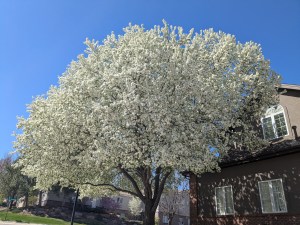
Spring has barely unfolded her petals, and already—there they are. Weeds. Persistent, fast, and always one step ahead of the beauty you’ve been waiting for.

Isn’t that just like life?

Before your good habits take root, the old ones creep back in. Before your confidence blooms, self-doubt pops up like dandelions. And before your plans get a chance to grow strong, distractions fight to take over the garden.

It’s funny how the weeds always seem to show up first. In the soil—and in our souls.

But here’s the thing: just like in the garden, we get to choose what stays and what gets pulled. Every tug at a stubborn root, every intentional clearing, makes space for something better. Something vibrant. Something you want to grow.

So as you step into spring, both outside and inside yourself, take note of the weeds. They’re fast, but you’re faster. They’re stubborn, but you’re stronger.

Cut out what doesn’t belong. Uproot the habits, people, and thoughts that don’t serve your garden. Protect the bloom that’s coming.

Because your life deserves more than weeds. It deserves wildflowers, vegetables, fruit, and all the beauty that comes when you make room for it.

Let spring be a reminder—growth takes work, but it’s worth it.

Sometimes Growth Requires New Locations, People, and Perspective

There’s a reason repotting a plant can make all the difference—it’s not that the plant was broken, it just outgrew the container it was in.

The same thing can happen in our lives.

Sometimes growth requires new soil. A new environment. A new circle. A fresh perspective.

It’s not always easy to recognize when we’ve outgrown a season, a space, or even some relationships. But the discomfort you feel? The sense that something just isn’t right anymore? That might be your sign that it’s time to stretch. Time to expand.

Growth doesn’t always happen in familiar places. Sometimes, you need to step into something unknown to see what you’re really capable of.

That might mean changing your scenery—physically or mentally. It might mean seeking out people who push you to be better, who believe in you, who think big. It might mean looking at the same life through a new lens.

And while change can be unsettling, it also holds incredible power. You’re not abandoning where you’ve been—you’re honoring it by using it as the foundation for what’s next.

Let it. 🌱

Container Gardening: The Flexible, Fun Way to Grow Anywhere

Container gardening is truly for everyone. Whether you have a big backyard, a tiny balcony, or just a sunny windowsill, you can grow something beautiful—and maybe even delicious—right where you are. That’s the magic of gardening in pots: no yard required, just a little creativity and care.

But with great flexibility comes a flood of decisions. What type of container should you choose? What kind of soil mix works best? Which plants go well together? It’s easy to get overwhelmed by all the options. The good news? You don’t need to know everything to get started—you just need a few helpful tips and a little inspiration.

Why Container Gardening Works for Everyone

The beauty of container gardening is in its adaptability. Want to add color to your patio? A few pots of blooming flowers can make it pop. Need something green in a shady spot by your front door? There’s a plant for that. Only have a small kitchen window? Herbs in little pots can thrive right there.

You can move containers to chase the sun, bring them inside when the weather turns, or rearrange them just for fun. They’re perfect for renters, busy folks, or anyone who wants to experiment without committing to digging up the yard.

Tips to Get Started

  1. Pick the Right Container
    Anything that holds soil and has drainage holes can be a container. Clay pots, ceramic planters, old buckets, or even a repurposed drawer—get creative!
  2. Use Good Soil
    Don’t use garden dirt; it’s too heavy for pots. A good quality potting mix will help your plants grow strong and healthy.
  3. Choose Your Plants Wisely
    Group plants with similar sunlight and water needs. Herbs, flowers, vegetables—you name it, there’s a plant that will thrive in a pot.
  4. Water and Feed Regularly
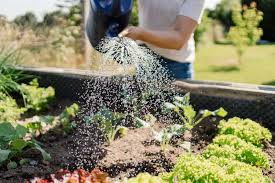
    Containers dry out faster than in-ground gardens. Water often and consider adding a slow-release fertilizer to keep plants happy.

A Garden That Grows With You

Whether you’re brand new to gardening or have years of experience, container gardening is a great way to grow with the seasons and your lifestyle. It’s not about having the perfect pot or the fanciest flowers—it’s about discovering what works for you and enjoying the process.

So grab a container, fill it with good soil, pop in a few plants, and watch your little garden thrive—right where you are.