Fresh from Our Garden: Stuffed Eggplant Parmesan Is on the Menu Tonight!

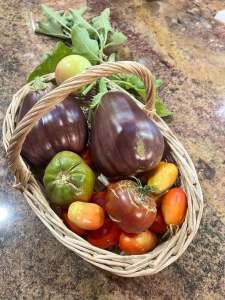
There’s something deeply satisfying about cooking with ingredients grown right in your own garden. Tonight’s dinner is a perfect example—Stuffed Eggplant Parmesan, made fresh with homegrown eggplants, herbs, and tomatoes.

The eggplants were picked this morning—firm, glossy, and full of flavor. After a quick rinse, they’re halved, roasted until tender, and filled with a delicious mixture of sautéed onions, garlic, garden-fresh tomatoes, and a sprinkle of basil and oregano straight from the herb bed. A layer of mozzarella and Parmesan cheese brings everything together in bubbly, golden perfection.

Cooking from the garden isn’t just about flavor—it’s about connection. You know where your food came from, how it was grown, and the care that went into it. Every bite carries the reward of patience and love.

So tonight, the kitchen smells like summer. The garden has given us another reason to be thankful
https://amzn.to/474dyU2

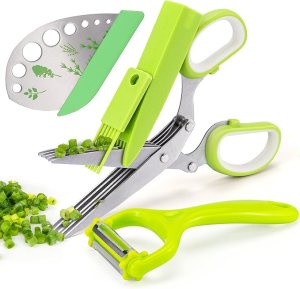
Herb scissors set provides a pair of herb shears, a herb stripper, and a peeler with three different blades. They can help you easily handle a large number of kitchen tasks, such as cutting meat, turkey, and poultry bones. You can not only use it to cut various vegetables, herbs, fruits, cut noodles and even pizza, but also peel potatoes, carrots, zucchini, cucumbers, apples, and avocados. No chopping boards and choppers are needed, bringing more convenience to your kitchen work.

Preserving the Harvest: The Art of Pickling

Pickling is a time-honored tradition that has been around for centuries. It’s a process that involves preserving food in vinegar or brine, giving it a tangy, sour flavor that can be enjoyed in a variety of ways. From dill pickles to pickled eggs, pickling is a fun and easy way to add flavor and nutrition to your diet.

To start pickling, you’ll need some basic ingredients: vinegar, salt, sugar, and spices. The type of vinegar you use can vary depending on your personal preference, but most recipes call for either white vinegar or apple cider vinegar. Salt and sugar help to balance the flavors and preserve the food, while spices like dill, garlic, and mustard seeds add extra flavor.

One of the most popular pickling recipes is for dill pickles. To make these, you’ll need cucumbers, vinegar, water, salt, sugar, dill, garlic, and mustard seeds. First, slice the cucumbers into spears or rounds and pack them into sterilized jars. Next, mix together the vinegar, water, salt, sugar, dill, garlic, and mustard seeds in a saucepan and bring the mixture to a boil. Once the mixture is boiling, pour it over the cucumbers in the jars and seal the jars tightly. Let the pickles sit for at least 24 hours before eating to allow the flavors to fully develop.

One of the great things about pickling is that you can experiment with different flavors and ingredients to create your own unique recipes. Try pickling other vegetables like carrots, beets, or green beans, or add different spices like cinnamon or cloves for a unique twist. You can also play around with the ratio of vinegar, salt, and sugar to create your desired flavor profile.


“The Joy of Pickling” by Linda Ziedrich: This classic cookbook is a must-have for anyone interested in pickling. It features over 250 recipes for pickled vegetables, fruits, and relishes, as well as tips on equipment, techniques, and troubleshooting:  https://amzn.to/3KTwMmM


“The Complete Book of Pickling” by Jennifer MacKenzie: This comprehensive guide covers all aspects of pickling, from the basics of canning to more advanced techniques like fermenting and curing. It also includes over 300 recipes for pickled fruits, vegetables, meats, and fish.

https://amzn.to/4nfcb9P

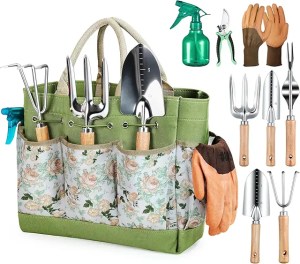
Why Every Gardener Needs a Good Gardening Apron

Gardening is a rewarding hobby, but let’s face it—it can get messy fast. That’s where a good gardening apron becomes your best friend. It’s more than just a layer of protection; it’s a tool that keeps you organized and makes your time in the garden easier and more enjoyable.

What Makes a Gardening Apron “Good”?

Durable Material: A quality gardening apron is made from sturdy fabric like canvas or waxed cotton that can handle dirt, moisture, and sharp tools without tearing.

Plenty of Pockets: The right apron will have deep, well-placed pockets so you can carry gloves, seed packets, pruners, and even your phone without juggling them.

Adjustable Fit: Look for aprons with adjustable neck and waist straps to ensure comfort for any body type and long gardening sessions.

Easy to Clean: The best aprons can be tossed in the wash or wiped clean with minimal fuss.

Benefits of Using a Gardening Apron

🌱 Stay Clean: Protect your clothes from soil, water, and plant debris.
🌱 Keep Tools Handy: No more running back and forth—everything you need is within reach.
🌱 Save Time: With everything organized, you can focus on the joy of gardening, not searching for that missing trowel.

A Small Investment That Makes a Big Difference

Whether you’re a beginner or a seasoned gardener, a good gardening apron can make your time in the yard more efficient and enjoyable. It’s a small investment in comfort and organization that pays off season after season.

https://amzn.to/4l4vd2z

To Plant a Garden Is to Believe in Tomorrow” — Why This Quote Still Matters

Audrey Hepburn once said, “To plant a garden is to believe in tomorrow.”
And isn’t that exactly what gardening is—a quiet, hopeful act of faith?

When you press a seed into the soil, you can’t see the roots it will grow or the fruit it may bear. You simply trust. You trust the sun will rise, the rain will fall, and time will do its work. You believe that what you sow today will one day bloom, nourish, or delight.

Planting a garden invites us to slow down. It reminds us that good things take time—that growth doesn’t happen overnight. Whether it’s a tomato plant, a sunflower, or a small herb on a windowsill, each planting is a promise to the future. It’s a statement: I still believe in beauty, in growth, and in the seasons to come.

Gardening as a Metaphor for Life

This quote doesn’t just apply to soil and seeds. It’s a way of living. Every kind word, every act of generosity, every time we choose hope over fear—we’re planting something for tomorrow. We may not see the results right away, but the impact is real.

And just like a garden, life requires patience, care, and resilience. There will be weeds. There will be dry spells. But there will also be blooms. Surprises. Fresh starts. And joy.

A Garden is a Form of Optimism

Whether you’re a seasoned gardener or just starting out, every seed you plant is a small act of optimism. So dig your hands into the earth. Dream about the harvest. Believe in tomorrow.

https://amzn.to/4jRXsAE

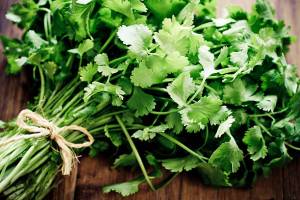
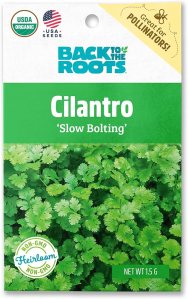
Growing Cilantro? Harvest It Before the Heat Hits!

If you’re growing cilantro in your garden, here’s a quick tip you don’t want to miss: cut it before it gets too hot!

Cilantro is a cool-weather herb that grows fast, but it also bolts fast—especially when temperatures start to climb. And once it bolts (sends up a flower stalk), it gets bitter and loses that fresh, zesty flavor we love in salsa, salads, and tacos.

Why Cilantro Bolts

Cilantro is sensitive to rising temperatures and longer daylight hours. When it starts to feel the heat, it thinks it’s time to reproduce and sends out flowers—ending its tasty leaf production.

How to Stay Ahead of the Heat

Here’s how you can keep your cilantro fresh and flavorful longer:

  • Harvest early and often. Don’t wait for tall, leggy growth. Cut it when it’s about 4–6 inches tall.

  • Cut low, but not too low. Leave about an inch or two of stem so it can regrow.

  • Provide some shade. If it’s already warming up in your area, give your cilantro a little afternoon shade.

  • Succession planting. If you love cilantro, plant a new batch every few weeks in spring and fall.

If your cilantro does bolt—don’t toss it just yet. Let it flower and go to seed. You’ll get coriander seeds and possibly some self-seeded cilantro in the fall!

https://amzn.to/44l3h4Z

Mushroom Cultivation Beds: A Shady Garden Secret for Gourmet Harvests

If you’ve got a shaded corner in your garden and a love for earthy, gourmet flavor, consider adding mushroom cultivation beds to your growing space. Oyster and shiitake mushrooms are two delicious varieties that thrive in cool, moist environments—making those shadowy spots in your yard perfect for something surprisingly productive.

Why Mushrooms?

Mushrooms aren’t just tasty; they’re nutrient-rich and pack a savory punch in just about any dish. But beyond the culinary joy, cultivating mushrooms offers a sustainable solution to recycling organic waste. It’s a win-win: you get fresh, flavorful food, and your garden gets a boost in biodiversity and soil health.

How to Start

You don’t need a science lab or a fancy setup. There are two main approaches:

  • Logs: Choose hardwood logs like oak or maple, drill holes, and insert mushroom spores (called “spawn”). Keep the logs moist and shaded, and in a few months, you’ll be harvesting.
  • Straw Beds: Layer pasteurized straw in a raised bed or container, sprinkle with spawn, and keep it damp. Oyster mushrooms in particular love this setup and will often produce flushes in just a few weeks.

A Permaculture Favorite

Mushroom beds are gaining popularity in permaculture gardens, and for good reason. They require minimal space, little maintenance, and make use of parts of your yard that might otherwise go unused. Plus, watching mushrooms pop up is oddly magical—like nature’s surprise gift after a little patience and care.

So, if you’re looking for a low-effort, high-reward project to elevate your garden game, mushrooms might be the perfect fit.

https://amzn.to/4jk99zS

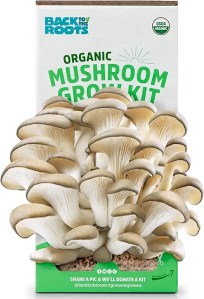
Back to the Roots Organic Oyster Mushroom Grow Kit
Ideal for beginners, this kit allows you to grow gourmet oyster mushrooms indoors with ease. Simply mist daily, and you’ll have fresh mushrooms ready to harvest in just 10 days.

You Can’t Rush the Harvest: Why Patience Is Power

In the garden, you don’t plant a seed and dig it up the next day to see if it’s growing.

You plant, you water, you tend—and you wait. It takes time. The sun, the rain, the soil, and the quiet days when nothing seems to be happening all play a part. And then—almost like magic—growth begins to show.

But it’s not magic. It’s patience.

Rushing Doesn’t Help the Crop Grow Faster

We live in a world of quick answers and instant results. We want transformation by next week. Success overnight. Change in a flash. But real things—the things that matter—don’t work like that.

Whether it’s your career, your relationships, your health, or your dreams, rushing the process won’t bring the results any sooner. It often leads to frustration, burnout, or giving up too soon.

The Lost Art of Patience

Patience is becoming a lost art, but it’s one of the most powerful tools we have. When you learn to wait well—to keep showing up, keep nurturing, keep believing even when nothing seems to be happening—that’s when the real transformation takes root.

There’s a quiet strength in patience. It doesn’t mean sitting still and doing nothing. It means continuing with faith and trust that your effort is not wasted.

In the Right Season, With the Right Conditions, Growth Happens

You can’t control everything. You can only control what you plant, how you care for it, and whether you stick with it. The rest? That’s timing, environment, and a bit of grace.

So plant the seeds. Tend your soil. Water your dreams. And then… trust.

In the right season, when the conditions align, the results will show up—and they’ll be worth the wait.

Don’t give up because you don’t see instant growth. Stay patient. Stay steady. The harvest is coming.

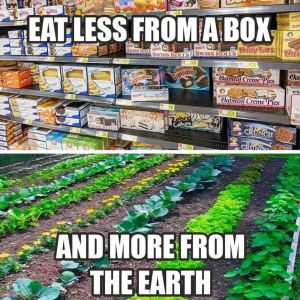
Eat more from Earth

In a world full of processed foods and artificial ingredients, returning to the basics—eating more from the earth—can be one of the best decisions for your health and the planet. Whether you’re growing your own food, shopping at a local farmers’ market, or simply making mindful choices at the grocery store, embracing whole, earth-grown foods can transform the way you nourish your body and live your life.

Why Eat More from the Earth?

The benefits of eating more plant-based, whole foods are endless. Here are just a few reasons to make the shift:

  • Better Health: Fruits, vegetables, nuts, seeds, and whole grains provide essential vitamins, minerals, and antioxidants. These foods support your immune system, reduce inflammation, and help prevent chronic diseases.
  • Sustainability: Eating locally and seasonally reduces the environmental impact of food transportation and supports sustainable farming practices.
  • Connection to Nature: When you eat fresh, whole foods, you develop a deeper appreciation for the earth and where your food comes from.

Simple Ways to Eat More from the Earth

1. Choose Whole Foods Over Processed

When possible, opt for foods that are as close to their natural state as possible. Think fresh vegetables, fruits, legumes, whole grains, and nuts rather than packaged, refined, and artificially flavored products.

💡 Tip: If a food comes in a box with a long list of ingredients you can’t pronounce, it’s probably not from the earth.

2. Grow Your Own Food

Even if you don’t have a large garden, growing herbs, tomatoes, or leafy greens in pots or a small backyard space can be a great way to connect with your food and ensure freshness.

💡 Tip: Start with easy-to-grow plants like basil, lettuce, or peppers—they thrive in small spaces!

3. Shop at Farmers’ Markets

Supporting local farmers means fresher produce, fewer pesticides, and a stronger local food system. Plus, seasonal foods are often more flavorful and nutritious.

💡 Tip: Bring reusable bags and ask farmers about their growing practices to make the best choices.

Eating more from the earth isn’t about following strict rules—it’s about making mindful choices that prioritize health, sustainability, and a deeper connection to nature. Whether you grow your own food, shop locally, or simply add more whole foods to your plate, every small step brings big benefits.

What’s one way you can eat more from the earth today? 🌍🍎🥦

Pruning Is Necessary: Letting Go to Grow

In gardening, pruning is essential. We cut back dead branches, remove overgrown areas, and shape plants to encourage stronger, healthier growth. But pruning isn’t just for gardens—it’s a vital life lesson. Sometimes, we must cut back what no longer serves us to allow room for new opportunities, personal growth, and success.

1. Letting Go of Bad Habits

Just like dead branches drain energy from a plant, bad habits drain energy from our lives. Whether it’s procrastination, unhealthy routines, or negative self-talk, these habits stunt our growth. By recognizing and cutting them away, we make space for better choices that move us forward.

How to Start Pruning Bad Habits:

  • Identify one habit holding you back.
  • Replace it with a positive action (e.g., swap late-night scrolling for reading or journaling).
  • Stay consistent—small changes lead to big results over time.

2. Removing Negative Influences

In a garden, some plants block sunlight or steal nutrients from others. In life, certain people or environments do the same. If someone constantly discourages you or drains your energy, it might be time to step back.

Ask Yourself:

  • Do the people around me uplift or bring me down?
  • Do I leave certain situations feeling inspired or exhausted?
  • Am I holding onto relationships out of obligation rather than growth?

It doesn’t mean cutting people off harshly, but rather setting boundaries and choosing to surround yourself with positivity and encouragement.

3. Trimming Away Old Ways of Thinking

Our mindset shapes our reality. Holding onto limiting beliefs—such as “I’m not good enough” or “Success is for other people”—keeps us stuck. Just as a tree grows stronger after careful pruning, we grow when we release outdated, self-defeating thoughts.

Ways to Shift Your Mindset:

  • Replace negative thoughts with empowering ones (e.g., “I can’t” → “I’m learning”).
  • Challenge fears by taking small risks outside your comfort zone.
  • Seek out mentors, books, or experiences that expand your perspective.

4. Making Room for Fresh Growth

When you prune a plant, it might look bare for a while—but soon, new, vibrant growth appears. The same happens in life. Letting go may feel uncomfortable at first, but it creates space for better opportunities, stronger relationships, and personal transformation.

Take Action Today:

  • Identify one thing—habit, relationship, or mindset—that no longer serves you.
  • Make a small change to release it.
  • Stay committed to growth and trust the process.

By pruning wisely, we create space for new possibilities, healthier habits, and a brighter future. What’s one thing you need to let go of to grow stronger? 🌱

What Farmers Can Do About the Current Egg Shortage: Strategies for Resilience

In recent months, grocery store shelves across the U.S. have been left with empty or nearly empty egg sections. From pasture-raised to organic, consumers are struggling to find their preferred eggs, and the problem isn’t showing signs of disappearing anytime soon. While many factors contribute to the shortage—including supply chain issues, avian flu, and rising feed costs—farmers can take proactive steps to weather the storm and keep their businesses running smoothly.

If you’re a farmer in the egg industry, here are a few strategies to consider in response to the current crisis:

1. Diversify Your Egg Production

One of the first things farmers can do is diversify the types of eggs they produce to appeal to a wider market.

  • Offer a variety of egg types: If you’re focusing on one specific type of egg, like organic or pasture-raised, now may be the time to explore other options like free-range or omega-3 enriched eggs.
  • Consider niche markets: Think about special offerings like brown eggs, colored eggs, or eggs from heritage breeds. These unique products can help differentiate your farm and attract customers.

2. Build Strong Direct-to-Consumer Sales Channels

While supermarket shelves may be empty, there’s a growing opportunity for farmers to directly connect with consumers.

  • Farmers’ markets: If you aren’t already, consider setting up a booth at local farmers’ markets where consumers can buy directly from you.
  • Subscription services: Offer egg delivery subscriptions to your local community. People love the convenience, and it ensures that they always have fresh eggs while you build a loyal customer base.
  • Online presence: Create or enhance your online presence through social media and e-commerce platforms where people can place orders directly from your farm.

3. Focus on Animal Health and Sustainability

The egg shortage has brought attention to the importance of raising healthy, well-cared-for chickens. Sustainable and humane farming practices are in high demand.

  • Pasture management: Invest in sustainable and regenerative farming practices to maintain the health of your hens and their environment. Healthy hens will produce higher-quality eggs, which will make your product stand out.
  • Feed and nutrition: Proper nutrition is essential for high egg production. Evaluate your feed and consider sourcing local grains to mitigate rising feed costs. Consider growing your own feed or forming co-ops with other local farmers to reduce costs.
  • Health protocols: Ensure biosecurity measures are in place to prevent diseases like avian flu from impacting your flock. A healthy flock means less disruption to egg production.

4. Collaborate with Other Farmers and Industry Leaders

Farmers don’t have to face the challenges of the egg shortage alone. By working together, we can build stronger, more resilient communities.

  • Join co-ops: Pooling resources with other local farmers can help with purchasing feed, equipment, and even marketing efforts to reach more customers.
  • Advocate for the industry: Work with industry leaders to advocate for policies that support egg farmers, such as subsidies or grants that help alleviate financial burdens caused by rising costs.
  • Collaborate on research: Partner with agricultural organizations to stay on top of the latest research and best practices for egg production during challenging times.

5. Improve Marketing and Transparency

In times of shortage, consumers are more likely to support local farmers they trust. To gain consumer confidence, be transparent about your practices and share your story.

  • Transparency: Be open about how your eggs are produced, your farming practices, and what makes your eggs different. This will build trust with consumers.
  • Storytelling: People want to know where their food comes from. Share your journey and the care you take in raising your hens. Show the behind-the-scenes of your farm through social media or farm tours.
  • Packaging and labeling: Make sure your eggs are clearly labeled with important information such as “pasture-raised,” “organic,” or “local.” This will help consumers make informed decisions.

6. Educate Consumers About the Value of Local Eggs

The egg shortage can be a great opportunity to educate your community on the value of local, sustainably raised eggs.

  • Promote the benefits: Highlight the nutritional advantages of locally produced eggs, like higher omega-3 content and better flavor.
  • Offer farm tours: Provide educational tours where consumers can see your farm in action, learn about how your eggs are produced, and understand the care you take with your hens.
  • Work with schools and local businesses: Partner with local schools or restaurants to introduce your eggs to a larger audience.

While the egg shortage has certainly created challenges, it also presents opportunities for farmers to become more resilient, creative, and connected with their local communities. By diversifying egg production, building strong relationships with consumers, and embracing sustainable farming practices, farmers can thrive in these challenging times.

The egg shortage may not be over soon, but your ability to adapt and innovate can help your farm stand strong. Farmers are essential to the food supply chain, and with determination and resilience, we can continue to meet the needs of consumers while building a more sustainable future for egg production.