Keyhole Gardens: Combining Composting and Gardening for Maximum Efficiency

Keyhole gardens are an innovative and sustainable gardening method that combines the benefits of composting and gardening into one efficient design. Originating in Africa, keyhole gardens are designed to thrive in harsh climates and make the most of limited resources. This method involves creating circular garden beds with a central composting area, providing easy access to plants and enriching the soil with nutrient-rich compost. Here’s how keyhole gardens work and why they might be the perfect addition to your garden.

What is a Keyhole Garden?

A keyhole garden is a raised, circular garden bed with a central composting basket. The design includes a notch or “keyhole” shape that allows easy access to the composting area and the plants. The garden bed is typically built up with layers of organic materials such as leaves, grass clippings, and kitchen scraps, which decompose over time and enrich the soil.

Benefits of Keyhole Gardens

1. Nutrient-Rich Soil: The central composting area continuously feeds nutrients into the surrounding soil, creating a fertile environment for your plants. This constant supply of compost helps improve plant growth and yields.

2. Water Efficiency: Keyhole gardens are designed to retain moisture, making them ideal for dry climates. The organic materials used in the bed absorb and hold water, reducing the need for frequent watering.

3. Space Efficiency: The circular design maximizes growing space, allowing you to grow a variety of plants in a compact area. This is particularly beneficial for small gardens or urban settings.

4. **Ease of Access**: The keyhole shape provides easy access to the entire garden bed and the central composting area. This design reduces the need to bend or stretch, making gardening more comfortable and accessible.

5. Sustainability: By using kitchen scraps and garden waste for composting, keyhole gardens promote recycling and reduce the amount of waste sent to landfills. This sustainable approach benefits both your garden and the environment.

How to Build a Keyhole Garden

1. Choose a Location: Select a sunny spot in your garden that receives at least 6-8 hours of sunlight per day.

2. Mark the Layout: Use a rope or hose to outline a circular bed, typically 6 feet in diameter. Mark the keyhole notch, which should be about 1-2 feet wide, allowing easy access to the center.

3. Build the Structure: Construct the garden bed walls using stones, bricks, or wooden planks. The walls should be about 3 feet high to create a raised bed. Leave an opening for the keyhole notch.

4. Create the Central Composting Area: Place a wire mesh or a small basket in the center of the garden bed. This will serve as the composting area where you can add kitchen scraps and other organic materials.

5. Layer the Bed: Start with a layer of cardboard or newspaper at the bottom to suppress weeds. Add alternating layers of brown (carbon-rich) and green (nitrogen-rich) organic materials, such as leaves, straw, grass clippings, and kitchen scraps. Top the bed with a layer of soil or compost.

6. Plant Your Garden: Choose a variety of plants that thrive in rich, well-drained soil. Consider planting vegetables, herbs, and flowers for a diverse and productive garden.

7. Maintain the Garden: Regularly add kitchen scraps and garden waste to the central composting area. Water the bed as needed, particularly during dry spells. Over time, the organic materials will decompose and enrich the soil, promoting healthy plant growth.

Best Plants for Keyhole Gardens

Keyhole gardens can support a wide variety of plants, including:

– Vegetables: Tomatoes, peppers, lettuce, carrots, and beans thrive in the nutrient-rich soil of a keyhole garden.
– Herbs: Basil, parsley, mint, and thyme are excellent choices for adding flavor to your dishes and repelling pests.
– Flowers: Marigolds, nasturtiums, and zinnias add color to your garden and attract beneficial insects.

Keyhole gardens offer a sustainable and efficient way to grow healthy plants while minimizing waste and conserving resources. Their unique design combines composting and gardening, creating a nutrient-rich environment that supports a diverse range of plants. Whether you’re dealing with limited space, poor soil, or dry conditions, a keyhole garden can transform your gardening experience.
The Benefits of Crop Rotation in Your Vegetable Garden

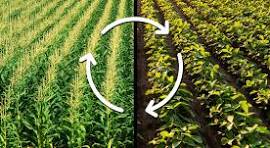
Crop rotation is a time-honored agricultural practice with significant benefits for vegetable gardens. It involves changing the location of specific crops each growing season to enhance soil health, reduce pests, and improve yields. Understanding the principles of crop rotation can transform your garden into a more productive and sustainable ecosystem.

Why Crop Rotation Matters

1. Enhances Soil Health: Different crops have varying nutrient requirements. By rotating crops, you can prevent the depletion of specific nutrients. For example, legumes like beans and peas fix nitrogen in the soil, which benefits subsequent crops that require high nitrogen levels, such as leafy greens.

2. Reduces Pest and Disease Pressure: Many garden pests and diseases are crop-specific. By rotating crops, you can disrupt the life cycles of pests and reduce the likelihood of diseases that thrive on specific plants. For instance, if you had tomatoes last season, rotating to a different family, such as brassicas, can help minimize tomato-specific diseases.

3. Improves Soil Structure: Different plants have different root structures. Rotating crops can help improve soil structure and aeration. Deep-rooted plants, such as carrots, can break up compacted soil, while shallow-rooted plants, like lettuce, can improve surface soil quality.

4. Increases Biodiversity: By planting a variety of crops, you support a diverse ecosystem in your garden. This diversity can attract beneficial insects and pollinators, creating a balanced and resilient garden environment.

How to Implement Crop Rotation Effectively

1. Understand Crop Families: To rotate crops effectively, it’s essential to know which plant families are related. For example, tomatoes, peppers, and potatoes are all nightshades and should not be planted in the same location consecutively. Keep a list of plant families and their specific requirements to plan rotations accordingly.

2. Plan Your Rotation Schedule: Develop a rotation plan that spans at least three to four years. Ideally, you should rotate crops so that the same plant family is not planted in the same location for several years. A typical rotation might involve a cycle of root vegetables, legumes, leafy greens, and fruiting plants.

3. Keep Records: Maintain a garden journal or map to track where you plant each crop each year. This record will help you remember past planting locations and make informed decisions for future seasons.

4. Incorporate Cover Crops: During the off-season or in between rotations, consider planting cover crops like clover or rye. These plants can improve soil fertility, prevent erosion, and suppress weeds.

5. Monitor and Adjust: Observe your garden’s performance and adjust your rotation plan as needed. If you notice persistent pest issues or nutrient deficiencies, you may need to tweak your rotation schedule or add soil amendments.

Sample Rotation Plan

Here’s a simple example of a four-year rotation plan:

– Year 1: Plant root vegetables (carrots, beets, radishes)
– Year 2: Plant legumes (beans, peas, lentils)
-Year 3: Plant leafy greens  (lettuce, spinach, broccoli, cabbage)
– Year 4: Plant fruiting vegetables (tomatoes, peppers, cucumbers)

By following these principles, you’ll build a more resilient and productive vegetable garden. Crop rotation not only benefits the soil and plants but also contributes to a healthier and more sustainable gardening practice.

Summer Farm Safety Tips: Staying Safe in the Sun and Heat

Summer is a busy time on the farm, with long days dedicated to planting, harvesting, and caring for livestock. While the season brings plenty of sunshine and warmth, it also poses significant risks such as heat stress, dehydration, and sunburn. Staying safe in the sun and heat is crucial for farm workers and farmers alike. Here are some essential summer farm safety tips to ensure you stay healthy and productive during the hottest months.

Hydration is Key

Drink Plenty of Water
– Stay Hydrated: Aim to drink at least 8-10 glasses of water a day, more if you’re working hard or sweating a lot.
– Avoid Dehydrating Beverages: Limit consumption of caffeinated drinks, alcohol, and sugary beverages as they can contribute to dehydration.

Carry a Water Bottle
– Keep Water Accessible: Always have a water bottle with you and take regular breaks to drink, even if you don’t feel thirsty.
– Electrolyte Drinks: Consider drinks with electrolytes to replace lost minerals, especially if you’re sweating heavily.

Wear Appropriate Clothing

Lightweight and Breathable Fabric
– Choose the Right Materials: Wear light-colored, loose-fitting clothing made of breathable fabrics like cotton to help keep you cool.
– **Protective Clothing:** Long sleeves and pants can protect your skin from the sun, as well as from insects and plants that may cause irritation.

Hats and Sunglasses
– **Wide-Brimmed Hats:** Wear a hat with a wide brim to shade your face, neck, and ears from the sun.
– **UV Protection Sunglasses:** Protect your eyes from harmful UV rays with sunglasses that block 100% of UVA and UVB rays.

Use Sunscreen

Apply Generously
– SPF 30 or Higher: Use a broad-spectrum sunscreen with an SPF of at least 30.
– Reapply Often: Reapply sunscreen every two hours, or more often if you’re sweating or working in water.

Take Regular Breaks

Rest in the Shade
– Schedule Breaks:Take regular breaks in a shaded or air-conditioned area to cool down.
– Listen to Your Body: If you feel dizzy, lightheaded, or overly fatigued, stop working and rest immediately.

Work During Cooler Hours
– Avoid Peak Sun:Try to schedule the heaviest or most labor-intensive tasks for early morning or late afternoon when the sun is less intense.

Stay Informed

Weather Updates
– Check the Forecast: Keep an eye on the weather forecast to plan your work accordingly and avoid extreme heat conditions.
– Heat Advisories: Be aware of heat advisories and warnings issued for your area.

Working on a farm during the summer can be rewarding but also poses serious risks if proper precautions are not taken. By staying hydrated, wearing appropriate clothing, using sunscreen, taking regular breaks, and being aware of heat-related illnesses, you can protect yourself and your fellow workers from the dangers of sun and heat exposure. Stay safe, stay cool, and enjoy the productivity and beauty that summer brings to the farm.

Storing Summer Crops: How to Store and Preserve Your Harvest

Summer brings an abundance of fresh fruits and vegetables, but sometimes it’s more than we can consume right away. Learning how to properly store and preserve your summer harvests can help you enjoy the flavors of summer all year round. Here’s a guide to get you started.

1.Understanding Your Crops

Different crops have different storage and preservation needs. Here are some common summer crops and the best methods for storing and preserving them:

– Tomatoes: Best for canning, drying, or freezing.
– Cucumbers: Ideal for pickling.
– Peppers: Great for freezing or drying.
– Zucchini and Summer Squash: Excellent for freezing or drying.
– Berries: Perfect for freezing, making jams, or dehydrating.
– Herbs: Best for drying or freezing.

2. Storing Fresh Produce

Tomatoes
-Counter Storage: Store unripe tomatoes at room temperature until they ripen. Once ripe, consume them within a few days or consider preserving.
– Refrigeration: For ripe tomatoes you can’t use immediately, store in the refrigerator for up to a week, but be aware this can affect their texture and flavor.

Peppers
– Refrigeration: Store in the vegetable drawer. Peppers can last up to two weeks.
– Freezing: Wash, chop, and freeze peppers for later use in cooked dishes.

Zucchini and Summer Squash
– Refrigeration: Store in a perforated plastic bag in the fridge for up to a week.
– Freezing: Blanch in boiling water for 3 minutes, then cool in ice water before freezing.

Berries
– Refrigeration: Store in a single layer on a paper towel-lined tray and cover with plastic wrap. They should last up to a week.
– Freezing:Spread berries on a baking sheet to freeze individually, then transfer to a freezer bag.

3. Preservation Methods

Canning
Canning is a great way to preserve tomatoes, pickles, and jams.

Drying
Drying is perfect for herbs, tomatoes, and peppers. You can use a dehydrator, an oven, or the sun.

– Herbs:  Hang in small bunches in a cool, dry place until completely dry.
– Tomatoes and Peppers: Slice thinly and place in a dehydrator or on a baking sheet in a low oven (around 140°F) until they are leathery.

Freezing
Freezing retains the nutrients and flavor of most fruits and vegetables.

Pickling
Pickling is a popular method for preserving cucumbers, peppers, and other vegetables.

4. Tips for Success

– Quality Matters: Only use fresh, unblemished produce for the best results.
– Follow Recipes: Use tested recipes and methods, especially for canning, to ensure safety.
– Label Everything: Clearly label and date all preserved goods to keep track of their age.
– Store Properly:  Keep canned goods in a cool, dark place and use them within a year for best quality.

With a little effort and the right techniques, you can enjoy the flavors of summer long after the season ends. Whether you’re storing fresh produce in the fridge, canning tomatoes, or drying herbs, preserving your summer harvests ensures you make the most of your garden’s bounty.

Managing Farm Livestock in Hot Weather: Tips for Keeping Animals Cool and Hydrated

Hot weather can pose significant challenges for farm livestock. Just as humans struggle with high temperatures, animals also need special care to stay cool and hydrated. Here are some essential tips for managing your farm livestock during hot weather to ensure their health and well-being.

1. Provide Ample Shade

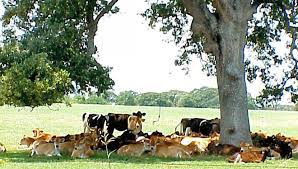
Shade is crucial for protecting livestock from the scorching sun. Ensure that there are plenty of shaded areas available, whether through natural means like trees or constructed shelters. Portable shade structures can also be used to move with the herd or flock as needed.

2. Ensure Access to Clean, Fresh Water

Hydration is vital in hot weather. Ensure that your animals always have access to clean, fresh water. Check water sources regularly and refill them as needed. For larger herds, consider using automatic waterers to maintain a constant supply.

3. Use Fans and Misters

For indoor animals or those kept in barns, fans and misters can significantly reduce heat stress. Fans help to circulate air, while misters spray a fine mist of water to cool the environment. These tools can make a big difference in keeping animals comfortable.

4. Adjust Feeding Times

Feed your livestock during the cooler parts of the day, such as early morning or late evening. Digestion generates heat, so avoiding feeding during the hottest part of the day can help keep animals cooler. Provide high-quality forage and avoid overfeeding.

5. Monitor for Signs of Heat Stress

Be vigilant in watching for signs of heat stress in your animals. Symptoms can include heavy panting, excessive drooling, lethargy, and decreased appetite. If you notice any of these signs, take immediate action to cool the animal down, such as moving it to a shaded area and offering water.

6. Shearing and Grooming

For animals with thick coats, regular shearing or grooming can help them stay cooler. Removing excess wool or hair reduces insulation and allows for better heat dissipation.

7. Use Electrolytes

Consider adding electrolytes to the water supply to help animals maintain proper hydration and balance during extreme heat. Electrolytes can be especially beneficial for young or lactating animals.

Managing farm livestock in hot weather requires proactive measures to keep animals cool and hydrated. By providing ample shade, ensuring access to clean water, using fans and misters, adjusting feeding times, monitoring for heat stress, grooming, and using electrolytes, you can protect your livestock from the dangers of heat stress. With these tips, you can ensure your animals remain healthy and productive, even in the hottest weather.

The Benefits of Cover Crops in Summer

Cover crops are often associated with the off-season when fields are not producing cash crops. However, planting cover crops in the summer can yield significant benefits for soil health and overall farm productivity. Let’s explore how cover crops can improve soil health and identify the best cover crops to plant during the summer months.

How Cover Crops Improve Soil Health

1. Enhancing Soil Structure- Root Systems: The root systems of cover crops penetrate and break up compacted soil, improving soil structure and aeration. This helps create a more porous soil that can better absorb water and nutrients.
– Organic Matter: As cover crops grow and decompose, they add organic matter to the soil. This organic matter enhances soil structure, increases water retention, and promotes the activity of beneficial soil organisms.

2. Suppressing Weeds- Natural Competition: Cover crops compete with weeds for light, water, and nutrients, effectively suppressing weed growth. This reduces the need for chemical herbicides and manual weeding.
-Ground Cover:By covering the soil, these crops prevent weed seeds from getting the light they need to germinate and grow.

3. Improving Nutrient Availability

Nitrogen Fixation:Certain cover crops, such as legumes, have the ability to fix atmospheric nitrogen and convert it into a form that plants can use. This natural fertilization process reduces the need for synthetic nitrogen fertilizers.
– Nutrient Recycling: Cover crops can absorb excess nutrients from the soil, preventing them from leaching away. When the cover crops decompose, these nutrients are released back into the soil, making them available for the next planting season.

4. Erosion Control

Why It Matters:
– Soil Protection: Cover crops protect the soil from erosion caused by wind and water. Their roots help bind the soil together, while their foliage shields the soil surface from direct impact.
– Sediment Reduction: By preventing erosion, cover crops reduce sediment runoff into waterways, helping to protect water quality.

Best Cover Crops to Plant in the Summer

1. Buckwheat

Why It’s Great:
– Quick Growth: Buckwheat grows rapidly, making it an excellent choice for summer planting. It can quickly cover the ground and outcompete weeds.
– Soil Loosening: Its extensive root system helps to break up compacted soil, improving soil structure.

2. Cowpeas

Why It’s Great:
– Nitrogen Fixation: As a legume, cowpeas fix nitrogen in the soil, enriching it for subsequent crops.
– Heat Tolerance: Cowpeas thrive in hot summer conditions and can withstand drought, making them ideal for summer cover cropping.

3. Sorghum-Sudangrass

Why It’s Great
– Biomass Production: Sorghum-Sudangrass produces a large amount of biomass, which can be tilled back into the soil to add organic matter.
– Weed Suppression: Its dense growth habit effectively suppresses weeds.

4. Sunn Hemp

Why It’s Great:
– Soil Improvement: Sunn hemp is excellent for improving soil health through nitrogen fixation and organic matter addition.
– Pest Management: It can also help manage nematodes and other soil pests.

Planting cover crops in the summer offers numerous benefits, from enhancing soil structure and suppressing weeds to improving nutrient availability and controlling erosion. By choosing the right cover crops, such as buckwheat, cowpeas, sorghum-sudangrass, and sunn hemp, farmers can promote soil health and boost overall farm productivity. Embrace the benefits of summer cover cropping to sustain and improve your agricultural practices.

The Importance of Local Produce

In a world where convenience often trumps quality, it’s essential to recognize the significant benefits of choosing local produce. Supporting local farmers, enjoying health benefits, and fostering community connections are just a few reasons why local produce matters.

Supporting Local Farmers

Economic Impact:
-Keeping Money Local: When you purchase local produce, you directly support farmers in your community, contributing to the local economy. This ensures that the money you spend stays within the community, creating a positive economic cycle.
– Boosting Local Employment: By supporting local farms, you’re helping sustain jobs and create new ones, boosting the overall economic health of your area.

Sustainable Practices:
– Environmentally Friendly: Local farms often adopt sustainable farming practices that are less harmful to the environment. These methods can include crop rotation, organic farming, and reduced use of pesticides and herbicides.
– Healthier Planet: Supporting local, sustainable farms means you’re contributing to a healthier planet. Sustainable practices reduce soil degradation, preserve water resources, and promote biodiversity.

Health Benefits

Freshness and Nutrition:
– Maximized Nutrients: Local produce is typically fresher because it doesn’t have to travel long distances to reach you. Fresher produce retains more nutrients, providing better health benefits.
– Seasonal Eating:Consuming fresh, seasonal produce can enhance overall health and well-being. Seasonal fruits and vegetables are often at their nutritional peak, offering the best flavor and quality.

Reduced Carbon Footprint:
– Lower Emissions: Buying locally reduces the carbon footprint associated with the transportation of food. This means fewer greenhouse gases are emitted, helping to combat climate change.
– Sustainable Choice: By choosing local produce, you’re making an environmentally sustainable choice that supports long-term ecological health.

Community Connection

Building Relationships:
– Strengthening Bonds:vPurchasing from local farmers and attending events like the Summer Harvest Festival fosters a sense of community. These interactions build relationships and strengthen the bond between farmers and consumers.
Supporting Each Other: When you know where your food comes from and who grows it, you develop a deeper appreciation for the hard work and dedication involved in farming.

Choosing local produce is a simple yet powerful way to support your community, improve your health, and promote environmental sustainability. By supporting local farmers, enjoying fresher and more nutritious food, and fostering community connections, you’re making a positive impact that extends far beyond your kitchen. Embrace the benefits of local produce and become a part of a healthier, more sustainable future.

Thinking Like a Farmer: Navigating Life’s Seasons with Resilience

It’s often beneficial to adopt the mindset of a farmer. Farming is a timeless profession that imparts valuable lessons, one of the most significant being the understanding that there will always be good seasons and bad seasons, and the weather is beyond one’s control. The key is not controlling the weather, but being prepared for it.

1. Embracing Cycles:
Farmers recognize that life, like the seasons, is a continuous cycle. Just as a harsh winter yields to a bountiful spring, life has its ups and downs. Accepting this ebb and flow can ease the emotional strain when challenges arise.

2. Preparedness and Resilience:
Farmers prepare for adversity. They store surplus crops for lean times and repair equipment before it breaks. Similarly, in life, being prepared and building resilience are crucial. This means having financial savings, a support network, and the emotional fortitude to weather life’s storms.

3. Patience and Adaptability:
Farmers know the value of patience. They understand that some things take time. They also adapt to changing circumstances. In life, patience and adaptability are essential. Waiting for better times and adapting to new challenges with grace are virtues worth cultivating.

4. Gratitude and Perspective:
Farmers are grateful for good seasons and don’t take them for granted. In life, recognizing and appreciating the good times can provide solace during difficult ones. Keeping perspective is invaluable.

5. Community and Sharing:
Farmers often form tight-knit communities, helping one another in times of need. In life, leaning on your community and offering support to others can provide strength during personal “bad seasons.”

Thinking like a farmer means understanding that good and bad seasons are part of life’s natural rhythm. We can’t control the weather, but we can control our preparedness, resilience, patience, and perspective. Embracing these principles can help us navigate life’s challenges with greater fortitude and grace. Just as the farmer’s fields bloom again after a harsh winter, so too can we find renewal and growth after life’s difficult seasons.

Fall for Flavor: Exploring Chili Recipes

As the days grow shorter and the air turns crisper, there’s one thing that never fails to warm my heart – the arrival of fall! 🍂 And what gets me most excited? The return of hearty soups and chilis to my kitchen.

There’s something magical about simmering a big pot of chili on the stove, the aroma filling the house with comfort and coziness. And let’s not forget the convenience – these dishes are even better as leftovers, making for quick and delicious lunches throughout the week.

But what’s a bowl of chili without a slice of homemade cornbread? The perfect side, with its golden crust and moist, buttery interior, completes the fall meal experience.

So, here’s to the cozy season ahead, where we can embrace the chill in the air and indulge in soul-warming soups, hearty chilis, and delightful cornbread. Fall, we’re ready for you! 🍁🥣🌽 #FallFlavors #ComfortFood

https://www.halfbakedharvest.com/crockpot-beef-chili/

beef chili + sour cream and cheddar biscuits

The Best Homemade Cornbread Recipe

https://thecozycook.com/easy-chili-recipe/

Garden Fresh Salsa: A Taste of Summer, Preserved

There’s something undeniably satisfying about growing your vegetables, plucking them straight from your garden, and turning them into a delicious salsa. But what happens when your garden’s bounty becomes too much to enjoy at once? Enter the world of homemade garden fresh salsa, a vibrant taste of summer, lovingly preserved to enjoy year-round.

The Garden’s Bounty:
When your garden is in full swing, it can feel like a race to savor each tomato, pepper, and onion at its peak. However, there comes a point when you have more than you can consume in one sitting. That’s where homemade salsa comes to the rescue.

The Raw, Fresh Advantage:
Unlike cooked salsa, which can alter the flavor and texture of your garden’s treasures, raw salsa retains the essence of each ingredient. The crispness of freshly harvested vegetables shines through, offering a burst of flavor in every bite.

The Preservation Process:
To ensure you can enjoy your garden’s salsa long after the harvest season has ended, consider vacuum-sealing it and storing it in the freezer. This method locks in the salsa’s freshness, preserving its vibrant colors and flavors.

Versatility at Its Best:
Homemade salsa is incredibly versatile. It’s not just a dip for tortilla chips; it can be a topping for grilled chicken, a filling for tacos, or a zesty addition to scrambled eggs. With your garden fresh salsa at the ready, your culinary options are endless.

A Taste of Summer Year-Round:
In the depths of winter, when your garden lies dormant under a blanket of snow, you can open your freezer and find a taste of summer waiting for you. Each spoonful of your homemade garden fresh salsa will transport you back to those sunny days in the garden, a reminder of the joy of growing and savoring your own produce.

So, the next time your garden overflows with ripe tomatoes, peppers, and onions, consider whipping up a batch of homemade garden fresh salsa. With a little effort in the preservation process, you can enjoy the flavors of your garden throughout the year, bringing a taste of summer to even the coldest of days. 🍅🌶️🌿 #GardenFreshSalsa #PreservationJoy #TasteOfSummer

Best Homemade Salsa Ever!