Senior Alpaca Finds Friendship in a Cow

A senior alpaca had no friends until one day he met a cow. He is a 17-year-old alpaca, which is pretty old for an alpaca. Stevie had been living at a petting zoo and not getting along with the other animals so he was taken in by Happy Compromise Farm, a sanctuary for animals.
Sadly, “Grandpa Stevie” didn’t get along with the other alpacas because they had already bonded with each other and he was socially awkward, not having learned how to be an alpaca at the zoo. But his social life changed when he met a senior cow named Miriam. The two old-timers get along really well. It turns out that Stevie likes cows more than alpacas and happily hangs out with them, eating hay and enjoying their company!
We’re so glad Stevie found a friend and a herd to belong to.

https://www.reshareworthy.com/friendless-senior-alpaca-meets-cow-friend/

Fall Garden Check-In: Evaluating Your Garden for Next Year

As the growing season winds down, fall is the perfect time to pause and take a good look at your garden. What thrived this year? What didn’t quite make the cut? Doing an honest evaluation now can save you headaches—and help you make better choices—when spring arrives.

1. Reflect on What Worked and What Didn’t

Take note of plants that flourished and those that struggled. Maybe certain flowers bloomed beautifully, while others never took off. Jotting this down now gives you a clear roadmap for next year’s shopping and planting decisions.

2. Plan for Better Placement

Fall is an ideal time to consider moving plants to more suitable spots. Some areas of your garden may receive more sun or shade than you realized, or certain plants might perform better elsewhere. Take notes for next year’s layout adjustments.

3. Enhance Privacy and Views

Are there spots in your garden where you’d like more privacy or screening from less-than-ideal views? Consider adding shrubs, hedges, or trellises to improve your garden’s comfort and aesthetics.

4. Think About Fall Interest

Fall isn’t just about clean-up—it’s also a chance to plan for beauty in the cooler months. Think about adding plants with striking fall colors or interesting textures to keep your garden lively and engaging even as temperatures drop.

5. Start a Master List

Create a running list of lessons learned, plant successes, and ideas for next year. This list will be invaluable when you start shopping in spring, helping you make smarter decisions and avoid repeating mistakes.

Evaluating your garden in the fall is more than a seasonal chore—it’s a strategic step toward a healthier, more beautiful, and well-planned garden next year. Take notes, reflect honestly, and use this time to set yourself up for success.

Why a Flexible Garden Hose Might Be Your New Favorite Tool

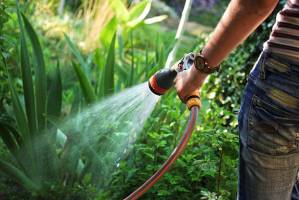
When it comes to garden tools, sometimes it’s the small upgrades that make the biggest difference. One of those game-changers? A flexible garden hose.

Whether you’re a seasoned gardener or just getting started, dealing with a stiff, kinked hose can turn watering your plants into an annoying chore. But with a flexible hose, the experience becomes smoother, easier, and—dare we say—more enjoyable.

What is a Flexible Hose?

A flexible hose, often made from durable materials like latex or expandable polymers, is designed to be lightweight, easy to store, and kink-free. Many models expand when the water is on and shrink back down when the water is off, making them simple to coil and tuck away.

3 Reasons to Love a Flexible Garden Hose

1. No More Kinks or Tangles

Traditional hoses can twist and kink at the worst times—usually when you’re in the middle of watering delicate seedlings or cleaning garden tools. Flexible hoses move with you, saving time and frustration.

2. Lightweight and Easy to Maneuver

Forget dragging a heavy, bulky hose across the yard. A flexible hose is light enough for anyone to handle, making it especially helpful for older gardeners or those with limited strength.

3. Compact and Space-Saving

These hoses shrink down significantly when not in use, taking up far less space in your shed, garage, or on a hose reel. They’re perfect for small spaces or urban gardens.

Things to Consider

While flexible hoses are super convenient, they’re not indestructible. Look for one with solid brass fittings and durable inner layers to get the most life out of your hose. Store it out of direct sun and drain it after each use to prevent damage.

A flexible hose might not seem like a big deal, but once you try one, you may wonder how you ever gardened without it. It’s one of those upgrades that makes your gardening life a little easier—and who doesn’t want that?

https://amzn.to/4f8iPfP

  • EXTREMELY FLEXIBLE – All weather flexibility
  • EXTREMELY DURABLE – Abrasion resistant outer cover and crush resistant anodized aircraft aluminum fittings
  • HYBRID POLYMER – Won’t kink under pressure, coils easily and lays flat with zero memory
  • LIGHTWEIGHT – Lighter than traditional garden hoses making Flexzilla easier to carry and maneuver around the yard
  • LEAK FREE CONNECTIONS AND DRINKING WATER SAFE – A durable O-ring provides long lasting leak free connections and feature an inner tube material that is drinking water safe

https://amzn.to/4f8iPfP

To Plant a Garden Is to Believe in Tomorrow” — Why This Quote Still Matters

Audrey Hepburn once said, “To plant a garden is to believe in tomorrow.”
And isn’t that exactly what gardening is—a quiet, hopeful act of faith?

When you press a seed into the soil, you can’t see the roots it will grow or the fruit it may bear. You simply trust. You trust the sun will rise, the rain will fall, and time will do its work. You believe that what you sow today will one day bloom, nourish, or delight.

Planting a garden invites us to slow down. It reminds us that good things take time—that growth doesn’t happen overnight. Whether it’s a tomato plant, a sunflower, or a small herb on a windowsill, each planting is a promise to the future. It’s a statement: I still believe in beauty, in growth, and in the seasons to come.

Gardening as a Metaphor for Life

This quote doesn’t just apply to soil and seeds. It’s a way of living. Every kind word, every act of generosity, every time we choose hope over fear—we’re planting something for tomorrow. We may not see the results right away, but the impact is real.

And just like a garden, life requires patience, care, and resilience. There will be weeds. There will be dry spells. But there will also be blooms. Surprises. Fresh starts. And joy.

A Garden is a Form of Optimism

Whether you’re a seasoned gardener or just starting out, every seed you plant is a small act of optimism. So dig your hands into the earth. Dream about the harvest. Believe in tomorrow.

https://amzn.to/4jRXsAE

Celebrating Earth Day: Small Changes, Big Impact


Earth Day is upon us, and it’s always a good reminder to reflect on our relationship with the planet. While we can’t all be superheroes saving the Earth with big flashy moves, we can each do our part in small but meaningful ways.

Over the years, I’ve started making a few changes that help me feel more connected to nature, even if I’m not out planting trees in a forest. I’m not perfect, but every little bit counts, right?

One thing I’ve embraced is reducing single-use plastics. It was a struggle at first – those plastic bags at the grocery store are just so convenient! But after switching to reusable bags, I realized it wasn’t as hard as I thought. Plus, my “eco-friendly” bags are kind of cute, and I’ve saved a few pennies along the way!

I’ve also started composting. Yes, composting! It seemed like an intimidating task at first, but once I got the hang of it, it was surprisingly easy. Now, instead of throwing away fruit peels and coffee grounds, I’m giving them a second life by helping them turn into rich, nutrient-filled soil for my garden. My plants thank me!

And then there’s gardening, of course. Whether you have a small apartment balcony or a sprawling backyard, growing your own herbs or flowers can be incredibly rewarding. Not only does it add beauty to your space, but it also helps the environment. Every little green thumb helps!

This Earth Day, I’m taking a moment to appreciate the planet – the trees, the oceans, the air we breathe. But I’m also reminded that making small, positive changes can add up over time. So, whether you choose to reduce waste, plant a tree, or just take a walk and enjoy nature, it all matters.

Happy Earth Day, everyone! Let’s continue making our world a little greener, one small step at a time. 🌍💚

https://amzn.to/42M5GDn

Weeds Always Come First: Spring, Life, and Clearing What Doesn’t Belong

Spring has barely unfolded her petals, and already—there they are. Weeds. Persistent, fast, and always one step ahead of the beauty you’ve been waiting for.

Isn’t that just like life?

Before your good habits take root, the old ones creep back in. Before your confidence blooms, self-doubt pops up like dandelions. And before your plans get a chance to grow strong, distractions fight to take over the garden.

It’s funny how the weeds always seem to show up first. In the soil—and in our souls.

But here’s the thing: just like in the garden, we get to choose what stays and what gets pulled. Every tug at a stubborn root, every intentional clearing, makes space for something better. Something vibrant. Something you want to grow.

So as you step into spring, both outside and inside yourself, take note of the weeds. They’re fast, but you’re faster. They’re stubborn, but you’re stronger.

Cut out what doesn’t belong. Uproot the habits, people, and thoughts that don’t serve your garden. Protect the bloom that’s coming.

Because your life deserves more than weeds. It deserves wildflowers, vegetables, fruit, and all the beauty that comes when you make room for it.

Let spring be a reminder—growth takes work, but it’s worth it.

Container Gardening: The Flexible, Fun Way to Grow Anywhere

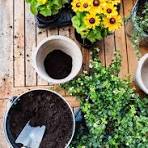
Container gardening is truly for everyone. Whether you have a big backyard, a tiny balcony, or just a sunny windowsill, you can grow something beautiful—and maybe even delicious—right where you are. That’s the magic of gardening in pots: no yard required, just a little creativity and care.

But with great flexibility comes a flood of decisions. What type of container should you choose? What kind of soil mix works best? Which plants go well together? It’s easy to get overwhelmed by all the options. The good news? You don’t need to know everything to get started—you just need a few helpful tips and a little inspiration.

Why Container Gardening Works for Everyone

The beauty of container gardening is in its adaptability. Want to add color to your patio? A few pots of blooming flowers can make it pop. Need something green in a shady spot by your front door? There’s a plant for that. Only have a small kitchen window? Herbs in little pots can thrive right there.

You can move containers to chase the sun, bring them inside when the weather turns, or rearrange them just for fun. They’re perfect for renters, busy folks, or anyone who wants to experiment without committing to digging up the yard.

Tips to Get Started

  1. Pick the Right Container
    Anything that holds soil and has drainage holes can be a container. Clay pots, ceramic planters, old buckets, or even a repurposed drawer—get creative!
  2. Use Good Soil
    Don’t use garden dirt; it’s too heavy for pots. A good quality potting mix will help your plants grow strong and healthy.
  3. Choose Your Plants Wisely
    Group plants with similar sunlight and water needs. Herbs, flowers, vegetables—you name it, there’s a plant that will thrive in a pot.
  4. Water and Feed Regularly
    Containers dry out faster than in-ground gardens. Water often and consider adding a slow-release fertilizer to keep plants happy.

A Garden That Grows With You

Whether you’re brand new to gardening or have years of experience, container gardening is a great way to grow with the seasons and your lifestyle. It’s not about having the perfect pot or the fanciest flowers—it’s about discovering what works for you and enjoying the process.

So grab a container, fill it with good soil, pop in a few plants, and watch your little garden thrive—right where you are.

You Can’t Rush the Harvest: Why Patience Is Power

In the garden, you don’t plant a seed and dig it up the next day to see if it’s growing.

You plant, you water, you tend—and you wait. It takes time. The sun, the rain, the soil, and the quiet days when nothing seems to be happening all play a part. And then—almost like magic—growth begins to show.

But it’s not magic. It’s patience.

Rushing Doesn’t Help the Crop Grow Faster

We live in a world of quick answers and instant results. We want transformation by next week. Success overnight. Change in a flash. But real things—the things that matter—don’t work like that.

Whether it’s your career, your relationships, your health, or your dreams, rushing the process won’t bring the results any sooner. It often leads to frustration, burnout, or giving up too soon.

The Lost Art of Patience

Patience is becoming a lost art, but it’s one of the most powerful tools we have. When you learn to wait well—to keep showing up, keep nurturing, keep believing even when nothing seems to be happening—that’s when the real transformation takes root.

There’s a quiet strength in patience. It doesn’t mean sitting still and doing nothing. It means continuing with faith and trust that your effort is not wasted.

In the Right Season, With the Right Conditions, Growth Happens

You can’t control everything. You can only control what you plant, how you care for it, and whether you stick with it. The rest? That’s timing, environment, and a bit of grace.

So plant the seeds. Tend your soil. Water your dreams. And then… trust.

In the right season, when the conditions align, the results will show up—and they’ll be worth the wait.

Don’t give up because you don’t see instant growth. Stay patient. Stay steady. The harvest is coming.

Plants Hummingbirds Love and Why You Should Plant Them


Hummingbirds are tiny, energetic creatures that bring beauty and life to any garden. If you want to attract these fascinating birds, the best way is by planting flowers rich in nectar. Not only do these plants provide essential food for hummingbirds, but they also enhance your garden’s beauty and support pollinators.

Why Plant for Hummingbirds?

  1. Natural Pollination – Hummingbirds help pollinate flowers as they feed, contributing to a healthier ecosystem.
  2. Pest Control – While nectar is their primary food source, hummingbirds also eat small insects, helping to keep your garden balanced.
  3. Year-Round Beauty – Many hummingbird-friendly plants bloom in bright, eye-catching colors, making your garden a vibrant sanctuary.
  4. Encourage Wildlife – Creating a hummingbird-friendly environment supports biodiversity and brings more life to your outdoor space.

Best Plants to Attract Hummingbirds

1. Bee Balm (Monarda)

A favorite among hummingbirds, bee balm produces bright red, pink, and purple blooms that are rich in nectar. Plus, it’s easy to grow and resistant to deer and rabbits.

2. Salvia (Sage)

Salvia plants, particularly red and purple varieties, produce tubular flowers perfect for hummingbird feeding. They thrive in full sun and well-drained soil.

3. Trumpet Vine (Campsis radicans)

As the name suggests, trumpet vines produce trumpet-shaped flowers that hummingbirds adore. Just be mindful—it can grow aggressively and may need regular pruning.

4. Columbine (Aquilegia)

A spring-blooming plant with delicate, bell-like flowers, columbine provides an early nectar source for hummingbirds just as they begin their migration.

5. Fuchsia

Ideal for hanging baskets, fuchsia plants boast stunning, drooping flowers in bright pink, purple, and red hues—irresistible to hummingbirds.

6. Lupine (Lupinus)

With tall spikes of nectar-rich flowers, lupines not only attract hummingbirds but also add dramatic height to your garden.

7. Cardinal Flower (Lobelia cardinalis)

Named for its striking red color, this native perennial is a top hummingbird magnet and thrives in moist soil conditions.

Tips for Creating a Hummingbird Haven

  • Plant a Variety – Choose flowers that bloom at different times of the year to provide a continuous nectar source.
  • Go Native – Native plants are best adapted to local wildlife and require less maintenance.
  • Avoid Pesticides – Chemicals can be harmful to hummingbirds and other pollinators.
  • Add a Water Source – A shallow birdbath or misting fountain can provide drinking and bathing water.

https://amzn.to/4hGfWSW

The Cracked Pot: Embracing Imperfections and Finding Beauty in Flaws

There’s a story that’s been passed down through generations, known as “The Cracked Pot,” and it’s a powerful reminder that imperfections often bring the most unexpected beauty into our lives.

The Story of the Cracked Pot

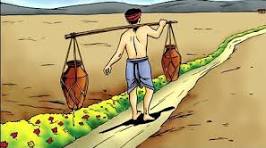
Imagine a farmer with two water-carrying pots. Each day, the farmer uses these pots to fetch water from the stream to nourish his crops. However, one of the pots has a crack, and by the time the farmer returns home, a good portion of the water it carries leaks out. The second pot, on the other hand, is perfect and always delivers its full load of water.

Over time, the cracked pot begins to feel ashamed of its imperfection. It wonders why it cannot be as efficient as the unbroken pot and often feels that it is failing in its task. Every day, it looks at the other pot and wonders why it is “flawed.”

One day, after years of service, the cracked pot finally speaks up to the farmer, apologizing for its imperfection. It says, “I am so sorry. I can’t carry as much water as the other pot. I am not as good as it.”

The farmer listens quietly and then replies, “Have you noticed something beautiful about your imperfection? While you leak water on the side, you’ve allowed flowers to grow along the path. Without your crack, the flowers would not be there. Every day, you’ve nourished the earth with water, and in turn, these beautiful flowers have blossomed.”

Embracing Imperfection

The cracked pot’s story is a reflection of how we often view our own flaws. We are conditioned to strive for perfection, especially in a world where success, wealth, and beauty are often defined by flawless appearances and outcomes. The cracked pot’s insecurity about its imperfection mirrors how many of us feel about our own perceived shortcomings.

But just like the cracked pot, it’s essential to recognize that our imperfections can sometimes be the very things that lead to growth and beauty, both in our lives and in the world around us. While we might strive to improve ourselves and our situations, we also need to accept that there is beauty in vulnerability, mistakes, and flaws.

The Beauty of Flaws

The beauty that bloomed along the cracked pot’s path wasn’t something that could have been planned or predicted. It was a natural result of the pot’s imperfections. This story teaches us that imperfection doesn’t mean failure; it can be a source of unexpected blessings.

We all have cracks—whether they be in our careers, relationships, or our self-image—but it’s these very cracks that can lead to the most profound experiences, growth, and discoveries. Sometimes, what we perceive as weaknesses are actually our greatest strengths, offering opportunities for connection, growth, and innovation that wouldn’t exist without them.

Finding the Beauty in Our Imperfections

Rather than hiding or being ashamed of our flaws, we can learn to embrace them. Here are a few ways to cultivate appreciation for our imperfections:

  1. Shift Your Perspective: Try to see your flaws not as failures, but as opportunities to grow, learn, and improve. What can you discover from them that you might otherwise miss?
  2. Celebrate Your Journey: Every mistake, every imperfection, is part of your story. Celebrate your progress and how far you’ve come, even if you haven’t reached “perfection.”
  3. Use Your Imperfections to Connect: Share your struggles with others, and you’ll likely find that people are drawn to your authenticity. Your imperfections can foster deeper connections and understanding.
  4. Recognize the Beauty of the Unexpected: Just as the flowers grew because of the cracked pot, you may find that your flaws lead to unexpected joys and blessings. Be open to discovering the beauty that can emerge from what you once saw as a limitation.

The cracked pot story is a beautiful reminder that imperfections are not something to be ashamed of but rather to embrace. It’s in our flaws that we often find our most unique qualities and where we discover the hidden potential for growth, beauty, and connection.

So, next time you find yourself feeling like the cracked pot, remember that your imperfections might just be the very thing that makes your journey—and the world around you—more beautiful. Just like the flowers that bloomed along the pot’s path, your flaws may give rise to something more beautiful than you could ever have imagined.