Patience is Key: Don’t Get Frustrated When Your Puppy Isn’t Potty Trained Yet

Bringing a new puppy into your home is an exciting and rewarding experience, but it comes with its share of challenges. One of the most common hurdles many new puppy parents face is potty training. It can be easy to get frustrated when your puppy isn’t quite getting the hang of going potty outside just yet, but remember—patience is essential.

The Puppy Potty Training Journey

Potty training is a process that takes time, and every puppy is different. Some may catch on quickly, while others need a little extra help and repetition. It’s important to keep in mind that your puppy is still learning and adjusting to their new environment. It may take a few weeks—or even months—before they fully understand where it’s appropriate to go.

Why Your Puppy Isn’t Going Outside (Just Yet)

There are a few reasons why your puppy might not be potty trained immediately:

  1. Age and Development: Puppies, like babies, don’t have full control over their bladders and bowels until they’re a little older. Typically, puppies aren’t fully potty trained until they’re between 4-6 months old, though it can vary.
  2. Routine and Consistency: Puppies thrive on routine. If you’re not taking them outside regularly or on a consistent schedule, they may not associate the outdoors with potty time yet. Try to take them out at least every two hours, after meals, and right after naps.
  3. Distractions: Puppies are curious and easily distracted, especially when they’re outside. They might get so caught up in exploring their surroundings that they forget why they’re out there. Stay patient and persistent, and keep the focus on potty time until they get the hang of it.
  4. Not Enough Praise: Puppies respond well to positive reinforcement. If they do their business outside, shower them with praise and treats to reinforce the behavior. It will help them understand that going potty outside is a good thing!

Tips to Stay Calm and Patient During Potty Training

  1. Set Realistic Expectations: Potty training takes time. It’s normal for accidents to happen, and getting frustrated will only add stress to the situation. Keep your expectations in check and give your puppy the time they need to learn.
  2. Create a Positive Environment: Make potty time an enjoyable experience for your puppy. Take them to the same spot every time, so they recognize the area, and be sure to reward them for doing the right thing.
  3. Be Consistent: Stick to a routine. Puppies learn best when their schedule is predictable, so make sure you take them outside at the same times each day. Consistency is key to success.
  4. Clean Up Accidents Properly: If your puppy has an accident indoors, clean the area thoroughly with an enzymatic cleaner to remove any scent. This will prevent them from thinking it’s okay to go in that spot again.
  5. Remember, It’s a Phase: Potty training can be frustrating, but it’s important to remember that it’s just a phase. With patience, persistence, and consistency, your puppy will eventually get the hang of it and learn where they should go.

When to Seek Help

If your puppy is still having trouble after several weeks of training, it might be a good idea to consult with a vet or a professional dog trainer. There could be underlying medical issues or behavioral concerns that need to be addressed.

Above all, remember that your puppy is still a little one and learning everything for the first time. With patience, love, and consistency, your puppy will be potty trained before you know it. Until then, take a deep breath and embrace the journey—it’s a big part of their growth and your bond!
Valentine’s Day and Seeing Success in Your Garden: A Love Story with Your Plants

Valentine’s Day is a time to celebrate love, and what better way to honor this day than by recognizing the growth and beauty around us, especially in our gardens? Gardens, like relationships, require patience, care, and dedication. And as the season begins to change, there’s no better time to reflect on the love you’ve poured into your garden and the success you’re seeing as a result.

The Love and Care Your Garden Needs

Much like any meaningful relationship, gardening takes time and effort. It’s not just about planting seeds and hoping for the best—it’s about consistently caring for your plants, giving them the right conditions to thrive, and tending to them with love.

  • Prepare Your Soil: Just as we need a solid foundation in relationships, your garden needs nutrient-rich soil. Fertilize, aerate, and ensure that the soil is ready for your plants to grow strong.
  • Water and Feed: Love requires nourishment, and so does your garden. Regular watering and feeding are essential to ensure that your plants have everything they need to flourish.
  • Patience: Growth doesn’t happen overnight. Just like in life and love, you need to be patient and allow time for things to develop. Keep tending to your garden, and over time, you’ll see the fruits of your labor.

Signs of Success in Your Garden

As you work through the season, you’ll start to see signs of success in your garden. Here are a few heartwarming moments to look forward to:

  • First Sprouts: The first little green shoots poking through the soil are a beautiful reminder that all your hard work is paying off. These sprouts symbolize the beginning of something amazing.
  • Blooming Flowers: There’s nothing quite like the joy of seeing your plants bloom. Whether it’s the first flower of the season or a vibrant new crop of veggies, blooming plants signify your garden’s success and your care.
  • Healthy Growth: As your plants continue to grow strong and vibrant, you’ll see the evidence of your efforts. Healthy leaves, sturdy stems, and abundant flowers or fruits are all signs that your garden is thriving.

Love Your Garden, and It Will Love You Back

Much like love itself, gardening is a journey filled with ups and downs. Some days your plants may struggle, and other days, they may soar. But through it all, the key is to remain dedicated and to find joy in the small moments. Success in gardening isn’t always about achieving perfection—it’s about nurturing life and finding beauty in the process.

So, this Valentine’s Day, take a moment to appreciate the success in your garden. Celebrate the growth you’ve witnessed, both in your plants and in your own life. The love you give to your garden is returned in the form of flowers, fresh vegetables, and the joy of seeing life thrive.

Happy Valentine’s Day—may your garden always grow strong, and may the love you cultivate within it bring you endless joy! 🌹🌱

The Farmer’s Almanac: A Timeless Guide for Gardeners and Farmers

For centuries, the Farmer’s Almanac has been a trusted resource for farmers, gardeners, and anyone seeking wisdom about nature, weather, and the changing seasons. Packed with practical advice, planting schedules, long-range weather forecasts, and folklore, this annual publication continues to serve as a guide to living in harmony with the land.

A Brief History

The Farmer’s Almanac was first published in 1818, though similar almanacs have existed for much longer. It was designed to provide weather predictions, agricultural tips, and helpful hints for rural communities. Over time, it has evolved, incorporating modern science while still holding onto its traditional roots.

What’s Inside?

Each edition of the Farmer’s Almanac contains:

  • Long-Range Weather Forecasts – Based on a secret formula, these forecasts help farmers and gardeners plan for the seasons ahead.
  • Planting Calendars – Ideal for those who follow moon cycles and traditional wisdom when planting their crops.
  • Gardening Tips – From pest control to soil care, the almanac offers practical advice for growing a successful garden.
  • Folklore and Natural Remedies – Old-fashioned wisdom about everything from predicting rain to home remedies for common ailments.
  • Astronomical Events – Guides to eclipses, meteor showers, and the best times to observe the night sky.

Why People Still Use It Today

Despite modern technology and advanced weather forecasting, the Farmer’s Almanac remains popular because of its blend of science, tradition, and practical advice. Many gardeners still swear by its planting guides, and weather enthusiasts enjoy comparing its predictions with actual conditions.

How to Use It for Gardening

If you’re a gardener, here are a few ways to make the most of the Farmer’s Almanac:

  1. Check the Frost Dates – Knowing the average first and last frost dates helps you plan your planting schedule.
  2. Follow the Moon Phases – Some believe that planting by the moon leads to better harvests. The almanac provides a detailed lunar planting guide.
  3. Take Note of Weather Patterns – While not always 100% accurate, long-range weather predictions can help you prepare for potential droughts or heavy rains.

The Farmer’s Almanac is more than just a book; it’s a tradition passed down through generations. Whether you’re a serious farmer, a backyard gardener, or simply enjoy seasonal wisdom, it remains a valuable and entertaining resource.

https://amzn.to/4hUAGqF

Finding Balance: Lessons from the Garden

In the garden, plants thrive when they receive the right balance of water, sunlight, and nutrients. Too much of one, and they may wilt; too little, and they won’t grow. It’s a delicate dance, a harmonious relationship between nature’s elements. In many ways, our lives mirror this cycle. Just as plants require balance to flourish, we need balance in our own lives for growth and well-being. Work, rest, and relationships must be nurtured in the right proportions for us to thrive.

The Importance of Balance in Life

Life is often a juggling act—work demands our attention, relationships pull us in different directions, and our own need for rest is sometimes overlooked. Much like a garden that requires a thoughtful combination of water, sunlight, and soil, we need to pay attention to different areas of our lives to maintain our overall health and happiness.

  1. Work: The Sunlight of Productivity

    In the garden, sunlight is crucial for growth. Without it, plants cannot thrive. Similarly, work and productivity are essential for our own growth—whether it’s personal development, career success, or pursuing our passions. However, just as too much sunlight can scorch a plant, overworking ourselves can lead to burnout. We need enough light to help us grow but also shade to prevent damage.

    Striking a balance between productivity and rest allows us to give our best at work without compromising our health or personal life. Set boundaries, prioritize tasks, and make space for rest.

  2. Rest: The Water for Recovery

    Plants rely on water to stay hydrated and healthy. Without it, they can’t absorb the nutrients they need, and they begin to wither. Likewise, rest is the water we need to recharge and stay balanced. When we don’t prioritize rest, we can’t function at our highest level, and our overall well-being suffers.

    Rest doesn’t just mean sleep—it’s about taking time to unplug, disconnect, and recharge. Whether it’s enjoying a hobby, meditating, or simply doing nothing, taking time to relax helps restore our mental, emotional, and physical health.

  3. Relationships: The Soil That Nurtures Us

    Just as soil provides a foundation for a plant’s roots, relationships ground and nourish us. We need a solid support system—family, friends, colleagues, or community—who help us weather life’s challenges and celebrate our successes. Without healthy, meaningful relationships, we can feel disconnected, like a plant deprived of nutrients.

    Cultivating strong relationships requires time, effort, and understanding. Just as plants need regular care, so do our connections with others. By giving and receiving love, support, and encouragement, we ensure that our personal garden of relationships flourishes.

How to Find Balance in Your Life

Just as in the garden, achieving balance in life is an ongoing process. Here are a few tips to help you find your equilibrium:

  • Prioritize Your Health: Just like plants need water and sunlight to grow, your body needs rest, nutrition, and exercise. Take care of yourself so you can take care of everything else.
  • Set Boundaries: Learn to say no when you need to. Just as too much sunlight can be harmful to plants, overcommitting yourself can lead to stress and burnout.
  • Focus on What Matters: In the garden, we must tend to the most important plants. Similarly, focus on the relationships and tasks that matter most to your happiness and fulfillment.
  • Be Flexible: Sometimes the weather changes unexpectedly, and we must adjust. Life doesn’t always go as planned, so being adaptable is key to finding balance.
  • Make Time for Yourself: Ensure that you have regular breaks and time away from work or social obligations to rest and recharge.

In the same way that a garden thrives when it receives the right amount of water, sunlight, and care, our lives require balance to grow and flourish. By tending to the different areas of our lives—work, rest, and relationships—we can nurture ourselves, avoid burnout, and achieve a sense of well-being. Just as every plant needs a unique balance of elements, each of us must discover our own ideal mix to thrive. Remember, life isn’t about perfection, it’s about finding harmony in the rhythms of your own journey.

What are some ways you maintain balance in your life?


4 Potty Training Tips for Puppies Who Won’t Go Outside but Have Accidents Inside

Potty training a puppy can be challenging—especially when they refuse to do their business outside but have accidents as soon as they come back in. This common frustration can be caused by distractions, anxiety, or a lack of routine. The good news? With patience and the right approach, you can teach your pup to go potty where they should. Here are four potty training strategies to help.

1. Extend Outdoor Time and Minimize Distractions

Some puppies get easily distracted outside—sniffing, exploring, and playing rather than focusing on going potty. Instead of bringing your puppy inside right away, try extending their time outside.

  • Stay outside for an extra 5–10 minutes after they first hesitate.
  • Keep them on a leash to prevent wandering.
  • Take them to a consistent potty spot each time.

If they don’t go after a reasonable time, bring them inside but keep them on the leash and try again in 5–10 minutes. This prevents immediate accidents and reinforces the idea that potty time happens outside.

2. Use a Trigger Word or Cue

Puppies can learn verbal cues for potty time just like they learn sit or stay. Each time you take your puppy outside, use a consistent phrase like:

  • “Go potty!”

Say the cue in a calm, encouraging voice. When they finally go, praise them immediately and offer a small treat. Over time, they’ll associate the cue with the action, making potty training smoother.

3. Reward Immediately After They Go

Timing is everything with rewards! If your puppy goes outside, immediately praise and give them a treat. Doing this right after they finish (not after they come back inside) reinforces the correct behavior.

Pro tip: Keep a small treat pouch near the door so you’re always ready to reward success.

4. Limit Indoor Freedom Until They’re Reliable

If your puppy consistently has accidents right after coming inside, try limiting their freedom indoors until they learn to potty outside. Here’s how:

  • After coming inside, keep them on a leash or in a playpen for 5–10 minutes.
  • If they show signs of needing to go (sniffing, circling), take them right back outside.
  • Over time, as they get better, gradually give them more freedom indoors.

Potty training takes time, but with patience, consistency, and positive reinforcement, your puppy will learn where to go. Extending outdoor time, using a potty cue, rewarding immediately, and limiting indoor freedom can make a big difference in teaching good habits. Stick with it, and soon your puppy will reliably do their business where they should!

https://amzn.to/4aKodmU

3 Tips for Bringing a Puppy Home: Setting Up for Success

Bringing a new puppy into your home is an exciting and rewarding experience, but it also requires preparation. From setting up their space to creating a safe environment, the right steps can help ensure a smooth transition for both you and your new furry friend. Here are three tips to make the process easier—one of which includes a simple yet effective item: a waterproof blanket.

1. Set Up a Comfortable Space

Puppies need their own space where they feel safe, secure, and comfortable. Before bringing your new pup home, designate an area for their bed, food, water, and toys. If possible, create a quiet spot away from high-traffic areas to help them settle in without feeling overwhelmed.

Don’t forget to make this space cozy and inviting with soft bedding and a few familiar items like a blanket or a stuffed toy. A comfortable, consistent space is essential for your puppy to adjust to their new environment.

2. Use a Waterproof Blanket for Easy Cleanup

Accidents are inevitable when bringing a puppy home, whether it’s during potty training or just their playful explorations. One of the best ways to prepare for these situations is by using a waterproof blanket.

Place it on their bed or in their play area to protect furniture and carpets from spills, drool, and accidents. Waterproof blankets are easy to clean and can help minimize stress when your puppy has an “oops” moment. Plus, they’re versatile enough to use during travel or as an extra layer of protection during nap time.

3. Be Patient and Establish a Routine

Puppies thrive on routine. From feeding times to potty breaks, having a consistent schedule helps your puppy understand what to expect. Be patient during the first few days as they adjust to their new home.

Remember, patience is key during this learning period. Praise and reward good behavior, and gently guide them when mistakes happen. Keep their training consistent, and they will begin to feel at ease in their new home.

Bringing a puppy into your home is a joyful occasion, and a little preparation can go a long way in helping them adjust. By setting up a comfortable space, using a waterproof blanket for easy cleanup, and establishing a routine, you’re setting your puppy up for success in their new home. With patience, love, and a few helpful tools, your puppy will quickly become a beloved member of your family.

https://amzn.to/42FeOez

Summer Farm Safety Tips: Staying Safe in the Sun and Heat

Summer is a busy time on the farm, with long days dedicated to planting, harvesting, and caring for livestock. While the season brings plenty of sunshine and warmth, it also poses significant risks such as heat stress, dehydration, and sunburn. Staying safe in the sun and heat is crucial for farm workers and farmers alike. Here are some essential summer farm safety tips to ensure you stay healthy and productive during the hottest months.

Hydration is Key

Drink Plenty of Water
– Stay Hydrated: Aim to drink at least 8-10 glasses of water a day, more if you’re working hard or sweating a lot.
– Avoid Dehydrating Beverages: Limit consumption of caffeinated drinks, alcohol, and sugary beverages as they can contribute to dehydration.

Carry a Water Bottle
– Keep Water Accessible: Always have a water bottle with you and take regular breaks to drink, even if you don’t feel thirsty.
– Electrolyte Drinks: Consider drinks with electrolytes to replace lost minerals, especially if you’re sweating heavily.

Wear Appropriate Clothing

Lightweight and Breathable Fabric
– Choose the Right Materials: Wear light-colored, loose-fitting clothing made of breathable fabrics like cotton to help keep you cool.
– **Protective Clothing:** Long sleeves and pants can protect your skin from the sun, as well as from insects and plants that may cause irritation.

Hats and Sunglasses
– **Wide-Brimmed Hats:** Wear a hat with a wide brim to shade your face, neck, and ears from the sun.
– **UV Protection Sunglasses:** Protect your eyes from harmful UV rays with sunglasses that block 100% of UVA and UVB rays.

Use Sunscreen

Apply Generously
– SPF 30 or Higher: Use a broad-spectrum sunscreen with an SPF of at least 30.
– Reapply Often: Reapply sunscreen every two hours, or more often if you’re sweating or working in water.

Take Regular Breaks

Rest in the Shade
– Schedule Breaks:Take regular breaks in a shaded or air-conditioned area to cool down.
– Listen to Your Body: If you feel dizzy, lightheaded, or overly fatigued, stop working and rest immediately.

Work During Cooler Hours
– Avoid Peak Sun:Try to schedule the heaviest or most labor-intensive tasks for early morning or late afternoon when the sun is less intense.

Stay Informed

Weather Updates
– Check the Forecast: Keep an eye on the weather forecast to plan your work accordingly and avoid extreme heat conditions.
– Heat Advisories: Be aware of heat advisories and warnings issued for your area.

Working on a farm during the summer can be rewarding but also poses serious risks if proper precautions are not taken. By staying hydrated, wearing appropriate clothing, using sunscreen, taking regular breaks, and being aware of heat-related illnesses, you can protect yourself and your fellow workers from the dangers of sun and heat exposure. Stay safe, stay cool, and enjoy the productivity and beauty that summer brings to the farm.

Managing Farm Livestock in Hot Weather: Tips for Keeping Animals Cool and Hydrated

Hot weather can pose significant challenges for farm livestock. Just as humans struggle with high temperatures, animals also need special care to stay cool and hydrated. Here are some essential tips for managing your farm livestock during hot weather to ensure their health and well-being.

1. Provide Ample Shade

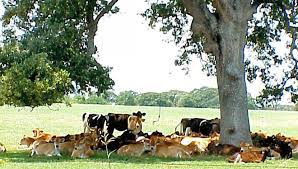
Shade is crucial for protecting livestock from the scorching sun. Ensure that there are plenty of shaded areas available, whether through natural means like trees or constructed shelters. Portable shade structures can also be used to move with the herd or flock as needed.

2. Ensure Access to Clean, Fresh Water

Hydration is vital in hot weather. Ensure that your animals always have access to clean, fresh water. Check water sources regularly and refill them as needed. For larger herds, consider using automatic waterers to maintain a constant supply.

3. Use Fans and Misters

For indoor animals or those kept in barns, fans and misters can significantly reduce heat stress. Fans help to circulate air, while misters spray a fine mist of water to cool the environment. These tools can make a big difference in keeping animals comfortable.

4. Adjust Feeding Times

Feed your livestock during the cooler parts of the day, such as early morning or late evening. Digestion generates heat, so avoiding feeding during the hottest part of the day can help keep animals cooler. Provide high-quality forage and avoid overfeeding.

5. Monitor for Signs of Heat Stress

Be vigilant in watching for signs of heat stress in your animals. Symptoms can include heavy panting, excessive drooling, lethargy, and decreased appetite. If you notice any of these signs, take immediate action to cool the animal down, such as moving it to a shaded area and offering water.

6. Shearing and Grooming

For animals with thick coats, regular shearing or grooming can help them stay cooler. Removing excess wool or hair reduces insulation and allows for better heat dissipation.

7. Use Electrolytes

Consider adding electrolytes to the water supply to help animals maintain proper hydration and balance during extreme heat. Electrolytes can be especially beneficial for young or lactating animals.

Managing farm livestock in hot weather requires proactive measures to keep animals cool and hydrated. By providing ample shade, ensuring access to clean water, using fans and misters, adjusting feeding times, monitoring for heat stress, grooming, and using electrolytes, you can protect your livestock from the dangers of heat stress. With these tips, you can ensure your animals remain healthy and productive, even in the hottest weather.

Dog Rocks: Saving Your Lawn from Yellow Marks with a Splash of Magic

We adore our furry companions, but the unsightly yellow burn spots left behind by dog urine can put a damper on our perfectly manicured lawns. Fear not, dear readers, for we have an enchanting solution that will keep your lawn lush and green. Enter the magical world of Dog Rocks!

The Wonders of Dog Rocks:
Dog Rocks, the secret weapon against grass burn spots caused by urine, are a natural mineral supplement that works its mystical powers in your dog’s water bowl. These rocks, derived from an Australian quarry, contain a unique blend of minerals that neutralize the nitrogen found in urine, thus preventing those dreaded yellow patches on your lawn. It’s like having a wizard’s spell cast over your yard!

A Splash of Magic:
Using Dog Rocks is as easy as waving a wand. Simply place the rocks in your dog’s water bowl and let the enchantment begin. As your pup hydrates, the rocks work their magic, filtering out the harmful elements from their urine, and saving your lawn from grass burn spots. It’s like having a tiny team of lawn-saving fairies working tirelessly to keep your yard looking its best.

Dog Rocks are nature’s little secret to preventing grass burn spots caused by dog urine. With their magical properties, these mystical minerals keep your lawn looking lush and green, allowing you to enjoy the beauty of your outdoor space while cherishing the bond with your four-legged friends. Wave goodbye to yellow marks and welcome the wonders of Dog Rocks into your world.

As an Amazon Associate, I earn on qualifying purchases.