Planting Spring Bulbs: A September Guide for Gardeners in USDA Zones 1–7

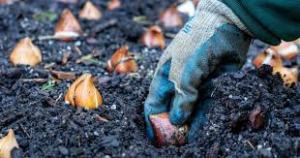
As summer winds down and the first hints of fall appear, it’s the perfect time to start thinking about your spring garden. For home gardeners in USDA Zones 1 through 7, September is the ideal month to plant spring bulbs like daffodils, tulips, and crocuses. With the right timing, your garden will burst into color when the weather warms again.

1. Check the Weather First

Before you dig, check your extended weather forecast. Spring bulbs need several weeks to develop roots before the ground freezes. Planting too late risks poor root development and weak blooms.

2. Avoid Too-Warm Soil

If your region is unusually warm in September, be cautious. Planting bulbs in overly warm soil can cause them to sprout early, making them vulnerable to frost and reducing their bloom potential.

3. Prepare Your Soil

Choose well-draining soil and a sunny or partially sunny spot. Loosen the ground and enrich it with compost or bulb fertilizer to give your bulbs the best start.

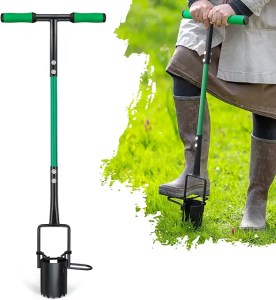
4. Plant at the Right Depth

As a general rule, plant bulbs about two to three times as deep as the bulb’s height. Tulips, daffodils, and hyacinths each have slightly different depth requirements, so follow the instructions for the specific variety you’re planting.

5. Water and Mulch

After planting, water bulbs thoroughly and add a layer of mulch to protect them from fluctuating fall temperatures. Mulch also helps retain moisture and discourages weeds.

Planting your spring bulbs in September gives them the time they need to root and thrive. By checking the forecast, avoiding overly warm soil, and planting properly, you’ll ensure a vibrant and colorful garden when spring arrives.

https://amzn.to/3I0ryV0

https://amzn.to/3UX27Xu

How My Garden Gives Me Something to Relate to With Others

One of the unexpected joys of having a garden is how it connects me to other people. Whether it’s talking about what I’m planting, sharing the excitement of the first tomato ripening, or swapping tips on how to keep pests away, the garden gives me common ground to relate to others.

It’s funny how quickly conversations start when gardening comes up. Everyone has a story—maybe it’s about their grandmother’s garden, the basil plant they tried to grow on their windowsill, or their neighbor’s zucchini that seemed to multiply overnight. Even people who don’t garden themselves often light up at the thought of fresh herbs or vegetables.

For me, the garden becomes more than just soil, seeds, and sunshine—it’s a bridge. It allows me to connect, listen, and share experiences with people from all walks of life. And it reminds me that even in a fast-paced, digital world, something as simple as growing a cucumber or tending to flowers can spark real conversation and genuine connection.

Sometimes the best relationships grow just like gardens—slowly, naturally, and with a little bit of care.

https://amzn.to/4oZLecu

After the Rain: The Perfect Time to Pull Weeds (Seriously, It’s Weirdly Satisfying)

You know that feeling when you’ve been trying to yank out a stubborn weed and it just will not budge—like it’s gripping the earth with all the strength of a toddler who doesn’t want to leave the park? Yeah, we’ve all been there.

But here’s the secret every gardener learns eventually: after a good rain, those weeds come out like butter.

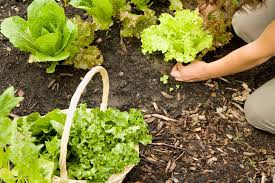
I don’t mean a light mist or a few sprinkles—I’m talking about a real soaking. When the soil is moist, it softens its grip on the roots, and suddenly that annoying dandelion that’s been taunting you for weeks slides out in one smooth pull. Roots and all. It’s a little victory, and honestly? It feels amazing.

Why It Works:

Rain saturates the ground, loosening the soil around the base of weeds. This makes it easier to:

  • Remove the entire root (key to stopping regrowth).
  • Avoid breaking the weed at the stem (which just makes it come back angrier).
  • Save your wrists and back from unnecessary tugging and digging.

Bring a bucket or tarp with you after the rain and just go to town. Pull as many as you can while the ground is still damp. It’s oddly therapeutic, like nature’s way of letting you hit the reset button.

You’re giving your fall plants a better start by clearing space and reducing competition. Plus, the fewer weeds that go to seed now, the fewer headaches you’ll have next spring. It’s like doing your future self a solid.

Gardening isn’t always glamorous, but moments like this—where the work feels just a bit easier and the results are instant—remind you why it’s worth it. So the next time the rain stops, grab your gloves and get out there. The weeds won’t know what hit ’em.

The Simple Citrus Hack That’ll Squeeze Out More Juice

You know the saying, “When life gives you lemons…”—but what if you’ve been squeezing them the wrong way this whole time?

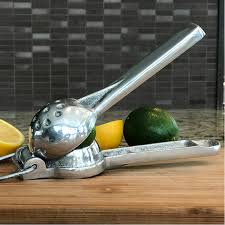
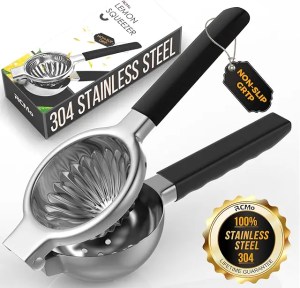
If you’re using a handheld citrus juicer, here’s a little kitchen hack that might surprise you: turn your lemon the opposite direction. Instead of placing it cut-side down, try placing it cut-side up, curved-side down—and watch the juice flow.

Why It Works

Most of us instinctively place lemons cut-side down into citrus presses. But by flipping the lemon so the cut side faces up, the press’s dome pushes into the rounded exterior of the lemon. This squeezes the fruit from the outside in, maximizing pressure and surface contact inside the lemon.

Result? You get a lot more juice—especially from firmer lemons or limes.

How to Do It:

  1. Cut your lemon in half as usual.
  2. Place one half in your citrus press cut-side up (so the curved rind faces down into the bowl of the juicer).
  3. Squeeze like normal.
  4. Be amazed at how much more juice comes out—with less strain on your hands!

Roll Before You Slice

Want to make it even easier? Roll the lemon on your counter with firm pressure before slicing. This breaks down some of the internal membranes, making juicing even more effective.

Sometimes, the best kitchen tips are the simplest. So next time you’re making salad dressing, cocktails, or fresh lemonade—flip that lemon. Your juicer (and your recipes) will thank you.

https://amzn.to/4kM46bA

Is the Garden Really Worth All the Time and Energy?

If you’ve ever spent a Saturday pulling weeds, hauling mulch, or wondering why your tomatoes look so sad, you’ve probably asked yourself: Is this garden really worth all the time and energy?

Honestly? I don’t always know.

Gardening takes work. It means early mornings, dirty hands, trial and error, and the occasional heartbreak when pests or weather undo your best efforts. There are moments when it feels easier to just buy produce at the store and be done with it.

But then comes that moment—the one that reminds me why I do it. The moment when I step outside, snip fresh herbs, or pick a ripe cucumber or a sun-warmed tomato, and know it’s going straight to the dinner table. That feeling is hard to beat.

There’s something deeply satisfying about eating food you grew yourself. It’s not just about saving money or knowing where your food came from (though those are nice bonuses). It’s about connection. To the earth, to the seasons, to the work of your own hands.

Is it worth it? Maybe that’s not the right question. Maybe the better question is: How does it feel?

And for me, it feels pretty good.

Why Every Gardener Needs a Good Gardening Apron

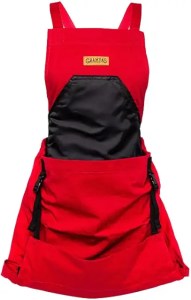
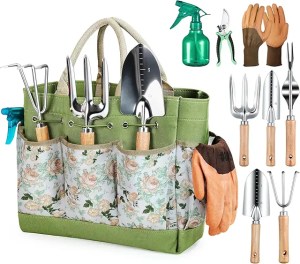
Gardening is a rewarding hobby, but let’s face it—it can get messy fast. That’s where a good gardening apron becomes your best friend. It’s more than just a layer of protection; it’s a tool that keeps you organized and makes your time in the garden easier and more enjoyable.

What Makes a Gardening Apron “Good”?

Durable Material: A quality gardening apron is made from sturdy fabric like canvas or waxed cotton that can handle dirt, moisture, and sharp tools without tearing.

Plenty of Pockets: The right apron will have deep, well-placed pockets so you can carry gloves, seed packets, pruners, and even your phone without juggling them.

Adjustable Fit: Look for aprons with adjustable neck and waist straps to ensure comfort for any body type and long gardening sessions.

Easy to Clean: The best aprons can be tossed in the wash or wiped clean with minimal fuss.

Benefits of Using a Gardening Apron

🌱 Stay Clean: Protect your clothes from soil, water, and plant debris.
🌱 Keep Tools Handy: No more running back and forth—everything you need is within reach.
🌱 Save Time: With everything organized, you can focus on the joy of gardening, not searching for that missing trowel.

A Small Investment That Makes a Big Difference

Whether you’re a beginner or a seasoned gardener, a good gardening apron can make your time in the yard more efficient and enjoyable. It’s a small investment in comfort and organization that pays off season after season.

https://amzn.to/4l4vd2z

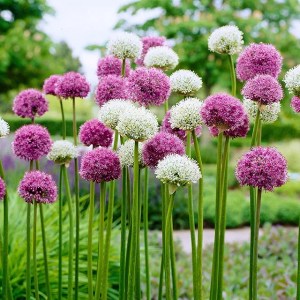
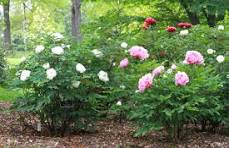
Post-Bloom Peony Care: Help Your Plants Prepare for Next Year’s Show

Your peonies have dazzled for the season—full of lush blooms and intoxicating fragrance—but now that the show’s over, what happens next? Don’t let all that beauty and effort go to waste. Taking a few smart steps after your peonies bloom can set them up for even more spectacular success next year.

Here’s how to care for your peonies after they bloom:

🌸 1. Deadhead Spent Blooms

As the blooms begin to fade and turn brown, it’s time to deadhead. This means snipping off the spent flowers to prevent them from turning into a soggy mess and wasting energy. Use clean, sharp pruners and cut just above the first healthy set of leaves. This allows the plant to redirect energy to the crown and root system instead of seed production.

🌿 2. Leave the Foliage Alone (for Now)

Those floppy, wild-looking peony leaves might seem like they’ve overstayed their welcome—but don’t cut them back just yet. Even when they’re leaning and less than graceful, the foliage is still photosynthesizing and storing energy for next year’s blooms.

Think of it as your plant’s power source—it needs those leaves to recharge. Let the foliage keep working until it naturally yellows and dies back in fall. Cutting it too soon could lead to fewer flowers next year.

🪴 3. Support the Flop

If heavy blooms or summer rains have knocked your peonies flat, it’s okay to offer some support. Gently tie them up or use a simple garden stake or ring to lift them off the ground. Keeping the foliage upright improves air circulation, reduces the risk of disease, and helps maintain a tidy appearance.

💧 4. Keep Watering

Just because the flowers are gone doesn’t mean your peonies don’t need hydration. In periods of drought or high summer heat, give them a deep soak about once a week. Otherwise, natural rainfall should be enough. Healthy roots need consistent moisture—especially while they’re storing energy for the next bloom cycle.

🧼 5. Sanitize Your Tools

A quick but crucial step: always sanitize your pruners before and after use. A splash of rubbing alcohol on your blades helps prevent the spread of disease in the garden.

Post-bloom peony care is about patience and long-term payoff. A little time spent now—deadheading, supporting, watering—ensures your peonies come back strong, healthy, and beautiful next year. Gardeners often focus on the bloom, but it’s what you do after the petals fall that sets the stage for future success.

Post-Bloom Peony Care – What to Do When the Peony Party is Over

To Plant a Garden Is to Believe in Tomorrow” — Why This Quote Still Matters

Audrey Hepburn once said, “To plant a garden is to believe in tomorrow.”
And isn’t that exactly what gardening is—a quiet, hopeful act of faith?

When you press a seed into the soil, you can’t see the roots it will grow or the fruit it may bear. You simply trust. You trust the sun will rise, the rain will fall, and time will do its work. You believe that what you sow today will one day bloom, nourish, or delight.

Planting a garden invites us to slow down. It reminds us that good things take time—that growth doesn’t happen overnight. Whether it’s a tomato plant, a sunflower, or a small herb on a windowsill, each planting is a promise to the future. It’s a statement: I still believe in beauty, in growth, and in the seasons to come.

Gardening as a Metaphor for Life

This quote doesn’t just apply to soil and seeds. It’s a way of living. Every kind word, every act of generosity, every time we choose hope over fear—we’re planting something for tomorrow. We may not see the results right away, but the impact is real.

And just like a garden, life requires patience, care, and resilience. There will be weeds. There will be dry spells. But there will also be blooms. Surprises. Fresh starts. And joy.

A Garden is a Form of Optimism

Whether you’re a seasoned gardener or just starting out, every seed you plant is a small act of optimism. So dig your hands into the earth. Dream about the harvest. Believe in tomorrow.

https://amzn.to/4jRXsAE

Find the Right Watering Wand for Your Garden’s Needs

When it comes to caring for your garden, one of the simplest yet most important tools you can have is a watering wand. Whether you’re tending to delicate flowers, sturdy vegetables, or a lush green lawn, the right watering wand can make all the difference in how well your plants thrive. But with so many options out there, how do you choose the best one for your garden?

Here are some key factors to consider when selecting the perfect watering wand for your needs.

1. Length

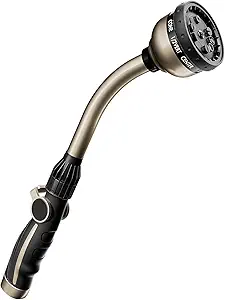
The length of your watering wand is one of the first factors to consider. A longer wand helps you reach plants that are further away or in hard-to-reach places, like hanging baskets or plants at the back of a bed. If you’re watering a large garden, a longer wand (30-36 inches) can save you time and effort. However, for smaller gardens or more compact spaces, a shorter wand might be easier to handle and store.

2. Adjustable Water Flow

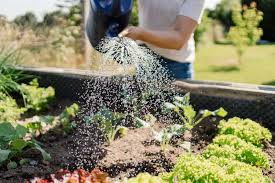
Different plants require different amounts of water. An adjustable watering wand lets you control the flow of water, which is especially helpful when you have a mix of plants that need varying amounts of hydration. You can go from a gentle mist for delicate seedlings to a heavy stream for larger, more established plants. This flexibility can be crucial for giving your garden the care it deserves.

3. Spray Patterns

Look for a watering wand that offers multiple spray patterns, such as a fine mist, gentle shower, and strong stream. A gentle mist is great for watering seedlings or delicate flowers, while a strong stream can be used for heavy-duty watering, like on vegetable plants or established shrubs. Having several options ensures you’re prepared for any situation your garden throws at you.

4. Comfortable Grip

Gardening is often a long, labor-intensive activity, so having a comfortable, ergonomic grip on your watering wand is important. Look for a wand with a soft, non-slip handle that will keep your hand from cramping up during extended watering sessions. Some wands also feature trigger grips or valve controls that reduce the amount of force you need to apply, making watering more comfortable.

5. Material Durability

Watering wands are typically made from plastic, metal, or a combination of both. Plastic wands are lightweight and affordable, but they may not be as durable as metal wands. If you’re looking for something more heavy-duty, metal wands are great because they can withstand wear and tear. Just be mindful of the weight, as they can be a bit heavier, especially when full of water.

6. Ease of Use

If you have a larger garden or need to do a lot of watering, it’s important to choose a wand that’s easy to maneuver. Look for a wand with a flexible hose attachment or a swivel feature that lets you easily adjust the angle. This can help you avoid having to move your entire body or hose to get the right angle for watering your plants.

7. Price vs. Quality

Lastly, think about your budget. While it’s tempting to buy the cheapest option available, investing in a quality watering wand can save you time and money in the long run. A higher-quality wand might come with a higher upfront cost, but it will likely last longer and provide a better watering experience.

Choosing the right watering wand can transform your gardening experience. By considering factors like length, adjustable flow, spray patterns, grip comfort, and material durability, you can find a tool that suits your needs and helps your garden thrive. Whether you’re a seasoned gardener or just getting started, having the right watering wand is a simple way to make your gardening routine more efficient and enjoyable.
https://amzn.to/4k7ruA2

Grow Strong: How Gardening Boosts Your Physical Health

Gardening may seem like a peaceful hobby—and it is—but it’s also a surprisingly effective way to support your physical health. Whether you’re planting herbs in containers or managing a backyard garden, this hands-on activity offers multiple wellness benefits that go far beyond aesthetics.

1. It Gets You Moving

Bending, digging, raking, lifting, weeding—gardening is a full-body workout in disguise. It engages your muscles, improves flexibility, and can even boost your cardiovascular health. Unlike structured workouts, gardening doesn’t feel like “exercise,” which makes it easier to stick with regularly.

2. Sunlight = Vitamin D

Spending time outdoors exposes you to natural sunlight, which helps your body produce Vitamin D. This vitamin is crucial for strong bones, immune function, and mood regulation. Just 15–30 minutes in the sun can make a noticeable difference (just don’t forget your sunscreen if you’re out longer!).

3. Eat What You Grow

When you grow your own food, you’re more likely to eat fresh fruits and vegetables. Homegrown produce is often more nutrient-rich than store-bought, and it doesn’t come with extra packaging, preservatives, or long transport times. You’ll feel better knowing exactly where your food came from—and how it was grown.

4. It Reduces Stress

While this benefit leans more toward mental wellness, less stress often means fewer physical symptoms like headaches, fatigue, or high blood pressure. Gardening can help lower cortisol levels and offers a calm, mindful escape from daily life.

If you’re looking for a fun, rewarding way to improve your physical health, gardening may be the perfect fit. It’s more than a hobby—it’s a lifestyle that nurtures your body, mind, and soul.