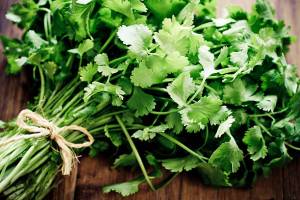
Growing Cilantro? Harvest It Before the Heat Hits!

If you’re growing cilantro in your garden, here’s a quick tip you don’t want to miss: cut it before it gets too hot!

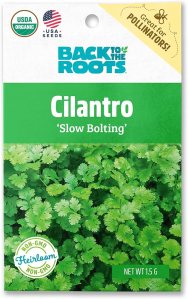
Cilantro is a cool-weather herb that grows fast, but it also bolts fast—especially when temperatures start to climb. And once it bolts (sends up a flower stalk), it gets bitter and loses that fresh, zesty flavor we love in salsa, salads, and tacos.

Why Cilantro Bolts

Cilantro is sensitive to rising temperatures and longer daylight hours. When it starts to feel the heat, it thinks it’s time to reproduce and sends out flowers—ending its tasty leaf production.

How to Stay Ahead of the Heat

Here’s how you can keep your cilantro fresh and flavorful longer:

  • Harvest early and often. Don’t wait for tall, leggy growth. Cut it when it’s about 4–6 inches tall.

  • Cut low, but not too low. Leave about an inch or two of stem so it can regrow.

  • Provide some shade. If it’s already warming up in your area, give your cilantro a little afternoon shade.

  • Succession planting. If you love cilantro, plant a new batch every few weeks in spring and fall.

If your cilantro does bolt—don’t toss it just yet. Let it flower and go to seed. You’ll get coriander seeds and possibly some self-seeded cilantro in the fall!
https://amzn.to/44l3h4Z

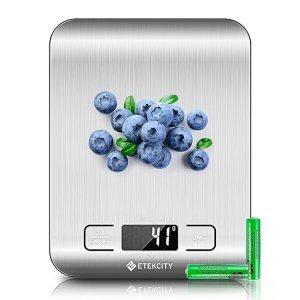
Why You (Yes, You!) Need a Kitchen Scale in Your Life

Let’s talk about something small that can make a big difference in your kitchen: a kitchen scale.

Now, you might be thinking, “Do I really need one of those?” And the answer is: probably more than you think.

Whether you’re trying to bake the perfect loaf of bread, meal prep like a pro, or just figure out what an actual serving of almonds looks like—having a digital kitchen scale is a total game-changer.

Here’s why:

🎯 Accuracy Matters
A scale takes the guesswork out of measuring. Cups of flour can vary depending on how you scoop, but 120 grams of flour is always 120 grams. It’s the secret behind those picture-perfect recipes.

🥦 Portion Control Made Easy
Trying to eat healthier? Scales help you actually understand what a serving size is. You’ll never eyeball your way to a better diet—trust me.

👩‍🍳 Baking is a Science
If you’re a baker, you already know: measuring by weight is essential. Sugar, flour, butter—it all comes together much more consistently with a scale.

🍱 Less Dishes, More Precision
Use one bowl, hit tare, add your next ingredient, repeat. That’s it. Less mess and fewer measuring cups to wash? Yes, please.

So, if you’ve been winging it in the kitchen, consider this your gentle nudge: a kitchen scale isn’t just for chefs or dieters. It’s for anyone who wants to cook smarter, cleaner, and more confidently.

https://amzn.to/3YgRUHr

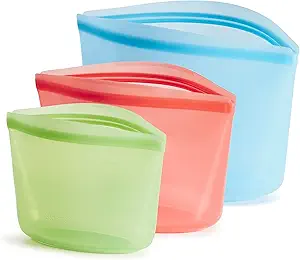
Celebrating Earth Day: Small Changes, Big Impact


Earth Day is upon us, and it’s always a good reminder to reflect on our relationship with the planet. While we can’t all be superheroes saving the Earth with big flashy moves, we can each do our part in small but meaningful ways.

Over the years, I’ve started making a few changes that help me feel more connected to nature, even if I’m not out planting trees in a forest. I’m not perfect, but every little bit counts, right?

One thing I’ve embraced is reducing single-use plastics. It was a struggle at first – those plastic bags at the grocery store are just so convenient! But after switching to reusable bags, I realized it wasn’t as hard as I thought. Plus, my “eco-friendly” bags are kind of cute, and I’ve saved a few pennies along the way!

I’ve also started composting. Yes, composting! It seemed like an intimidating task at first, but once I got the hang of it, it was surprisingly easy. Now, instead of throwing away fruit peels and coffee grounds, I’m giving them a second life by helping them turn into rich, nutrient-filled soil for my garden. My plants thank me!

And then there’s gardening, of course. Whether you have a small apartment balcony or a sprawling backyard, growing your own herbs or flowers can be incredibly rewarding. Not only does it add beauty to your space, but it also helps the environment. Every little green thumb helps!

This Earth Day, I’m taking a moment to appreciate the planet – the trees, the oceans, the air we breathe. But I’m also reminded that making small, positive changes can add up over time. So, whether you choose to reduce waste, plant a tree, or just take a walk and enjoy nature, it all matters.

Happy Earth Day, everyone! Let’s continue making our world a little greener, one small step at a time. 🌍💚

https://amzn.to/42M5GDn

Weeds Always Come First: Spring, Life, and Clearing What Doesn’t Belong

Spring has barely unfolded her petals, and already—there they are. Weeds. Persistent, fast, and always one step ahead of the beauty you’ve been waiting for.

Isn’t that just like life?

Before your good habits take root, the old ones creep back in. Before your confidence blooms, self-doubt pops up like dandelions. And before your plans get a chance to grow strong, distractions fight to take over the garden.

It’s funny how the weeds always seem to show up first. In the soil—and in our souls.

But here’s the thing: just like in the garden, we get to choose what stays and what gets pulled. Every tug at a stubborn root, every intentional clearing, makes space for something better. Something vibrant. Something you want to grow.

So as you step into spring, both outside and inside yourself, take note of the weeds. They’re fast, but you’re faster. They’re stubborn, but you’re stronger.

Cut out what doesn’t belong. Uproot the habits, people, and thoughts that don’t serve your garden. Protect the bloom that’s coming.

Because your life deserves more than weeds. It deserves wildflowers, vegetables, fruit, and all the beauty that comes when you make room for it.

Let spring be a reminder—growth takes work, but it’s worth it.

Sometimes Growth Requires New Locations, People, and Perspective

There’s a reason repotting a plant can make all the difference—it’s not that the plant was broken, it just outgrew the container it was in.

The same thing can happen in our lives.

Sometimes growth requires new soil. A new environment. A new circle. A fresh perspective.

It’s not always easy to recognize when we’ve outgrown a season, a space, or even some relationships. But the discomfort you feel? The sense that something just isn’t right anymore? That might be your sign that it’s time to stretch. Time to expand.

Growth doesn’t always happen in familiar places. Sometimes, you need to step into something unknown to see what you’re really capable of.

That might mean changing your scenery—physically or mentally. It might mean seeking out people who push you to be better, who believe in you, who think big. It might mean looking at the same life through a new lens.

And while change can be unsettling, it also holds incredible power. You’re not abandoning where you’ve been—you’re honoring it by using it as the foundation for what’s next.

Let it. 🌱

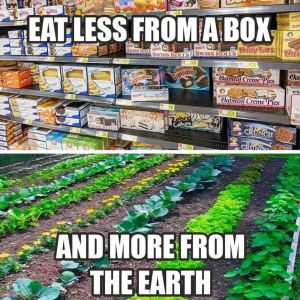
Eat more from Earth

In a world full of processed foods and artificial ingredients, returning to the basics—eating more from the earth—can be one of the best decisions for your health and the planet. Whether you’re growing your own food, shopping at a local farmers’ market, or simply making mindful choices at the grocery store, embracing whole, earth-grown foods can transform the way you nourish your body and live your life.

Why Eat More from the Earth?

The benefits of eating more plant-based, whole foods are endless. Here are just a few reasons to make the shift:

  • Better Health: Fruits, vegetables, nuts, seeds, and whole grains provide essential vitamins, minerals, and antioxidants. These foods support your immune system, reduce inflammation, and help prevent chronic diseases.
  • Sustainability: Eating locally and seasonally reduces the environmental impact of food transportation and supports sustainable farming practices.
  • Connection to Nature: When you eat fresh, whole foods, you develop a deeper appreciation for the earth and where your food comes from.

Simple Ways to Eat More from the Earth

1. Choose Whole Foods Over Processed

When possible, opt for foods that are as close to their natural state as possible. Think fresh vegetables, fruits, legumes, whole grains, and nuts rather than packaged, refined, and artificially flavored products.

💡 Tip: If a food comes in a box with a long list of ingredients you can’t pronounce, it’s probably not from the earth.

2. Grow Your Own Food

Even if you don’t have a large garden, growing herbs, tomatoes, or leafy greens in pots or a small backyard space can be a great way to connect with your food and ensure freshness.

💡 Tip: Start with easy-to-grow plants like basil, lettuce, or peppers—they thrive in small spaces!

3. Shop at Farmers’ Markets

Supporting local farmers means fresher produce, fewer pesticides, and a stronger local food system. Plus, seasonal foods are often more flavorful and nutritious.

💡 Tip: Bring reusable bags and ask farmers about their growing practices to make the best choices.

Eating more from the earth isn’t about following strict rules—it’s about making mindful choices that prioritize health, sustainability, and a deeper connection to nature. Whether you grow your own food, shop locally, or simply add more whole foods to your plate, every small step brings big benefits.

What’s one way you can eat more from the earth today? 🌍🍎🥦

Pruning Is Necessary: Letting Go to Grow

In gardening, pruning is essential. We cut back dead branches, remove overgrown areas, and shape plants to encourage stronger, healthier growth. But pruning isn’t just for gardens—it’s a vital life lesson. Sometimes, we must cut back what no longer serves us to allow room for new opportunities, personal growth, and success.

1. Letting Go of Bad Habits

Just like dead branches drain energy from a plant, bad habits drain energy from our lives. Whether it’s procrastination, unhealthy routines, or negative self-talk, these habits stunt our growth. By recognizing and cutting them away, we make space for better choices that move us forward.

How to Start Pruning Bad Habits:

  • Identify one habit holding you back.
  • Replace it with a positive action (e.g., swap late-night scrolling for reading or journaling).
  • Stay consistent—small changes lead to big results over time.

2. Removing Negative Influences

In a garden, some plants block sunlight or steal nutrients from others. In life, certain people or environments do the same. If someone constantly discourages you or drains your energy, it might be time to step back.

Ask Yourself:

  • Do the people around me uplift or bring me down?
  • Do I leave certain situations feeling inspired or exhausted?
  • Am I holding onto relationships out of obligation rather than growth?

It doesn’t mean cutting people off harshly, but rather setting boundaries and choosing to surround yourself with positivity and encouragement.

3. Trimming Away Old Ways of Thinking

Our mindset shapes our reality. Holding onto limiting beliefs—such as “I’m not good enough” or “Success is for other people”—keeps us stuck. Just as a tree grows stronger after careful pruning, we grow when we release outdated, self-defeating thoughts.

Ways to Shift Your Mindset:

  • Replace negative thoughts with empowering ones (e.g., “I can’t” → “I’m learning”).
  • Challenge fears by taking small risks outside your comfort zone.
  • Seek out mentors, books, or experiences that expand your perspective.

4. Making Room for Fresh Growth

When you prune a plant, it might look bare for a while—but soon, new, vibrant growth appears. The same happens in life. Letting go may feel uncomfortable at first, but it creates space for better opportunities, stronger relationships, and personal transformation.

Take Action Today:

  • Identify one thing—habit, relationship, or mindset—that no longer serves you.
  • Make a small change to release it.
  • Stay committed to growth and trust the process.

By pruning wisely, we create space for new possibilities, healthier habits, and a brighter future. What’s one thing you need to let go of to grow stronger? 🌱

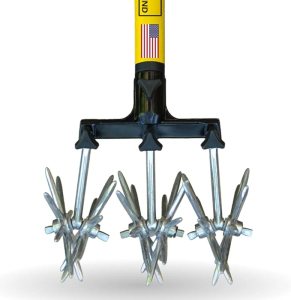
When Should You Use Cultivating in Your Yard?

Cultivating is an essential gardening practice that helps improve soil structure, manage weeds, and prepare your garden for planting. But when should you cultivate your yard for the best results? Here are key times to use this technique effectively.

1. Before Planting

Cultivating before planting helps loosen compacted soil, making it easier for roots to grow. It also improves drainage and aeration, ensuring that your plants get the nutrients and oxygen they need. If you’re adding compost or fertilizer, cultivating helps mix these amendments evenly into the soil.

2. After Heavy Rainfall

Rain can sometimes cause soil compaction, making it harder for water and nutrients to reach plant roots. Light cultivation after the soil has dried a bit can break up the hardened surface and restore proper aeration.

3. To Control Weeds

Weeds compete with your plants for nutrients, water, and sunlight. Shallow cultivation disrupts young weed growth before they have a chance to take over your garden. Be careful not to cultivate too deeply, as this can bring dormant weed seeds to the surface and encourage more growth.

4. At the End of the Growing Season

After harvesting, cultivating your soil can help break down old plant material, mix in organic matter, and prepare your garden beds for the next planting season. This is a great time to add compost or mulch for winter protection.

When to Avoid Cultivating

  • When Soil is Too Wet: Cultivating wet soil can lead to compaction and clumping, making it harder for plants to grow.
  • During Dry, Windy Conditions: Dry cultivation can lead to soil erosion and loss of valuable topsoil.
  • Around Established Plants: Deep cultivation near mature plants can disturb their root systems and cause stress.

By timing your cultivating efforts correctly, you can create a healthier, more productive yard while minimizing potential damage to your plants and soil. Happy gardening!

https://amzn.to/441lZ12

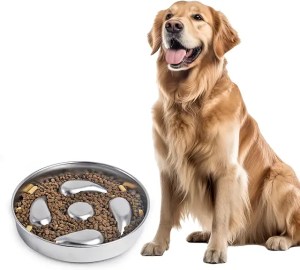
Finding the Right Slow Feeder for My Speedy Puppy

If you’ve ever had a puppy that eats like they haven’t seen food in days, you know the struggle. My pup was inhaling his meals so quickly that I worried about digestion issues, choking, or even bloat. So, I decided to try a slow feeder to help him pace himself.

The First Attempt: A Plastic Slow Feeder

At first, I picked up a plastic slow feeder bowl, designed with raised ridges to make it harder for him to gulp down his food. It worked—kind of. He did slow down, but soon I noticed a new problem. My puppy wasn’t just eating his food—he was also chewing the bowl!

The Switch to Stainless Steel

Clearly, a plastic slow feeder wasn’t going to last. So, I made the switch to a stainless steel slow feeder. This solved two problems at once:
✔️ No more chewing on the bowl – Stainless steel is durable and safe.
✔️ Still slowed down eating – The design still encouraged slower, healthier eating habits.

Lessons Learned

  1. Every dog is different – Some do fine with plastic, but others (like mine) see it as an extra snack.
  2. Safety first – If your pup is chewing their bowl, it’s time to rethink the material.
  3. Healthy habits take time – Slow feeders are a great tool, but it takes consistency to teach better eating habits.

Now, mealtime is much calmer, and I don’t have to worry about my pup eating his bowl along with his dinner! 🐶🥣

If you’ve ever had a puppy that eats like they haven’t seen food in days, you know the struggle. My pup was inhaling his meals so quickly that I worried about digestion issues, choking, or even bloat. So, I decided to try a slow feeder to help him pace himself.

The First Attempt: A Plastic Slow Feeder

At first, I picked up a plastic slow feeder bowl, designed with raised ridges to make it harder for him to gulp down his food. It worked—kind of. He did slow down, but soon I noticed a new problem. My puppy wasn’t just eating his food—he was also chewing the bowl!

The Switch to Stainless Steel

Clearly, a plastic slow feeder wasn’t going to last. So, I made the switch to a stainless steel slow feeder. This solved two problems at once:
✔️ No more chewing on the bowl – Stainless steel is durable and safe.
✔️ Still slowed down eating – The design still encouraged slower, healthier eating habits.

Lessons Learned

  1. Every dog is different – Some do fine with plastic, but others (like mine) see it as an extra snack.
  2. Safety first – If your pup is chewing their bowl, it’s time to rethink the material.
  3. Healthy habits take time – Slow feeders are a great tool, but it takes consistency to teach better eating habits.

Now, mealtime is much calmer, and I don’t have to worry about my pup eating his bowl along with his dinner! 🐶🥣

https://amzn.to/4iGCgwE

Start Seeds Indoors: Get a Head Start on Your Garden


Spring is just around the corner, and if you’re eager to get a jump on the growing season, starting seeds indoors is a great way to do it! Whether you’re growing tomatoes, peppers, or other warm-season crops, giving your plants an early start can lead to stronger, healthier harvests.

Why Start Seeds Indoors?

Starting seeds indoors allows you to:
✅ Extend the growing season, especially in cooler climates.
✅ Control growing conditions for stronger, healthier plants.
✅ Save money by growing your own plants instead of buying seedlings.

How to Start Seeds Indoors

1️⃣ Choose the Right Seeds

  • Tomatoes, peppers, and eggplants are excellent candidates for indoor starting.
  • Check seed packets for recommended planting dates based on your region.

2️⃣ Pick the Right Containers

  • Use seed trays, small pots, or even repurposed containers with drainage holes.
  • Peat pots or biodegradable seed-starting trays make transplanting easier.

3️⃣ Use Quality Soil

  • Regular garden soil is too heavy; use a light, well-draining seed-starting mix.
  • Moisten the soil before planting seeds to ensure even water distribution.

4️⃣ Provide Proper Lighting

  • Place trays near a sunny window or use grow lights for 12-16 hours a day.
  • Keep lights about 2-3 inches above the seedlings to prevent legginess.

5️⃣ Water and Care for Your Seedlings

  • Keep the soil consistently moist but not soggy.
  • Use a spray bottle or bottom watering method to avoid disturbing delicate roots.

Hardening Off: The Key to a Successful Transition

Before moving your plants outside, they need to adjust to outdoor conditions. Here’s how:
🌱 Start by placing seedlings outside in a shaded area for a few hours.
🌞 Gradually increase their exposure to sunlight and outdoor elements over 7-10 days.
🌬️ Avoid transplanting during extreme weather—choose a mild, overcast day instead.

By taking the time to start seeds indoors and properly harden them off, you’ll set your garden up for success! 🌱✨ What are you planning to grow this season?