The Benefits of Patience: Understanding the Time Required for Plants to Grow

Gardening is a rewarding endeavor that offers a unique blend of creativity, care, and patience. One of the most valuable lessons in gardening is learning to appreciate and embrace the time it takes for plants to grow and mature. While the anticipation of a blooming garden or a bountiful harvest is exciting, understanding and accepting the time required for plants to thrive is crucial for both your gardening success and enjoyment.

The Virtue of Patience in Gardening

Gardening often requires patience, as plants do not grow overnight. Each plant has its own growth cycle, influenced by factors such as species, climate, soil quality, and care practices. Embracing patience allows you to appreciate the gradual process of growth and understand that gardening is as much about nurturing and waiting as it is about planting and harvesting.

Why Patience is Essential

1. Understanding Growth Cycles: Different plants have different growth cycles, from germination to full maturity. For instance, leafy greens like lettuce may grow quickly and be ready for harvest in just a few weeks, while fruit-bearing plants like tomatoes or peppers take several months to produce. Knowing the expected time frames for your plants helps manage expectations and plan your gardening activities accordingly.

2. Nurturing Healthy Plants: Patience allows you to give your plants the time they need to develop strong roots, stems, and leaves. Rushing the process can lead to premature harvesting or improper care, which can hinder plant health and reduce yields. By allowing plants to mature at their own pace, you ensure they have the best chance to grow robustly and produce high-quality results.

3. Avoiding Over-Tending: In the excitement of seeing progress, it’s easy to over-tend plants by excessive watering, fertilizing, or pruning. Patience teaches you to resist the urge to intervene too frequently. Instead, focus on providing consistent care and allowing plants to adapt and thrive on their own.

Managing Expectations

1. Set Realistic Goals: When starting a garden, set realistic goals based on the plants you choose and the time required for their growth. Understand that not all plants will grow at the same rate or produce results simultaneously. By setting achievable goals, you can enjoy the gardening process and celebrate each milestone along the way.

2. Celebrate Small Victories: While waiting for the final harvest, celebrate smaller successes like sprouting seeds, healthy new growth, or the first blooms. These small victories provide motivation and remind you of the progress being made, even if the final results are not yet visible.

3. Document Progress: Keep a gardening journal or take photos to document your plants’ progress over time. This practice not only helps you track growth but also provides a visual reminder of how your efforts are paying off. Reflecting on past successes can reinforce your patience and enthusiasm for the garden.

…the Journey

Gardening is as much about the journey as it is about the destination. Embracing the time required for plants to grow allows you to fully experience and appreciate the entire process. By nurturing your plants with patience, you build a deeper connection with nature and develop a greater understanding of the intricate cycles of growth and development.

…Patience is a vital component of successful gardening. Understanding the time required for plants to mature helps manage expectations, promotes healthy growth, and enhances the overall gardening experience. So, take a deep breath, enjoy the journey, and trust that your garden will reward your patience with beautiful blooms and bountiful harvests.
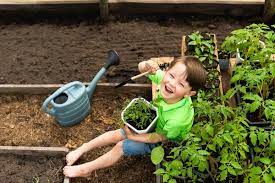
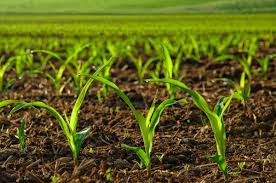
Embrace the Learning Curve: Wisdom Through Gardening

Gardening can be an intimidating venture, especially when you’re just starting out. The planning, the endless choices of plants, and the uncertainty of what will thrive in your space can feel overwhelming. I remember feeling the same way when I began my gardening journey. But over time, I’ve realized that the beauty of gardening lies not in perfection but in the process of learning and growing—both for the plants and for ourselves.

The Intimidation of Planning and Growing

When I first started gardening, I was intimidated by the idea of planning a garden. How do you know what to plant, where to plant it, and how to care for it? The truth is, you often don’t know until you try. Gardening is as much about experimentation as it is about knowledge. Each season brings new lessons, and with each lesson, you gain a little more wisdom.

Learning as You Go

This year, I learned a lot—one of the most important lessons being that broccoli might not be the best fit for my garden. But that’s okay because every mistake is a step towards a better garden in the future. Next year, I won’t be planting broccoli, but I’ll have a much better idea of my garden layout. I’ve learned which plants thrive in certain spots, how much sunlight different areas get, and how to better space my plants to give them room to grow.

Wisdom Through Experience

Gardening has taught me that wisdom cannot simply be told; it must be gained through experience. Reading books and articles can give you a foundation, but nothing compares to the lessons you learn by getting your hands dirty. Each season is a new opportunity to learn, and each plant is a new teacher.

Just Start Planting

So, my biggest piece of advice to anyone feeling overwhelmed by the thought of starting a garden is this: put some seeds in the ground and watch them grow. Don’t worry about having everything figured out. Start small, observe, and learn. Each year, you’ll gain more confidence, and your garden will reflect your growing wisdom.

Gardening is a journey of growth—not just for your plants but for you as well. It’s okay to make mistakes and to feel uncertain. The important thing is to start, to keep learning, and to enjoy the process. With each season, you’ll become a little more knowledgeable and a lot more connected to the rhythm of nature. So, put those seeds in the ground, embrace the learning curve, and watch your garden—and yourself—grow.

South Dakota Farm Real Estate Values and Cash Rents See Increases

The agricultural landscape in South Dakota is experiencing significant changes, according to the latest survey by the USDA’s National Agricultural Statistics Service. The report indicates a noteworthy 6% increase in farm real estate value from the previous year. Additionally, cash rents have risen, with irrigated cropland seeing an increase of $6 per acre, dryland going up by $5 per acre, and pasture rents increasing by $1.50 per acre.

The Impact on Farmers and Landowners

Erik Gerlach, a state statistician for the USDA, explains that the perception of these increases varies based on whether you are a landowner or a renter. For those paying cash rent, the rising demand and costs for land can strain budgets, especially for farmers who rent a significant portion of their land. As we look ahead to 2024, this could pose challenges given that crop prices are not expected to be favorable despite potentially good yields.

Conversely, landowners stand to benefit from these increases. If they have minimal liabilities, the higher land values can positively impact their balance sheets. This dichotomy illustrates the varying effects of the agricultural market’s current trends.

Regional Trends and Comparisons

The survey also highlights that these increases are not isolated to South Dakota but are consistent across the Great Plains. Neighboring states like Iowa, Minnesota, Nebraska, and North Dakota are experiencing similar trends. However, the specific values per acre differ due to the varying types of farmland across these regions. For example, South Dakota’s western part has more rangeland, resulting in different average values compared to states with more irrigated cropland like Iowa and Nebraska.

A Four-Year Trend

This marks the fourth consecutive year that South Dakota has seen an increase in farm real estate value. This trend reflects broader economic factors and market demands influencing the agricultural sector.

Looking Ahead

As these changes continue to shape the agricultural landscape, it’s crucial for both landowners and renters to stay informed and adapt their strategies accordingly. While the rising values and rents pose challenges for some, they also present opportunities for others.

https://www.sdpb.org/business-economics/2024-08-06/new-survey-shows-increases-in-farmland-real-estate-value-cash-rents

Slaw: The Salad of Summer

https://smittenkitchen.com/

Summer… it’s time to embrace the vibrant flavors and fresh ingredients that define the season. Among the array of delicious salads that come with warmer weather, slaw stands out as a particularly refreshing and versatile option. Whether you’re hosting a backyard barbecue, preparing a family dinner, or simply looking for a crisp, healthy side, slaw is the perfect choice. Let’s dive into why slaw deserves a place at your summer table and how to make it shine.

Why Slaw is the Perfect Summer Salad

1. Crisp and Refreshing
Slaw’s crunchy texture and crisp flavors make it incredibly refreshing on a hot summer day. The combination of cabbage, carrots, and other fresh vegetables provides a satisfying crunch that complements grilled meats and other summer dishes.

2. Versatile and Customizable
One of the best things about slaw is its versatility. While the classic version includes cabbage and carrots, you can customize it with a variety of ingredients. Add apples, radishes, or bell peppers for extra crunch and flavor. Experiment with different dressings, such as a tangy vinaigrette or a creamy mayo-based sauce, to find your perfect blend.

3. Nutrient-Rich
Slaw is not only delicious but also packed with nutrients. Cabbage is rich in vitamins C and K, while carrots provide a good dose of beta-carotene. Adding other vegetables and fruits can boost the nutritional value even further, making slaw a healthful choice for any meal.

4. Easy to Prepare
Preparing slaw is quick and simple. Shred or chop your vegetables, mix them together, and toss with your favorite dressing. It can be made ahead of time and stored in the refrigerator, allowing the flavors to meld together and making it an ideal option for meal prepping.

Creative Variations

1. Asian Slaw: Add sliced almonds, mandarin oranges, and a sesame-ginger dressing for a twist on the classic.

2. Southwestern Slaw: Mix in black beans, corn, and a lime-cilantro dressing for a southwestern flair.

3. Apple and Cranberry Slaw: Incorporate thinly sliced apples and dried cranberries with a honey mustard dressing for a sweet and tangy variation.

Pairing Slaw with Summer Meals

Slaw pairs wonderfully with a variety of summer dishes. Serve it alongside grilled chicken, burgers, or fish tacos for a well-rounded meal. It also makes a great topping for sandwiches and wraps, adding a crunch and burst of flavor.

In summary, slaw is more than just a side dish—it’s a versatile, nutritious, and delicious addition to any summer menu. Its refreshing crunch and customizable flavors make it a favorite for outdoor gatherings and everyday meals alike. So, embrace the season and make slaw the star of your summer table!

poolside sesame slaw

Intercropping: Maximize Space, Reduce Pests, and Boost Yields

Gardening enthusiasts and farmers alike are continually seeking ways to enhance their yields, reduce pest problems, and make the most of their garden space. One effective strategy that addresses all these aspects is intercropping. By growing two or more crops in close proximity, intercropping can lead to healthier plants, more efficient use of space, and increased overall productivity. Here’s how intercropping works and how you can start implementing it in your garden.

What is Intercropping?

Intercropping is an agricultural technique where two or more different crops are planted together in the same space. The goal is to create a symbiotic relationship between the crops that can lead to various benefits, including improved soil health, reduced pest issues, and enhanced overall yields.

Benefits of Intercropping

1. Maximizes Space: By growing different crops together, you can make better use of available space. This is especially valuable in small gardens or urban settings where every square foot counts.

2. Reduces Pest Problems: Certain plant combinations can help deter pests naturally. For instance, planting pest-repellent herbs alongside vulnerable crops can protect them from damage.

3. Improves Soil Health: Different plants have varying root structures and nutrient needs. Intercropping can lead to more balanced soil health by preventing nutrient depletion and promoting beneficial microbial activity.

4. Enhances Yields: When crops are chosen for their complementary growth habits, they can boost each other’s productivity. For example, some plants can provide shade or support, while others may improve soil structure or enhance nutrient availability.

5. Increases Biodiversity: Growing a variety of plants together supports a more diverse ecosystem. This diversity can attract beneficial insects and create a more resilient garden environment.

How to Implement Intercropping

1. Choose Compatible Crops: Select crops that benefit each other when grown together. For example, pairing deep-rooted plants with shallow-rooted ones can optimize space and resources.

Example: Planting radishes with carrots is a classic intercropping combination. The radishes help break up the soil, making it easier for the carrots to grow deeper. The radishes also mature quickly, allowing for an earlier harvest before the carrots fully mature.

2. Plan Your Layout: Design your garden layout to ensure that each crop has enough space to thrive. Avoid overcrowding, as this can lead to competition for resources and reduced yields.

Tip: Use a planting chart to plan your intercropping arrangements. This can help you visualize the spacing and growth patterns of each crop.

3. Consider Planting Times: Stagger planting times to avoid competition and to make the most of seasonal conditions. Early-harvesting crops can be followed by late-harvesting ones to maximize space use.

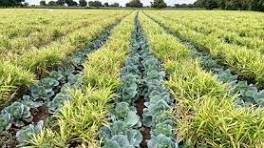
– Example: Plant quick-growing lettuce between slower-growing cabbage. Harvest the lettuce before the cabbage fully matures to make the most of the available space.

4.  Monitor and Adjust: Keep an eye on how your intercropped plants are performing. Be prepared to adjust your planting strategy if you notice any issues with growth or competition.

Tip: Regularly check for signs of pest infestations or nutrient deficiencies and address them promptly to ensure the health of all your plants.

5. Incorporate Companion Plant: Use companion planting principles to select crops that can benefit from each other’s presence. Some plants can attract beneficial insects or provide natural pest control.

– Example: Plant marigolds alongside tomatoes. Marigolds can deter nematodes and aphids, which are common pests of tomato plants.

Examples of Effective Intercropping Combinations

– Corn, Beans, and Squash: Often referred to as the Three Sisters, this combination is a classic example of intercropping. Corn provides a natural support structure for beans, while beans fix nitrogen in the soil, benefiting all three crops. Squash spreads out, shading the soil and preventing weeds.

– Tomatoes and Basil: Basil can help repel pests that commonly affect tomatoes, such as aphids and hornworms. Additionally, basil’s strong aroma can enhance the flavor of tomatoes.

– Beets and Radishes: Radishes can help break up compacted soil, making it easier for beets to grow. The radishes mature quickly, allowing for a harvest before the beets need more space.

Intercropping is a smart and efficient gardening technique that can lead to healthier plants, higher yields, and a more sustainable garden environment. By thoughtfully combining crops that benefit each other, you can make the most of your space, reduce pest problems, and improve soil health. Start experimenting with intercropping in your garden, and experience the many advantages of this innovative approach to growing.

Keyhole Gardens: Combining Composting and Gardening for Maximum Efficiency

Keyhole gardens are an innovative and sustainable gardening method that combines the benefits of composting and gardening into one efficient design. Originating in Africa, keyhole gardens are designed to thrive in harsh climates and make the most of limited resources. This method involves creating circular garden beds with a central composting area, providing easy access to plants and enriching the soil with nutrient-rich compost. Here’s how keyhole gardens work and why they might be the perfect addition to your garden.

What is a Keyhole Garden?

A keyhole garden is a raised, circular garden bed with a central composting basket. The design includes a notch or “keyhole” shape that allows easy access to the composting area and the plants. The garden bed is typically built up with layers of organic materials such as leaves, grass clippings, and kitchen scraps, which decompose over time and enrich the soil.

Benefits of Keyhole Gardens

1. Nutrient-Rich Soil: The central composting area continuously feeds nutrients into the surrounding soil, creating a fertile environment for your plants. This constant supply of compost helps improve plant growth and yields.

2. Water Efficiency: Keyhole gardens are designed to retain moisture, making them ideal for dry climates. The organic materials used in the bed absorb and hold water, reducing the need for frequent watering.

3. Space Efficiency: The circular design maximizes growing space, allowing you to grow a variety of plants in a compact area. This is particularly beneficial for small gardens or urban settings.

4. **Ease of Access**: The keyhole shape provides easy access to the entire garden bed and the central composting area. This design reduces the need to bend or stretch, making gardening more comfortable and accessible.

5. Sustainability: By using kitchen scraps and garden waste for composting, keyhole gardens promote recycling and reduce the amount of waste sent to landfills. This sustainable approach benefits both your garden and the environment.

How to Build a Keyhole Garden

1. Choose a Location: Select a sunny spot in your garden that receives at least 6-8 hours of sunlight per day.

2. Mark the Layout: Use a rope or hose to outline a circular bed, typically 6 feet in diameter. Mark the keyhole notch, which should be about 1-2 feet wide, allowing easy access to the center.

3. Build the Structure: Construct the garden bed walls using stones, bricks, or wooden planks. The walls should be about 3 feet high to create a raised bed. Leave an opening for the keyhole notch.

4. Create the Central Composting Area: Place a wire mesh or a small basket in the center of the garden bed. This will serve as the composting area where you can add kitchen scraps and other organic materials.

5. Layer the Bed: Start with a layer of cardboard or newspaper at the bottom to suppress weeds. Add alternating layers of brown (carbon-rich) and green (nitrogen-rich) organic materials, such as leaves, straw, grass clippings, and kitchen scraps. Top the bed with a layer of soil or compost.

6. Plant Your Garden: Choose a variety of plants that thrive in rich, well-drained soil. Consider planting vegetables, herbs, and flowers for a diverse and productive garden.

7. Maintain the Garden: Regularly add kitchen scraps and garden waste to the central composting area. Water the bed as needed, particularly during dry spells. Over time, the organic materials will decompose and enrich the soil, promoting healthy plant growth.

Best Plants for Keyhole Gardens

Keyhole gardens can support a wide variety of plants, including:

– Vegetables: Tomatoes, peppers, lettuce, carrots, and beans thrive in the nutrient-rich soil of a keyhole garden.
– Herbs: Basil, parsley, mint, and thyme are excellent choices for adding flavor to your dishes and repelling pests.
– Flowers: Marigolds, nasturtiums, and zinnias add color to your garden and attract beneficial insects.

Keyhole gardens offer a sustainable and efficient way to grow healthy plants while minimizing waste and conserving resources. Their unique design combines composting and gardening, creating a nutrient-rich environment that supports a diverse range of plants. Whether you’re dealing with limited space, poor soil, or dry conditions, a keyhole garden can transform your gardening experience.

The Benefits of Crop Rotation in Your Vegetable Garden

Crop rotation is a time-honored agricultural practice with significant benefits for vegetable gardens. It involves changing the location of specific crops each growing season to enhance soil health, reduce pests, and improve yields. Understanding the principles of crop rotation can transform your garden into a more productive and sustainable ecosystem.

Why Crop Rotation Matters

1. Enhances Soil Health: Different crops have varying nutrient requirements. By rotating crops, you can prevent the depletion of specific nutrients. For example, legumes like beans and peas fix nitrogen in the soil, which benefits subsequent crops that require high nitrogen levels, such as leafy greens.

2. Reduces Pest and Disease Pressure: Many garden pests and diseases are crop-specific. By rotating crops, you can disrupt the life cycles of pests and reduce the likelihood of diseases that thrive on specific plants. For instance, if you had tomatoes last season, rotating to a different family, such as brassicas, can help minimize tomato-specific diseases.

3. Improves Soil Structure: Different plants have different root structures. Rotating crops can help improve soil structure and aeration. Deep-rooted plants, such as carrots, can break up compacted soil, while shallow-rooted plants, like lettuce, can improve surface soil quality.

4. Increases Biodiversity: By planting a variety of crops, you support a diverse ecosystem in your garden. This diversity can attract beneficial insects and pollinators, creating a balanced and resilient garden environment.

How to Implement Crop Rotation Effectively

1. Understand Crop Families: To rotate crops effectively, it’s essential to know which plant families are related. For example, tomatoes, peppers, and potatoes are all nightshades and should not be planted in the same location consecutively. Keep a list of plant families and their specific requirements to plan rotations accordingly.

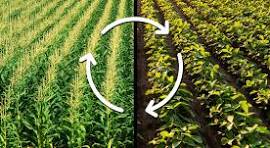
2. Plan Your Rotation Schedule: Develop a rotation plan that spans at least three to four years. Ideally, you should rotate crops so that the same plant family is not planted in the same location for several years. A typical rotation might involve a cycle of root vegetables, legumes, leafy greens, and fruiting plants.

3. Keep Records: Maintain a garden journal or map to track where you plant each crop each year. This record will help you remember past planting locations and make informed decisions for future seasons.

4. Incorporate Cover Crops: During the off-season or in between rotations, consider planting cover crops like clover or rye. These plants can improve soil fertility, prevent erosion, and suppress weeds.

5. Monitor and Adjust: Observe your garden’s performance and adjust your rotation plan as needed. If you notice persistent pest issues or nutrient deficiencies, you may need to tweak your rotation schedule or add soil amendments.

Sample Rotation Plan

Here’s a simple example of a four-year rotation plan:

– Year 1: Plant root vegetables (carrots, beets, radishes)
– Year 2: Plant legumes (beans, peas, lentils)
-Year 3: Plant leafy greens  (lettuce, spinach, broccoli, cabbage)
– Year 4: Plant fruiting vegetables (tomatoes, peppers, cucumbers)

By following these principles, you’ll build a more resilient and productive vegetable garden. Crop rotation not only benefits the soil and plants but also contributes to a healthier and more sustainable gardening practice.

Understanding Bloated Meat Packaging: Is Your Meat Still Safe to Eat?

Have you ever picked up a package of ground beef or steak from the grocery store only to find it encased in bloated plastic packaging? It can be concerning, especially when you’re unsure if the meat is still safe to eat. Let’s dive into why meat packaging bloats and what you should do if you encounter it.

What Causes Meat Packaging to Bloat?

There are a couple of reasons why you might find your meat packaging swelling with air. One common cause is a process called Modified Atmosphere Packaging (MAP). According to the United States Department of Agriculture (USDA), MAP replaces some or all of the oxygen in the package with other gases like nitrogen and carbon dioxide. This process slows microbial growth and oxidation, preserving the meat’s freshness, quality, and color while reducing food waste.

Jessica Gavin, a Certified Food Scientist, explains that puffiness in packaging is normal with MAP. However, excessive bloating can indicate microbial spoilage from gases produced by bacteria. This is especially true for meat with high unsaturated fats or high pH levels, which spoil faster and benefit from vacuum sealing to eliminate oxygen completely.

Is It Safe to Eat Meat in Bloated Packaging?

The big question is whether you should eat meat from bloated packaging. According to Gavin, if the bloating is due to microbial contamination, it’s best to avoid eating the meat. While not all spoilage organisms are harmful, some can cause off flavors, odors, or color changes. Meat packages that are only slightly puffy due to MAP might still be safe, but it’s better to be cautious.

Katie Heil, a Certified Professional in Food Safety, advises avoiding bloated vacuum-sealed products as they are likely spoiled. It’s always better to err on the side of caution when it comes to food safety.

Safety Tips for Buying Meat

When purchasing meat, there are a few important factors to consider:

1. Temperature: Ensure the meat is refrigerated at the correct temperature of below 41°F. Look for condensation in or on the packaging or overcrowded refrigeration units, which might indicate improper temperature control.

2. Package Integrity: Check that the packaging is clean and intact. Avoid items with leaking or bulging packages.

3. Color, Odor, and Texture: Don’t buy meat with unexpected color, smell, or sliminess. Press on the meat; if it leaves an imprint, it’s best to avoid it.

Bloated meat packaging can be a sign of spoilage or simply a result of MAP. However, it’s crucial to be cautious. Avoid consuming meat from overly bloated packages and follow safety tips when buying meat to ensure you’re getting a fresh and safe product.

https://www.yahoo.com/lifestyle/now-know-why-meat-packaging-190000754.html


Summer Farm Safety Tips: Staying Safe in the Sun and Heat

Summer is a busy time on the farm, with long days dedicated to planting, harvesting, and caring for livestock. While the season brings plenty of sunshine and warmth, it also poses significant risks such as heat stress, dehydration, and sunburn. Staying safe in the sun and heat is crucial for farm workers and farmers alike. Here are some essential summer farm safety tips to ensure you stay healthy and productive during the hottest months.

Hydration is Key

Drink Plenty of Water
– Stay Hydrated: Aim to drink at least 8-10 glasses of water a day, more if you’re working hard or sweating a lot.
– Avoid Dehydrating Beverages: Limit consumption of caffeinated drinks, alcohol, and sugary beverages as they can contribute to dehydration.

Carry a Water Bottle
– Keep Water Accessible: Always have a water bottle with you and take regular breaks to drink, even if you don’t feel thirsty.
– Electrolyte Drinks: Consider drinks with electrolytes to replace lost minerals, especially if you’re sweating heavily.

Wear Appropriate Clothing

Lightweight and Breathable Fabric
– Choose the Right Materials: Wear light-colored, loose-fitting clothing made of breathable fabrics like cotton to help keep you cool.
– **Protective Clothing:** Long sleeves and pants can protect your skin from the sun, as well as from insects and plants that may cause irritation.

Hats and Sunglasses
– **Wide-Brimmed Hats:** Wear a hat with a wide brim to shade your face, neck, and ears from the sun.
– **UV Protection Sunglasses:** Protect your eyes from harmful UV rays with sunglasses that block 100% of UVA and UVB rays.

Use Sunscreen

Apply Generously
– SPF 30 or Higher: Use a broad-spectrum sunscreen with an SPF of at least 30.
– Reapply Often: Reapply sunscreen every two hours, or more often if you’re sweating or working in water.

Take Regular Breaks

Rest in the Shade
– Schedule Breaks:Take regular breaks in a shaded or air-conditioned area to cool down.
– Listen to Your Body: If you feel dizzy, lightheaded, or overly fatigued, stop working and rest immediately.

Work During Cooler Hours
– Avoid Peak Sun:Try to schedule the heaviest or most labor-intensive tasks for early morning or late afternoon when the sun is less intense.

Stay Informed

Weather Updates
– Check the Forecast: Keep an eye on the weather forecast to plan your work accordingly and avoid extreme heat conditions.
– Heat Advisories: Be aware of heat advisories and warnings issued for your area.

Working on a farm during the summer can be rewarding but also poses serious risks if proper precautions are not taken. By staying hydrated, wearing appropriate clothing, using sunscreen, taking regular breaks, and being aware of heat-related illnesses, you can protect yourself and your fellow workers from the dangers of sun and heat exposure. Stay safe, stay cool, and enjoy the productivity and beauty that summer brings to the farm.

Storing Summer Crops: How to Store and Preserve Your Harvest

Summer brings an abundance of fresh fruits and vegetables, but sometimes it’s more than we can consume right away. Learning how to properly store and preserve your summer harvests can help you enjoy the flavors of summer all year round. Here’s a guide to get you started.

1.Understanding Your Crops

Different crops have different storage and preservation needs. Here are some common summer crops and the best methods for storing and preserving them:

– Tomatoes: Best for canning, drying, or freezing.
– Cucumbers: Ideal for pickling.
– Peppers: Great for freezing or drying.
– Zucchini and Summer Squash: Excellent for freezing or drying.
– Berries: Perfect for freezing, making jams, or dehydrating.
– Herbs: Best for drying or freezing.

2. Storing Fresh Produce

Tomatoes
-Counter Storage: Store unripe tomatoes at room temperature until they ripen. Once ripe, consume them within a few days or consider preserving.
– Refrigeration: For ripe tomatoes you can’t use immediately, store in the refrigerator for up to a week, but be aware this can affect their texture and flavor.

Peppers
– Refrigeration: Store in the vegetable drawer. Peppers can last up to two weeks.
– Freezing: Wash, chop, and freeze peppers for later use in cooked dishes.

Zucchini and Summer Squash
– Refrigeration: Store in a perforated plastic bag in the fridge for up to a week.
– Freezing: Blanch in boiling water for 3 minutes, then cool in ice water before freezing.

Berries
– Refrigeration: Store in a single layer on a paper towel-lined tray and cover with plastic wrap. They should last up to a week.
– Freezing:Spread berries on a baking sheet to freeze individually, then transfer to a freezer bag.

3. Preservation Methods

Canning
Canning is a great way to preserve tomatoes, pickles, and jams.

Drying
Drying is perfect for herbs, tomatoes, and peppers. You can use a dehydrator, an oven, or the sun.

– Herbs:  Hang in small bunches in a cool, dry place until completely dry.
– Tomatoes and Peppers: Slice thinly and place in a dehydrator or on a baking sheet in a low oven (around 140°F) until they are leathery.

Freezing
Freezing retains the nutrients and flavor of most fruits and vegetables.

Pickling
Pickling is a popular method for preserving cucumbers, peppers, and other vegetables.

4. Tips for Success

– Quality Matters: Only use fresh, unblemished produce for the best results.
– Follow Recipes: Use tested recipes and methods, especially for canning, to ensure safety.
– Label Everything: Clearly label and date all preserved goods to keep track of their age.
– Store Properly:  Keep canned goods in a cool, dark place and use them within a year for best quality.

With a little effort and the right techniques, you can enjoy the flavors of summer long after the season ends. Whether you’re storing fresh produce in the fridge, canning tomatoes, or drying herbs, preserving your summer harvests ensures you make the most of your garden’s bounty.